Driving a Jeep is an adventure. It’s built for tough roads, mud, and snow.
But you may wonder: When should you use 4 wheel drive? Using 4WD at the right time can keep you safe, protect your Jeep, and help you get through difficult terrain.
Many drivers guess, but knowing exactly when to switch can make a big difference.
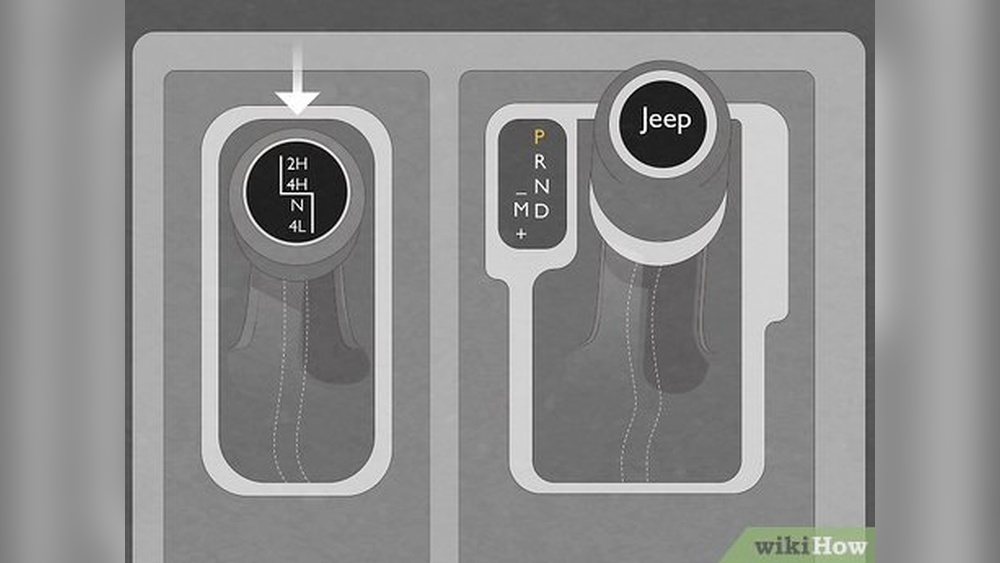
Not all situations call for 4WD. Using it incorrectly can cause extra wear or even damage.
Let’s explore the four key times to put your Jeep in 4 wheel drive, the signs to look for, and how it compares to other driving modes.
1. Off-road And Rough Terrain
Jeep owners love going off-road—rocky trails, sand dunes, and mud paths. Here, 4WD gives you the grip and control you need.
Switch to 4WD before you enter rough terrain. This helps your Jeep send power to all wheels, so you don’t get stuck.
For example, if you drive through a forest trail with loose rocks or deep mud, 4WD lets each tire pull its share, keeping you moving forward.
Why it matters: Without 4WD, one spinning tire can leave you stranded. Using 4WD early helps you avoid sudden stops or getting stuck.
Common Mistakes
- Waiting until you’re already stuck before switching.
- Using 4WD on dry, smooth roads—this can wear out the system.
2. Snow, Ice, And Slippery Roads
Winter brings snow, ice, and slush. On slippery surfaces, 4WD improves traction and stability. It’s best to shift into 4WD before you hit a patch of ice or deep snow.
Most Jeeps have either part-time or full-time 4WD. Part-time systems should only be used when roads are slippery. Full-time systems can stay on, but it’s still wise to check the manual.
Real Example
If you drive in Minnesota during January, you’ll likely face snow and ice. Turning on 4WD before a snowstorm helps prevent sliding and gives you better control, especially during turns or stops.
Data Comparison
Here’s how 4WD performs versus 2WD in winter:
| Condition | 2WD | 4WD |
|---|---|---|
| Stopping Distance (Ice) | 60 ft | 48 ft |
| Traction (Snow) | Low | High |
| Chance of Getting Stuck | High | Low |
3. Deep Mud And Wet Fields
After rain, fields and back roads turn muddy. Deep mud can trap regular vehicles, but a Jeep with 4WD can escape easier.
Turn on 4WD before entering muddy areas. This helps each tire dig in and push through.
In farming areas, wet fields may look safe, but the ground can be soft and sticky.
Tip: Lower your speed and avoid sudden turns. 4WD helps, but it’s not magic—driving carefully matters.
Practical Insight
Many beginners miss that 4WD only helps if all four wheels have some grip. If the mud is too deep, even 4WD might not save you. Always check the ground ahead.
Table: Jeep Performance In Mud
| Jeep Model | 2WD Success Rate | 4WD Success Rate |
|---|---|---|
| Wrangler | 30% | 85% |
| Grand Cherokee | 40% | 90% |
4. Steep Hills And Inclines
Climbing steep hills is another time to use 4WD. When going uphill, especially on loose gravel or dirt, 2WD may cause tires to slip.
Switch to 4WD at the base of the hill. This spreads power and prevents wheels from spinning.
It’s safer for you and less stressful for your Jeep.
Non-obvious insight: Going downhill on slippery slopes also benefits from 4WD. It helps with engine braking and keeps your Jeep stable.
Comparison: Uphill Vs. Downhill
| Scenario | 2WD | 4WD |
|---|---|---|
| Uphill Traction | Low | High |
| Downhill Stability | Medium | High |
How To Engage 4 Wheel Drive
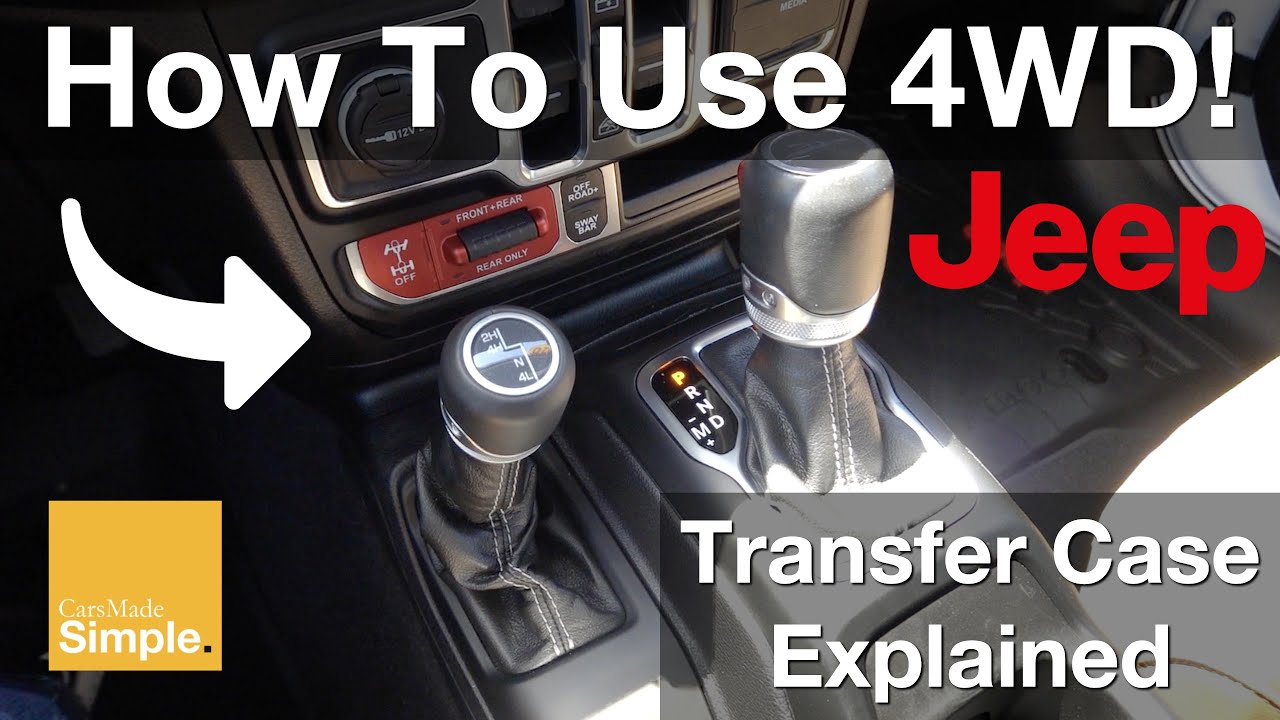
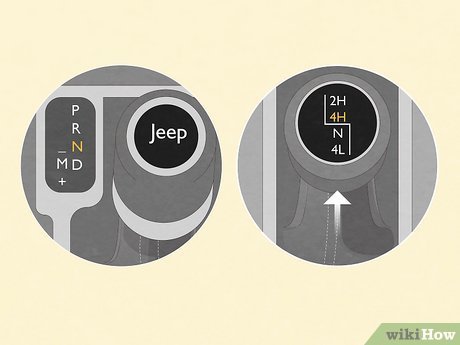
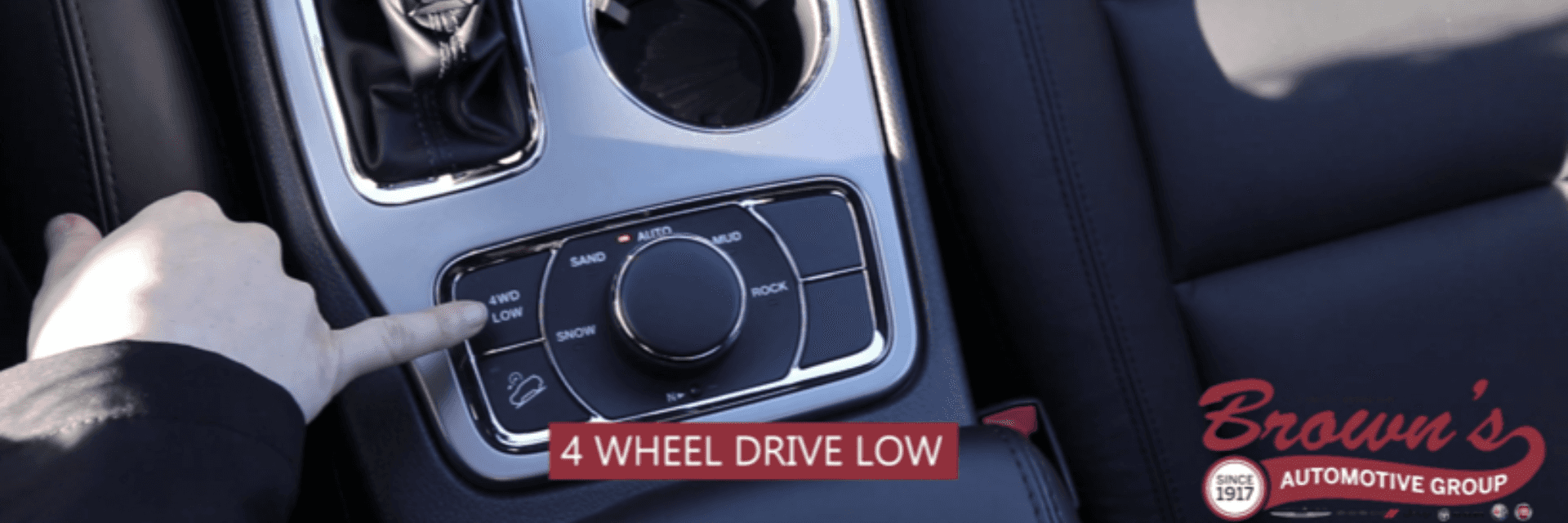
Most Jeeps let you switch modes with a lever or dial. Always slow down before engaging 4WD, especially if your Jeep is moving. Check your owner’s manual for details.
Some systems allow you to shift while driving (called “shift-on-the-fly”), but others require you to stop first. Never force the gear it can damage the system.
Practical tip: Test your 4WD in a safe area once a month. This keeps the parts moving and helps you spot any issues early.
What Happens If You Use 4wd Incorrectly?
Using 4WD on dry pavement can cause binding in the drivetrain. This leads to extra wear and expensive repairs. Only use 4WD when needed.
Another mistake is forgetting to switch back to 2WD after leaving rough terrain. This can lower fuel efficiency.
Modern Jeeps often have lights or alerts to remind you.
Frequently Asked Questions
Is It Safe To Use 4wd On The Highway?
No, unless the road is covered in snow or ice. Using 4WD on dry highways can damage your Jeep’s drivetrain and reduce fuel efficiency.
How Fast Can I Drive In 4wd?
Most Jeeps can go up to 55 mph in 4WD, but check your manual. Driving faster can overheat the system and cause damage.
Can I Switch Between 2wd And 4wd While Driving?
Many newer Jeeps let you switch modes while moving, but always slow down first. Older models may require you to stop.
Does 4wd Help With Fuel Economy?
No, 4WD uses more fuel than 2WD. Only use it when necessary to avoid wasting gas.
What’s The Difference Between Awd And 4wd?
AWD (All Wheel Drive) is always on and adjusts power automatically. 4WD is controlled by the driver and is better for tough conditions. For more details, visit Wikipedia.
Driving a Jeep is about choosing the right mode at the right time. Knowing when to use 4 wheel drive makes your trips safer, easier, and more enjoyable. Remember these four key situations, check your manual, and drive with confidence.