Many drivers love the Jeep Cherokee for its rugged look, versatility, and off-road ability. But every vehicle has its own weak spots, and knowing when Jeep Cherokees start having problems can help you avoid surprises and plan better. Whether you own a Cherokee or want to buy one, understanding the timing and types of issues is crucial for long-term satisfaction.
Typical Mileage When Problems Appear
Jeep Cherokees are designed to last, but like most SUVs, some problems tend to show up after a certain mileage. Most owners report that common issues start between 60,000 and 100,000 miles. Below 60,000 miles, Cherokees usually run smoothly, except for rare manufacturing defects. After crossing 100,000 miles, you may see bigger repairs and maintenance costs.
Here’s a quick look at how age and mileage affect reliability:
| Mileage Range | Common Issues | Estimated Repair Cost |
|---|---|---|
| 0-60,000 miles | Minor electrical, recalls | $200-$700 |
| 60,000-100,000 miles | Transmission, suspension | $1,000-$2,500 |
| 100,000+ miles | Engine, major drivetrain | $2,000-$4,500 |
Mileage isn’t the only factor. How you use your Cherokee matters too.
Frequent off-roading, towing, or city driving can cause problems earlier. For example, drivers who often use their Cherokee for towing may notice transmission trouble closer to 70,000 miles.
On the other hand, Cherokees used mostly for highway driving may have fewer issues until 100,000 miles or more. Seasonal changes also play a role; harsh winters may speed up suspension wear or battery problems.
Most Common Problems By Model Year
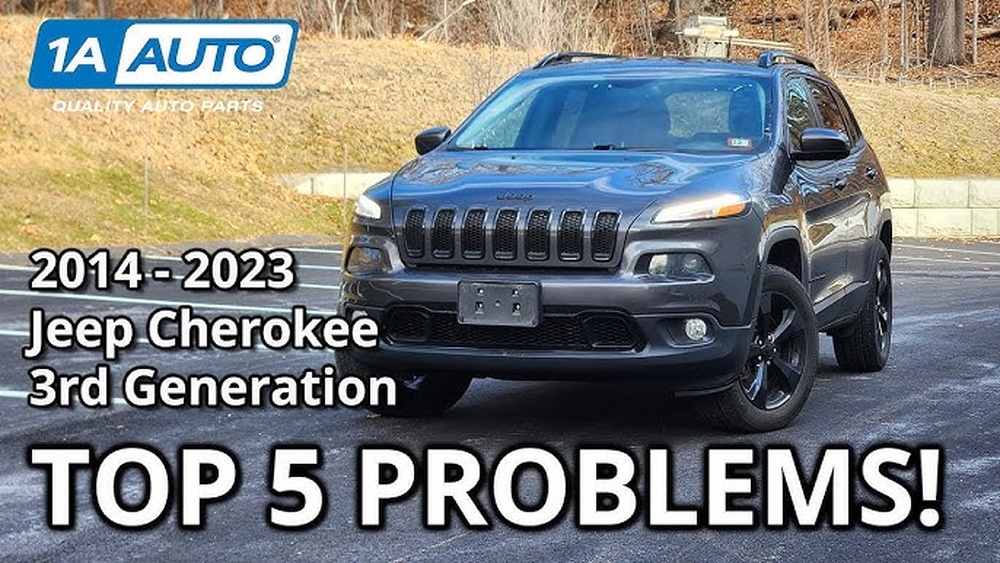
Not all Jeep Cherokees are the same. Some model years are more reliable, while others are known for specific issues. For example, 2014–2015 Cherokees often have transmission and electrical problems, while newer models tend to be better.
| Model Year | Known Issues | Frequency (per 1000 vehicles) |
|---|---|---|
| 2014–2015 | Transmission, infotainment | 42 |
| 2016–2018 | Electronic parking brake | 28 |
| 2019–2021 | Minor recalls, engine sensors | 17 |
| 2022+ | Software glitches | 12 |
Older Cherokees (built before 2013) tend to have fewer electronic issues, but may show more wear in suspension and rust. Rust can appear around door sills and wheel arches, especially in areas with road salt. Another example: the infotainment system in 2014–2015 models often freezes or fails to connect to Bluetooth. In newer models, software updates fix most glitches, but owners should still check for updates regularly.
Signs Your Jeep Cherokee Is Starting To Have Problems
You can often spot early signs before big repairs are needed. Look out for:
- Transmission hesitation – If your Cherokee shifts slowly or jerks, this could signal transmission trouble.
- Warning lights – Dashboard lights for engine, ABS, or transmission indicate internal issues.
- Noisy suspension – Clunks or squeaks when driving over bumps mean parts are wearing out.
- Electrical glitches – Problems like windows not working, radio shutting off, or random alarms can show up after 70,000 miles.
- Fluid leaks – Leaks under the vehicle, especially red or brown fluids, often start around 80,000 miles.
Some owners also notice rough idling or sudden drops in engine power, which can be early signs of sensor failure. If you hear new sounds from the engine or feel vibrations in the steering wheel, it’s wise to have the vehicle checked.
Beginners may miss subtle clues like a slight delay in gear changes or dimming dashboard lights. These small details often hint at deeper problems.
Many beginners ignore small symptoms, hoping they’ll go away. This often leads to bigger, more expensive repairs later.
Why Do Problems Start At These Mileages?
Jeep Cherokees use advanced technology and strong engines, but some parts face heavy stress. The transmission, for example, is complex and can wear faster if you drive off-road or tow often. Electrical systems become less reliable with age due to wiring and module wear. Suspension parts face constant bumps and rough roads, so they usually need attention after several years.
It’s important to note that regular maintenance can delay many issues. Using the right fluids, replacing filters, and checking brakes help keep your Cherokee reliable for longer.
Another factor is climate. Hot climates can cause faster wear on rubber parts and batteries, while cold climates may affect electronics and increase rust risk.
Owners who park their Cherokee outside, exposed to weather, may see faster aging in paint and seals.
Practical Tips For Avoiding Early Problems
If you want your Jeep Cherokee to stay trouble-free, follow these practical steps:
- Stick to maintenance schedules: Change oil, fluids, and filters on time.
- Inspect transmission fluid: Low or dirty fluid can cause transmission failures.
- Check suspension yearly: Look for worn bushings, struts, or shocks.
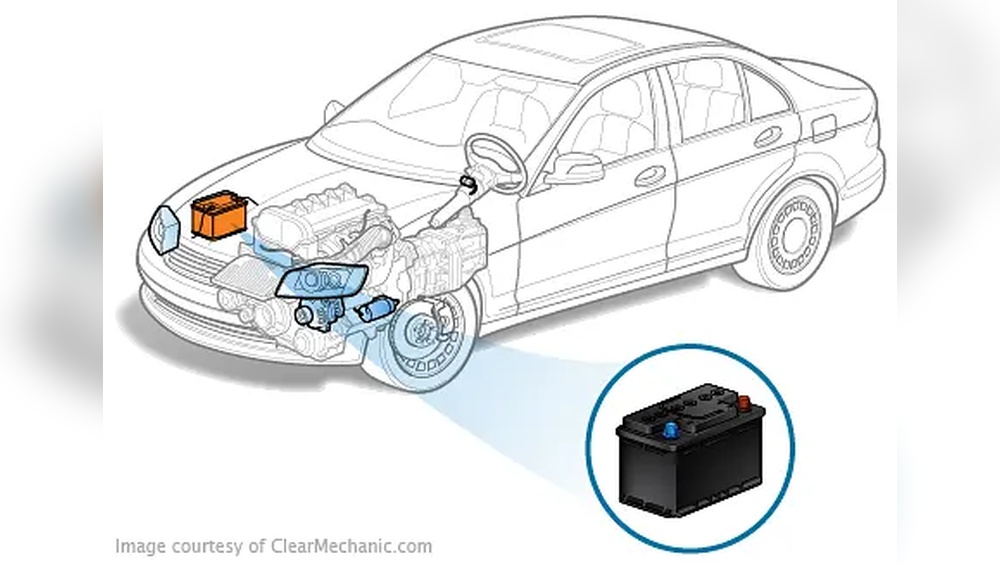
- Protect electronics: Keep battery terminals clean and avoid jump-starting with poor cables.
- Address recalls quickly: Jeep often issues recalls for software or hardware fixes. Don’t ignore them.
For extra protection, consider rustproofing if you live in snowy or coastal areas. Another smart tip: after heavy off-road use, wash the undercarriage to remove mud and salt that can cause corrosion. Checking tire pressure monthly also helps prevent uneven suspension wear.
Many drivers forget that even small repairs, like fixing warning lights, can prevent bigger issues. Investing a little in maintenance saves a lot in the long run.
How Jeep Cherokees Compare To Other Suvs
Compared to similar SUVs, Jeep Cherokees rank average for reliability. They perform well in off-road conditions but may show more transmission and electrical issues than Honda CR-V or Toyota RAV4.
Here’s a comparison of reliability and average repair costs:
| Vehicle | Reliability Score | Avg. Repair Cost (per year) |
|---|---|---|
| Jeep Cherokee | 6.5/10 | $520 |
| Honda CR-V | 8.2/10 | $380 |
| Toyota RAV4 | 8.6/10 | $370 |
| Ford Escape | 7.0/10 | $420 |
Cherokees are not the cheapest to maintain, but their strong build and off-road ability still make them popular. If you value adventure and rugged performance, the Cherokee stands out.
However, buyers looking for low maintenance and fewer repairs may prefer Honda or Toyota.
It’s also worth noting that Jeep parts can be easier to find in the US, which sometimes helps reduce downtime after a breakdown.
Frequently Asked Questions
How Many Miles Can A Jeep Cherokee Last?
With good care, most Jeep Cherokees reach 150,000–200,000 miles. After 100,000 miles, expect more repairs, especially for transmission, suspension, and electronics. Some Cherokees with careful owners and regular maintenance have crossed 220,000 miles, but this is less common.
Are Some Jeep Cherokee Years More Reliable?
Yes, 2016–2021 Cherokees are generally better than 2014–2015 models. Newer Cherokees have fewer transmission complaints and improved electronics. If you want fewer repairs, aim for a model with updated software and factory fixes.
What Is The Biggest Problem With Jeep Cherokees?
The transmission is often the most reported issue, especially in 2014–2015 models. Electrical faults and suspension wear are also common. Engine sensors sometimes fail, causing rough idle or loss of power.
Can Regular Maintenance Prevent Most Problems?
Yes, following the manufacturer’s schedule and fixing small issues early prevents costly repairs. Regular fluid changes and software updates help a lot. Checking for recalls and updates every six months is a smart habit.
Where Can I Check For Jeep Cherokee Recalls?
You can see recalls on the official Jeep website or the NHTSA database for accurate, up-to-date information.
Knowing when Jeep Cherokees start having problems lets you plan better and enjoy your SUV longer. By watching for early signs, following maintenance routines, and understanding model differences, you can keep your Cherokee running strong.
Remember, a little attention goes a long way in preventing major issues.