The Jeep Wagoneer is a name that sparks nostalgia and excitement among car enthusiasts. Known for its blend of rugged capability and luxury, the Wagoneer has a unique place in American automotive history.
If you’ve ever wondered exactly when the Jeep Wagoneer came out, or how it evolved over time, this article will answer your questions with clear details and helpful examples.
The Birth Of The Jeep Wagoneer
The original Jeep Wagoneer was first introduced in 1962 as a 1963 model. This marked a major shift for Jeep. Instead of only making utilitarian vehicles, Jeep now offered something with more comfort and style. Designed by Brooks Stevens, the Wagoneer was meant to compete with station wagons, but it added four-wheel drive and a higher ride, making it unique.
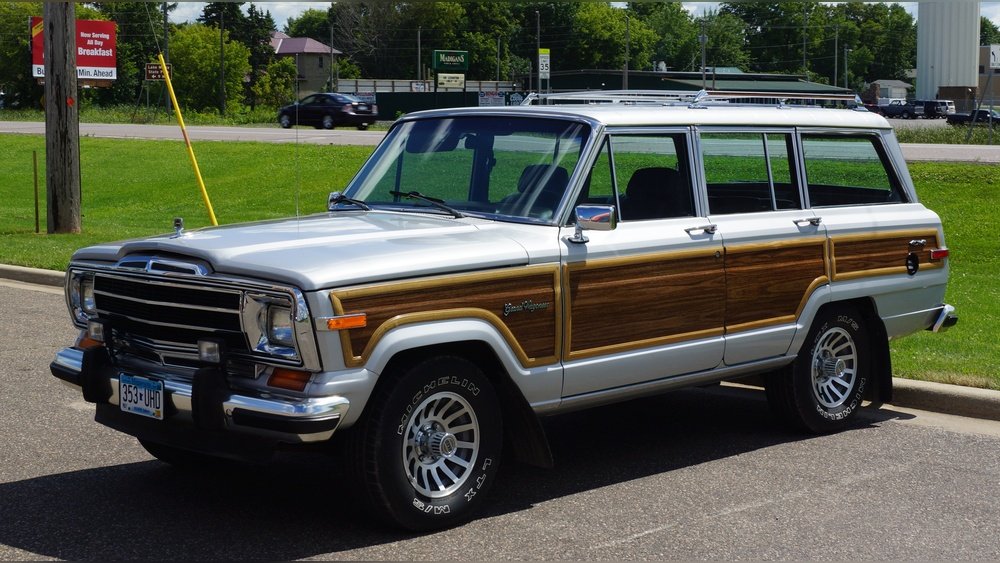
A key reason for its popularity was the combination of off-road ability and on-road comfort. Families could use it for daily driving, road trips, and even rough terrain. The Wagoneer became the pioneer of what we now call the SUV.
Wagoneer Through The Years
The Wagoneer remained in production for almost three decades, with several updates but always keeping its core values. Here’s a quick look at how it changed over time:
| Year | Major Changes | Engine Options |
|---|---|---|
| 1963 | Original launch, modern design, first automatic transmission in a 4×4 | 230 cu in I6, 327 cu in V8 |
| 1974 | Introduction of the Limited trim (luxury features) | 360 cu in V8, 401 cu in V8 |
| 1984 | Grand Wagoneer name introduced, woodgrain panels | 360 cu in V8 |
| 1991 | Final year of original production | 360 cu in V8 |
One thing beginners often miss is how the Wagoneer’s design stayed almost unchanged for decades. This made it instantly recognizable and helped build a loyal following.
A New Era: Wagoneer’s Comeback
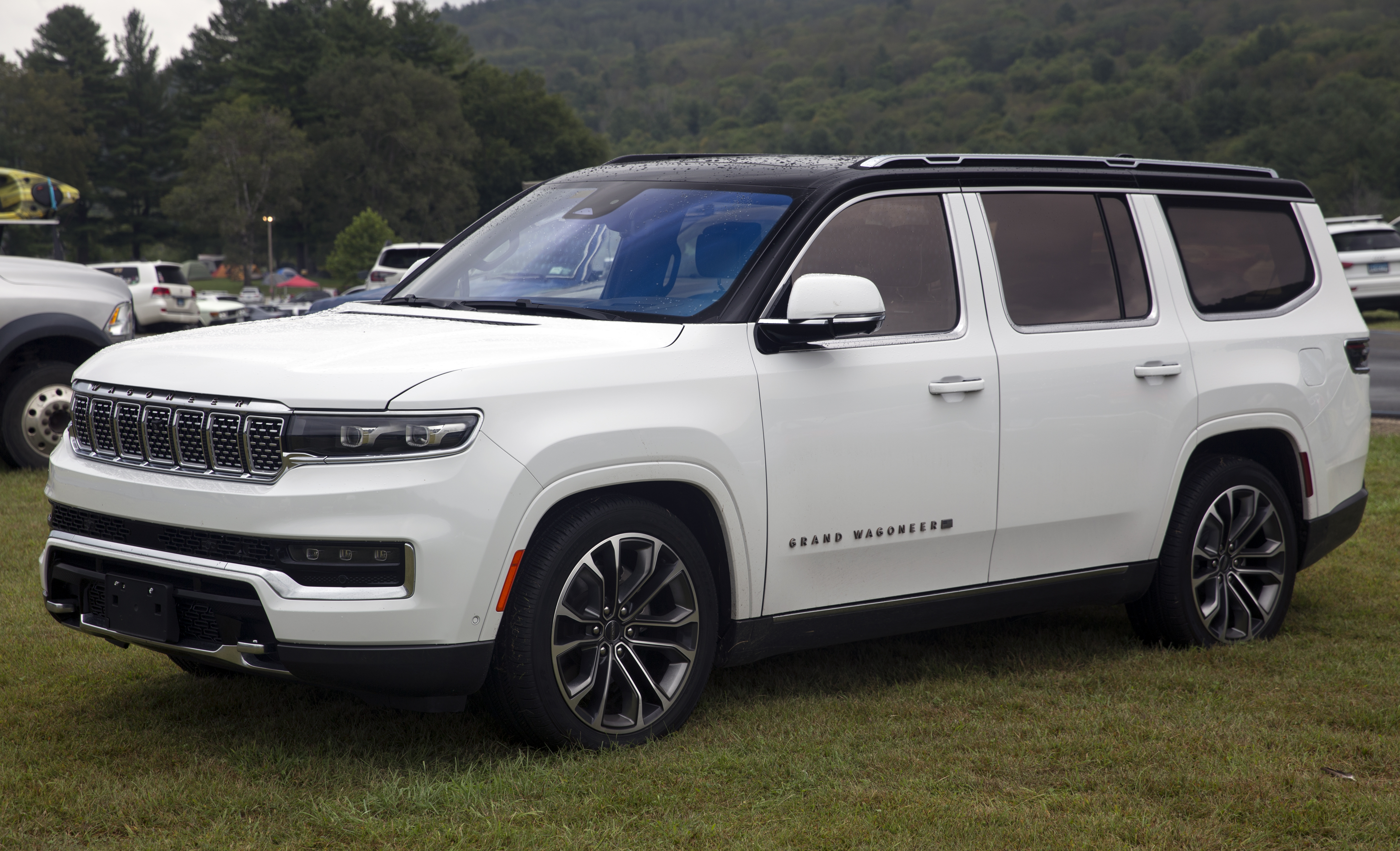
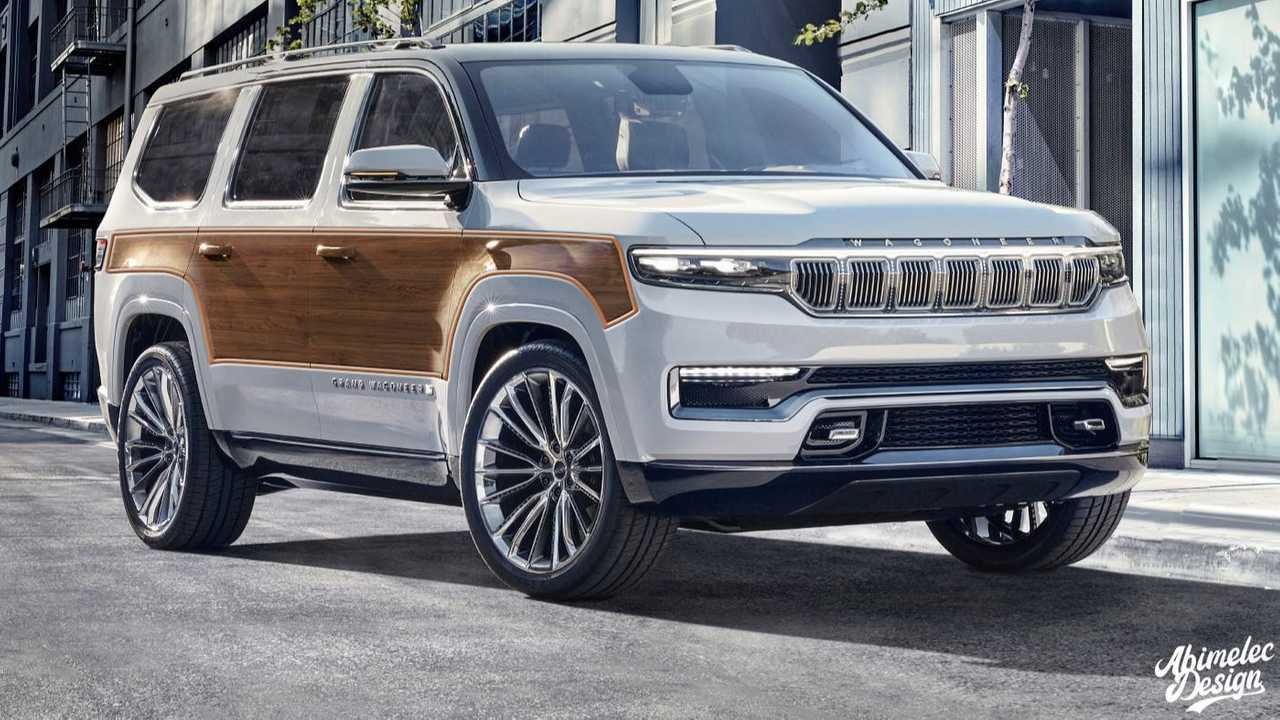
After 1991, Jeep stopped making the Wagoneer. For many years, fans hoped it would return. Finally, in 2021, Jeep announced a new Wagoneer and Grand Wagoneer. The new models were launched as 2022 vehicles, focusing on luxury and advanced technology.
| Model | Release Year | Main Features |
|---|---|---|
| Original Wagoneer | 1962 (as 1963 model) | 4WD, family comfort, classic styling |
| Grand Wagoneer | 1984 | Luxury trim, woodgrain, V8 engine |
| Modern Wagoneer | 2021 (as 2022 model) | Premium interior, advanced tech, large SUV |
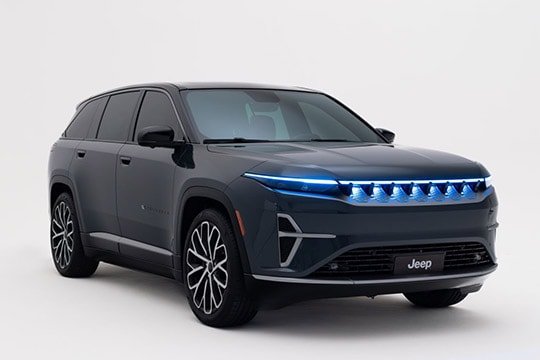
The new Wagoneer models are much larger and more luxurious than the originals. They compete with vehicles like the Chevrolet Tahoe and Ford Expedition. Many people are surprised by how advanced these new Jeeps are, with features like digital displays, high-end materials, and powerful engines.
Why The Wagoneer Matters
The Wagoneer was the first to mix luxury with ruggedness. Before it, most SUVs were simple and rough. The Wagoneer proved that you could have both comfort and capability. This idea influenced many later SUVs, including the Range Rover and Ford Explorer.
Another insight: The Wagoneer’s long production run (1963–1991) is rare in the car world. Few vehicles keep the same style and purpose for so many years. This helped create a strong brand image and lasting demand.
Comparing Wagoneer Generations
Let’s look at some key differences between the original and modern Wagoneers.
| Feature | 1963 Wagoneer | 2022 Wagoneer |
|---|---|---|
| Engine | 230 cu in I6, 327 cu in V8 | 5.7L V8, 6.4L V8 |
| Transmission | Automatic (first in 4×4) | 8-speed automatic |
| Drive | 4WD | 4WD, AWD |
| Technology | Basic radio, simple controls | Digital screens, driver aids |
| Interior | Bench seats, basic comfort | Leather, wood, climate control |
It’s clear the Wagoneer grew from a practical family vehicle to a full luxury SUV. Yet, it never lost its Jeep character.
Notable Milestones
Here are some important moments in Wagoneer history:
- 1962: First appearance, changing the SUV game.
- 1974: Launch of Limited trim, adding luxury.
- 1984: Grand Wagoneer name, more premium features.
- 1991: End of original production.
- 2021: Modern Wagoneer revealed, bringing back the legend.
Few vehicles have such a rich history. The Wagoneer often appeared in movies, was used by politicians, and became a family favorite. If you want to see more about its history, check the official Jeep site: Jeep Wagoneer History.
The Wagoneer’s Impact Today
Even now, the Wagoneer is seen as a symbol of American adventure and luxury. Older models are popular among collectors. Their value has risen in recent years, especially for well-preserved Grand Wagoneers.
The modern Wagoneer is also making waves. It’s often reviewed as one of the best new full-size SUVs, with strong sales and positive feedback. Many buyers like the mix of technology and tradition.
Frequently Asked Questions
When Did The Jeep Wagoneer First Come Out?
The Jeep Wagoneer was released in 1962 for the 1963 model year. It was one of the earliest vehicles to blend four-wheel drive with family comfort.
What Made The Original Wagoneer Unique?
The original Wagoneer was the first SUV with an automatic transmission and luxury features. It was designed for both off-road and daily use, making it stand out from other cars of its time.
When Did Jeep Stop Making The Wagoneer?
The first generation of Wagoneer was produced until 1991. After that, Jeep did not make Wagoneers for many years, until they relaunched the model in 2021.
What Are The Main Differences Between The Old And New Wagoneer?
The modern Wagoneer is much larger, more luxurious, and packed with advanced technology. The original focused on simple comfort and ruggedness, while the new model competes with high-end SUVs.
Is The Wagoneer Considered A Classic Car?
Yes, especially the Grand Wagoneer from the 1980s. Many collectors search for well-maintained Wagoneers. Its classic design and woodgrain panels are iconic.
The Jeep Wagoneer’s story is a journey from a practical family car to a luxury icon. Whether you love classic cars or modern SUVs, the Wagoneer’s history is worth knowing.
It shows how innovation and tradition can work together, creating vehicles that stand the test of time.