The Jeep truck has a rich and sometimes surprising history. While many people think of Jeep for its tough SUVs, the brand has built trucks for decades. The story of when the Jeep truck came out is a tale of innovation, military needs, and changing tastes in the automotive world. If you want to understand where and when the Jeep truck started, and how it evolved, this article will give you clear answers.
The Very First Jeep Truck: The Birth Of A Legend
The Jeep truck traces its roots back to the 1940s. While the original Jeep was a military vehicle, the idea for a pickup-style Jeep began soon after World War II. In 1947, Willys-Overland (the company behind Jeep) introduced the Willys Jeep Truck. This model was based on the military Jeep but designed for civilian life.
The 1947 Willys Jeep Truck was a one-ton pickup with four-wheel drive. It was practical and could haul heavy loads. This made it popular with farmers, workers, and people who needed a tough vehicle. It offered:
- Four-wheel drive for off-road and tough terrain
- Three engine options over its lifetime
- Production run from 1947 to 1965
The Willys Jeep Truck set the stage for Jeep’s future in the truck market. Its rugged look and practical design are still admired by collectors today.
Key Models In Jeep Truck History
Jeep has produced several trucks over the years, each with unique features and updates. Here’s a look at the most important models and their release dates.
| Model | Year Introduced | Key Features |
|---|---|---|
| Willys Jeep Truck | 1947 | First civilian Jeep pickup, 4WD |
| Jeep Gladiator (SJ) | 1962 | Full-size, based on Wagoneer, V8 options |
| Jeep J-Series | 1971 | Updated Gladiator, new styling |
| Jeep CJ-8 Scrambler | 1981 | Small pickup bed, removable roof |
| Jeep Comanche (MJ) | 1985 | Compact, unibody design |
| Jeep Gladiator (JT) | 2019 | Modern midsize pickup, Wrangler-based |
Each of these models reflects changing needs and new technology. The Gladiator name, for example, has been used for two very different trucks, decades apart.
The Long Pause And Jeep’s Comeback
After the Jeep Comanche ended production in 1992, Jeep did not offer a pickup truck for many years. This was unusual, especially as pickup trucks became popular in the US. There were concept vehicles and rumors, but no official Jeep truck reached dealerships for nearly three decades.
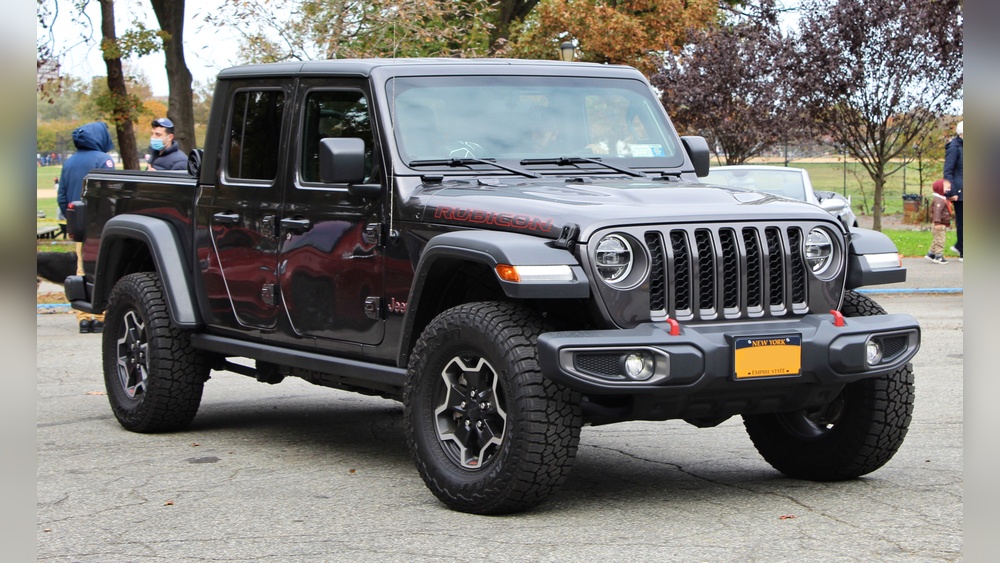
This gap ended with the launch of the Jeep Gladiator (JT) in 2019. The new Gladiator took the best features of the Wrangler—like ruggedness and off-road skill—and added a real pickup bed. This truck quickly became popular for its mix of utility and adventure.
How The Jeep Truck Stands Out
There are many pickup trucks, but Jeep’s versions have some unique qualities. Here’s a quick comparison with other trucks in the same class:
| Feature | Jeep Gladiator (JT) | Toyota Tacoma | Ford Ranger |
|---|---|---|---|
| Removable Roof/Doors | Yes | No | No |
| 4WD Standard | Yes | No | No |
| Towing Capacity (lbs) | 7,700 | 6,800 | 7,500 |
| Off-Road Focus | Very High | High | Medium |
The Gladiator’s ability to remove its roof and doors is a rare feature. It’s also one of the best for off-road driving, thanks to Jeep’s engineering.

Non-obvious Insights On Jeep Trucks
Many people overlook some important facts about Jeep trucks:
- Military Influence Remains: Even the latest models use design ideas from their military past, like strong frames and simple controls.
- Collector Value: Older Jeep trucks, especially the Willys and early Gladiators, are becoming more valuable as classic vehicles.
- Aftermarket Support: There is a large industry for Jeep truck upgrades—lifts, bumpers, racks—which helps owners personalize their vehicles more than most brands.
- Hidden Strength: The latest Gladiator offers diesel engine options, giving it more torque for towing and off-roading—something many midsize competitors do not provide.
Why The Jeep Truck Matters Today
The return of the Jeep truck was not just about filling a gap. It showed that there was strong demand for a pickup that could handle both work and real adventure.
The 2019 Gladiator brought Jeep’s image of freedom and toughness to a new generation.
If you look at sales, Jeep’s bet paid off. The Gladiator sold over 40,000 units in its first full year, despite strong competition.
Reviews highlight its off-road ability, unique features, and strong brand loyalty.

Timeline Of Key Jeep Truck Releases
A simple timeline helps visualize when the main Jeep trucks came out:
| Year | Model Introduced |
|---|---|
| 1947 | Willys Jeep Truck |
| 1962 | Jeep Gladiator (SJ) |
| 1981 | Jeep CJ-8 Scrambler |
| 1985 | Jeep Comanche (MJ) |
| 2019 | Jeep Gladiator (JT) |
This timeline shows long gaps between new trucks, but also Jeep’s ability to adapt and return.
Frequently Asked Questions
When Did The First Jeep Truck Come Out?
The first Jeep truck for civilians was released in 1947 as the Willys Jeep Truck. It was a tough, four-wheel drive pickup based on Jeep’s famous military vehicles.
Why Did Jeep Stop Making Trucks For So Long?
Jeep stopped making trucks in 1992 after the Comanche. The brand focused on SUVs as those became more popular.
It took until 2019 for Jeep to bring back a truck because the company wanted to make sure the new model matched their adventurous image.
What Makes The Jeep Gladiator Different From Other Pickups?
The Jeep Gladiator has features no other midsize pickup offers, like a removable roof and doors. It’s also built for off-road driving, with advanced four-wheel drive and strong suspension.
Are Old Jeep Trucks Valuable Today?
Yes. Classic Jeep trucks like the Willys and early Gladiators are becoming more valuable, especially if they are in good shape.
Collectors look for original parts and rare options.
Where Can I Find More Details About Jeep Truck History?
You can read more detailed histories and technical data at the official Jeep Gladiator Wikipedia page.
The Jeep truck story is one of tradition, change, and comeback. Whether you’re a fan of classic models or the latest Gladiator, Jeep’s trucks have always stood out by blending toughness with adventure.
As the market changes, Jeep continues to innovate showing that its trucks will stay part of the American road for years to come.