The Jeep Compass has become a familiar name in the world of compact SUVs. Many drivers love its rugged style and practical features. But when did this model first arrive? Understanding the launch date and the history behind the Jeep Compass helps people make smarter choices when buying, comparing, or simply appreciating this vehicle.
The Jeep Compass Debut
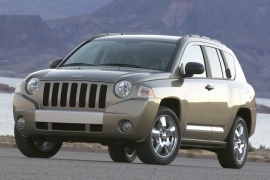
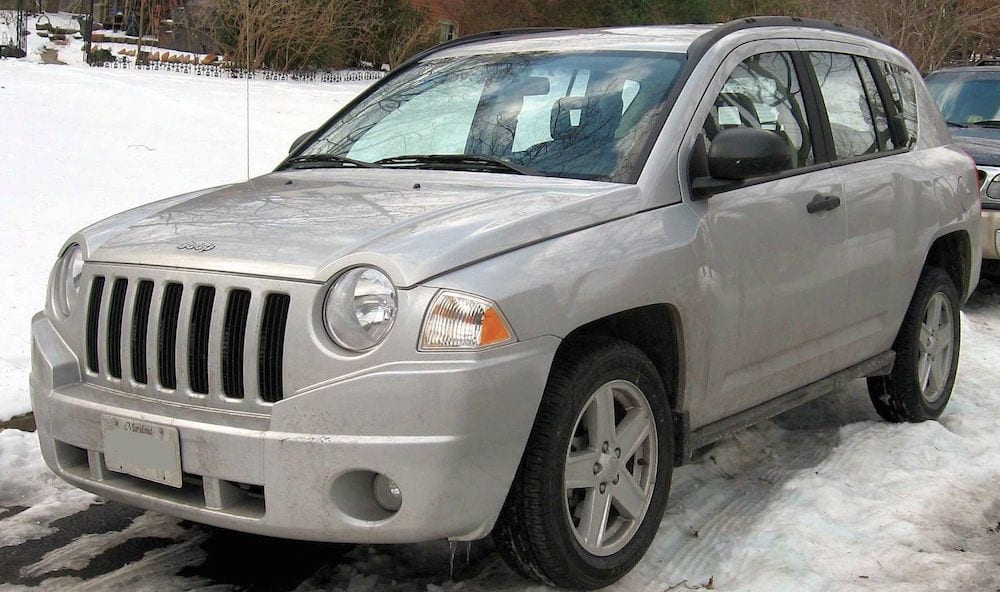
The Jeep Compass made its first public appearance at the North American International Auto Show in Detroit, Michigan, back in January 2006. The actual sales launch happened later that year, with the model hitting showrooms in the summer of 2006 for the 2007 model year. This marked the first time Jeep offered a compact crossover, moving away from its usual lineup of larger, more traditional SUVs.
Unlike older Jeep models, the Compass was built on a car-like platform. This helped it offer better fuel efficiency and a smoother ride, appealing to city drivers and families. Jeep saw a growing demand for smaller SUVs, and the Compass was their answer.
Key Features At Launch
When it first came out, the Jeep Compass included several features that helped it stand out:
- Front-wheel drive and optional all-wheel drive
- 2.4-liter four-cylinder engine producing 172 horsepower
- Modern interior with available features like CD player and air conditioning
- Split-folding rear seats for more cargo space
The Compass was one of Jeep’s first vehicles to focus on comfort and style, not just off-road ability.
How The Jeep Compass Changed Over Time
The Compass has seen many updates since its release. Each generation brought improvements in design, technology, and performance. Here’s a look at the major changes:
| Year | Generation | Key Changes |
|---|---|---|
| 2007 | First Generation | Original launch; focus on urban drivers |
| 2011 | First Generation (Facelift) | Updated styling; improved interior materials |
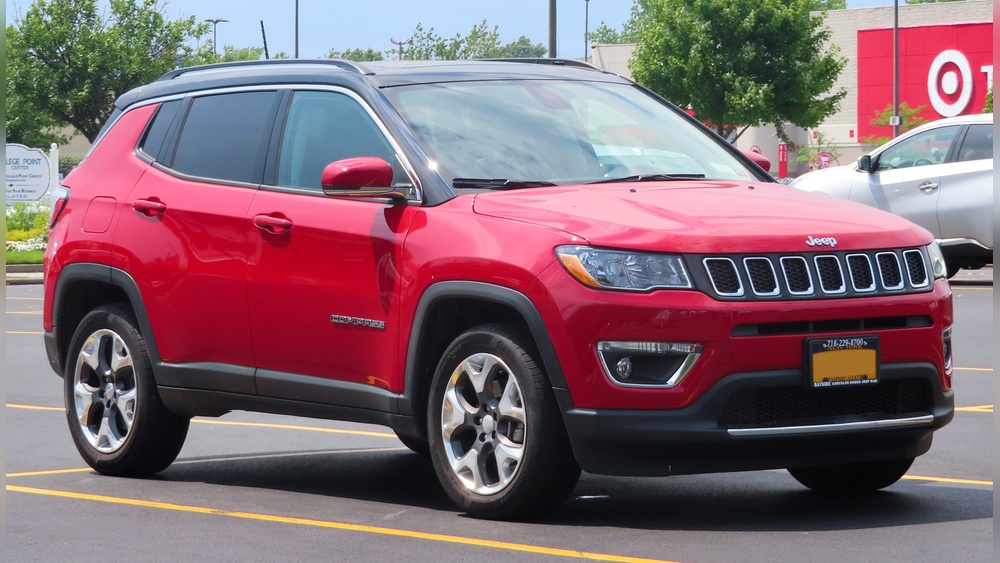
| 2017 | Second Generation | All-new design; more advanced technology |
Notable Upgrades
The 2011 facelift improved the Compass’s appearance and comfort, bringing it closer to the Grand Cherokee’s style. The second generation in 2017 was a complete overhaul. Jeep added more safety features, better engines, and modern infotainment systems.
Comparing The Jeep Compass To Other Compact Suvs
Many buyers wonder how the Compass stacks up against other vehicles in its class. Here’s a quick comparison:
| Model | Base Engine | Fuel Economy (MPG) | Starting Price (USD) |
|---|---|---|---|
| Jeep Compass | 2.4L I4 | 22 city / 31 highway | $28,400 |
| Honda CR-V | 1.5L Turbo I4 | 28 city / 34 highway | $29,500 |
| Toyota RAV4 | 2.5L I4 | 27 city / 35 highway | $28,275 |
While the Compass is not the most fuel-efficient, it’s priced competitively and offers unique Jeep styling and capability. Many buyers choose it for its off-road options and rugged looks, even though some competitors have better gas mileage.
Sales And Popularity
Since its debut, the Jeep Compass has grown steadily in popularity. In the United States, Jeep sold over 100,000 units of the Compass in 2021 alone. Globally, the Compass is also produced in India, Brazil, and China, making it a truly international model.
The Compass appeals to both new Jeep fans and long-time enthusiasts. Its combination of comfort, technology, and brand identity helps it stand out. One thing beginners might miss is that the Compass is often more affordable than other Jeep models, making it a good entry point for first-time buyers.
Common Mistakes When Researching Jeep Compass History
Many people mix up the Compass with the Jeep Patriot, which launched around the same time. Both share similar platforms, but the Compass was designed for a different audience—those who wanted a more modern, city-friendly SUV.
Another mistake is thinking the Compass was always a strong off-roader. In reality, the early models focused on daily comfort and fuel economy. Only later versions, especially with the Trailhawk trim, became true off-road performers.
Practical Insights For Buyers
If you’re considering a Jeep Compass, keep these points in mind:
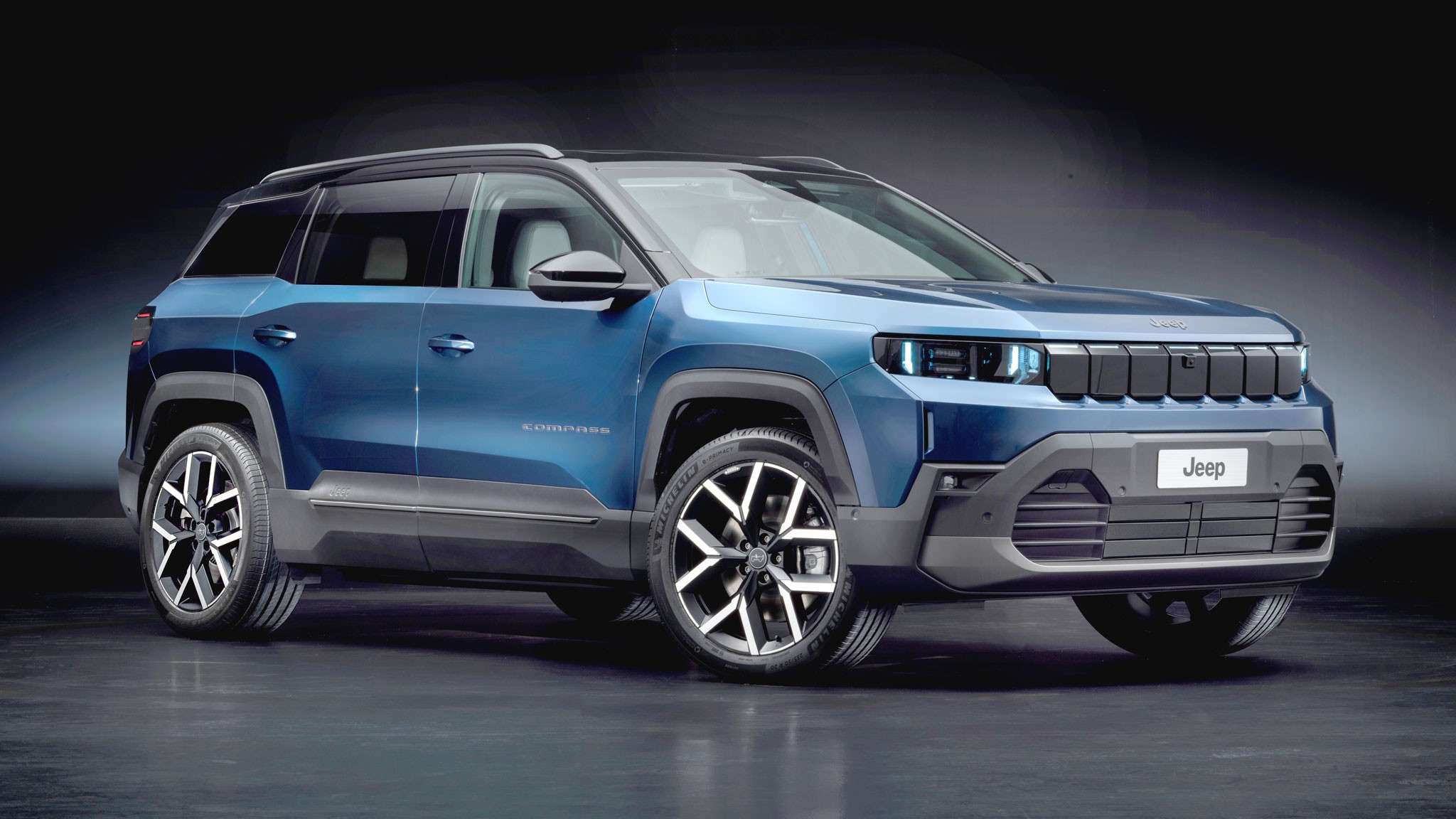
- The second-generation Compass (2017+) has much better technology and safety features.
- Early models (2007–2016) may lack advanced driver aids and modern infotainment.
- The Compass usually costs less than other Jeep models like the Cherokee or Wrangler, but maintenance and parts are still Jeep-level.
- The Trailhawk trim is the best choice for off-road driving.
An overlooked tip: Always check for recalls and technical service bulletins, especially on older models. This helps avoid unexpected issues.
Frequently Asked Questions
When Did The Jeep Compass Come Out?
The Jeep Compass was first shown in January 2006 and went on sale in mid-2006 as a 2007 model. This was Jeep’s first compact crossover SUV.
What Were The Main Competitors When The Compass Launched?
In 2007, the main competitors were the Honda CR-V, Toyota RAV4, and Ford Escape. These models were well-established in the compact SUV market.
Has The Jeep Compass Always Had Off-road Capability?
Early Compass models were designed mostly for city and highway driving. True off-road features, like the Trailhawk trim, arrived in later generations.
How Many Generations Of Jeep Compass Are There?
There are two main generations. The first ran from 2007 to 2016, and the second started in 2017 and continues today.
Where Is The Jeep Compass Made?
The Compass is built in several countries, including United States, India, Brazil, and China. This global production helps Jeep serve many markets.
Final Thoughts
The Jeep Compass came out in 2006, marking a big change for Jeep. It brought the brand into the compact SUV world, focusing on comfort, style, and value. Over time, it has evolved into a more advanced and capable vehicle. Whether you’re buying, comparing, or just learning, knowing the history of the Compass helps you understand why it remains popular. For more details about the Jeep Compass and its evolution, visit the Wikipedia page.