For many years, the Jeep Wrangler was known as a tough off-road vehicle with a manual transmission. But as driving habits changed and technology improved, Jeep began offering automatics.
If you’re curious about when Jeep Wranglers became automatic and how these transmissions evolved, this article covers the key moments, features, and important comparisons. Whether you’re a fan of manual gear shifts or prefer the convenience of automatics, understanding this history can help you make better decisions when buying or maintaining a Wrangler.
Early Jeep Wranglers And Manual Tradition
The Jeep Wrangler first appeared in 1986 as the YJ model. At that time, most Wranglers came with manual gearboxes. The manual transmission was popular because it gave drivers more control when off-roading. Also, manuals were simpler and cheaper to fix. Automatic transmissions were rare in the Wrangler’s early years, and many Jeep fans believed manuals were better for tough trails.
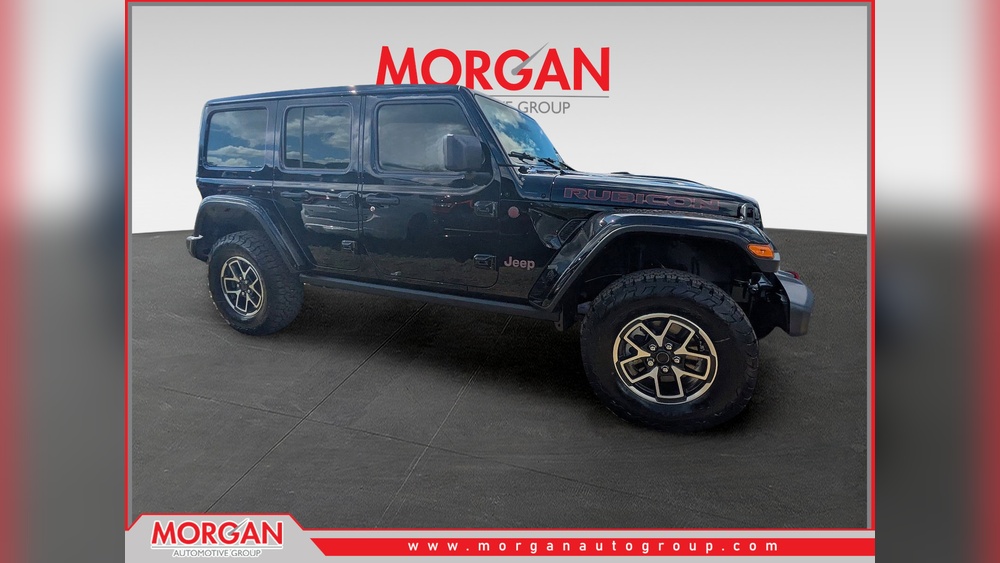
Most YJ Wranglers (1987–1995) had a 5-speed manual. However, Jeep did offer a 3-speed automatic as an option.
It was not common, and many buyers still preferred manual. The automatic was mostly chosen by people who used their Wrangler for city driving instead of off-roading.
When Automatics Became More Popular
The big change happened with the TJ generation (1997–2006). Jeep started to see more drivers wanting automatics. The TJ Wrangler offered a 3-speed automatic, and later, a 4-speed automatic. As more people used Wranglers as daily drivers, automatics became more popular.
Here’s a quick comparison of transmission options by generation:
| Generation | Years | Manual Transmission | Automatic Transmission |
|---|---|---|---|
| YJ | 1987–1995 | 5-speed | 3-speed (optional) |
| TJ | 1997–2006 | 5/6-speed | 3/4-speed (optional) |
| JK | 2007–2018 | 6-speed | 4/5-speed |
| JL | 2018–present | 6-speed | 8-speed |
By the time the JK generation launched in 2007, automatics were common. Many buyers chose the 4-speed automatic, and in later years, a 5-speed automatic. The JK Wrangler was a turning point, showing that automatics were no longer rare in the Jeep world.
Advantages Of Automatic Wranglers
Wrangler automatics offer several benefits:
- Ease of use: Automatics are simpler for city and highway driving.
- Better for traffic: No need to shift gears constantly.
- Modern technology: New automatics have more gears, making driving smoother.
- Resale value: Many buyers now prefer automatics, so they can increase resale value.
The JL generation (2018–present) brought an 8-speed automatic. This transmission is efficient, fast, and makes the Wrangler feel more modern. It’s a big improvement over older automatics, which were slower and less fuel-efficient.
Comparing Manual Vs Automatic Wranglers
Choosing between manual and automatic depends on your needs. Here’s a direct comparison:
| Feature | Manual | Automatic |
|---|---|---|
| Control | More control on trails | Easy, smooth for city |
| Maintenance | Cheaper to fix | Can be more costly |
| Popularity | Less common today | Most buyers prefer |
| Fuel efficiency | Varies | Improved in new models |
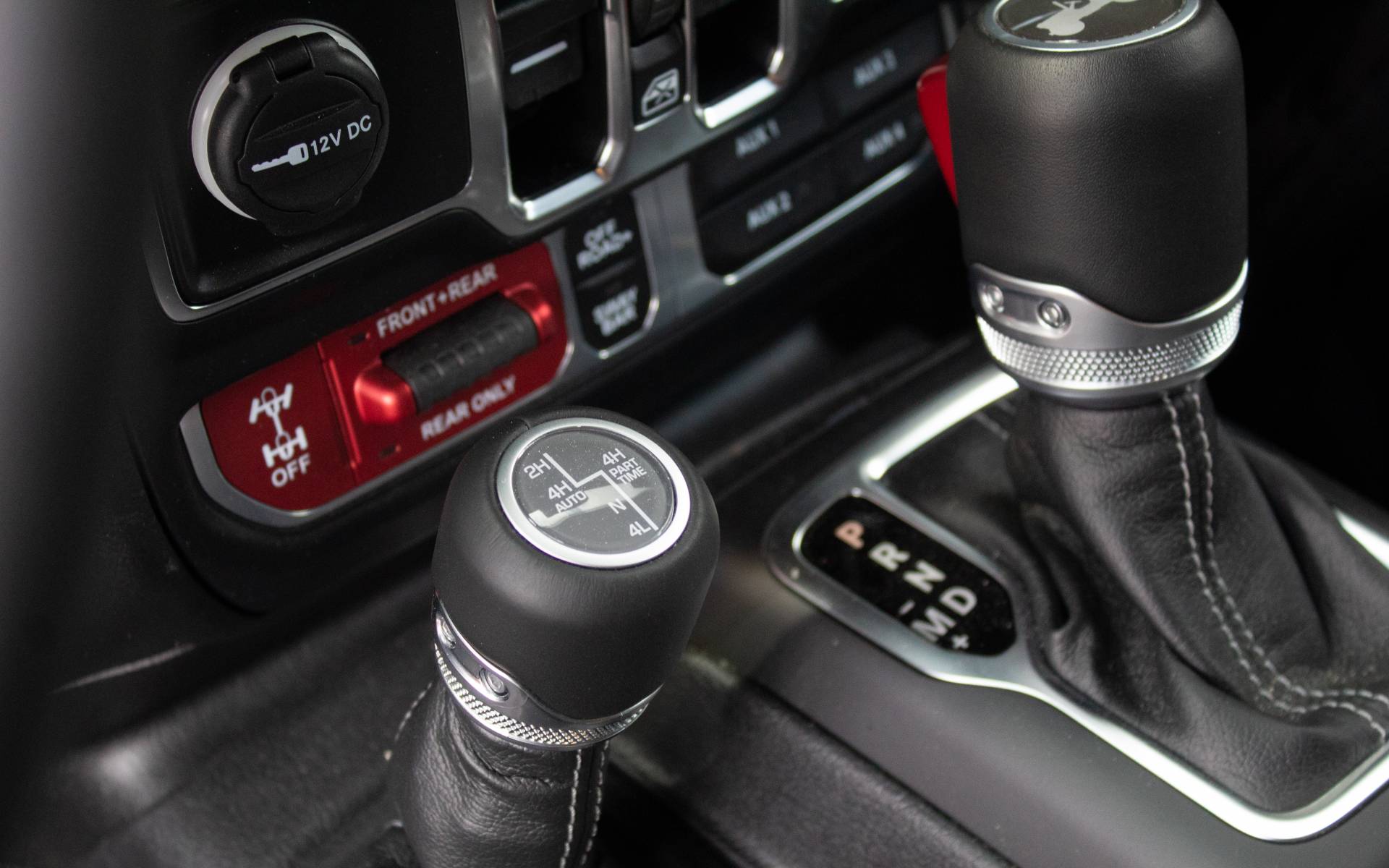
A non-obvious insight: Many beginners think automatics are less capable off-road. In reality, modern automatics have features like hill descent control and manual mode. These make them very capable on rough terrain. Also, automatics are better for drivers with physical limitations or those who drive mostly in traffic.
Key Dates For Automatic Jeep Wranglers
To answer the main question: Jeep Wranglers became automatic as early as 1987, but automatics were not common until the late 1990s and 2000s. Here’s a timeline:
- 1987: First YJ Wrangler offered optional 3-speed automatic.
- 1997: TJ Wrangler continued with automatics, and more buyers started choosing them.
- 2007: JK Wrangler made automatics the main choice for most buyers.
- 2018: JL Wrangler introduced advanced 8-speed automatic.
Most people today buy Wranglers with automatics. Manuals are still available but are now rare, especially in newer models.
Technical Improvements In Automatic Transmissions
Early automatics were basic and slow. The newest automatics are very advanced. For example, the JL’s 8-speed automatic uses electronic controls for quick shifting. It also improves fuel economy and makes towing easier. Here’s a look at how automatics have improved:
| Year | Type | Key Features |
|---|---|---|
| 1987 | 3-speed | Basic, slow, less efficient |
| 2007 | 4/5-speed | Better for highway, improved reliability |
| 2018 | 8-speed | Fast shifts, manual mode, fuel saving |
Another non-obvious insight: With newer automatics, you can manually shift gears for more control. This is great for off-roading, and many drivers don’t realize it’s possible.
What To Consider When Buying
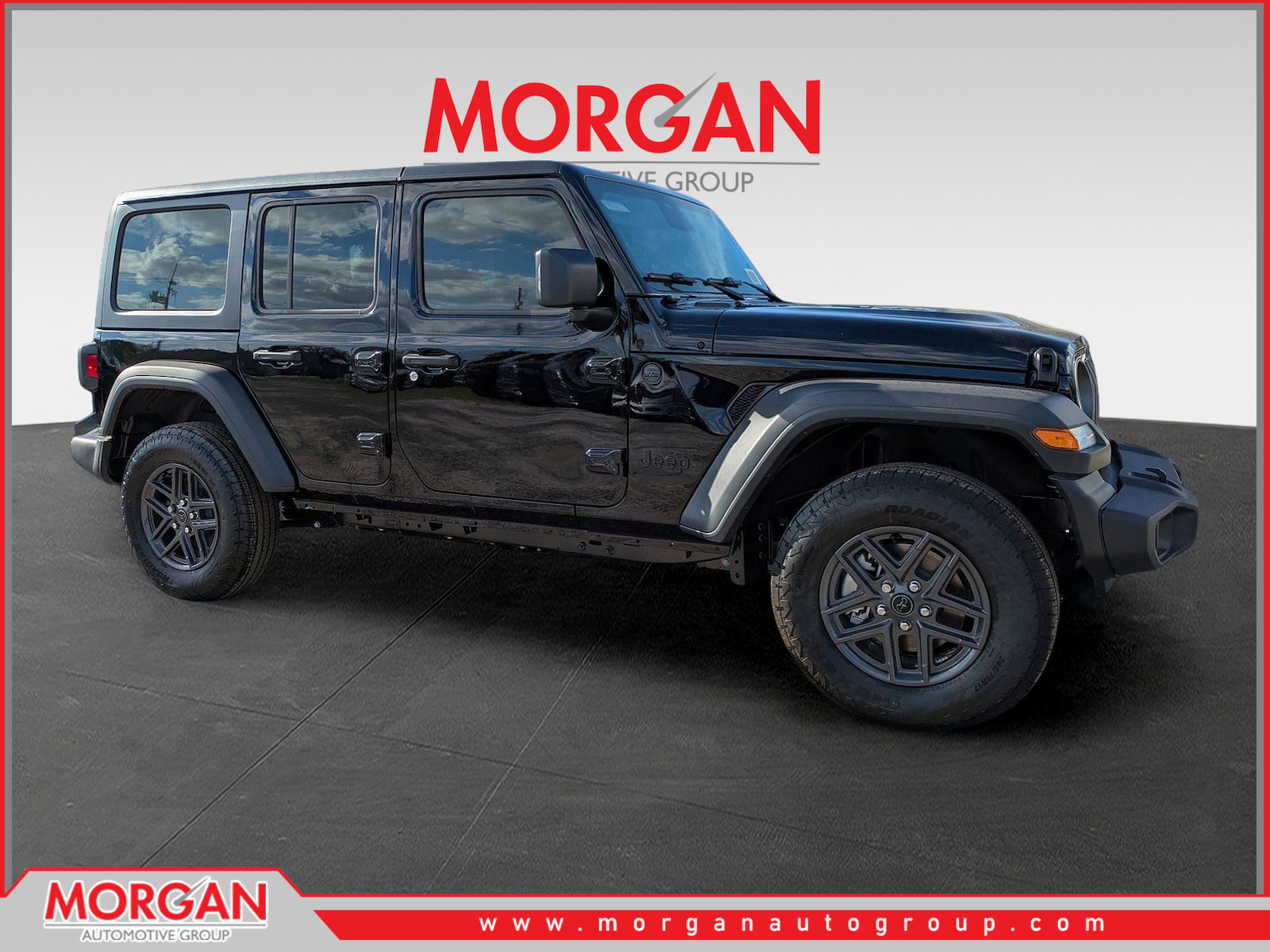
If you’re buying a used Wrangler, check which transmission it has. Older automatics (before 2007) may feel slow and use more fuel.
Newer automatics are much better for everyday use. Manuals are fun for off-roading but require more skill.
Also, check service history for transmission problems, as repairs can be expensive.
Frequently Asked Questions