The Jeep Wrangler is one of America’s most famous off-road vehicles. Over decades, it has evolved with new engines, better safety, and smarter technology. One big change in its history was the move from carburetors to fuel injection. This upgrade improved power, reliability, and fuel economy. But when exactly did the Jeep Wrangler make this switch? Let’s dive into the timeline, see why it mattered, and explore how it changed the Wrangler experience.
Jeep Wrangler Engine Technology In The 1980s
The original Jeep Wrangler, known as the YJ, arrived in 1986 for the 1987 model year. Early YJs used two main engines:
- 2.5L AMC inline-4
- 4.2L AMC inline-6
Both engines were carbureted at first. Carburetors were common in older cars, mixing air and fuel mechanically. While simple, carburetors struggled with emissions, cold starts, and fuel efficiency. By the mid-1980s, most automakers were moving toward fuel injection for better performance and cleaner exhaust.
When Did Fuel Injection Arrive On The Wrangler?
The First Fuel-injected Wrangler
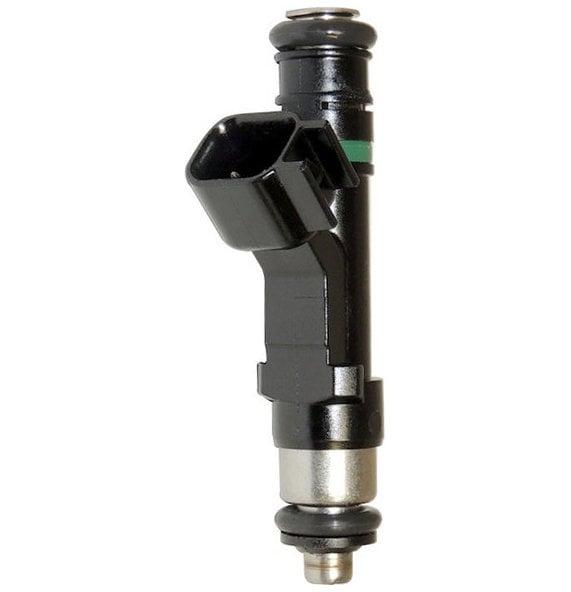
The Jeep Wrangler got fuel injection in 1991. That year, Jeep replaced the old 4.2L carbureted inline-6 with a new 4.0L inline-6 engine using multi-point fuel injection (MPI). This was a major step forward. The 2.5L four-cylinder engine kept its carburetor for one more year, but in 1991, it also switched to throttle body injection (TBI).
Here’s a simple breakdown:
| Model Year | Engine | Fuel System |
|---|---|---|
| 1987–1990 | 2.5L I4 | Carbureted |
| 1987–1990 | 4.2L I6 | Carbureted |
| 1991 | 2.5L I4 | Throttle Body Injection |
| 1991–1995 | 4.0L I6 | Multi-Point Fuel Injection |
Key point: All 1991 Jeep Wranglers had some form of fuel injection.
Why The Switch Happened
The late 1980s and early 1990s brought new emissions rules in the US. Carburetors could not meet these standards easily. Fuel injection allowed for better control of the air-fuel mix, leading to:
- Lower emissions
- Better fuel economy
- Easier cold starts
- Improved engine power
For Jeep, this was also a chance to refresh the Wrangler’s reputation as a reliable, modern vehicle.
How Did Fuel Injection Change The Wrangler?
Performance And Reliability
Fuel injection made a real difference in how the Wrangler drove. The new 4.0L fuel-injected engine produced more horsepower and torque than the old 4.2L. Here’s a comparison:
| Engine | Year | Horsepower | Torque (lb-ft) |
|---|---|---|---|
| 4.2L I6 (Carbureted) | 1987–1990 | 112 hp | 210 lb-ft |
| 4.0L I6 (MPI) | 1991–1995 | 180 hp | 220 lb-ft |
The jump in horsepower was especially noticeable. The Wrangler became quicker on the road, better for towing, and more fun off-road.
Fuel injection also meant fewer issues with stalling or rough idling, especially at high altitudes or in cold weather.
Maintenance And Driving Experience
With fuel injection, there were fewer parts to adjust. Owners no longer had to worry about tuning carburetors or dealing with “vapor lock” in hot weather. The fuel system adjusted itself for different conditions, making the Jeep easier to start and more reliable.
However, one non-obvious point is that early fuel injection systems were simpler than today’s computers. Some DIY mechanics find them easier to repair than modern, highly electronic systems.
Aftermarket And Modifications
A big benefit of fuel injection is the ease of upgrades. Owners could add performance chips, cold air intakes, or even turbochargers more easily.
The system’s ability to adjust air and fuel mixtures gave more freedom for modifications than carbureted engines.
How The Change Affected Jeep’s Future
The 1991 move to fuel injection set the stage for all future Wranglers. Every model since then—TJ (1997–2006), JK (2007–2018), and JL (2018–present)—has used some form of electronic fuel injection.
This change also helped Jeep meet stricter emissions standards and paved the way for new features like onboard diagnostics and better fuel efficiency. As a result, Wranglers became easier to own, drive, and repair for most people.
Common Myths About Jeep Wrangler Fuel Injection
Some myths still float around about when Wranglers got fuel injection. For example, some people believe only the six-cylinder models got it, but both engines changed in 1991.
Others think fuel injection was only on newer models, but it’s been a Wrangler feature for over 30 years now.
Another detail beginners often miss: not all fuel injections are the same. The 1991 2.5L four-cylinder used throttle body injection, which is less advanced than the six-cylinder’s multi-point injection. Multi-point systems offer better performance and efficiency.
Is A Fuel-injected Wrangler Better For You?
If you’re looking at buying an older Wrangler, knowing which models have fuel injection is key. Fuel-injected engines generally:
- Start more reliably
- Need less frequent tuning
- Offer better power and gas mileage
But some purists prefer carbureted engines for their simplicity and easy field repairs. It depends on your style and how much you value modern convenience.
For more technical details and Jeep Wrangler history, visit the official Jeep Wrangler Wikipedia page.
Frequently Asked Questions
When Did The Jeep Wrangler Switch From Carburetors To Fuel Injection?
The Wrangler switched to fuel injection in 1991. Both the 4.0L inline-6 and the 2.5L inline-4 received fuel injection that year, ending the use of carburetors in all Wrangler models.
What Type Of Fuel Injection Did The 1991 Jeep Wrangler Use?
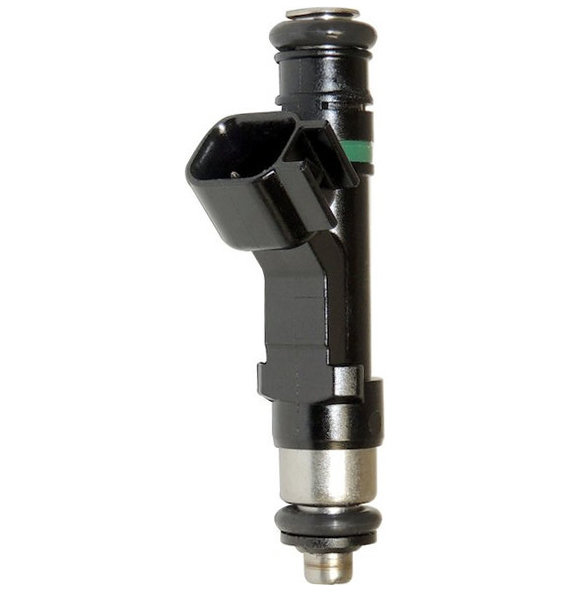
The 4.0L six-cylinder engine got multi-point fuel injection (MPI), while the 2.5L four-cylinder used throttle body injection (TBI). MPI is more advanced and delivers fuel directly to each cylinder.
How Can I Tell If My Jeep Wrangler Has Fuel Injection?
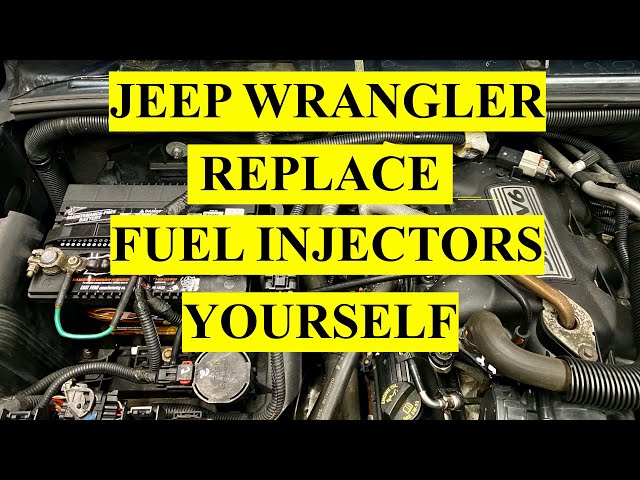
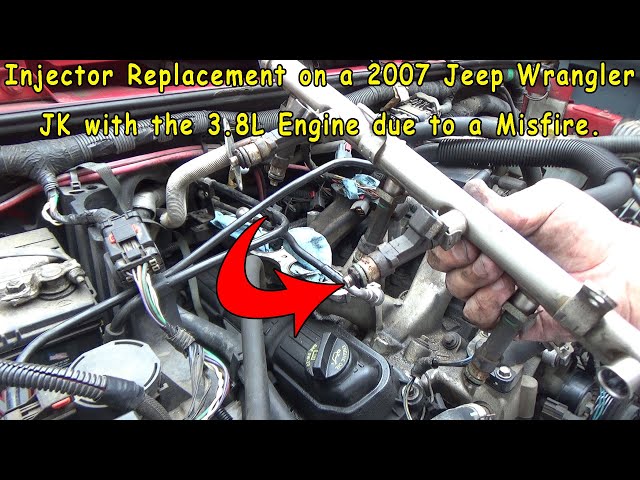
Check the engine’s build year. If your Wrangler is 1991 or newer, it has some form of fuel injection. You can also look for fuel injectors and wiring on the intake manifold—carbureted engines have a simpler air intake.
Is A Fuel-injected Wrangler More Reliable Than A Carbureted One?
Yes, fuel-injected Wranglers are generally more reliable. They handle weather changes better, need less tuning, and start easier in cold or high-altitude conditions.
Are There Any Downsides To Fuel Injection In Older Wranglers?
Early fuel injection systems are more complex than carburetors, making DIY repairs a bit harder for some. However, most owners find the benefits of power, reliability, and efficiency outweigh these challenges.
The move to fuel injection in 1991 was a turning point for the Jeep Wrangler. It made the vehicle smarter, stronger, and more dependable for drivers everywhere.
Whether you love classic simplicity or modern performance, understanding this change helps you appreciate the Wrangler’s journey.


















