The Jeep Wrangler is one of America’s most iconic vehicles. Known for its rugged design and off-road abilities, the Wrangler has gone through many changes since its launch in 1986.
One area that often sparks questions is its engine. Jeep has updated the Wrangler’s engine several times, bringing new technology, performance, and efficiency.
Understanding when these changes happened—and why—helps buyers and fans know what to expect from each generation.
Jeep Wrangler Engine Evolution
The Wrangler’s engine history is a mix of tradition and innovation. Early models kept things simple, but modern Wranglers offer a wide range of options.
1986–1995: Yj Generation
The first Jeep Wrangler YJ debuted in 1986. It came with:
- 2.5L inline-4 (117 hp)
- 4.2L inline-6 (112 hp, later replaced)
In 1991, Jeep introduced the 4.0L inline-6 (180 hp), which gave the Wrangler more power and reliability. This change marked a big step forward for off-road enthusiasts.
1997–2006: Tj Generation
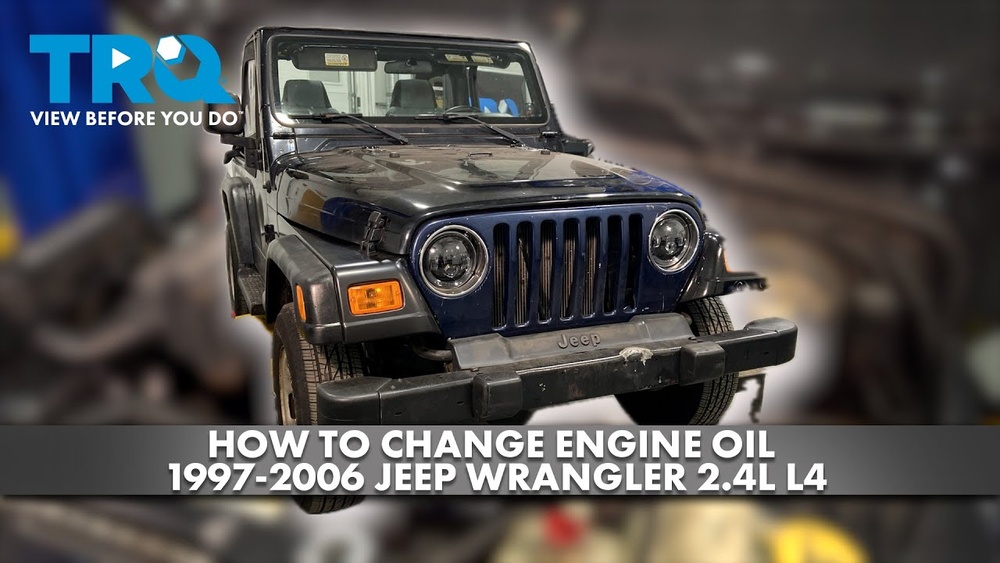
The TJ Wrangler arrived in 1997. It continued with the 2.5L inline-4 and 4.0L inline-6 but improved both engines for smoother performance. The TJ dropped the carburetor for fuel injection, making the engines more efficient and easier to maintain.
2007–2017: Jk Generation
A major shift happened in 2007 with the JK Wrangler:
- 3.8L V6 (202 hp) replaced the inline-6, ending an era.
- 2.8L diesel (outside US) was available in some markets.
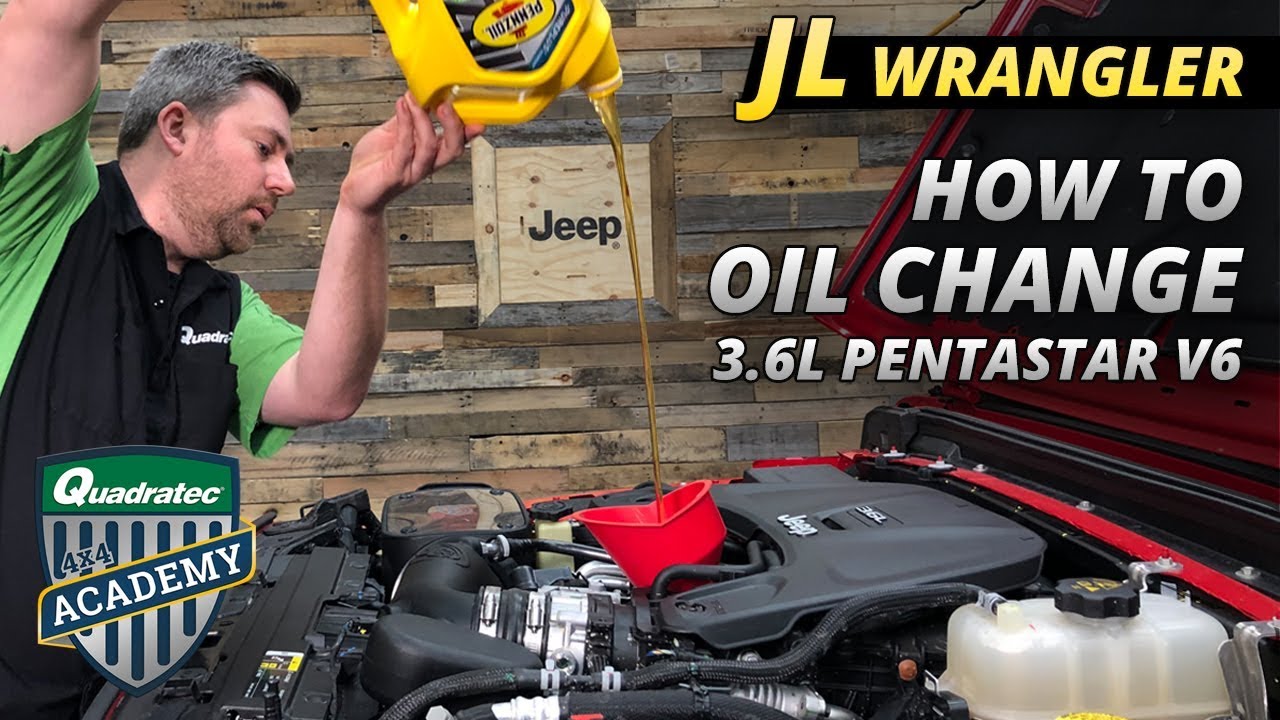
In 2012, Jeep swapped the 3.8L V6 for the 3.6L Pentastar V6 (285 hp), boosting horsepower and fuel efficiency. This change was a response to drivers wanting more modern engines with better performance and lower emissions.
2018–present: Jl Generation
The latest JL Wrangler started in 2018. Jeep expanded its engine options:
- 3.6L Pentastar V6 (285 hp, still popular)
- 2.0L turbocharged inline-4 (270 hp) for better fuel economy
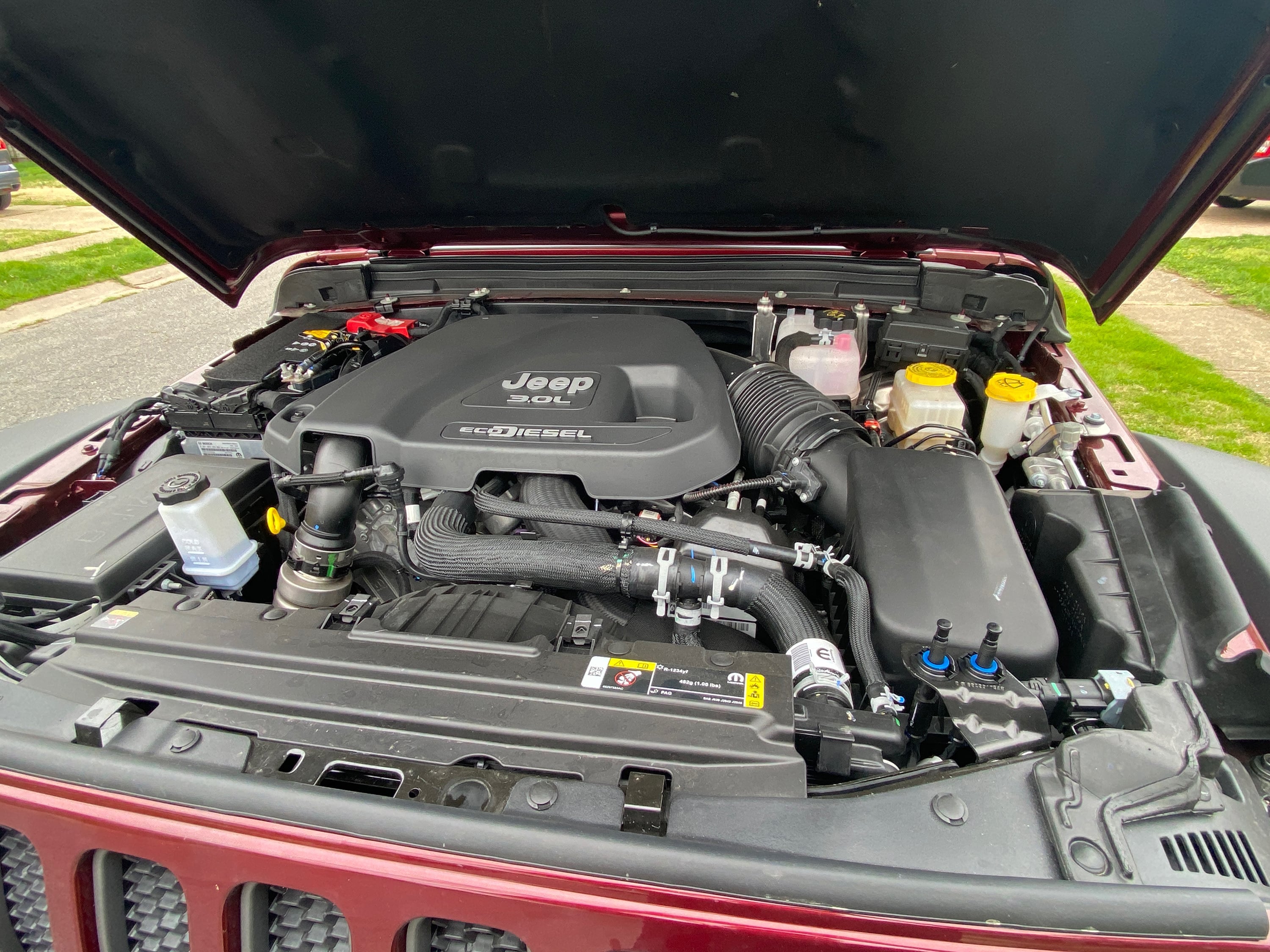
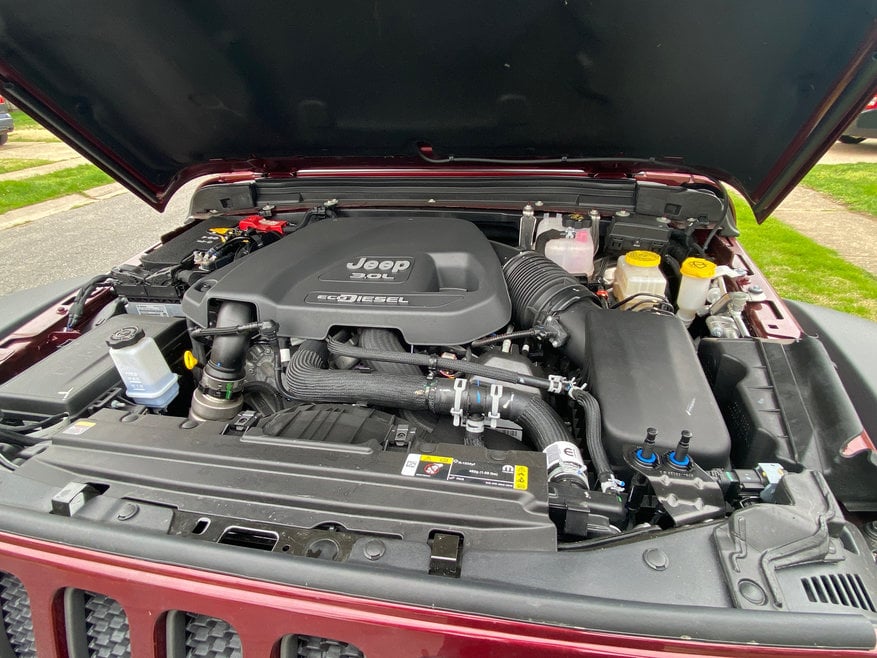
- 3.0L EcoDiesel V6 (260 hp, high torque)
- 6.4L V8 (392 hp) for the Rubicon 392 model
This generation also included a plug-in hybrid (4xe), showing Jeep’s commitment to greener technology.
Key Engine Change Years
To make things clearer, here’s a summary of the most important engine changes:
| Year | Wrangler Model | Engine Change |
|---|---|---|
| 1991 | YJ | Introduced 4.0L inline-6 |
| 1997 | TJ | Added fuel injection |
| 2007 | JK | Switched to 3.8L V6 |
| 2012 | JK | Upgraded to 3.6L Pentastar V6 |
| 2018 | JL | Expanded engine choices (turbo, diesel, V8, hybrid) |
Comparing Jeep Wrangler Engines
Each engine brought new strengths. Let’s compare the most popular Wrangler engines by horsepower and torque:
| Engine | Years | Horsepower | Torque (lb-ft) |
|---|---|---|---|
| 4.0L inline-6 | 1991–2006 | 180 | 220 |
| 3.8L V6 | 2007–2011 | 202 | 237 |
| 3.6L Pentastar V6 | 2012–present | 285 | 260 |
| 2.0L Turbo I4 | 2018–present | 270 | 295 |
| 6.4L V8 | 2021–present | 392 | 470 |
Why Jeep Changed Wrangler Engines
The Wrangler’s engine updates were driven by:
- Performance Needs: Off-road drivers wanted more power and torque.
- Fuel Efficiency: Regulations pushed Jeep to create engines with better gas mileage.
- Emissions Rules: Stricter laws forced Jeep to retire older engines and develop cleaner ones.
- Technology Advances: Newer engines use fuel injection, turbocharging, and hybrid systems.
- Market Demands: People wanted more choices—diesel, turbo, hybrid, and even high-powered V8s.
One insight often missed is that Jeep’s engine changes were not only about power. For example, the move to fuel injection in the TJ made the Wrangler more reliable in cold weather and high altitudes—something off-roaders appreciated.
Another overlooked point: the introduction of the 2.0L turbo engine in 2018 was to attract city drivers who wanted better fuel economy without losing performance. This shift helped the Wrangler appeal to a wider audience.
Real-world Impact For Buyers
If you’re shopping for a used or new Wrangler, engine changes matter. Here’s what you need to know:
- Older engines (like the 4.0L inline-6) are simple and tough but less fuel-efficient.
- Pentastar V6 is modern, reliable, and offers more power.
- Turbo I4 gives better gas mileage, but some drivers say it’s less “Jeep-like.”
- Diesel is great for towing and torque, but costs more.
- V8 is rare and expensive but delivers serious speed.
Many buyers mistakenly think all Wranglers have similar engines. In reality, each generation brings different strengths.
Always check the year and engine type before buying.
Engine Changes And Off-road Performance
Wrangler fans care deeply about off-road capability. Engine swaps affected:
- Low-end torque: Important for climbing and crawling.
- Reliability: Older engines are easier to fix in remote places.
- Aftermarket upgrades: Some engines offer more choices for tuning.
For example, the 4.0L inline-6 is legendary for its durability, while the Pentastar V6 is smoother but relies more on electronics.
Choosing The Best Jeep Wrangler Engine
Selecting the right engine depends on your needs:
- Off-road adventure: 4.0L inline-6 or Pentastar V6.
- Daily driving: 2.0L turbo or Pentastar V6.
- Heavy towing: EcoDiesel V6.
- Maximum power: 6.4L V8 (Rubicon 392).
- Green driving: 4xe hybrid.
Check maintenance costs, fuel economy, and how you’ll use your Wrangler. Don’t just pick the biggest engine; match it to your lifestyle.
Frequently Asked Questions
<!– wp:rank-math/faq-block {"questions":[{"id":"faq-question-59f4abc14b00","title":"When Did Jeep Wrangler Stop Using The 4.0l Inline-6 Engine?","content":"Jeep stopped using the 4.0L inline-6 after the 2006 model year. The JK generation introduced the V6 in 2007.
“,”visible”:true},{“id”:”faq-question-9b08c649ed53″,”title”:”What Year Did The Pentastar V6 Engine Appear In The Wrangler?”,”content”:”The Pentastar V6 first appeared in the 2012 Wrangler JK, replacing the older 3.8L V6.
“,”visible”:true},{“id”:”faq-question-47666f511114″,”title”:”Is The 2.0l Turbo Engine Reliable For Off-roading?”,”content”:”The 2.0L turbo is reliable and offers strong torque, but some off-roaders prefer the V6 for its proven track record and easier maintenance.
“,”visible”:true},{“id”:”faq-question-cc40dc171e12″,”title”:”Which Wrangler Engine Is Best For Towing?”,”content”:”The 3.0L EcoDiesel V6 offers the highest torque and is best for towing heavy loads.
“,”visible”:true},{“id”:”faq-question-dedb08938f8d”,”title”:”Where Can I Find More Detailed Wrangler Engine Specs?”,”content”:”You can find full specs and history at the official Jeep website.
The Jeep Wrangler’s engine history shows how the brand adapts to changing needs. From simple inline engines to modern hybrids and V8s, each change brought something new.
Knowing when and why these engine swaps happened helps you choose the right Wrangler for your adventures.
“,”visible”:true}]} –>When Did Jeep Wrangler Stop Using The 4.0l Inline-6 Engine?
Jeep stopped using the 4.0L inline-6 after the 2006 model year. The JK generation introduced the V6 in 2007.
What Year Did The Pentastar V6 Engine Appear In The Wrangler?
The Pentastar V6 first appeared in the 2012 Wrangler JK, replacing the older 3.8L V6.
Is The 2.0l Turbo Engine Reliable For Off-roading?
The 2.0L turbo is reliable and offers strong torque, but some off-roaders prefer the V6 for its proven track record and easier maintenance.
Which Wrangler Engine Is Best For Towing?
The 3.0L EcoDiesel V6 offers the highest torque and is best for towing heavy loads.
Where Can I Find More Detailed Wrangler Engine Specs?
You can find full specs and history at the official Jeep website.
The Jeep Wrangler’s engine history shows how the brand adapts to changing needs. From simple inline engines to modern hybrids and V8s, each change brought something new.
Knowing when and why these engine swaps happened helps you choose the right Wrangler for your adventures.