The Jeep Wrangler is one of the most recognized vehicles in the world. Its rugged look and off-road abilities have built a strong fan base. But the Wrangler’s body style hasn’t stayed the same. Over the years, Jeep has changed the design to match new needs, safety rules, and trends. If you’re curious about when these changes happened, or what they looked like, you’re in the right place. This article breaks down the key moments when the Jeep Wrangler body style changed, using clear facts, easy comparisons, and helpful details.
Jeep Wrangler Generations: When Did The Body Style Change?
The Jeep Wrangler first appeared in 1986, replacing the Jeep CJ series. Since then, Jeep has released several generations, each with a new body style. Let’s look at the main changes, why they happened, and what they meant for drivers.
Yj (1987–1995): The First Wrangler
The first Wrangler, called the YJ, arrived in 1987. It looked different from the CJ, mainly because of its square headlights. Jeep chose this design to give the Wrangler a modern look. The YJ kept the classic Jeep grille and boxy shape, but added a wider track and lower stance for better stability.

Tj (1997–2006): A Return To Round Headlights
In 1997, Jeep introduced the TJ Wrangler. The biggest change was the return to round headlights, a move that pleased many fans. The TJ also brought coil spring suspension instead of leaf springs. This improved ride comfort and off-road performance. The body stayed boxy, but the lines became softer and more refined.
Jk (2007–2017): Bigger And More Options
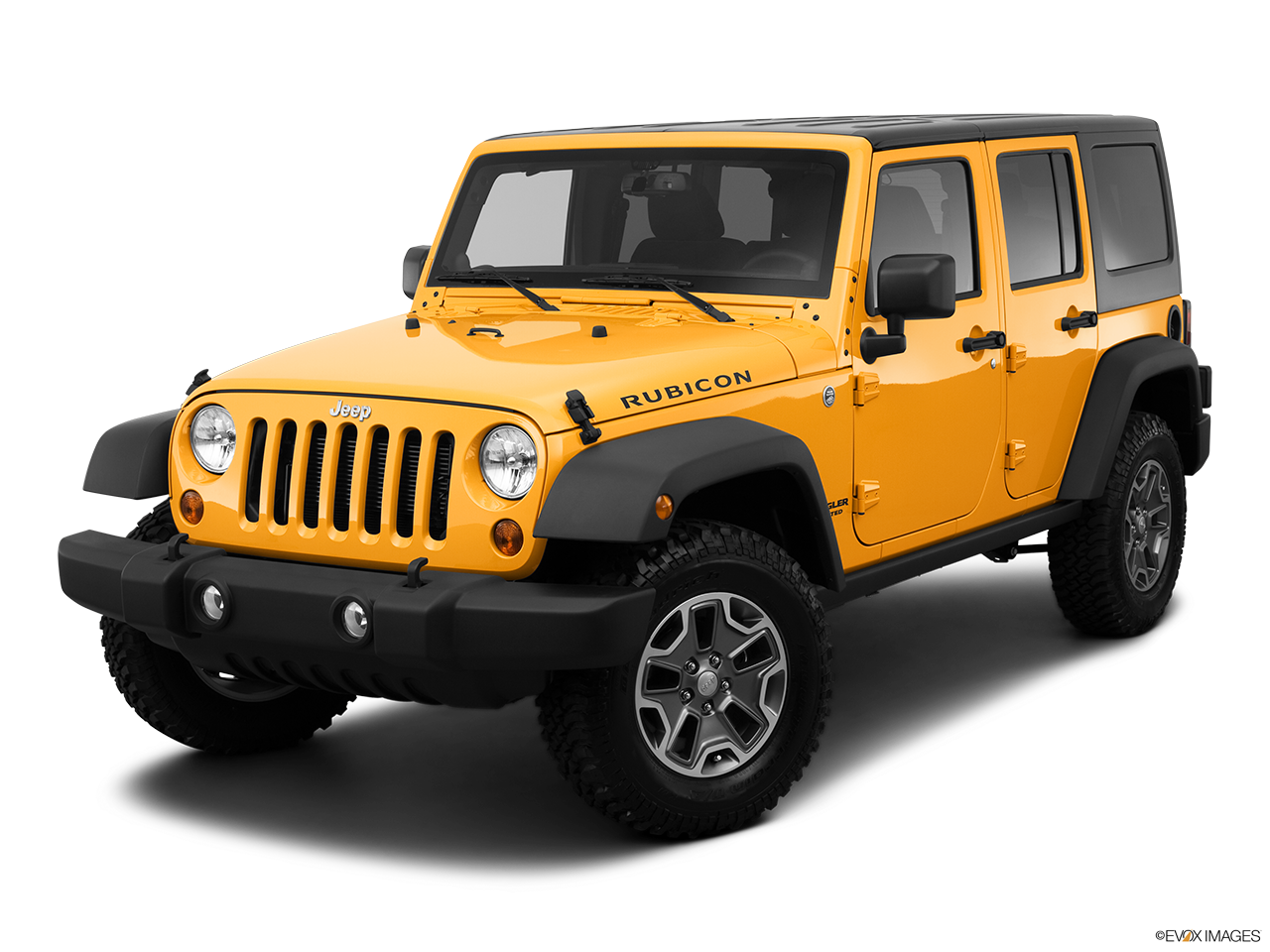
The JK generation started in 2007. Jeep made the Wrangler larger, with more interior space and new technology. The body style became wider and taller. For the first time, Jeep offered a four-door model (Wrangler Unlimited), which attracted families and daily drivers. The JK kept the classic grille and fender flares, but added smoother curves.
Jl (2018–present): Modern And Efficient
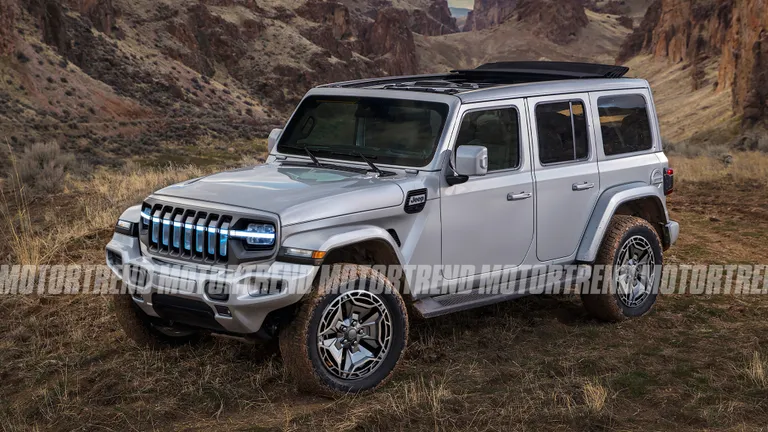
The JL Wrangler debuted in late 2017 for the 2018 model year. This change brought a more modern look, with lighter materials and improved aerodynamics. The JL kept the iconic shape, but introduced new hood vents, LED lights, and a more sloped windshield. The body also became easier to remove and customize, with doors and roof panels that were simpler to handle.
Key Body Style Changes Compared
It’s helpful to compare the main Wrangler generations side-by-side. Here’s a quick look at their differences:
| Generation | Years | Headlights | Main Body Change |
|---|---|---|---|
| YJ | 1987–1995 | Square | Wider track, lower stance |
| TJ | 1997–2006 | Round | Coil springs, softer lines |
| JK | 2007–2017 | Round | Bigger, four-door option |
| JL | 2018–Present | Round (LED optional) | Modern design, easier customization |

Why Did Jeep Change The Wrangler Body Style?
Jeep changed the Wrangler’s body style for several reasons:
- Safety laws: New rules required better crash protection, especially for rollovers.
- Comfort demands: Drivers wanted smoother rides and more interior space.
- Market trends: Families and daily commuters became interested, not just off-road fans.
- Technology updates: Features like navigation, air conditioning, and improved engines needed redesigns.
- Customization: Jeep noticed that people like to modify their Wranglers, so newer models made this easier.
One insight many beginners miss is that changes weren’t just about looks. For example, the switch from leaf springs to coil springs in the TJ meant much better handling and ride comfort. Another less obvious fact: the four-door JK model almost doubled Wrangler sales, because it appealed to a broader audience.
The Impact Of Body Style Changes
Changing the Wrangler’s body style affected many things:
- Performance: New suspensions improved both off-road and highway driving.
- Safety: Stronger frames and better roll bars saved lives.
- Popularity: The four-door Unlimited brought new buyers who had never considered a Wrangler before.
- Resale value: Older Wranglers, especially rare body styles, often hold their value well.
Here’s how each generation improved:
| Generation | Ride Comfort | Off-road Ability | Safety |
|---|---|---|---|
| YJ | Basic | Good | Limited |
| TJ | Better | Excellent | Improved |
| JK | Much better | Excellent | Modern |
| JL | Best yet | Outstanding | Advanced |
Common Mistakes When Researching Wrangler Body Styles
Many people mix up the Wrangler generations or confuse them with the older CJ series. Here are some mistakes to avoid:
- Thinking all Wranglers have round headlights (the YJ had square).
- Believing the four-door model always existed (it started with the JK).
- Assuming every body style change was just cosmetic (many changes were for safety or comfort).
- Overlooking the TJ’s impact (it quietly made the Wrangler much more comfortable).
If you’re shopping for a used Wrangler, pay attention to the generation and body style. Older models may look similar, but drive very differently.
How To Identify Wrangler Body Styles
If you see a Wrangler and want to know its generation, look for these features:
- Headlights: Square means YJ, round means TJ, JK, or JL.
- Number of doors: Four doors means JK or JL.
- Grille shape: Subtle changes mark each generation.
- Interior features: Modern screens and controls usually mean JL.
Small details can help, too. For example, the JL often has LED running lights on the fenders, while JKs have simpler lights.
Frequently Asked Questions
What Year Did Jeep Wrangler Switch From Square To Round Headlights?
The Wrangler switched from square headlights (YJ) to round headlights with the TJ generation in 1997.
When Was The Four-door Wrangler Introduced?
The first four-door Wrangler (Wrangler Unlimited) appeared with the JK generation in 2007.
How Can I Tell A Jk From A Jl Wrangler?
JK Wranglers (2007–2017) have more angular fenders and older interior tech. JL Wranglers (2018–present) feature LED lighting, a sloped windshield, and modern infotainment.
Is The Current Wrangler Body Style More Aerodynamic?
Yes, the JL generation introduced a more sloped windshield and smoother panels, making it more aerodynamic and efficient.
Where Can I Learn More About Jeep Wrangler History?
You can read detailed history on the official Jeep website: Wikipedia.
The Jeep Wrangler’s body style has changed several times, each update bringing better comfort, safety, and options. If you’re a fan or a buyer, knowing these changes helps you find the right model for your needs.
Wrangler’s design will likely keep evolving, but its iconic look and spirit will always remain.