Jeep’s iconic inline engines powered countless adventures for decades. Whether you remember the smooth hum of the straight-six or just want to know why and when it disappeared, you’re not alone.
Many Jeep fans still debate when Jeep stopped using the inline engine and why it mattered.
Let’s dig into the history, the reasons behind the change, and what it means for Jeep’s future.
The Legacy Of Jeep’s Inline Engines
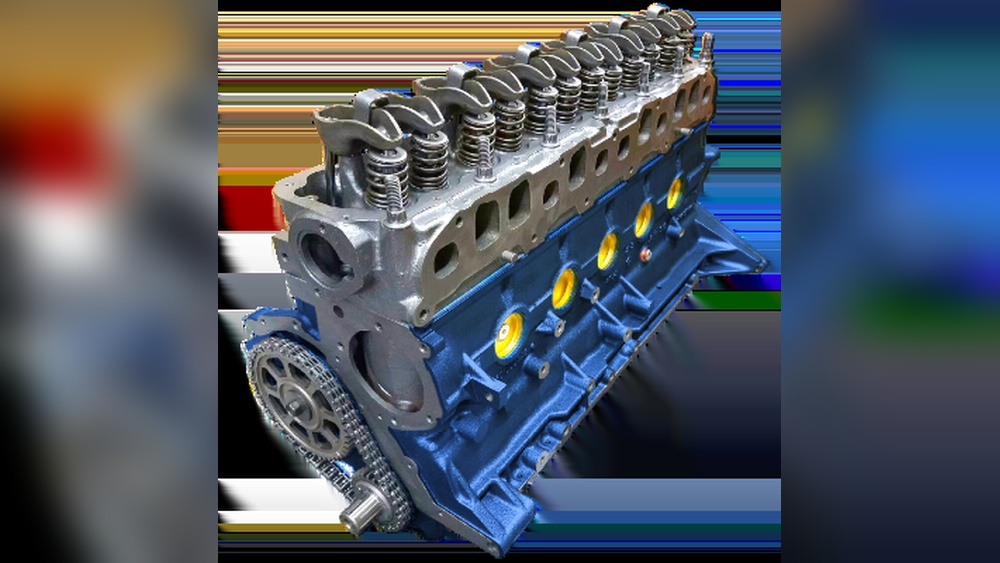
For much of its history, Jeep relied on inline engines, especially the inline-six. This engine design places all cylinders in a straight line, creating a balance that many mechanics and enthusiasts appreciate. The most famous was the 4.0L inline-six, introduced in 1986. This engine became a Jeep legend, known for:
- Strong torque at low RPMs—great for off-roading.
- Reliability: Many 4.0L engines lasted over 200,000 miles with basic care.
- Simplicity: Easy to repair and maintain.
The inline-six powered beloved models like the Cherokee XJ, Grand Cherokee ZJ/WJ, and the Wrangler TJ.
When Did Jeep Stop Using The Inline Engine?
Jeep’s use of the inline engine ended in the 2006 model year. The final production vehicles with the 4.0L inline-six rolled off the line in mid-2006. After that, Jeep replaced the inline with V6 engines.
Here’s a look at the final years of the Jeep inline-six:
| Model | Last Year with Inline Engine | Replacement Engine |
|---|---|---|
| Jeep Wrangler (TJ) | 2006 | 3.8L V6 |
| Jeep Grand Cherokee (WJ) | 2004 | 3.7L V6 |
| Jeep Cherokee (XJ, China) | 2006 | 2.4L I4 |
While the Jeep Wrangler TJ was the last North American Jeep with the inline-six, the engine saw a brief continuation in China’s Cherokee production. Globally, by the end of 2006, Jeep phased out the inline engine completely.
Why Did Jeep Move Away From The Inline Engine?
Several factors pushed Jeep to retire the inline engine.
Emissions And Regulations
By the early 2000s, governments demanded lower emissions. The inline-six, designed in the 1980s, struggled to meet these new standards. Updating it would be expensive.
Fuel Efficiency
Consumers wanted better gas mileage. The inline-six, while reliable, was not as fuel-efficient as newer V6 engines. Car buyers cared more about miles per gallon as gas prices rose.
Packaging And Design
Vehicle design trends shifted. The inline engine is long, making it tough to fit in modern engine bays. V6 engines are shorter and fit better with front-wheel drive or all-wheel drive layouts.
Cost And Production
Manufacturing V6 engines alongside other Chrysler vehicles saved money. Sharing engines across models became a priority for Jeep’s parent company.
Inline Vs. V6: What Changed?
Switching to V6 engines brought both advantages and trade-offs. Here’s a quick comparison:
| Feature | Inline-Six | V6 |
|---|---|---|
| Smoothness | Very smooth, less vibration | Good, but sometimes less smooth |
| Torque | Strong at low RPM | Often needs higher RPM |
| Engine Size | Long, hard to fit in small bays | Compact, fits modern designs |
| Fuel Economy | Lower | Better |
| Maintenance | Easy, simple design | Can be more complex |
A non-obvious insight: Inline engines have better natural balance. That means less engine wear and a longer lifespan with fewer moving parts. But modern V6 engines offer better emissions and fuel economy, which matters more in today’s market.
How Did Fans React?
Many Jeep fans were disappointed when the inline-six ended. The engine’s reputation for reliability and off-road power made it a favorite. Some even argue that the 4.0L inline-six is one of the best engines Jeep ever made.
But not everyone missed it. The V6 offered smoother power delivery, lighter weight, and improved fuel economy. For daily drivers, these changes made sense.
One thing many people miss: the inline-six’s unique sound and easy repair. For hobbyists and off-roaders, these engines are still highly sought after in used Jeeps.
Did Jeep Ever Bring Back The Inline Engine?
Surprisingly, yes—sort of. In 2022, Jeep’s parent company Stellantis unveiled a new 3.0L turbocharged inline-six called the Hurricane. This modern engine powers some new Jeep models, like the Grand Wagoneer. However, it’s very different from the old 4.0L inline-six. It uses modern technology, direct injection, and twin turbos for high power and efficiency.
Here’s a quick look at the specs:
| Engine | Displacement | Horsepower | Torque |
|---|---|---|---|
| 4.0L Inline-Six | 4.0L | ~190 hp | 225 lb-ft |
| 3.0L Hurricane Inline-Six | 3.0L (Twin-Turbo) | ~500 hp (high output) | 475 lb-ft |
While the Hurricane is exciting, it’s not the same as the classic inline-six. It’s built for modern SUVs with advanced electronics and emissions controls.
The Inline Engine’s Place In Jeep’s History
The 4. 0L inline-six engine remains a beloved part of Jeep’s legacy.
Many older Jeeps with this engine are still running strong. Some owners even choose older models just for the inline-six.
Here’s what beginners often miss:
- Parts availability: The 4.0L has a huge aftermarket, making repairs and upgrades easy.
- Resale value: Old Jeeps with this engine often hold value better, especially with low mileage.
If you’re considering a used Jeep, knowing the engine’s history helps you make a smart choice.
For more on Jeep’s engine history, see the full timeline at Wikipedia.
Frequently Asked Questions
When Did The Jeep Inline-six Engine End In The Us?
The last US Jeep with the inline-six was the 2006 Wrangler TJ. After 2006, Jeep switched to V6 engines in all its US models.
Why Did Jeep Stop Making The Inline-six?
Jeep stopped because of new emissions laws, fuel economy demands, and cost-saving. V6 engines fit better in modern vehicles and met stricter standards.
Is The Jeep 4.0 Inline-six A Good Engine?
Yes, it is known for reliability and easy maintenance. Many engines last over 200,000 miles with proper care.
Can You Still Buy A New Jeep With An Inline Engine?
As of 2024, you can get the 3.0L Hurricane inline-six in some Jeep models, but it’s a modern, turbocharged engine—not the old 4.0L.
Are Used Jeeps With The 4.0l Inline-six Worth Buying?
Often yes, if well maintained. Check for rust, oil leaks, and regular service history before buying.
Jeep’s move from the inline engine marked the end of an era. But understanding this history helps buyers and fans appreciate what made these engines great and why Jeep had to change.