The Jeep brand is famous for its rugged SUVs, but many don’t know that its history with trucks goes back almost as far as the company itself. Jeep trucks have had a unique journey—sometimes leading the market, sometimes disappearing for years, and then making a striking comeback. If you’re curious about when Jeep started making trucks, how the models have evolved, and why they matter, this article gives you a clear, complete look.
The Early Days: Jeep’s First Truck Steps
Jeep’s roots are in World War II, with the Willys MB, the original military vehicle. After the war, Willys-Overland wanted to enter the civilian market. In 1947, Jeep released its first pickup, the Willys-Overland 4×4 Truck. This was only six years after the birth of the Jeep brand. The Willys truck was practical, simple, and tough—just what returning soldiers and farmers needed.
The 1947 Willys Jeep Truck had:
- A one-ton payload
- 4×4 capability
- A choice between flathead or “Hurricane” engines
This early Jeep truck stayed in production until 1965. It helped set the image of Jeep as not just an off-road brand, but also a work tool.
Jeep Truck Evolution: Key Models Through The Years
From that first Willys pickup, Jeep continued to develop trucks. Here’s how the lineup changed over time:
| Year | Model | Key Feature |
|---|---|---|
| 1947 | Willys Jeep Truck | First Jeep-branded pickup |
| 1962 | Gladiator | Full-size truck, advanced 4WD |
| 1981 | Scrambler (CJ-8) | Small pickup, removable top |
| 1986 | Comanche (MJ) | Mid-size, based on Cherokee |
| 2019 | Gladiator (JT) | Modern midsize, off-road focus |
1960s–1970s: The Gladiator Era
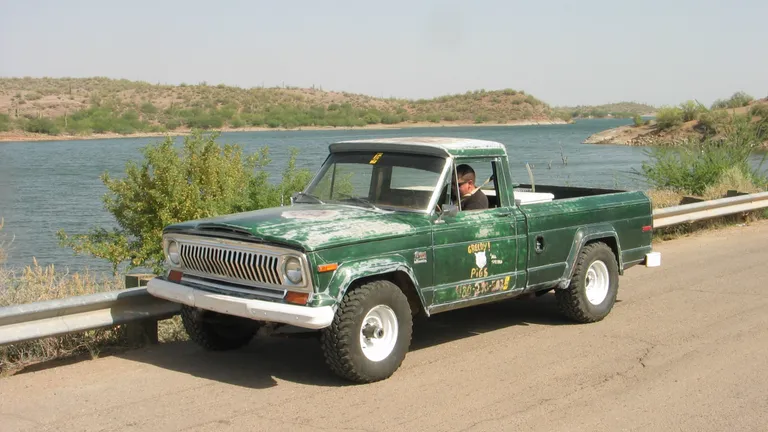
The Jeep Gladiator (J-Series) launched in 1962, based on the Wagoneer SUV. It was a true full-size truck and introduced features like independent front suspension (rare in trucks then). The Gladiator evolved into the J-Series and lasted until 1988, showing Jeep’s commitment to pickups.
1980s: Scrambler And Comanche
Jeep tried new ideas in the ‘80s. The CJ-8 Scrambler (1981–1986) was a longer version of the CJ-7, with a small pickup bed. It didn’t sell well at the time but is now highly valued by collectors.
In 1986, Jeep launched the Comanche (MJ). Unlike earlier trucks, it was based on the unibody Cherokee XJ platform. The Comanche was lighter, more fuel-efficient, and available in both two- and four-wheel drive. Production ended in 1992, marking the start of Jeep’s long break from trucks.
Why Did Jeep Pause Truck Production?
There are two main reasons Jeep stopped making trucks after the Comanche:
- Market changes: By the 1990s, compact and midsize trucks faced more competition from brands like Toyota and Ford. Jeep’s parent company (Chrysler by then) didn’t want internal competition with its Dodge Dakota.
- Brand focus: Jeep started to focus on SUVs, which were becoming more popular in the U.S.
This left a gap in Jeep’s lineup that lasted for almost three decades.
Jeep Truck Comeback: The Gladiator (jt)
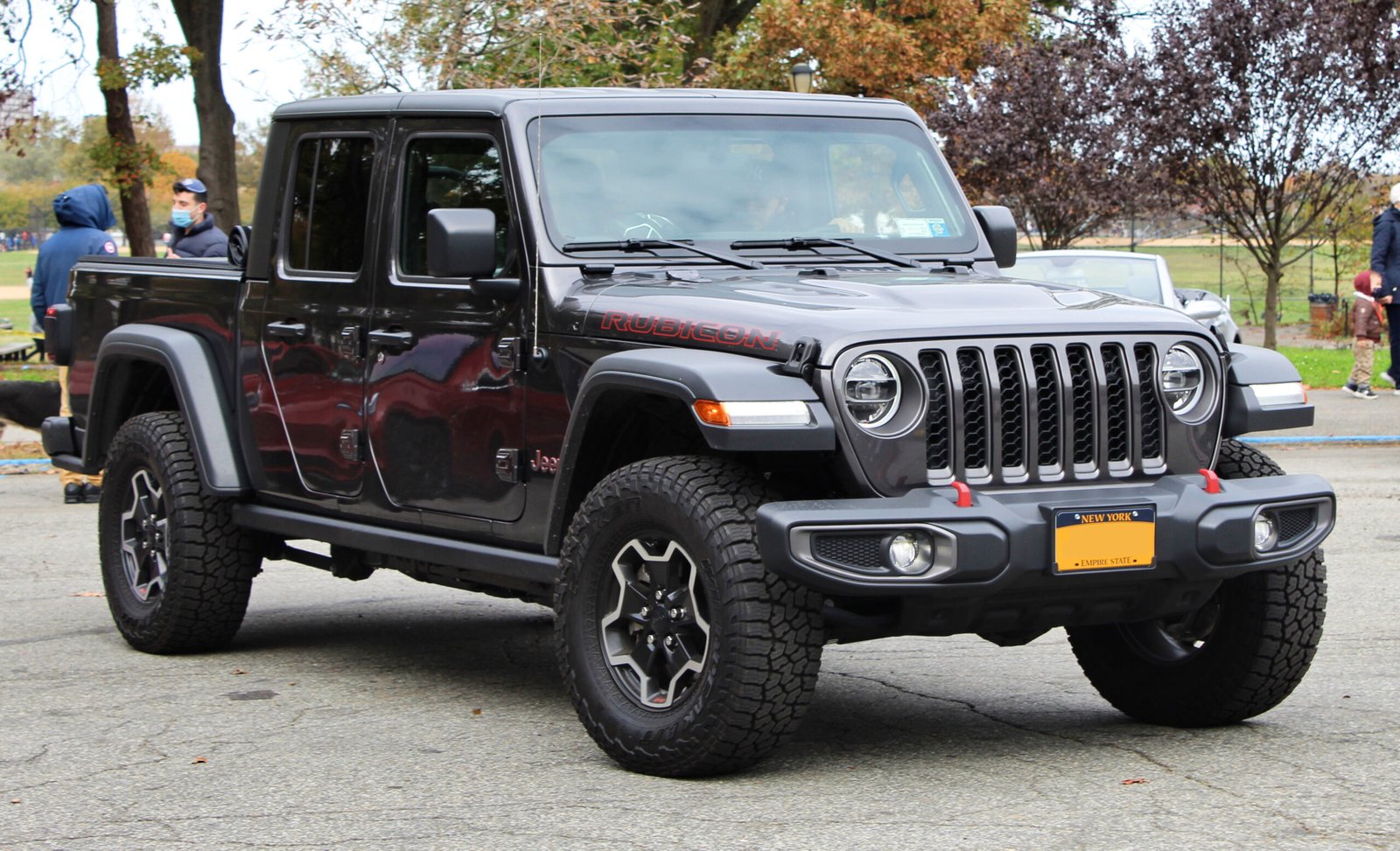
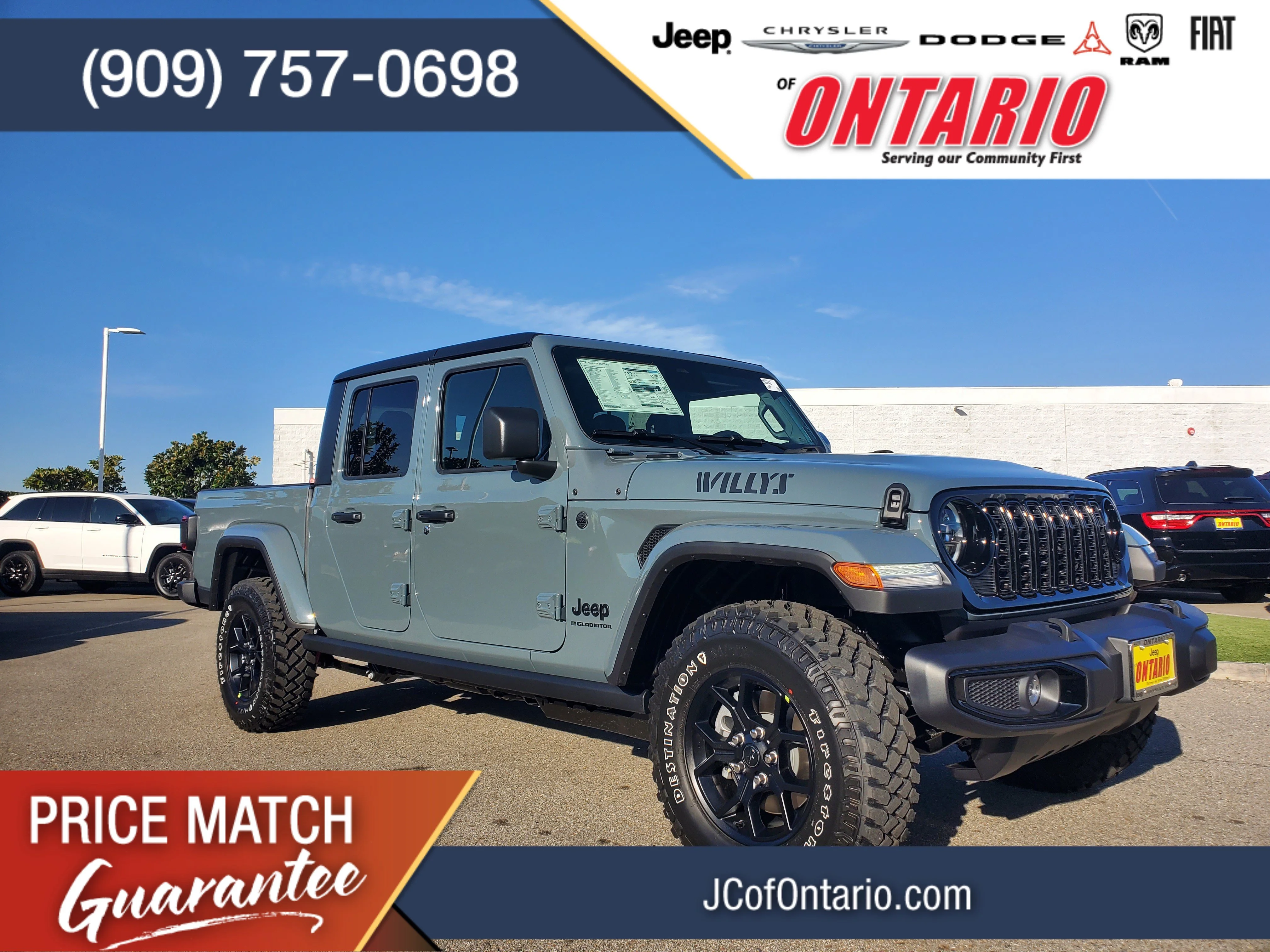
After years of rumors and concept vehicles, Jeep officially returned to the truck market in 2019 with the Jeep Gladiator (JT). This new Gladiator combined the off-road ability of the Wrangler with the utility of a pickup.
Some key specs of the 2023 Gladiator:
- 3.6L V6 engine (285 hp)
- 5-foot cargo bed
- 7,700 lbs towing capacity
- Removable doors and roof
Here’s how the Gladiator compares to its main competitors:
| Truck | Max Towing (lbs) | Bed Length | Off-Road Features |
|---|---|---|---|
| Jeep Gladiator | 7,700 | 5 ft | Locking diffs, sway bar disconnect |
| Toyota Tacoma | 6,800 | 5-6 ft | Crawl control, multi-terrain select |
| Ford Ranger | 7,500 | 5-6 ft | Trail control, terrain management |
The Gladiator stands out for its open-air experience and off-road strength. It’s the only midsize truck that lets you remove the top and doors.
Lesser-known Jeep Trucks And Concept Models
Most people know about the Gladiator and Comanche, but Jeep has experimented with other trucks, too. Over the years, Jeep has shown several concept trucks at auto shows—like the Mighty FC (a forward-control design) and the J12 (a long-bed Gladiator concept). These helped keep interest alive until the Gladiator returned.
One detail many miss: Jeep also built military trucks, such as the M715 (1967–1969), which was based on the Gladiator but modified for the U.S. Army. These are part of Jeep’s truck legacy, even if they weren’t sold to the public.
How Jeep Trucks Changed The Market
Jeep’s trucks have never sold in the huge numbers of Ford or Chevy pickups, but they’ve always been unique. Some non-obvious insights:
- Lifestyle focus: Jeep trucks attract buyers who want both adventure and utility. Few trucks offer true off-road ability and open-air fun.
- Collector value: Models like the Scrambler and early Gladiators have become valuable classics. Their rarity and style make them stand out at auctions.
Jeep’s approach has influenced other automakers to design “lifestyle” trucks, not just work vehicles.

What Makes A Jeep Truck Special?
Buyers choose Jeep trucks for a few unique reasons:
- Off-road leadership: No other pickup offers the same features as the Gladiator Rubicon.
- Customization: Like the Wrangler, Jeep trucks support a huge aftermarket for lifts, bumpers, and more.
- Heritage: Owners like being part of a brand with deep history, not just another pickup crowd.
Here’s a simple overview of what sets Jeep trucks apart:
| Feature | Jeep Trucks | Other Midsize Trucks |
|---|---|---|
| Open-Air Driving | Yes | No |
| Solid Front Axle | Yes (Rubicon) | No |
| Removable Doors | Yes | No |
Jeep’s Truck Future
With the Gladiator’s success, Jeep is likely to stay in the truck market. There are rumors of new trims, more hybrid options, and even all-electric Jeep trucks in the future. Jeep’s truck story proves that combining utility and adventure never goes out of style.
Owning a Jeep truck isn’t just about hauling cargo it’s about joining a unique community and enjoying the outdoors in ways most pickups can’t offer.
Frequently Asked Questions
When Did Jeep First Make A Pickup Truck?
Jeep started making pickup trucks in 1947 with the Willys-Overland 4×4 Truck.
Was The Jeep Gladiator Always A Truck?
Yes, the original Gladiator was introduced in 1962 as a full-size pickup. The name was revived in 2019 for the current midsize truck.
Why Did Jeep Stop Making The Comanche?
Production of the Jeep Comanche ended in 1992 due to low sales and a shift in focus toward SUVs like the Cherokee.
What Makes The Modern Gladiator Different From Other Trucks?
The Gladiator is the only midsize truck with removable doors and roof, and it offers advanced off-road features from the Wrangler.
Where Can I Learn More About Jeep Truck History?
You can find more information at the official Jeep Wikipedia page, which covers Jeep’s full history in detail.