The story of Jeep and Chrysler is one of big changes, tough decisions, and iconic vehicles. Jeep is a famous American brand known for rugged SUVs and off-road vehicles. But it was not always part of Chrysler. Many people wonder: When did Chrysler take over Jeep? The answer involves a mix of business deals, industry shifts, and a bit of luck. Understanding this history helps explain how Jeep became a global name and why Chrysler wanted it so badly.
Jeep’s Early Roots
Jeep started during World War II. The U.S. military needed a strong, reliable vehicle. The first Jeep, the Willys MB, was built by Willys-Overland in 1941. After the war, Jeep became popular with civilians. Willys-Overland made the first civilian Jeep, the CJ-2A, in 1945.
Over the next decades, Jeep changed hands several times. In 1953, Willys-Overland was bought by Kaiser Motors. In 1970, Kaiser Jeep was acquired by American Motors Corporation (AMC). AMC helped Jeep grow, launching new models like the Cherokee and Wagoneer.
Chrysler Acquires Jeep
The big change came in 1987. AMC was struggling with money and competition. Chrysler, seeing the value of Jeep’s strong reputation and loyal customers, decided to buy AMC. This deal included everything AMC owned, but Chrysler was mainly interested in Jeep.
| Year | Owner of Jeep | Major Events |
|---|---|---|
| 1941-1953 | Willys-Overland | Jeep created for WWII |
| 1953-1970 | Kaiser Motors | Expansion to civilian models |
| 1970-1987 | AMC | New models, growing popularity |
| 1987-present | Chrysler (now Stellantis) | Global growth, new SUVs |
The deal was finalized in August 1987. Chrysler paid about $1.5 billion for AMC, making Jeep part of Chrysler’s lineup. At the time, Chrysler’s CEO Lee Iacocca called Jeep “the crown jewel” of the deal. AMC’s other assets were less valuable, but Jeep’s brand and products made the purchase worthwhile.
Why Chrysler Wanted Jeep
Chrysler was looking for new ideas and markets. Jeep had a strong image and loyal fans.
The SUV market was starting to grow, and Chrysler saw a chance to expand.
Here are some reasons why Chrysler wanted Jeep:
- Strong brand: Jeep was famous for quality and toughness.
- Growing SUV market: More people were buying SUVs, and Jeep already had popular models.
- Global potential: Jeep could be sold worldwide.
- Innovation: Jeep engineers were skilled at making new vehicles.
Chrysler’s takeover helped Jeep grow even faster. New models like the Grand Cherokee came out in the 1990s and became best-sellers.
Impact Of The Takeover
The Chrysler acquisition changed Jeep in many ways. Jeep got more resources for design and production.
Chrysler also brought new technology and marketing skills.
Some important effects:
- Expanded lineup: New Jeeps like the Grand Cherokee and Wrangler TJ arrived.
- Improved quality: Chrysler invested in better factories and materials.
- Global reach: Jeep started selling in more countries.
- Financial stability: Chrysler’s money and support helped Jeep survive tough times.
But there were also challenges. Chrysler had to balance Jeep’s unique style with its own business goals.
Sometimes, this led to conflicts over design or marketing. Still, Jeep remained true to its roots as a tough, off-road brand.
Ownership Changes After Chrysler
Jeep’s story did not stop with Chrysler. In 1998, Chrysler merged with Daimler-Benz to become DaimlerChrysler. This lasted until 2007, when Daimler and Chrysler split. Chrysler then struggled financially, and in 2009, it filed for bankruptcy.
After bankruptcy, Fiat took over Chrysler in 2014. Chrysler, Jeep, and other brands became part of Fiat Chrysler Automobiles (FCA). In 2021, FCA merged with PSA Group to form Stellantis. Jeep is now owned by Stellantis, but its legacy with Chrysler is still important.
| Year | Parent Company | Jeep’s Status |
|---|---|---|
| 1987 | Chrysler | Jeep acquired |
| 1998 | DaimlerChrysler | Merger |
| 2007 | Chrysler (independent) | Split |
| 2014 | Fiat Chrysler Automobiles | New parent |
| 2021 | Stellantis | Current owner |
Key Insights Most People Miss
- Chrysler’s main interest was Jeep. Many believe Chrysler wanted all of AMC, but the real prize was Jeep’s brand and products.
- The takeover was risky. Chrysler spent a lot of money, and the SUV market could have changed quickly. The success of Jeep helped save Chrysler during tough times.
- Jeep kept its identity. Even after many ownership changes, Jeep stayed true to its off-road roots and unique style.

Jeep’s Position Today
Jeep is now a global brand under Stellantis. Its models are sold in over 100 countries.
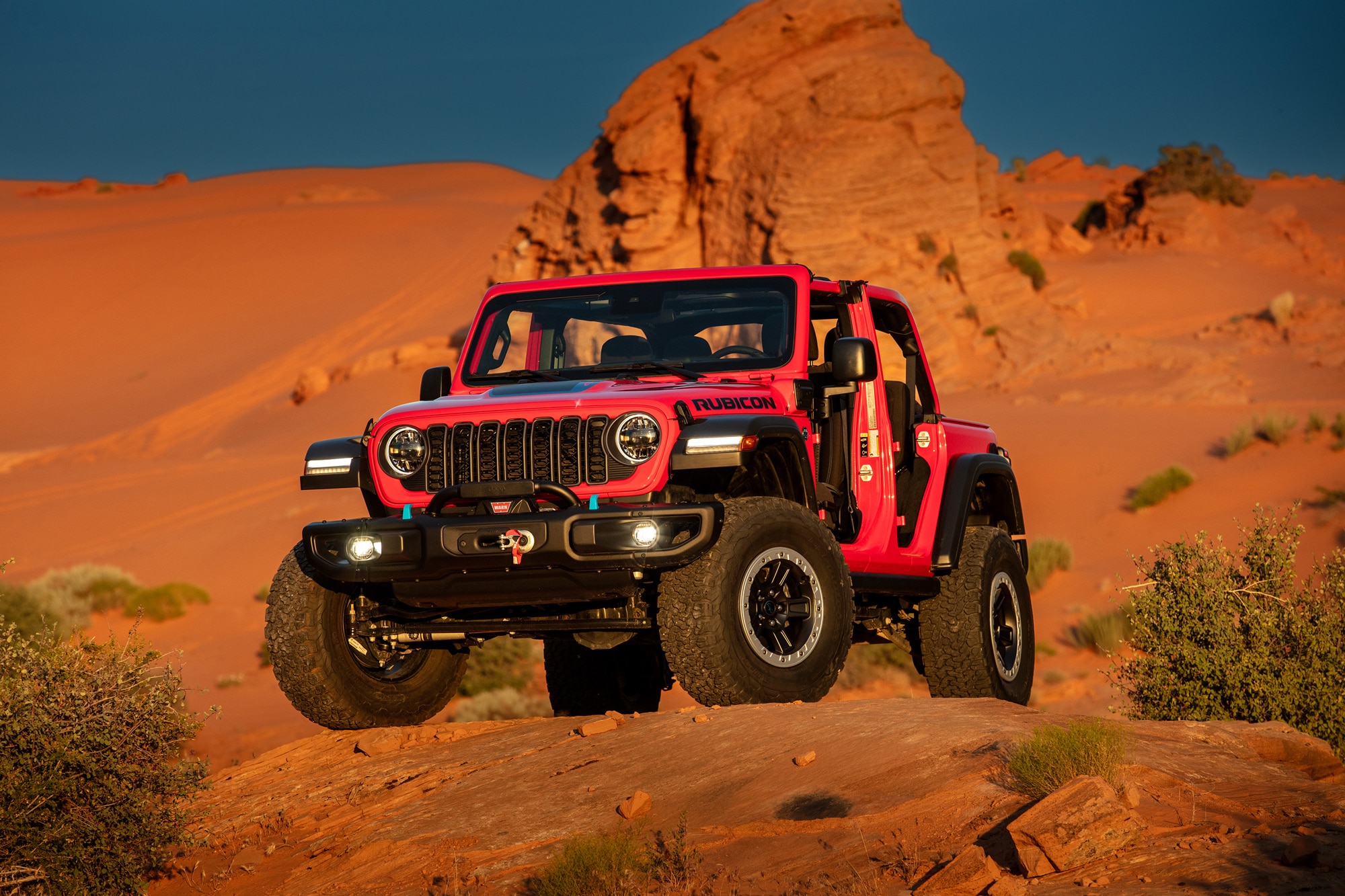
The Jeep Wrangler, Grand Cherokee, and Compass are known worldwide. Jeep’s ability to survive multiple ownership changes shows its strength as a brand.
Jeep also leads in new technology. It now offers hybrid and electric models. The brand’s focus on adventure and capability remains strong. For more on Jeep’s history, see Wikipedia.
Frequently Asked Questions
When Did Chrysler Officially Take Over Jeep?
Chrysler completed its purchase of AMC, including Jeep, in August 1987.
Was Jeep Always Owned By Chrysler?
No. Jeep started with Willys-Overland, then Kaiser Motors, then AMC, before Chrysler took over in 1987.
Why Was Jeep So Valuable To Chrysler?
Jeep had a strong reputation, loyal customers, and popular SUV models. Chrysler wanted to expand its market and saw Jeep as the best way.
Who Owns Jeep Now?
Jeep is part of Stellantis, formed by a merger between FCA and PSA Group in 2021.
How Did The Chrysler Takeover Affect Jeep’s Products?
Chrysler’s support helped Jeep launch new models, improve quality, and expand globally. The Grand Cherokee and Wrangler became best-sellers after the takeover.
Jeep’s journey from wartime vehicle to global icon is a story of smart business moves and strong brand identity. Chrysler’s takeover in 1987 was a turning point, helping Jeep grow and survive tough times.
Today, Jeep continues to lead in the SUV world, with its roots and reputation stronger than ever.