For many drivers, the Jeep brand is famous for rugged SUVs and adventure. But not everyone knows the story behind Jeep’s ownership.
One key moment was when Chrysler acquired Jeep, changing the future of both brands. This event shaped the American auto industry and influenced the cars we see today.
If you’ve wondered when and how Chrysler became the owner of Jeep, this article explains the full story in simple, clear terms.
Jeep’s Roots Before Chrysler
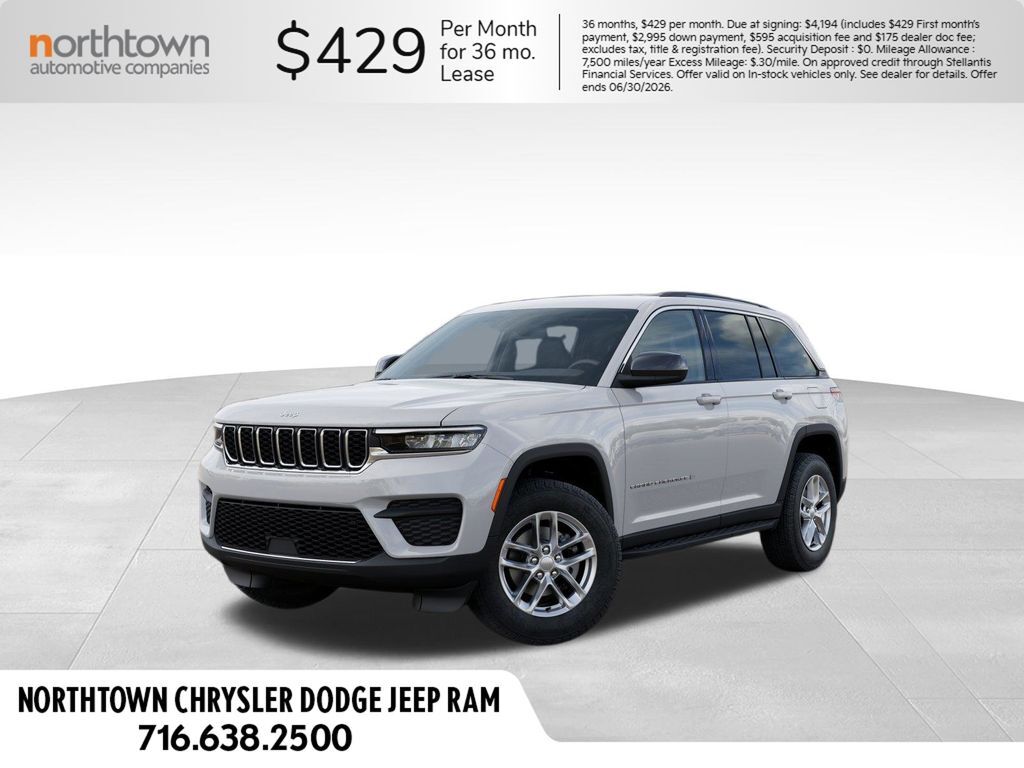
Jeep’s history began during World War II. The original vehicle was made for the U.S. Army, and the name “Jeep” came from a slang word for the tough, small military trucks. The company behind Jeep was Willys-Overland, which produced the first civilian Jeep in 1945.
Jeep was designed to survive tough conditions, and it quickly became a symbol of reliability. Soldiers trusted it during wartime, and after the war, civilians wanted a version for everyday use.
Willys-Overland saw this demand and began making Jeeps for farms, businesses, and families.
After the war, Jeep’s ownership changed several times. Willys-Overland was bought by Kaiser Motors in 1953, and then American Motors Corporation (AMC) took over Jeep in 1970. AMC helped Jeep grow, launching models like the Cherokee and the Grand Wagoneer.
AMC brought new ideas to Jeep, focusing on comfort and style. The Cherokee and Wagoneer were some of the first SUVs to offer both off-road ability and luxury features.
This made Jeep popular with a wider group of buyers, not just adventurers and farmers.
The Chrysler Acquisition: When Did It Happen?
The big change came in 1987. Chrysler Corporation, known for brands like Dodge and Plymouth, was looking to expand. AMC was struggling financially, and Jeep was its most valuable asset.
Chrysler bought AMC for $1.5 billion in August 1987. This deal gave Chrysler complete control of Jeep. The main reason was Jeep’s strong reputation and its growing SUV market.
Chrysler’s leaders saw that the SUV market was beginning to boom. Families wanted bigger cars, and Jeep had a unique place as the leader in this field.
Chrysler acted quickly, seeing the opportunity to become a top player in the SUV world.
Here’s a quick timeline comparing Jeep’s ownership over the years:
| Year | Owner | Key Jeep Models |
|---|---|---|
| 1945 | Willys-Overland | CJ-2A |
| 1953 | Kaiser Motors | CJ-3B |
| 1970 | American Motors Corporation | Cherokee, Wagoneer |
| 1987 | Chrysler | Wrangler, Grand Cherokee |
Why Did Chrysler Want Jeep?
Chrysler saw Jeep’s popularity as a chance to boost its lineup. In the late 1980s, more people were buying SUVs. Jeep had strong sales and loyal customers. Chrysler also wanted access to AMC’s engineering, especially the Eagle brand and the design team.
Jeep’s image was unique seen as tough, reliable, and adventurous. Chrysler did not have a similar brand, so buying Jeep filled a big gap.
The Jeep Wrangler was already loved by off-road fans, and the Cherokee was attracting city drivers. This mix made Jeep a smart choice for Chrysler.
Buying Jeep was not just about vehicles. Chrysler gained AMC’s factories, skilled workers, and new technology.
This helped Chrysler launch new SUVs quickly and grow its market share.
AMC’s engineering team was known for creative solutions and strong designs. For example, they helped create the four-wheel-drive systems that made Jeeps famous for off-road use.
Chrysler used this knowledge to improve its own cars and trucks.
Impact Of The Acquisition
After Chrysler took over, Jeep became a key part of Chrysler’s business. The Jeep Grand Cherokee was launched in 1992, quickly becoming one of the best-selling SUVs in America. Chrysler improved Jeep’s manufacturing and marketing, making the brand stronger.
Chrysler invested money to modernize Jeep factories and update production methods. This meant Jeeps became more reliable and easier to maintain.
Marketing also changed. Chrysler showed Jeep as both a family car and an adventure vehicle, helping it reach more buyers.
Here’s a comparison of Jeep’s sales before and after Chrysler’s acquisition:
| Year | Jeep Sales (USA) | Major Models Sold |
|---|---|---|
| 1986 | ~400,000 | Cherokee, Wagoneer |
| 1993 | ~500,000 | Grand Cherokee, Wrangler |
Jeep also got more global exposure. Chrysler marketed Jeep in new countries and introduced new models. This helped Jeep become a worldwide brand.
For example, Jeep started selling in Europe and Asia, where many people had never seen a Jeep before. Chrysler’s network gave Jeep access to new markets, so the brand grew quickly outside the U. S.
Non-obvious Insights
- Chrysler’s acquisition saved Jeep from extinction. AMC was nearly bankrupt in 1987. Without Chrysler, Jeep’s future was uncertain.
- The deal included more than just Jeep. Chrysler acquired AMC’s research and development team, which later helped create new vehicles for all Chrysler brands.
Many people think Jeep was always part of Chrysler, but the brand had a long history before the 1987 deal. Understanding this timeline helps appreciate Jeep’s growth.
Another detail most people miss: AMC’s team helped Chrysler build the Dodge Ram and other vehicles, not just Jeeps. The skills and technology from AMC improved Chrysler’s whole lineup.
What Happened After Chrysler?
Chrysler’s ownership of Jeep lasted for decades. But in 1998, Chrysler merged with Daimler-Benz to form DaimlerChrysler. Jeep was still part of the group.
Later, Chrysler faced financial trouble and was bought by Fiat in 2009. Today, Jeep is part of Stellantis, a global company formed in 2021 by merging Fiat Chrysler and PSA Group.
During these changes, Jeep stayed strong. Even as ownership shifted, Jeep’s reputation for ruggedness and reliability continued.
Stellantis now manages Jeep alongside brands like Peugeot, Dodge, and Alfa Romeo.
Here’s a summary of Jeep’s ownership after Chrysler:
| Year | Owner |
|---|---|
| 1998 | DaimlerChrysler |
| 2007 | Chrysler LLC |
| 2009 | Fiat Chrysler Automobiles |
| 2021 | Stellantis |

Common Mistakes When Researching Jeep’s History
- Confusing Chrysler’s acquisition date. Some sources mistakenly say Jeep joined Chrysler in the 1990s, but the correct year is 1987.
- Ignoring AMC’s role. AMC played a huge part in developing modern Jeeps. Without AMC, popular models like the Cherokee would not exist.
Some researchers also overlook the changes each owner made. For example, Kaiser Motors improved Jeep’s durability, while AMC focused on comfort and technology. These shifts matter when studying Jeep’s evolution.
If you want to dig deeper, check the official Jeep history at Wikipedia.
Frequently Asked Questions
When Did Chrysler Acquire Jeep?
Chrysler acquired Jeep in August 1987 by buying American Motors Corporation. This brought Jeep under Chrysler’s control.
Why Was Jeep Important To Chrysler?
Jeep had a strong brand, loyal customers, and popular SUV models. Chrysler wanted to expand in the growing SUV market and saw Jeep as the best way.
Jeep also had advanced four-wheel-drive technology, which helped Chrysler build better trucks and SUVs.
Did Chrysler Change Jeep’s Vehicles?
Yes, Chrysler improved manufacturing and design. They launched new models like the Grand Cherokee and updated the Wrangler. Quality and sales increased.
Chrysler also made Jeeps safer and more comfortable, adding airbags, better engines, and new features.
Who Owns Jeep Today?
Jeep is now part of Stellantis, a company formed by merging Fiat Chrysler and PSA Group in 2021.
Was Amc Only Making Jeeps?
No, AMC also made other cars like the Eagle and the Gremlin. But Jeep was the most valuable brand when Chrysler bought AMC.
AMC’s other cars are less known today, but they played a role in American car history.
Jeep’s journey from World War II to today is full of changes. Chrysler’s acquisition in 1987 was a turning point.
It saved Jeep, brought new models, and helped shape the modern SUV market. If you drive a Jeep or admire the brand, knowing this history adds a new layer of respect for its legacy.