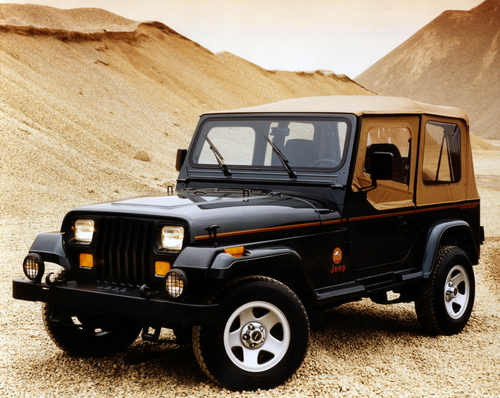
The Jeep YJ is an icon in the world of off-road vehicles. Many people recognize it instantly because of its distinctive square headlights.
But when exactly was the Jeep YJ made, and what set it apart from other Jeeps? Let’s take a detailed look at the YJ’s production years, its unique features, and why it still matters to car enthusiasts and adventure seekers today.
Jeep Yj Production Years
The Jeep YJ was produced from 1986 to 1995. However, these are the model years, and there’s a small twist: actual production started in late 1986 for the 1987 model year. The last YJ rolled off the assembly line in mid-1995, making way for the Jeep TJ in 1997.

This means every Jeep Wrangler made for the 1987 to 1995 model years is a YJ. If you see a Jeep Wrangler from 1986, it’s not a YJ but most likely a CJ-7, the YJ’s predecessor.
Key Features That Defined The Yj
The YJ brought several changes compared to the previous CJ series. Here are some of the most important features:
- Square headlights: This was the first and only Wrangler to use square headlights, making it easy to spot.
- Wider track: The YJ was more stable on the road because of its wider stance.
- Leaf spring suspension: Even though it looked new, the YJ still used the older leaf spring setup instead of coil springs.
- Improved interior: Jeep added better seats and more comfort features, targeting both off-road and daily driving.
- New roll bar design: The YJ introduced a safer roll cage, improving occupant safety.
These updates made the YJ unique, especially compared to the CJ-7 before it and the TJ that came after.

Year-by-year Breakdown
Let’s explore how the YJ evolved over its production run. The table below highlights key changes for each model year:
| Model Year | Major Changes/Updates |
|---|---|
| 1987 | Introduction of YJ, new frame, square headlights |
| 1988-1989 | Minor interior improvements, more color options |
| 1990 | Improved 2.5L engine, new dash layout |
| 1991 | Introduction of High Output 4.0L engine |
| 1992-1995 | Safety upgrades, anti-lock brakes, final trims like Rio Grande |
Each year brought small improvements, but the YJ’s core design stayed the same throughout its life.
What Made The Yj Different?
The YJ wasn’t just another Jeep—it marked a major shift for the brand. Here’s how it compared to the CJ-7 and the TJ:
| Model | Headlights | Suspension | Production Years |
|---|---|---|---|
| CJ-7 | Round | Leaf Spring | 1976-1986 |
| YJ | Square | Leaf Spring | 1987-1995 |
| TJ | Round | Coil Spring | 1997-2006 |
The YJ’s square headlights were controversial at first. Many Jeep fans disliked them because round lights had always been a Jeep tradition.
But today, those square lights make the YJ special and easy to identify.

Engine Choices And Performance
One area where the YJ really changed was in engine options. Over its production, the YJ offered:
- 2.5L 4-cylinder engine (improved after 1990)
- 4.2L inline-6 (1987-1990)
- 4.0L High Output inline-6 (from 1991)
The 4. 0L engine, in particular, is famous for reliability and strong torque.
It gave the YJ much better highway and off-road performance compared to earlier models.
Here’s a quick comparison of the main engines:
| Engine | Displacement | Horsepower | Years Available |
|---|---|---|---|
| AMC 2.5L I4 | 2.5L | 117 hp (post-1990) | 1987-1995 |
| AMC 4.2L I6 | 4.2L | 112 hp | 1987-1990 |
| AMC 4.0L I6 | 4.0L | 180 hp | 1991-1995 |
The switch to the 4. 0L engine in 1991 was a big upgrade, giving the YJ more power than ever before.
Why The Yj Still Matters Today
Even though the YJ ended production in 1995, it remains popular for several reasons:
- Affordable entry point: YJs are often cheaper than newer Wranglers, making them a great first project or off-road vehicle.
- Classic style: The square headlights are now seen as retro-cool.
- Simple mechanics: The YJ’s basic design makes it easy to repair and modify.
- Strong aftermarket support: There are plenty of parts and upgrades available.
Many owners keep their YJs running for decades, and you’ll still see them on trails and at Jeep events. They strike a balance between old-school Jeep charm and modern comfort.
Two Non-obvious Insights
Many beginners miss these points:
- Rust is a hidden enemy: The YJ’s frame can rust badly, especially in places that use road salt. Always check the frame and body mounts before buying.
- Some parts are unique: Not all CJ or TJ parts fit the YJ, especially interior pieces and suspension components. Check compatibility when restoring or upgrading.
Frequently Asked Questions
What Years Was The Jeep Yj Produced?
The Jeep YJ was produced for the 1987 to 1995 model years. Production started in late 1986 and ended in 1995.
What Is The Main Difference Between The Jeep Yj And Tj?
The YJ has square headlights and uses leaf spring suspension. The TJ returned to round headlights and uses coil springs for a smoother ride.
Are Jeep Yjs Good For Off-roading?
Yes, Jeep YJs are still strong off-road vehicles. Their basic design, solid axles, and strong frames make them capable on tough trails.
What Engines Were Available In The Jeep Yj?
The YJ offered a 2.5L 4-cylinder, a 4.2L inline-6 (1987-1990), and a 4.0L high output inline-6 (1991-1995).
Where Can I Find More Information About The Jeep Yj?
For more detailed specs and history, visit the Wikipedia page on the Jeep Wrangler YJ.
The Jeep YJ still stands out as a classic in the Wrangler family. Its combination of unique style, reliable mechanics, and affordable price keeps it a favorite for Jeep fans around the world.
Whether you’re looking to buy one or just want to appreciate its legacy, understanding the YJ’s place in history makes every sighting a bit more special.