The Jeep TJ holds a special place in the hearts of off-road fans and collectors. Its unique blend of classic Jeep design and modern improvements makes it a favorite even years after production ended.
But for anyone new to the world of Jeeps, the question often comes up: what years did Jeep make the TJ? Let’s explore the full story, what sets the TJ apart, and what you should know if you’re considering buying or restoring one.
What Years Did Jeep Make The Tj?
The Jeep TJ was produced from 1997 to 2006. This generation of the Jeep Wrangler replaced the YJ model and introduced several key changes that brought the Wrangler closer to its original roots while adding modern comfort and handling.

Why 1997 To 2006?
- The TJ was introduced as a 1997 model in spring 1996.
- Production continued until the 2006 model year.
- In 2007, Jeep replaced the TJ with the JK Wrangler.
This ten-year window covers all standard TJ Wranglers, including popular trims and special editions.
Key Features That Made The Tj Special
Many people think of the TJ as “just another Wrangler,” but it introduced important upgrades. Here are the highlights:
- Coil Spring Suspension: The TJ swapped the previous leaf springs for a coil spring setup. This improved ride comfort and off-road flex.
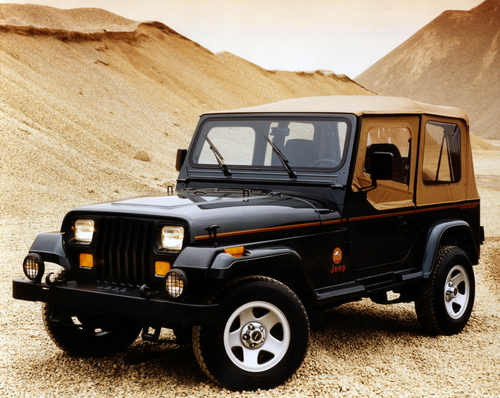
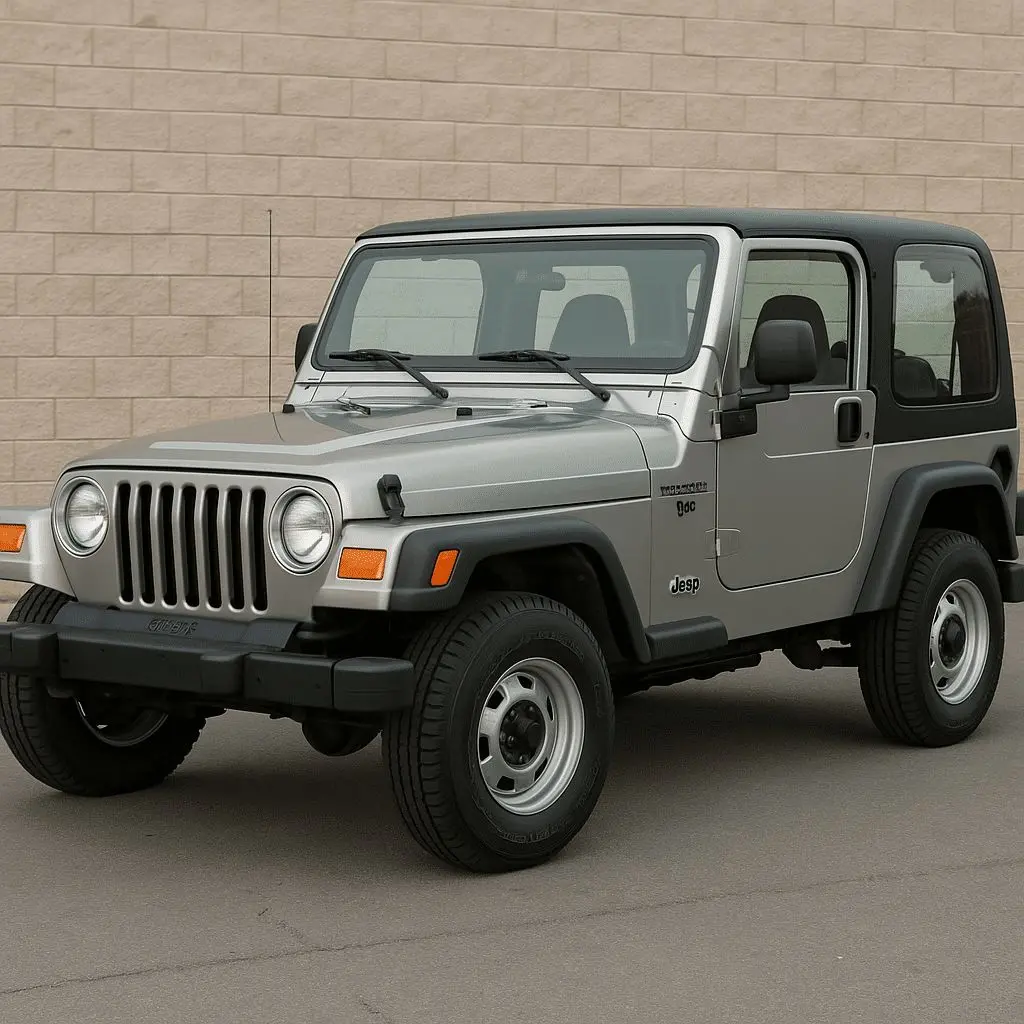
- Round Headlights: The TJ brought back the classic round headlights that many Jeep fans love, after the square headlights of the YJ.
- Improved Interior: The cabin received better materials and more ergonomic controls.
- Stronger Frame: The frame was redesigned for extra strength and safety.
These updates made the TJ both a better daily driver and a more capable off-roader.
Major Tj Trim Levels And Models
During its production, the TJ was offered in several trims and special versions. Here’s a look at the most notable ones:
| Trim/Edition | Key Features | Years Available |
|---|---|---|
| SE | Basic trim, 2.5L I4 engine, minimal features | 1997-2006 |
| Sport | 4.0L I6 engine, more options, popular choice | 1997-2006 |
| Sahara | Premium trim, body-color fenders, upgraded interior | 1997-2006 |
| Rubicon | Front/rear lockers, Dana 44 axles, off-road focused | 2003-2006 |
| Unlimited | Longer wheelbase, extra cargo space | 2004-2006 |
The Rubicon and Unlimited models are especially popular among enthusiasts for their added off-road capability and practicality.
Notable Changes And Updates By Year
While the basic shape and formula stayed consistent, Jeep made several small but important changes during the TJ’s run. Here are some of the most significant:
| Year | What Changed |
|---|---|
| 1997 | TJ introduced; coil springs, round headlights return |
| 2001 | 4.0L engine revised for better emissions |
| 2003 | Rubicon debuts, 4-speed automatic replaces 3-speed |
| 2004 | Unlimited (“LJ”) model adds longer wheelbase option |
| 2006 | Last year of production; Golden Eagle and 65th Anniversary editions offered |
A less obvious fact: the long-wheelbase Unlimited was not available until 2004. Many first-time buyers mistake earlier TJs with extended frames as factory, but only 2004-2006 models offered this.
Jeep Tj Engines And Specifications
The TJ came with a few different engine and transmission options:
- 2.5L Inline-4 (1997–2002): Known for simplicity, but not much power.
- 4.0L Inline-6 (1997–2006): Famous for durability and torque.
- 2.4L Inline-4 (2003–2006): Replaced the 2.5L in later years.
Transmission choices included a 5-speed manual, 6-speed manual (from 2005), and 3- or 4-speed automatics. Most buyers prefer the 4.0L I6 for its reliability and better performance, especially for off-roading or towing.
How To Identify A True Tj Wrangler
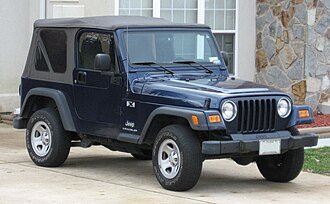
With Jeeps, it’s easy to mix up models, especially between the YJ, TJ, and JK. Here’s how you can tell a Jeep TJ apart:
- Round Headlights: All TJ Wranglers have them.
- Coil Spring Suspension: Visible under the vehicle.
- VIN: The 8th character in the VIN reveals the engine; the 10th shows the model year.
- Interior Dash: TJs have a more modern, rounded dashboard than the YJ.
For more details, check the VIN plate on the driver’s side dash or door jamb.
Common Mistakes When Buying A Tj
Many buyers—especially beginners—make these mistakes:
- Assuming all TJs are the same. Features and options changed over the years.
- Overlooking frame rust. The coil spring setup is great, but the frame can rust badly, especially in snowy or salty areas.
- Not checking for off-road damage. TJs are built for trails, but hard use can mean bent axles or worn bushings.
- Forgetting about the longer Unlimited version. The extra space is useful but also changes the handling.
A good inspection and understanding of the model year’s features can save you money and headaches later.
Why The Tj Remains Popular
The Jeep TJ is often seen as the perfect balance between old-school Jeep simplicity and modern comfort. It’s still popular for several reasons:
- Easy to modify: Huge aftermarket support.
- Strong resale value: Clean TJs often sell for high prices.
- Classic look: The return to round headlights and compact size appeals to many.
- Great off-road ability: Especially the Rubicon and Unlimited trims.
Interestingly, many off-road enthusiasts prefer the TJ over the newer JK or JL Wranglers for its smaller size and mechanical simplicity.