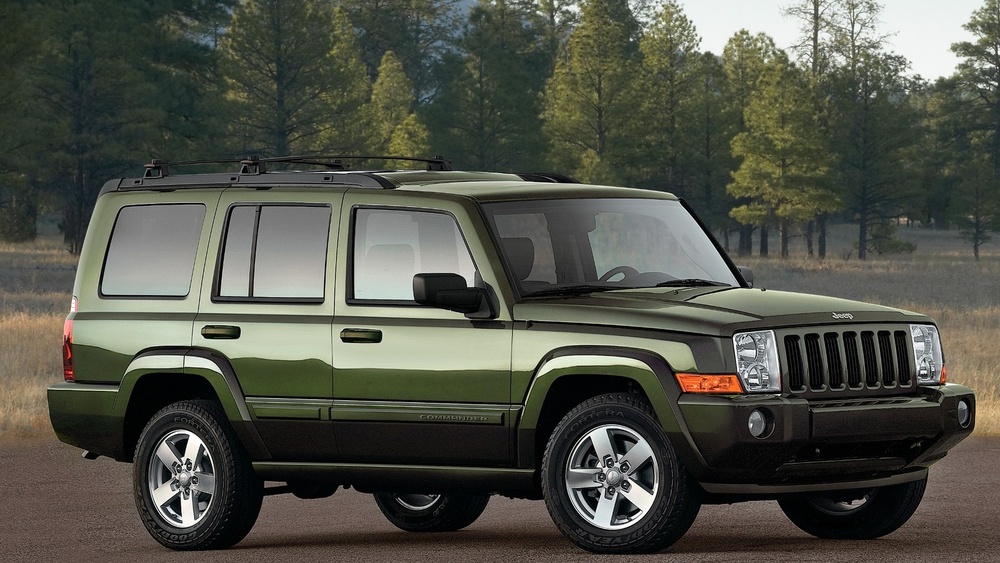
The Jeep Commander is one of those vehicles that often sparks curiosity, especially among SUV fans and Jeep enthusiasts. Many people remember seeing it on the road, but fewer know the details about when and why Jeep made this bold, boxy SUV.
If you’re wondering exactly what years Jeep made the Commander and want to understand its history, features, and what set it apart, this guide covers everything you need.
The Jeep Commander Timeline
The original Jeep Commander was produced for a short but memorable period. Jeep first introduced the Commander in 2005 for the 2006 model year. Production continued until the 2010 model year, with the last units rolling out in 2010.
- First model year: 2006
- Final model year: 2010
This means the Commander was available new in dealerships for just five consecutive model years: 2006, 2007, 2008, 2009, and 2010.
Why Jeep Made The Commander
In the early 2000s, SUVs were rapidly gaining popularity in the US. Jeep wanted to offer a larger, three-row SUV to compete with other full-size models. The Commander was designed to:
- Seat seven passengers comfortably, something the popular Grand Cherokee couldn’t do.
- Attract families who needed more space but still wanted off-road capability.
- Stand out with a classic, rugged Jeep design, including the traditional seven-slot grille and boxy shape.
The Commander’s design was inspired by older Jeep Wagoneers, giving it a nostalgic, tough look.
Key Features By Model Year
Each year, the Commander saw small changes. Here’s a quick look at what made each model year unique:
| Model Year | Main Changes/Highlights |
|---|---|
| 2006 | Debut year; available with V6 and V8 engines, three rows of seating |
| 2007 | Added optional rear backup camera and navigation; new trim levels |
| 2008 | Minor styling updates; improved interior materials |
| 2009 | Introduction of more standard features; discontinuation of some trims |
| 2010 | Final production year; simplified lineup, focus on core features |
Engine And Performance Options
The Commander offered a range of engines, giving buyers a choice between power and efficiency. Over the years, you could find the following options:
- 3.7L V6 (standard on lower trims)
- 4.7L V8
- 5.7L Hemi V8 (top performance, with Jeep’s Multi-Displacement System for improved economy)
All engines were paired with a five-speed automatic transmission. Four-wheel drive was available on most trims, keeping with Jeep’s reputation for off-road ability.
Here’s how these engines compare:
| Engine | Horsepower | Estimated MPG (city/highway) |
|---|---|---|
| 3.7L V6 | 210 hp | 14/19 |
| 4.7L V8 | 235 hp (later 305 hp) | 13/17 |
| 5.7L V8 Hemi | 330 hp (later 357 hp) | 13/18 |

Why Production Ended
Despite its rugged looks and practical features, the Commander faced challenges:
- Fuel economy was below average, especially with V8 engines.
- The boxy design, while classic, didn’t appeal to all modern buyers.
- Competition from other three-row SUVs was fierce.
- The Commander was built on the same platform as the Grand Cherokee, which limited its interior space despite being longer.
By 2010, Jeep decided to stop production to focus on more modern models and respond to changing market needs. The Grand Cherokee and later the Dodge Durango filled the gap for larger SUVs.
The Commander’s Legacy And Return
Surprisingly, the Commander name didn’t disappear forever. In recent years, Jeep revived the Commander badge, but not for the US market. Instead, the new Jeep Commander is sold in places like China and South America, built on a different platform and designed for local needs. This new version is unrelated to the original US model, but it shows the lasting appeal of the Commander name.

Commander Vs. Other Jeep Models
Many people ask how the Commander compared to other Jeeps of its era. Here’s a quick comparison with its stablemate, the Grand Cherokee:
| Feature | Commander | Grand Cherokee |
|---|---|---|
| Seats | Up to 7 | Up to 5 |
| Length | Approximately 188.5 in | Approximately 186.6 in |
| Off-road systems | Quadra-Trac II, Quadra-Drive II | Same |
| Platform | WK (shared with Grand Cherokee) | WK |
One non-obvious insight: Even though the Commander was longer and had three rows, its cargo space behind the third row was less than expected because of how the extra seats were packaged. Another thing many miss is that early Commanders with the Hemi V8 are now sought after for their off-road and towing strength.
Buying A Used Jeep Commander: What To Know
If you’re interested in a used Commander, keep these tips in mind:
- Check for water leaks around the sunroof and doors. This was a common issue.
- The Hemi V8 versions offer the most power but cost more to maintain.
- Models from 2008 onward tend to have better interior quality and features.
- Always review the service history for transmission and electrical repairs.
The Commander is now considered a solid budget choice for someone needing a rugged family SUV with Jeep DNA.

Frequently Asked Questions
How Many Years Did Jeep Make The Commander?
Jeep produced the Commander for the 2006 to 2010 model years in the United States, totaling five years.
Did Jeep Ever Bring Back The Commander In The Us?
No, Jeep has not reintroduced the Commander in the US since 2010. The name returned in other countries, but with a different design and platform.
Is The Jeep Commander Good For Off-roading?
Yes, especially models with Quadra-Drive II or the Hemi V8. The Commander shares much of its off-road tech with the Grand Cherokee.
What Are Common Problems With The Jeep Commander?
Some common issues include electrical problems, water leaks, and higher fuel consumption, especially in V8 models.
Where Can I Find More Detailed Specs On The Commander?
You can find more in-depth technical data on the Jeep Commander by visiting Wikipedia.
The Jeep Commander remains a unique chapter in Jeep’s history short-lived, but still remembered for its bold looks, family-friendly space, and true SUV abilities. If you find one in good condition, it could be a fun and capable addition to your driveway.