The Jeep CJ5 is one of the most iconic off-road vehicles in American history. Known for its rugged design and adventurous spirit, the CJ5 became a favorite for outdoor lovers, farmers, and military veterans.
But what years did Jeep make the CJ5, and what made this model so special?
Let’s explore the production timeline, important features, and what you should know if you’re interested in this classic 4×4.
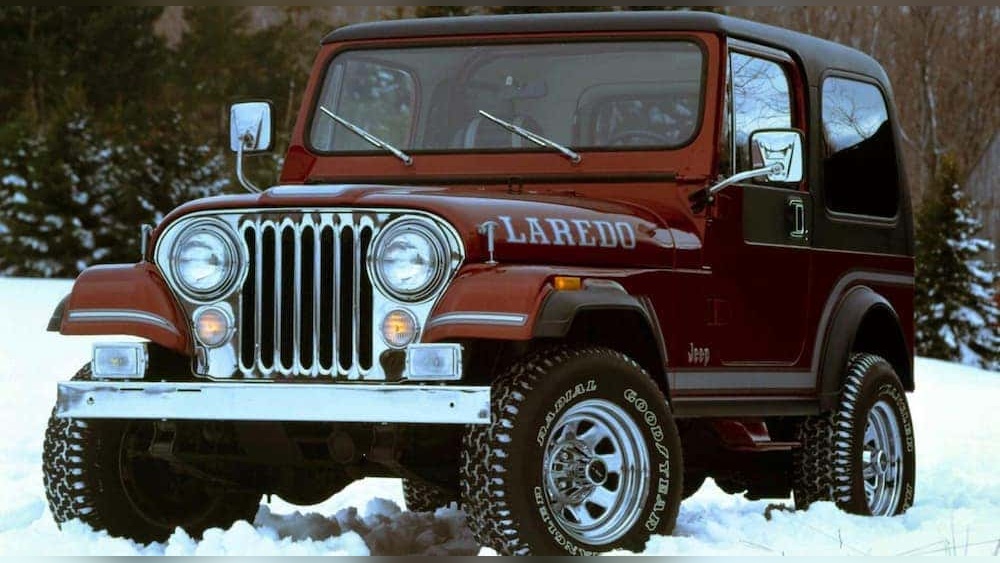
Jeep Cj5 Production Years
The Jeep CJ5 was produced from 1954 to 1983. That’s nearly 30 years of continuous production—a rare achievement for any vehicle. Jeep introduced the CJ5 as an improvement over earlier CJ models, taking inspiration from the military M38A1.
Key Milestones In Cj5 Production
- 1954: First CJ5s roll off the line, powered by the “Hurricane” F-head four-cylinder engine.
- 1965: Jeep adds a V6 engine option—the Dauntless 225.
- 1970: American Motors Corporation (AMC) takes over, bringing new engines and updates.
- 1976: CJ5 receives a new frame and other safety improvements.
- 1983: Last year of CJ5 production, replaced by the longer CJ7.
The long production run means you’ll see a lot of variety among CJ5s, both in appearance and mechanical details.
Why Was The Cj5 So Popular?
Several factors made the CJ5 stand out. Its short wheelbase and light weight made it extremely agile off-road. The open body design allowed for easy customization, from soft tops to snow plows. Early CJ5s were marketed for farm work, but soon became popular for recreation and military use.
Comparison Of Cj Models Over Time
Here’s a quick look at how the CJ5 fits within the CJ family:
| Model | Production Years | Wheelbase (inches) | Engine Options |
|---|---|---|---|
| CJ2A | 1945-1949 | 80 | 4-cylinder |
| CJ3A | 1949-1953 | 80 | 4-cylinder |
| CJ5 | 1954-1983 | 81 | 4-cyl, V6, V8, I6 |
| CJ7 | 1976-1986 | 93.4 | 4-cyl, I6, V8 |
The CJ5’s balance of size and capability was a big reason for its success.
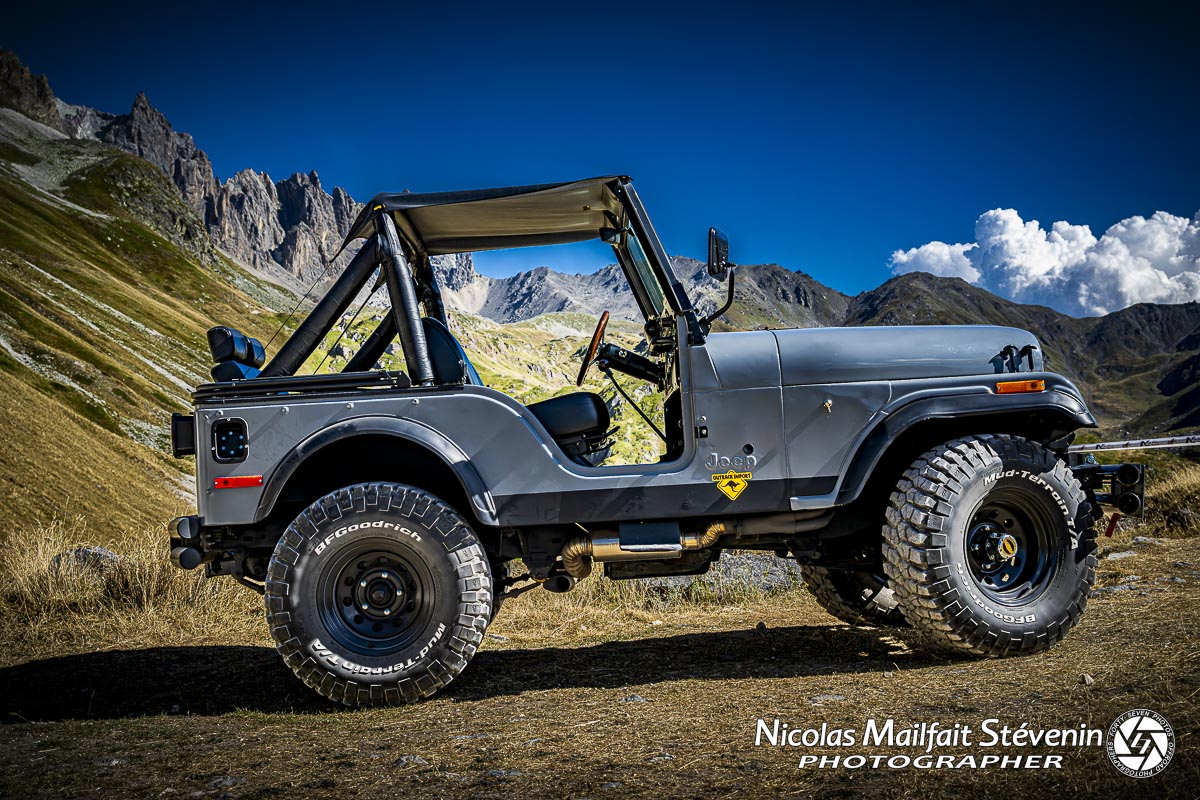
Key Features And Changes By Decade
1950s: Early Simplicity
The first CJ5s were simple and reliable. They used the 2.2L “Hurricane” F-head engine, offering about 75 horsepower. Features were minimal, with few comforts—just enough for work and play.
1960s: Power And Options
In 1965, Jeep introduced the Dauntless V6 engine, nearly doubling the available horsepower. Buyers could now choose between the standard four-cylinder or the more powerful V6. This decade also saw more color choices and optional features.
1970s: Bigger Engines, More Comfort
AMC’s ownership brought new straight-six and V8 engines. The CJ5 got a stronger frame, better brakes, and improved seats.
By the late 1970s, some CJ5s had automatic transmissions and power steering. Safety features improved, but the basic open-air feeling remained.
1980s: The End Of The Line
In its final years, the CJ5 struggled with tighter safety regulations. The short wheelbase made it less stable than the new CJ7, which had more room and comfort.
Production stopped in 1983, but the CJ5’s legacy lived on.
Engine Choices And Specifications
The CJ5 offered a variety of engines over its long life. Here’s a quick comparison of the most popular options:
| Engine | Years Available | Displacement (L) | Horsepower | Notes |
|---|---|---|---|---|
| F-Head I4 | 1954–1971 | 2.2 | 75 | Original engine |
| Dauntless V6 | 1965–1971 | 3.7 | 155 | First V6 option |
| AMC I6 | 1972–1983 | 4.2 | 100–115 | Popular for reliability |
| AMC V8 | 1972–1981 | 5.0 | 150 | High power, rare |
Many owners swapped engines or modified their Jeeps, so it’s common to find unique combinations.
Notable Differences By Year
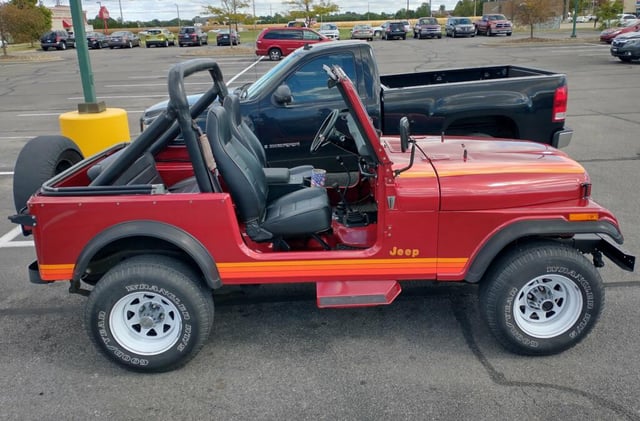
Collectors often look for certain model years because of unique features. For example, 1970 CJ5s with the Dauntless V6 are prized for their power. 1976 and later CJ5s have a wider frame, giving more stability. If you want a CJ5 with the strongest axles and brakes, look for models from the late 1970s.
Insights Most People Miss
- Rust is a major issue with CJ5s, especially those built before 1976. The steel body and simple drainage make them vulnerable. Always check the frame and floorboards if you’re buying one.
- CJ5s have poor rollover protection. The narrow stance and short wheelbase mean you must drive carefully, especially on the road or at higher speeds. Many owners add roll bars or cages for safety.
Another point: parts availability is still strong. Because so many CJ5s were made, you can find reproduction body panels, engines, and even full frames. This makes restoration easier than for many classic vehicles.
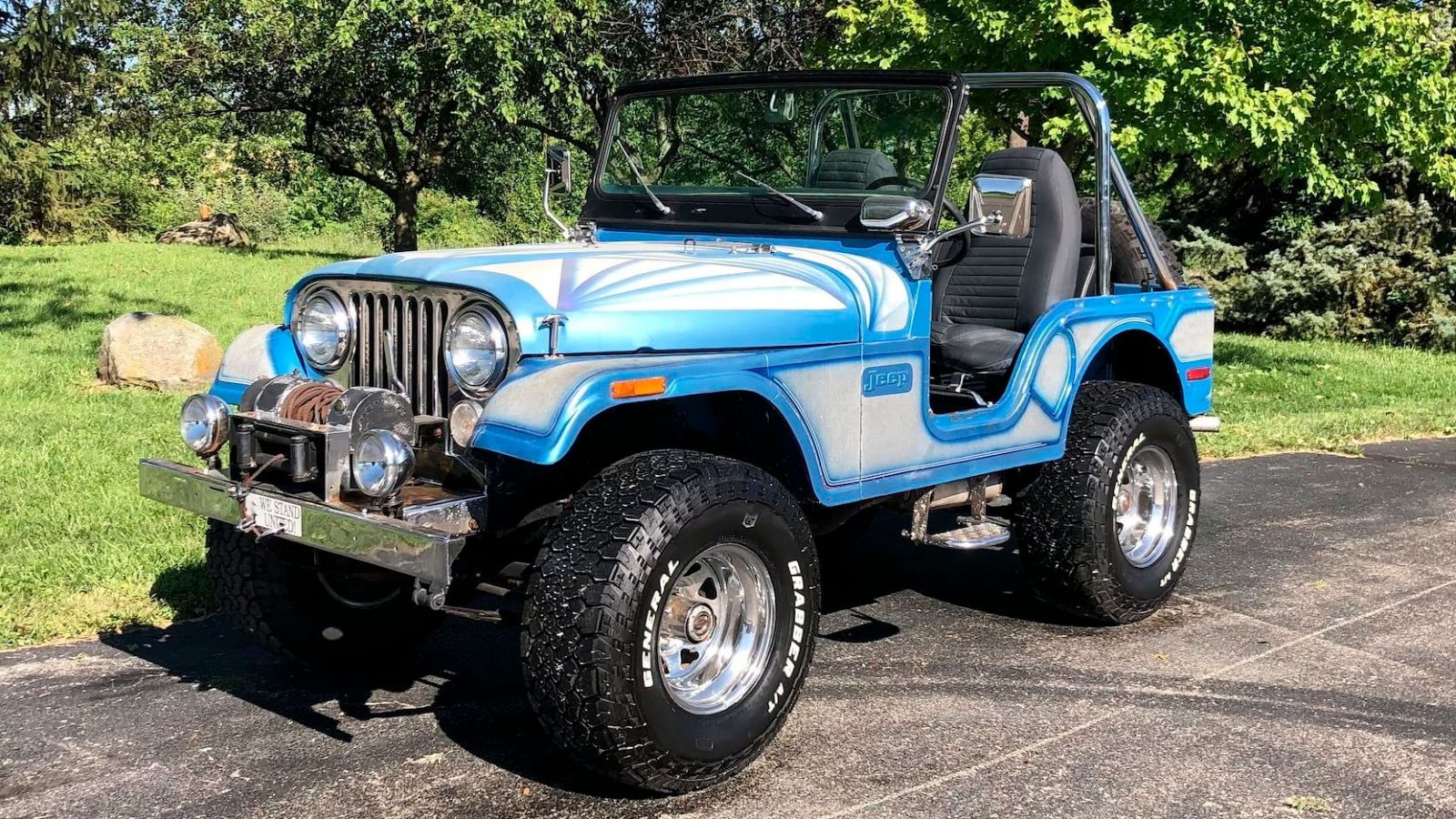
How The Cj5 Compares To Modern Jeeps
Modern Jeeps like the Wrangler are much safer, more comfortable, and have advanced technology. But many enthusiasts still love the CJ5’s raw, mechanical feel. Driving a CJ5 is a back-to-basics experience—no computers, just gears, levers, and a strong engine. For some, this is the best part of owning a classic Jeep.