The story of the first Jeep is more than just a tale about a vehicle it’s a turning point in automotive history. The Jeep’s creation changed how people think about cars, trucks, and even war machines.
Today, Jeep is a famous brand, but its roots are tied to a single year and a very urgent need.
If you’re curious about when the first Jeep was made, how it happened, and why it became so important, this article will answer all your questions in clear, simple English.
The Birth Year Of The First Jeep
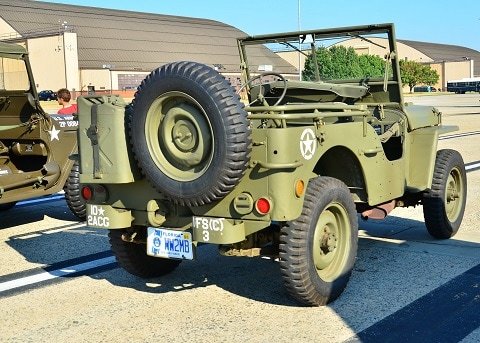
The first Jeep was made in 1940. This year was not random. In 1940, the world was facing war. The United States Army needed a fast, tough vehicle for soldiers. They wanted something small, light, and able to drive anywhere. Several companies tried to build the right car, but only a few succeeded.
It’s important to know that the Jeep wasn’t built by one company alone. Three main companies—Bantam, Willys-Overland, and Ford—all played key roles in making the first Jeep. The original idea started with the Bantam company, but Willys-Overland and Ford quickly joined the project.
Why 1940 Was The Key Year
In June 1940, the US Army sent out requirements for a new military vehicle. They needed a four-wheel-drive car that could carry troops and equipment. The deadline was very short. Bantam was the first to deliver a working prototype. This vehicle was known as the Bantam Reconnaissance Car.
By September 1940, Bantam had built the first Jeep prototype and showed it to the Army. This was the moment the Jeep was born.
After testing, the Army realized they needed more than Bantam could produce, so Willys-Overland and Ford got involved.
Comparing The Early Jeep Prototypes
The competition between Bantam, Willys, and Ford was intense. Each company made its own version of the Jeep, and the Army tested them all. Here’s a quick comparison of the three prototypes:
| Company | Prototype Name | Engine Power | Weight |
|---|---|---|---|
| Bantam | Bantam Reconnaissance Car | 45 hp | 2,175 lbs |
| Willys-Overland | Willys Quad | 60 hp | 2,450 lbs |
| Ford | Ford GP | 54 hp | 2,260 lbs |
Willys-Overland had the most powerful engine, which made their Jeep better for tough tasks. Bantam’s car was the lightest, but Willys’ design became the favorite.
What Made The First Jeep Unique
The first Jeep had several features that were new for its time:
- Four-wheel drive: This let the Jeep drive on rough land, mud, and hills.
- Light weight: Soldiers could push or lift the Jeep if needed.
- Simple design: Easy to repair and cheap to make.
- Open body: No roof, so soldiers could jump in and out quickly.
The Jeep could carry guns, stretchers, or radio equipment. It was a true all-purpose vehicle.
From Prototype To Mass Production
After the Army saw the prototypes in 1940, they wanted more. Willys-Overland’s design was chosen for mass production. The first official military Jeep, called the Willys MB, rolled off the line in 1941, but the Jeep’s story began in 1940 with the Bantam prototype.
Here’s a timeline of key events:
| Year | Event |
|---|---|
| 1940 | Bantam builds first Jeep prototype |
| 1940 | Army tests Bantam, Willys, and Ford prototypes |
| 1941 | Willys MB Jeep enters mass production |
| 1945 | Jeep becomes available for civilians |
The Jeep’s Impact During World War Ii
The Jeep was a game changer during World War II. It helped move soldiers, supplies, and equipment across difficult terrain. Over 640,000 Jeeps were made for the war. The Jeep was so useful that some people called it the “war horse” of the US Army.
Here are a few ways the Jeep helped:
- Carried wounded soldiers from battlefields.
- Pulled artillery and trailers.
- Served as a command car for officers.
- Acted as a mobile radio station.
Many experts say the Jeep was one of the main reasons the Allies won the war. Its reliability and ability to handle tough conditions made it famous worldwide.

The Origin Of The Name “jeep”
The name “Jeep” has an interesting story. Some believe it came from the letters “GP,” meaning “General Purpose.” Others say soldiers started calling the vehicle “Jeep” after a cartoon character named Eugene the Jeep from the Popeye comic. The name stuck, and now Jeep is a well-known brand.
One detail beginners often miss: “Jeep” was not an official name at first. It was a nickname used by soldiers, but it became so popular that Willys-Overland adopted it.
Jeep’s Transition To Civilian Life
After the war, the Jeep was not just for soldiers. In 1945, Willys-Overland released the CJ-2A (“Civilian Jeep”). Farmers, builders, and families bought these Jeeps for work and fun. The same features that made the Jeep useful in war—durability, four-wheel drive, simple design—were great for everyday life.
Over time, Jeep became a symbol of adventure and freedom. Today, Jeep makes many types of vehicles, but every model can trace its roots to the first Jeep made in 1940.
Jeep Today: A Comparison With Modern Models
To understand how much Jeep has changed, let’s compare the first Jeep with a modern one:
| Feature | 1940 Jeep | 2024 Jeep Wrangler |
|---|---|---|
| Engine Power | 45-60 hp | 285 hp |
| Weight | 2,175-2,450 lbs | 4,000+ lbs |
| Seats | 2-4 | 4-5 |
| Safety | None | Airbags, ABS, stability control |
| Comfort | Basic | Modern features |
Modern Jeeps are larger, stronger, and much safer. Still, the basic idea a tough, all-purpose vehicle remains.
Frequently Asked Questions
What Year Was The First Jeep Made?
The first Jeep was made in 1940 by Bantam as a prototype for the US Army.
Which Company Made The First Jeep?
Bantam built the first prototype, but Willys-Overland and Ford also made early Jeeps. Willys-Overland’s design became the official military Jeep.
How Many Jeeps Were Produced During World War Ii?
Over 640,000 Jeeps were produced for the US military between 1941 and 1945.
When Did Jeep Become Available To The Public?
The first civilian Jeep (CJ-2A) was released in 1945 by Willys-Overland.
What Made The Original Jeep Special?
The original Jeep had four-wheel drive, a lightweight body, and could handle rough terrain. It was easy to fix and use for many tasks.
The first Jeep’s story is full of teamwork, innovation, and urgency. What started as a simple military need in 1940 has grown into a worldwide icon. If you want to dig deeper, check out the official Jeep history page. The Jeep’s journey from battlefield to driveway proves that a single year can change everything.