If you’re looking for a Jeep Grand Cherokee that will last, reliability is probably your top concern. Over the years, Jeep has released many versions, with some models proving much more dependable than others.
Picking the right year can save you money and headaches, so let’s break down which Grand Cherokee years stand out for reliability, what makes them solid choices, and what you need to watch out for.
What Makes A Jeep Grand Cherokee Reliable?
Reliability is more than just avoiding breakdowns. A reliable SUV stays strong after years of use, needs fewer repairs, and holds up in tough conditions. For the Grand Cherokee, some key factors include:
- Engine performance: Smooth, long-lasting engines with fewer recalls. Some engines, like the 3.6L V6 found in many models, are known for going well beyond 100,000 miles with only basic care.
- Transmission durability: Fewer complaints about shifting or failures. The introduction of the 8-speed transmission in 2014 improved shifting and reduced the risk of costly repairs, especially in later years.
- Electronics and features: Fewer issues with infotainment, sensors, or wiring. Newer models have more electronics, but Jeep has steadily improved quality and reduced glitches.
- Build quality: Strong suspension, brakes, and interior materials. Higher trims often use better materials, making them more durable against everyday wear.
Many owners share their experiences online, but real reliability comes from data: repair frequency, recalls, and expert reviews. It’s also worth noting that how the vehicle was used plays a role. For example, SUVs used for heavy towing or off-roading may show more wear even if they’re from a reliable year. Let’s dive into the model years that shine.
Most Reliable Jeep Grand Cherokee Years
Not every Grand Cherokee is created equal. Here are the years that stand out for dependability, based on expert reports, owner surveys, and statistics.
| Year | Key Features | Common Issues | Reliability Score (1–10) |
|---|---|---|---|
| 2011 | New body design, strong engines | Minor electrical glitches | 8.2 |
| 2013 | Refined V6/V8, improved interior | Occasional transmission issues | 8.5 |
| 2015 | 8-speed transmission, advanced safety | Rare infotainment bugs | 8.7 |
| 2017 | Updated tech, fewer recalls | Small electrical faults | 8.9 |
| 2019 | Refined ride, best engines | Minimal complaints | 9.0 |
Why 2017–2019 Stand Out
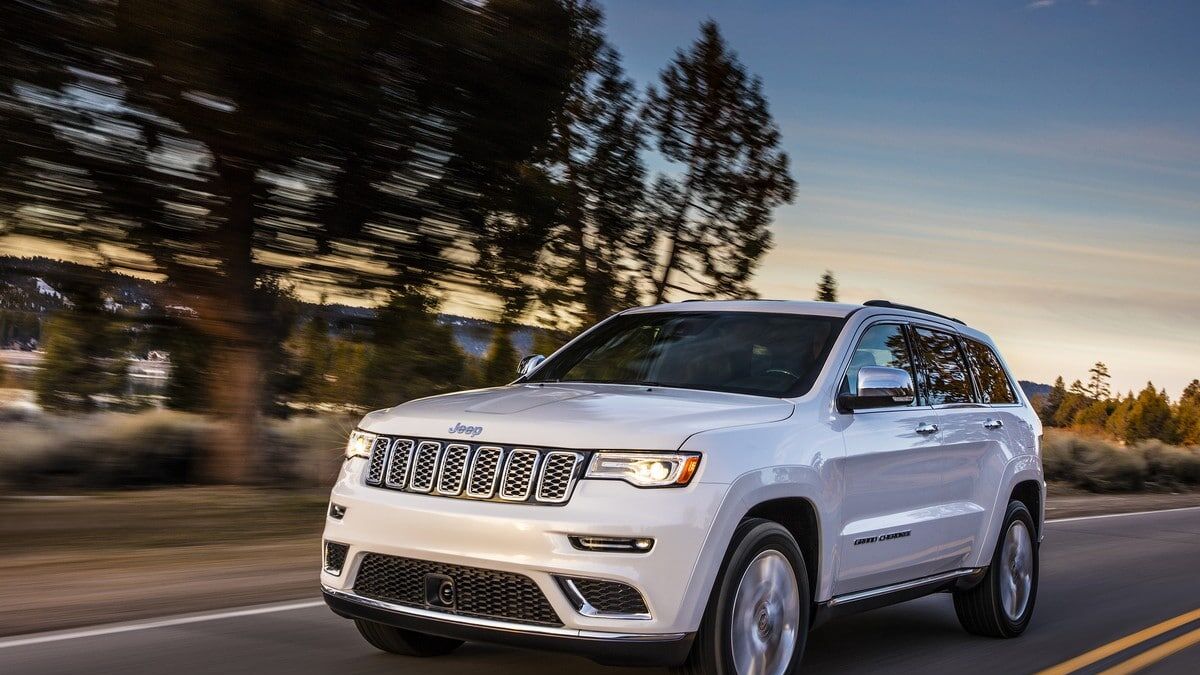
The 2017–2019 Grand Cherokee models are often praised for their reliability. During these years, Jeep fixed many earlier issues, especially with electronics and transmissions. Owners report fewer trips to the shop and higher satisfaction. The 2019 version, in particular, introduced improved engines and smoother rides, making it a favorite among experts.
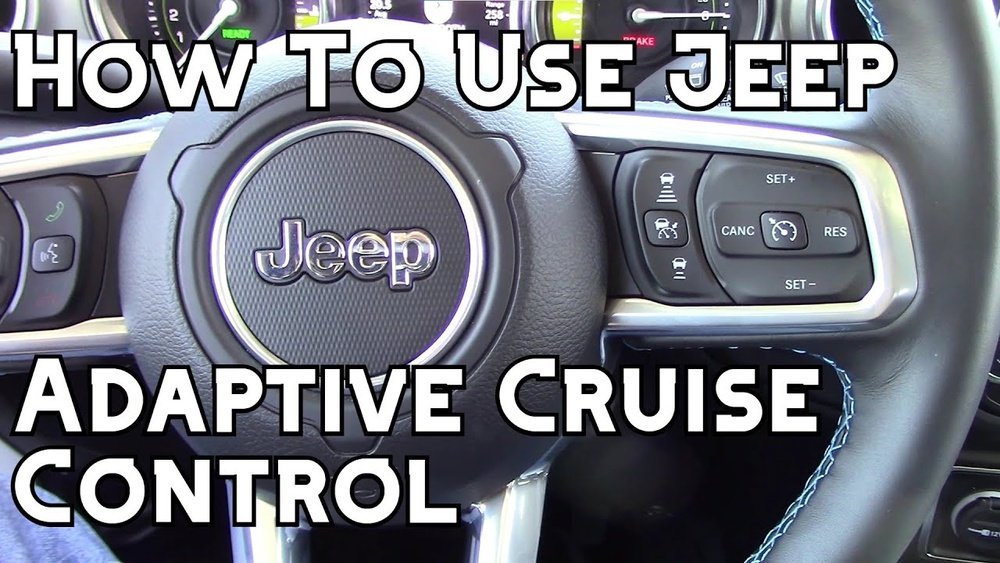
Many buyers mention that these years also have fewer recalls and better warranties. The ride comfort is noticeably improved, and features like adaptive cruise control and upgraded safety tech are standard in higher trims. The paint and interior materials also last longer, even after years of use. Another plus: resale value is stronger for these models, so you lose less money when selling later.
Comparing Reliability: Older Vs. Newer Models
You might wonder if newer always means better. That’s not always the case with Jeeps. Let’s compare two generations:
| Generation | Years | Main Strengths | Known Weaknesses |
|---|---|---|---|
| WK2 | 2011–2021 | Strong engines, modern safety | Some electronics issues |
| WJ | 1999–2004 | Simple mechanics, easy repairs | Rust, older suspension |
Older models like the WJ (1999–2004) are easier to fix and cost less for basic repairs. However, they lack newer safety features and fuel efficiency. These models often attract buyers who want a simple, rugged SUV for basic driving or light off-roading. WK2 models (2011–2021) are more advanced, and after 2015, most reliability issues were resolved. If you prefer comfort, tech, and safety, WK2 is the better pick, but the older WJ can be a good option if you’re handy with repairs.
A hidden detail: the WK2 generation also introduced more advanced four-wheel drive systems, making them much safer in winter or muddy conditions compared to older models.
Common Problems To Avoid
Even reliable years have some trouble spots. Here are typical issues:
- Electrical glitches: Early WK2 models had problems with sensors and wiring. This can lead to warning lights or power window failures, costing $200–$500 to fix.
- Transmission concerns: 2014 saw some complaints about shifting. Sometimes this means jerky gear changes or delayed acceleration, which can become expensive to repair if ignored.
- Infotainment bugs: Touchscreen freezing was common before 2015. This isn’t just annoying—it can affect navigation and audio, leading to unexpected trips to the dealer.
- Suspension wear: Older models may need expensive repairs. Look for uneven tire wear or knocking noises, which signal worn-out parts.
If you want to avoid headaches, focus on models after 2015. They have fewer recalls and better build quality.
Still, every used car needs a careful inspection especially if you notice unusual sounds or dashboard warning lights during a test drive.
How To Choose The Right Year
Here’s what to check before buying:
- Service history: Look for regular maintenance. Oil changes and brake checks every 5,000–7,500 miles are a good sign.
- Recalls: Make sure all recalls are fixed. Ask for paperwork or check online using the vehicle’s VIN.
- Mileage: Lower mileage often means fewer problems. But don’t ignore a well-maintained higher-mileage Grand Cherokee—it can still be a smart buy.
- Owner reviews: Read real stories on trusted sites. Reviews often mention hidden issues that don’t appear in official reports.
Don’t just rely on dealership promises. Ask for a mechanic’s inspection before buying.
This costs around $100 $200 but can save thousands later.
| Buying Tip | Why It Matters |
|---|---|
| Check VIN for recalls | Ensures safety issues are resolved |
| Inspect undercarriage for rust | Rust can cause costly repairs |
| Test all electronics | Find hidden faults early |
Another practical tip: always take the SUV for a long test drive. Try out all features, listen for unusual noises, and check if the transmission shifts smoothly. If you plan to tow or drive off-road, ask about previous usage—SUVs used for heavy work may show more wear.
Two Insights Most Buyers Miss
- Dealer maintenance records: Many buyers ignore these. But regular dealership maintenance often means the SUV was cared for properly and will last longer. Ask for proof—receipts or service logs show the real care history.
- Model trim matters: Some trims, like the Overland and Limited, have better build quality and more reliable features compared to base models. For example, they often use higher-quality interior parts and upgraded electronics, so problems are less common.
A third insight: If you’re buying used, check if the previous owner added aftermarket parts. Sometimes these can cause electrical or suspension issues if installed poorly.
Expert Guidance: Best Year To Buy
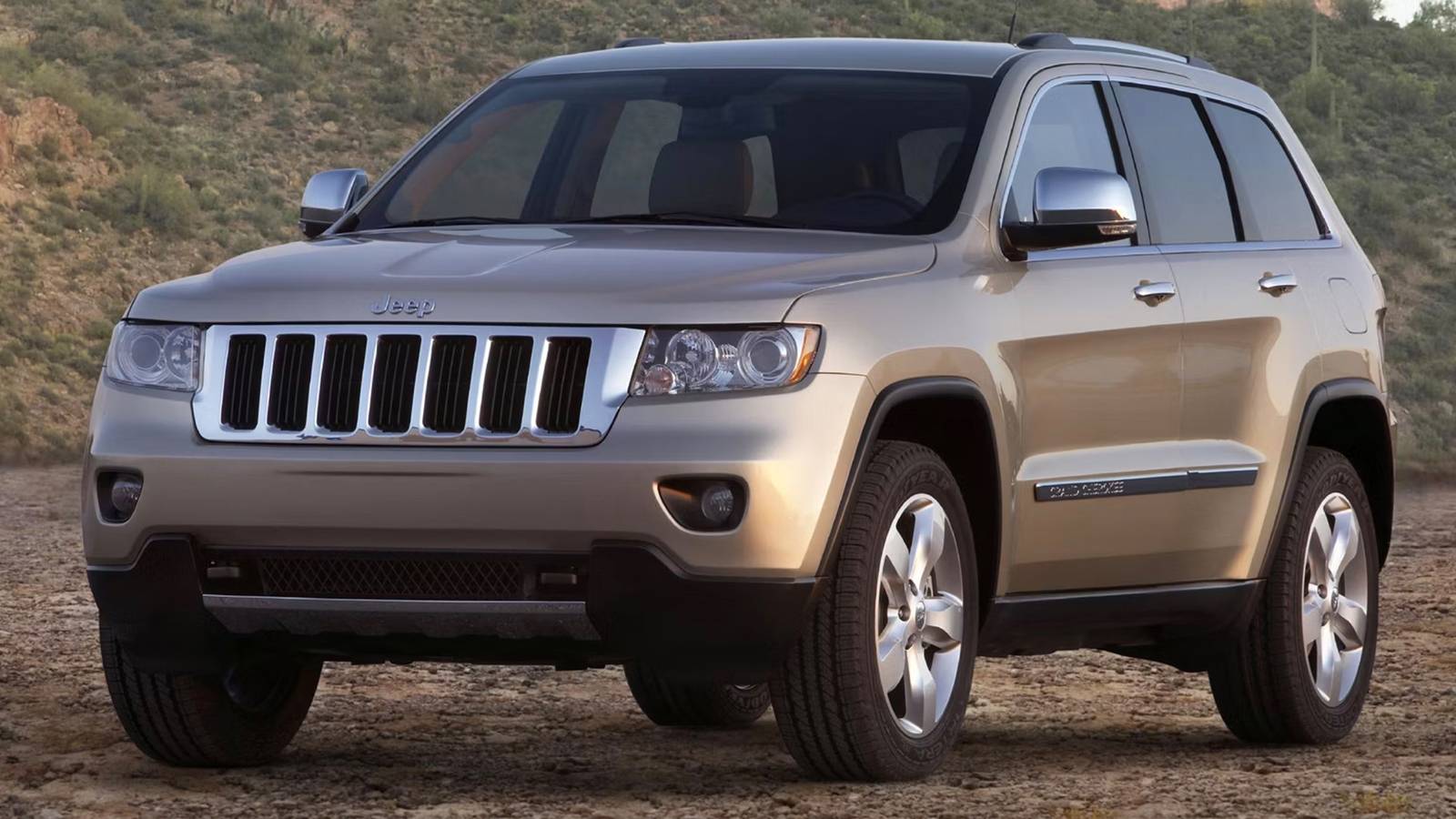
If you want the most reliable Jeep Grand Cherokee, experts agree the 2017–2019 models are your best bet. These years balance modern features, strong engines, and few complaints. For buyers on a tighter budget, the 2015 model is still a strong choice. Avoid 2014 and earlier if you want fewer electrical and transmission problems.
For example, the 2017 model offers advanced safety (like blind spot monitoring) and improved infotainment. The 2019 version takes it further with engine refinements and even better ride quality.
Both options are great for families, daily driving, or long trips.
Frequently Asked Questions
Which Jeep Grand Cherokee Year Is Best For Long-term Reliability?
The 2019 Grand Cherokee is often considered the best for long-term reliability. It has improved engines, fewer recalls, and strong owner satisfaction. Many mechanics say it’s easier to maintain compared to older models.
Are Older Grand Cherokees Reliable?
Older models like the 1999 2004 WJ are reliable if well-maintained, but they lack modern safety features and may have rust or suspension problems. If you buy one, check for rust on the frame and underbody, and test the air conditioning and power windows.
What Are The Most Common Grand Cherokee Problems?
Common problems include electrical glitches, transmission issues, and infotainment bugs. These are more frequent in pre-2015 models. If you notice warning lights or jerky shifting, get the SUV checked by a mechanic before buying.
How Many Miles Can A Reliable Grand Cherokee Last?
A well-maintained Grand Cherokee can last 200,000 miles or more, especially models from 2015 onward. Regular maintenance is key. Some owners report reaching 250,000 miles with only minor repairs.
Where Can I Find More Reliability Data?
You can find detailed reliability data at Consumer Reports, which tracks owner surveys and expert reviews.
Choosing the right year means fewer repairs, more comfort, and better resale value. Take your time, do your research, and focus on the reliable years to enjoy your Grand Cherokee for many miles ahead.
It’s worth spending a little more up front to avoid bigger problems later.