The Jeep Rubicon is famous among off-road fans for its rugged design and strong performance. Many people wonder when this legendary vehicle first appeared.
The story of the Rubicon is more than just a launch date—it’s about why Jeep made it, how it changed the 4×4 world, and what made it stand out from other models.
If you’re curious about the origins of the Jeep Rubicon and what made it special, you’re in the right place.
The Year The Jeep Rubicon Was Launched
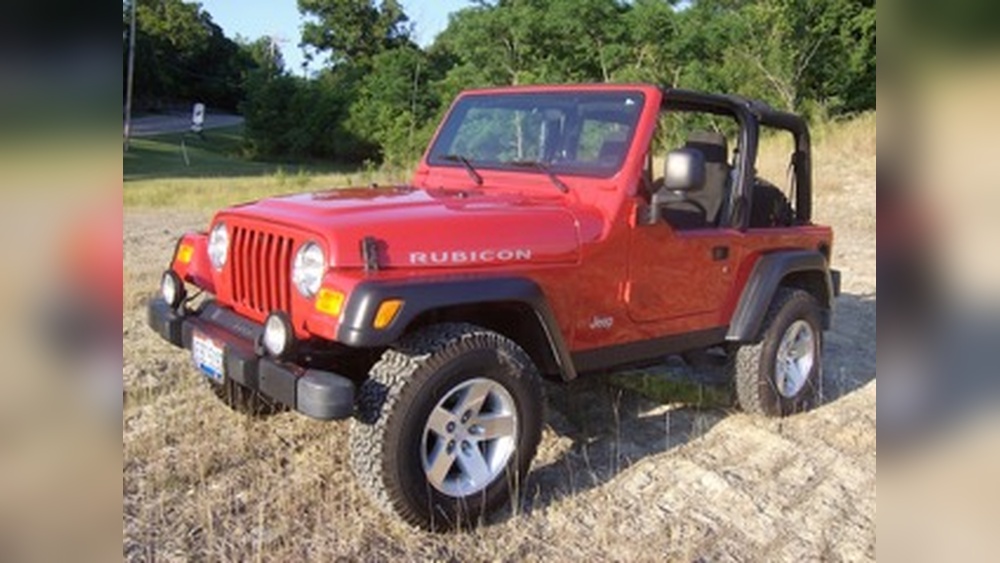
The first Jeep Wrangler Rubicon was released in 2003. Before this, Jeep had offered off-road versions, but none carried the Rubicon name or its advanced features. The 2003 Rubicon was built on the TJ Wrangler platform. It set a new standard for factory-ready off-road capability, making it a favorite for people who wanted to tackle tough trails without expensive modifications.
Why 2003 Was A Big Deal
Jeep chose 2003 for the Rubicon’s debut because off-roading was growing in popularity. Enthusiasts wanted a vehicle that could handle the famous Rubicon Trail in California—a tough test for any 4×4. The Rubicon was named after this trail to show its real-world abilities. Jeep engineers listened to the off-road community’s needs and developed a model with features not seen before in stock Wranglers.
Key Features That Made The Rubicon Stand Out
The 2003 Jeep Rubicon was not just a marketing move. It included hardware that made a real difference on tough terrain.
- Dana 44 axles (front and rear): Stronger than standard Wrangler axles, designed for serious off-roading.
- 4: 1 Rock-Trac transfer case: Allowed for slow, controlled crawling over rocks.
- Front and rear locking differentials: Provided traction when one or more wheels lost grip.
- 32-inch off-road tires: Larger and more capable than standard Wrangler tires.
- Unique Rubicon decals and trim: Set the model apart visually.
Compared to earlier Wranglers, these features were major upgrades. The Rubicon was ready for advanced trails right from the showroom.
Hardware Comparison: Rubicon Vs. Standard Wrangler (2003)
| Feature | Rubicon | Standard Wrangler |
|---|---|---|
| Axles | Dana 44 (front & rear) | Dana 30 (front), Dana 35 (rear) |
| Transfer Case | 4:1 Rock-Trac | 2.72:1 Command-Trac |
| Locking Differentials | Front & Rear | None |
| Tire Size | 32 inches | 30 inches |

How The Jeep Rubicon Changed The Market
The Rubicon made a big impact. Before its launch, people often spent thousands of dollars modifying Jeeps for off-road use.
The Rubicon gave buyers these upgrades from the factory, with a warranty. This was a game-changer.
Other brands noticed, and soon, more factory-built off-road packages appeared.
Pricing And Value
At launch, the 2003 Rubicon’s base price was around $24,000. This was higher than the standard Wrangler, but much less than buying and installing similar parts yourself. The Rubicon also held its value well on the used market, thanks to its reputation.
Price Comparison: 2003 Models
| Model | Base Price (2003) |
|---|---|
| Wrangler Rubicon | $24,000 |
| Wrangler X | $18,000 |
| Wrangler Sport | $20,000 |
Rubicon’s Legacy And Evolution
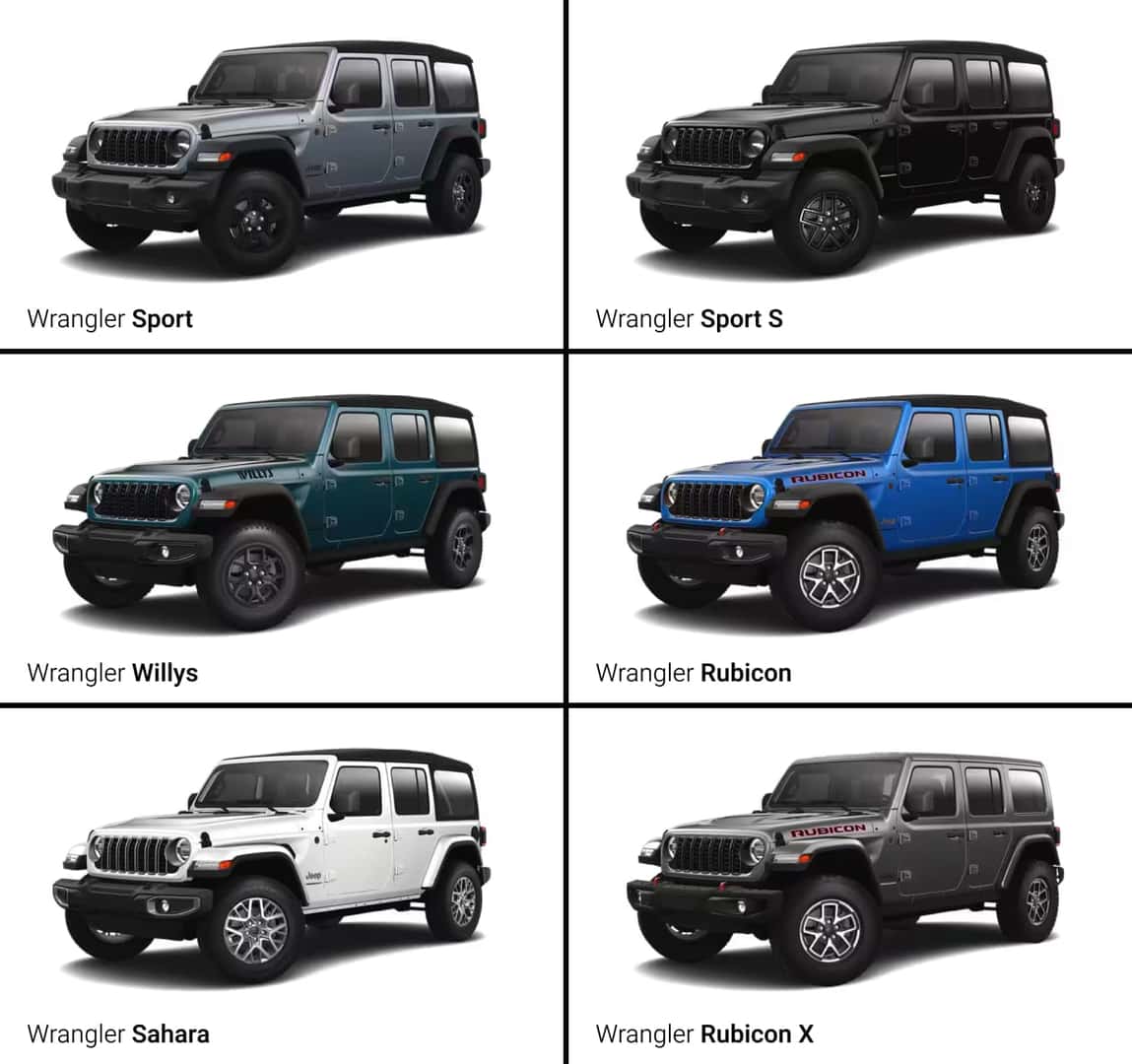
Since 2003, the Rubicon has become a key part of the Jeep lineup. Each new Wrangler generation—JK (2007), JL (2018)—has included a Rubicon version. These models have added more advanced features, like electronic sway bar disconnects and improved suspension. The Rubicon name now means top-of-the-line off-road ability.
Notable Rubicon Milestones
- 2003: First Rubicon introduced (TJ platform).
- 2005: Rubicon Unlimited (longer wheelbase) launched.
- 2007: JK Rubicon with four-door Unlimited model.
- 2018: JL Rubicon with new tech like LED lights and modern interior.
- 2021: Rubicon 392 with V8 engine for extreme performance.
Each update has kept the spirit of the original 2003 model but brought new technology and comfort.
Two Insights Many Miss About The Jeep Rubicon
Many people believe the Rubicon is only for hardcore off-roaders. While it’s true that its features shine in tough conditions, the Rubicon is also comfortable for daily driving.
It comes with options like heated seats, advanced infotainment, and safety features that make it practical for city use.
Another detail beginners miss: the Rubicon’s resale value is usually higher than other Wranglers. This is because its unique features are always in demand. People know the Rubicon is ready for adventure, so even used models sell quickly.
Practical Advice For Jeep Rubicon Buyers
If you’re thinking about buying a Jeep Rubicon, here are some tips:
- Decide if you really need the extra off-road features. If you mostly drive on paved roads, a standard Wrangler may be enough.
- Check for signs of heavy use if you buy used. Many Rubicons are taken off-road, so look for damage underneath.
- Remember that the Rubicon rides a bit firmer and has more road noise due to its aggressive tires.
- Consider insurance costs. Because it’s more expensive and has special parts, insurance can be higher.
Jeep Rubicon In Popular Culture
The Rubicon isn’t just famous among off-road fans. It has appeared in movies, TV shows, and car magazines.
Its rugged look and go-anywhere reputation have made it a symbol of adventure. Even people who never plan to leave the pavement like the Rubicon’s style.
One example: The Rubicon has been featured in Motor Trend’s “Four Wheeler of the Year” testing, often winning or finishing near the top. This shows its respect in the automotive world.
For more technical details and a full history, you can check the Jeep Wrangler Wikipedia page.
Frequently Asked Questions
When Did The Jeep Rubicon First Come Out?
The first Jeep Wrangler Rubicon was released in 2003 on the TJ platform. It was designed for serious off-road use.
What Makes The Rubicon Different From Other Jeeps?
The Rubicon includes Dana 44 axles, a 4:1 Rock-Trac transfer case, front and rear locking differentials, and larger tires. These features are not standard on other Wrangler models.
Is The Rubicon Good For Daily Driving?
Yes, the Rubicon can be used every day. However, its off-road tires and suspension make the ride a bit stiffer and noisier compared to regular SUVs.
Has The Rubicon Always Been Available?
Since 2003, there has been a Rubicon version for every Wrangler generation. There are even special editions, like the Rubicon 392 with a V8 engine.
Is The Rubicon Worth The Extra Cost?
If you plan to do serious off-roading, the Rubicon’s features are worth it. For mostly city driving, a less expensive Wrangler may be a better choice.
The Jeep Rubicon’s debut in 2003 changed what people expect from a factory 4×4. Its advanced features, strong resale value, and lasting reputation make it a smart pick for adventure lovers and collectors alike.