The Jeep brand has a unique history that blends military innovation, American industry, and lasting popularity. If you’ve ever wondered when Jeep first appeared, you’re not alone. Many car lovers and casual drivers recognize Jeep as a symbol of adventure, but few know the real story behind its beginnings. Let’s explore the year Jeep came out, the events that shaped its launch, and how it grew into the brand we know today.
The Birth Year: Jeep’s Origin Story
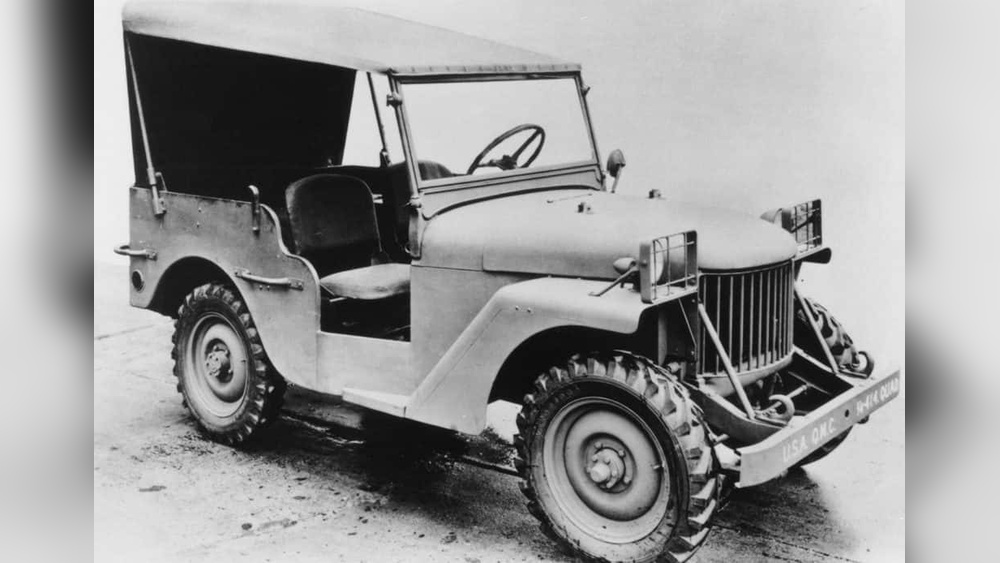
Jeep first came out in 1941. This was during World War II, a time when the United States needed a tough, reliable vehicle for military use. The U.S. Army asked several companies to design a small, four-wheel-drive vehicle. The goal was simple: create a car that could handle rough terrain, carry troops, and survive in battle.
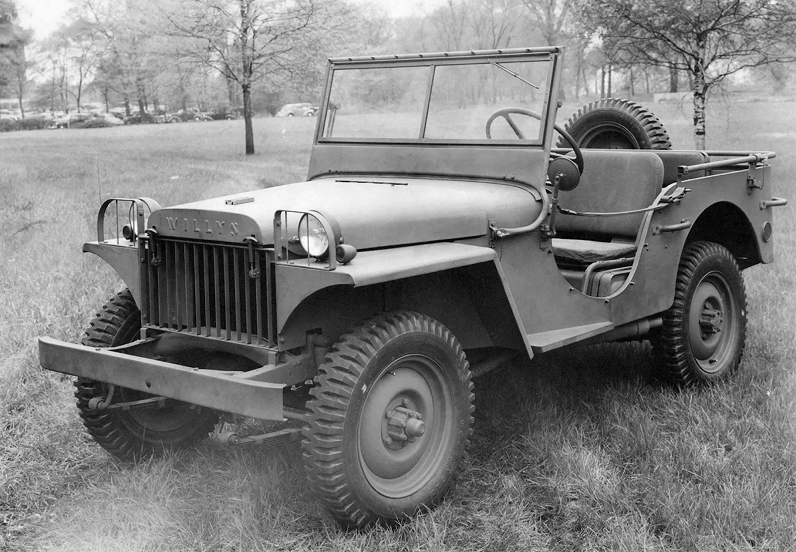
The result was the Willys MB, which became the first official Jeep. Willys-Overland won the contract, but Ford and Bantam also played roles in early production. The Willys MB’s design set the standard for all future Jeeps. The process was intense—companies had only a few weeks to create prototypes, and the Army tested them under harsh conditions. Willys-Overland’s design succeeded because it was strong, simple, and easy to fix in the field.
Why 1941 Matters
1941 marks the Jeep’s introduction not only to the military but also to the world. This year is important because:
- It was the start of mass production for the U.S. Army.
- The Jeep helped win battles and supported troops.
- The design influenced post-war civilian vehicles.
Jeep became a symbol of American strength and creativity. Soldiers relied on these vehicles for everything from carrying supplies to moving the wounded.
The Willys MB’s ability to handle mud, sand, and rocky roads made it a favorite among troops.
Even generals and war correspondents used Jeeps for quick movement across battlefields. This reputation for reliability was key to its later success.
Early Jeep Models: Military To Civilian
After 1941, Jeep quickly grew in popularity. The original Jeep, the Willys MB, was used in many battles.
When the war ended, people saw how useful Jeeps were outside the military. Farmers, doctors, and construction workers began to want vehicles with the same toughness.
| Year | Model | Main Use |
|---|---|---|
| 1941 | Willys MB | Military |
| 1945 | CJ-2A | Civilian |
| 1947 | Willys Station Wagon | Family/Utility |
The CJ-2A was the first Jeep for civilians, released in 1945. It kept the rugged features but added comfort for daily life. For example, it had a tailgate, side-mounted spare tire, and better seats. This move helped Jeep become part of American culture. Soon, the Willys Station Wagon followed, offering more space for families and businesses. The success of these early models proved that people wanted vehicles that could do more than just drive on city streets.

Jeep’s Impact On The Auto Industry
Jeep’s launch in 1941 changed how people viewed cars. Before Jeep, most vehicles were not made for off-road use.
Jeeps showed that cars could be tough and flexible.
Comparison: Jeep Vs. Typical 1940s Cars
| Feature | Jeep (1941) | Standard Car (1941) |
|---|---|---|
| Drive Type | 4-wheel drive | 2-wheel drive |
| Terrain | Off-road | Paved roads |
| Durability | High | Medium |
| Main Use | Military | Family/commute |
Jeep’s strong design inspired other brands to develop SUVs and trucks. The idea of a car that could go anywhere became popular. Over time, automakers realized that many people wanted vehicles for outdoor activities like camping, fishing, and exploring. Jeep opened the door for the entire sport utility vehicle market. Even today, the “Jeep look”—boxy design, high ground clearance, and round headlights—remains popular. Some features, such as removable doors and roofs, set Jeep apart and are still loved by fans.
Key Moments After 1941
Jeep’s story didn’t stop after its launch year. Here are some important milestones:
- 1945: The first civilian Jeep, the CJ-2A, hits the market.
- 1953: Willys-Overland is bought by Kaiser Motors.
- 1970: American Motors Corporation (AMC) takes over Jeep.
- 1987: Chrysler purchases Jeep, expanding its reach.
- 2021: Jeep launches electric and hybrid models.
These events show Jeep’s ability to adapt and grow. Each new owner brought changes, but the basic idea stayed the same: build reliable, adventurous vehicles. For example, the 1984 Jeep Cherokee introduced a new kind of SUV—smaller and easier to drive, but still strong. The modern push toward electric and hybrid Jeeps shows the brand’s commitment to staying current while keeping its classic spirit.
Non-obvious Insights About Jeep’s Launch
Many people think Jeep was only made for war. But from the start, Jeep was designed to be multi-purpose. The Army wanted a car that could carry radios, tow weapons, and even serve as an ambulance. This flexibility made Jeep valuable in both war and peace. After the war, this adaptability helped the brand succeed in farming, construction, and even firefighting.
Another thing beginners miss: Jeep’s name did not come from the company. Soldiers started calling the vehicle “Jeep” as a nickname. Some believe it came from “GP,” which stood for “General Purpose” or “Government Purpose.” The name stuck because it was easy to say and remember. Over time, the Jeep name became more famous than any model or company involved. The brand even had to fight legal battles to keep its unique name.
Jeep’s Lasting Legacy
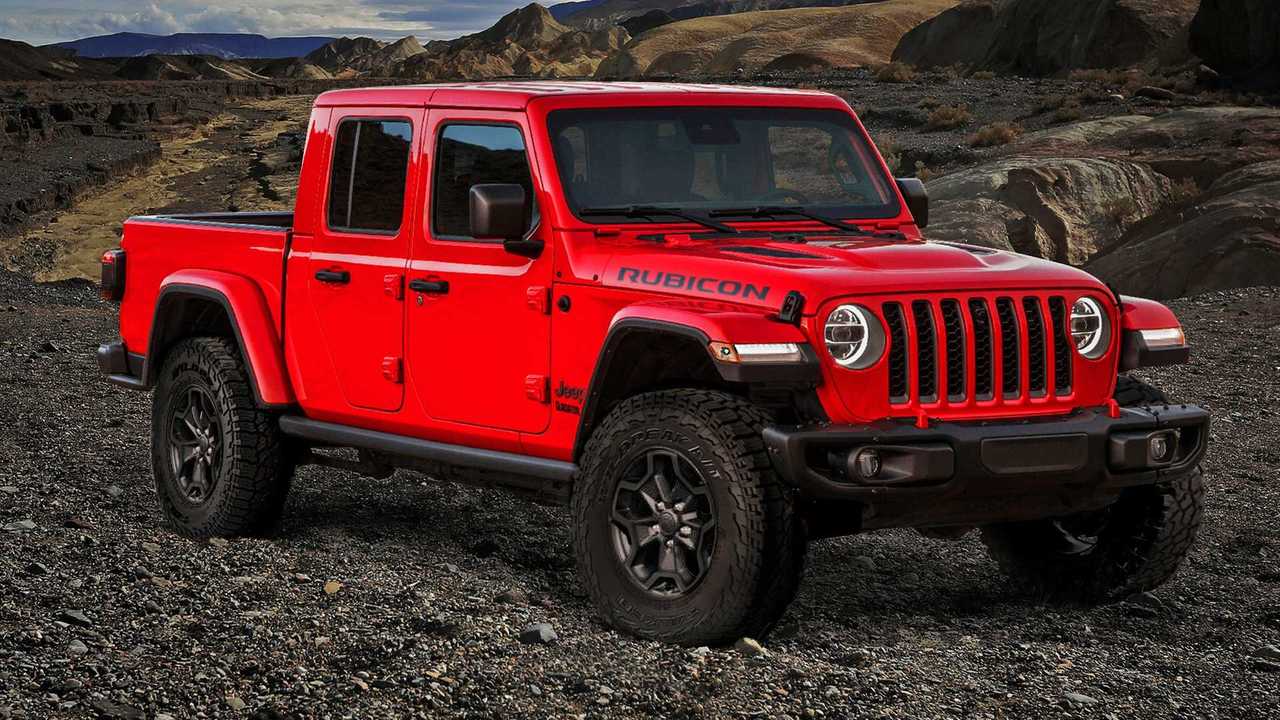
Jeep’s 1941 debut set the stage for a long history of innovation. Today, Jeep is famous for models like the Wrangler and Grand Cherokee. The brand is sold in more than 100 countries. Jeep’s original focus on durability and off-road ability still guides its designs.
Jeep’s Popularity In Numbers
- Jeep sold over 1.5 million vehicles worldwide in 2023.
- The Wrangler is one of the top-selling SUVs in the U.S.
- Jeep fans often join clubs and groups for off-road adventures.
Jeep’s impact goes beyond cars. It’s part of American culture, used in movies, music, and advertising.
The “Jeep wave” a simple hand gesture between drivers is a tradition that shows the strong community among owners. In some places, old Jeeps are still used daily, proving their lasting quality.
The brand’s image is tied to ideas of freedom, exploration, and resilience, making it appealing across generations.
Frequently Asked Questions
When Did Jeep First Come Out?
Jeep was first released in 1941 for use by the U.S. military.
Who Built The First Jeep?
The first Jeep was built by Willys-Overland, with help from Ford and Bantam in early production.
What Was The First Civilian Jeep Model?
The CJ-2A was the first civilian Jeep, launched in 1945 after World War II.
Why Was Jeep Created?
Jeep was created to meet the U.S. Army’s need for a durable, all-terrain vehicle during World War II.
Is Jeep Still An American Company?
Jeep is owned by Stellantis, a global company formed from Fiat Chrysler Automobiles and PSA Group, but it keeps strong American roots.
Jeep’s journey from a 1941 military tool to a global brand is impressive. Its original design, flexibility, and reliability made it stand out. Whether you drive a Jeep or just admire its history, understanding when Jeep came out helps you appreciate its role in both the auto industry and American culture. For more details on Jeep’s history and models, visit Wikipedia.