The history of Dodge and Jeep is a fascinating story in the American automotive world. Both brands have shaped how people view rugged, powerful vehicles.
Many car enthusiasts wonder: *What year did Dodge buy Jeep? * The answer reveals much about the changing landscape of US car manufacturing.
This article explores the events, players, and impacts behind Dodge’s acquisition of Jeep, and clarifies some common misconceptions about these iconic brands.
Jeep Before Dodge: A Brief Background
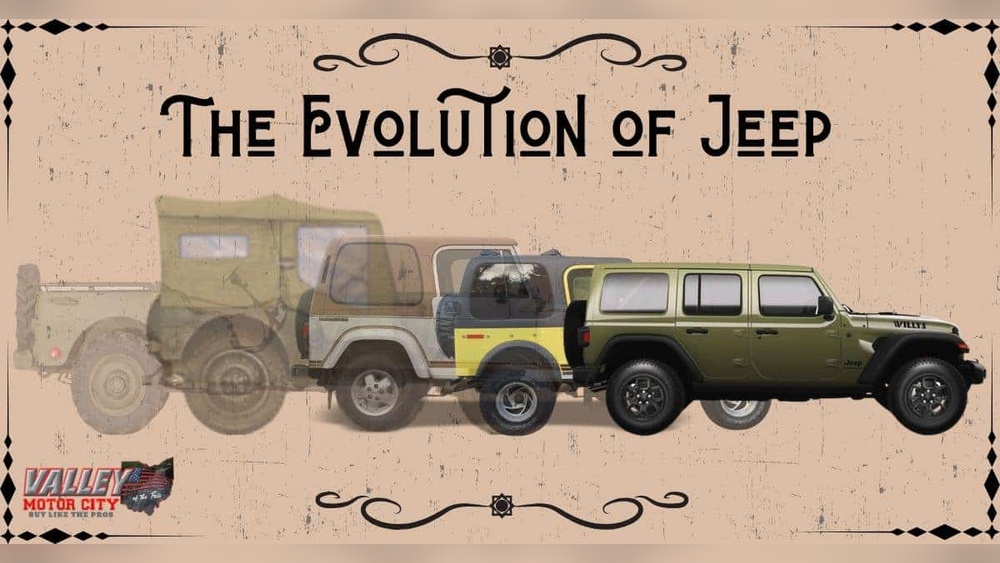
Jeep’s origins trace back to World War II, when the United States military needed a tough, reliable vehicle. The first Jeep was built by Willys-Overland in 1941. Jeep quickly became a symbol of American strength and innovation.
After the war, Jeep shifted focus to civilian vehicles. The brand became known for its rugged 4x4s and off-road capability. Over the years, Jeep changed hands several times:
- Willys-Overland (1941-1953)
- Kaiser Motors (1953-1970)
- American Motors Corporation (AMC) (1970-1987)
Each owner shaped Jeep’s direction, but the brand always kept its adventurous spirit.
The Dodge And Jeep Connection
Many people mistakenly think Dodge directly bought Jeep. In reality, it was a larger company—Chrysler Corporation—that acquired Jeep. Dodge is a brand under Chrysler, so the relationship is more complex than a simple purchase.
Chrysler’s Acquisition Of Amc (and Jeep)
In 1987, Chrysler Corporation bought American Motors Corporation (AMC). AMC owned Jeep at the time. Chrysler’s primary reason for the acquisition was Jeep’s popularity and strong reputation.
Key facts about the deal:
- Year: 1987
- Amount: $1.5 billion
- Chrysler’s CEO: Lee Iacocca
- Why Jeep? Jeep’s SUV sales and brand loyalty made it a valuable asset.
After the deal, Jeep became part of Chrysler’s portfolio. Dodge, already a Chrysler division, gained a new sibling under the same corporate umbrella.
Dodge’s Role After The Acquisition
Once Chrysler owned Jeep, Dodge and Jeep worked together in several ways:
- Shared engineering and parts (for cost savings)
- Combined marketing efforts
- Cross-brand innovations (like using Jeep’s 4×4 technology in Dodge vehicles)
However, Dodge did not buy Jeep. Instead, both brands were united under Chrysler’s leadership.
Timeline Of Jeep Ownership
Here’s a clear timeline showing Jeep’s main owners and when Dodge became a “sibling” brand:
| Year | Owner | Major Events |
|---|---|---|
| 1941-1953 | Willys-Overland | Birth of Jeep for WWII |
| 1953-1970 | Kaiser Motors | Expansion to civilian models |
| 1970-1987 | American Motors (AMC) | Jeep becomes SUV leader |
| 1987-present | Chrysler (includes Dodge) | Jeep joins Chrysler family |
Why Did Chrysler Want Jeep?
Chrysler’s leadership saw Jeep as more than just another car brand. In the late 1980s, SUVs were gaining popularity. Jeep’s strong reputation and loyal customer base made it a strategic asset.
Some reasons Chrysler wanted Jeep:
- Jeep dominated the growing SUV market
- Jeep’s off-road expertise was unmatched
- The Jeep brand had global recognition
Lee Iacocca, Chrysler’s CEO, believed Jeep would help Chrysler compete against Ford and GM, especially as SUVs started outselling traditional sedans.
Dodge And Jeep: Brand Comparison
After the acquisition, Dodge and Jeep became part of the same company. They still offered different vehicles and targeted different customers. Here’s a quick comparison:
| Brand | Main Focus | Popular Models |
|---|---|---|
| Dodge | Performance, trucks, muscle cars | Ram, Charger, Durango |
| Jeep | Off-road, SUVs, adventure | Wrangler, Grand Cherokee, Compass |
While Dodge focused on speed and power, Jeep built its reputation on off-road capability and ruggedness. The brands remained separate in style but shared resources.
Changes After Chrysler’s Purchase
After Chrysler acquired Jeep, several changes happened:
- New Models: Chrysler invested in Jeep, leading to new models like the Grand Cherokee.
- Shared Technology: Dodge and Jeep began using similar engines and parts.
- Global Expansion: Jeep started selling more vehicles worldwide.
One non-obvious insight: Jeep’s success after the acquisition showed that a strong brand can thrive under new management, if the new owner respects its unique identity. Chrysler kept Jeep’s adventurous spirit, instead of forcing it to become another Dodge.
Later Corporate Changes
Chrysler itself went through several mergers and changes after acquiring Jeep:
- 1998: Chrysler merged with Daimler-Benz (became DaimlerChrysler).
- 2007: Chrysler became independent again.
- 2009: Chrysler filed for bankruptcy and partnered with Fiat.
- 2021: Chrysler (now FCA) merged into Stellantis.
Jeep and Dodge stayed together through all these changes, but the brands remained distinct.
Common Misconceptions
Many people believe Dodge bought Jeep directly, but that’s not accurate. The truth is:
- Chrysler bought AMC (and Jeep) in 1987
- Dodge is a Chrysler division, not the buyer
- Jeep and Dodge work together, but are different brands
Another insight: If you see Dodge and Jeep vehicles sharing parts or technology, it’s because they belong to the same parent company, not because Dodge owns Jeep.
Frequently Asked Questions
What Year Did Dodge Buy Jeep?
Dodge did not buy Jeep directly. Chrysler bought Jeep in 1987 when it acquired American Motors Corporation. Dodge, as part of Chrysler, became Jeep’s corporate sibling.
Who Owned Jeep Before Chrysler?
Jeep was owned by American Motors Corporation (AMC) before Chrysler. Prior to AMC, Jeep was owned by Kaiser Motors and originally by Willys-Overland.
Are Jeep And Dodge The Same Company Now?
Jeep and Dodge are brands under the Stellantis group (formerly Chrysler/FCA). They share resources but are marketed as separate brands.
Did Jeep Ever Make Cars For Dodge?
Jeep did not make cars for Dodge, but both brands have shared technology, parts, and platforms after Chrysler’s acquisition. Some Dodge SUVs use Jeep’s 4×4 systems.
Is Jeep Still An American Brand?
Yes, Jeep is still considered an American brand. Its headquarters are in Michigan, and most Jeep vehicles are designed and built in the US, although Stellantis is a global company.
Final Thoughts
The story of Jeep’s ownership reveals how the car industry changes through smart business moves. Dodge did not buy Jeep, but both brands became part of the same family when Chrysler bought AMC in 1987. This move helped Jeep grow and protected its unique identity. Today, Jeep and Dodge remain strong, each with loyal fans and distinct vehicles.
For more details on Jeep’s history, see the Jeep Wikipedia page.