A Jeep that won’t start can ruin your day fast. Whether you’re heading to work or planning a road trip, a sudden problem can leave you stranded.
Many drivers think it’s just the battery, but the real cause can be much deeper. If you understand the main reasons a Jeep won’t start, you can fix issues faster, avoid expensive repairs, and keep your vehicle reliable.
Let’s explore the most common causes, how to spot them, and what you can do to get your Jeep running again.
Common Reasons Your Jeep Won’t Start
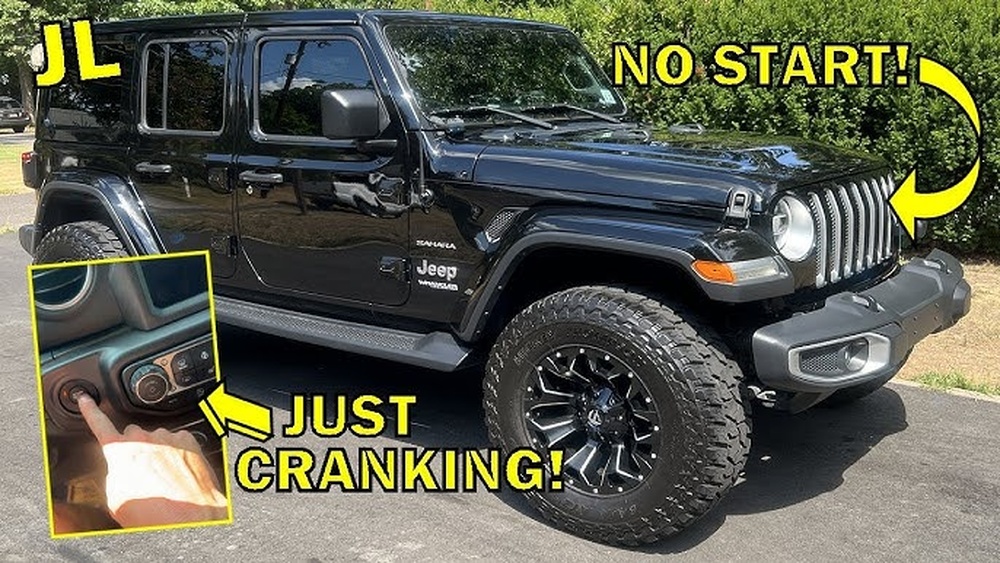
A Jeep is like any other car it needs the right mix of power, fuel, and air to fire up. When it fails to start, one or more of these systems may be failing.
Battery Problems
The battery is the heart of your Jeep’s electrical system. If it’s dead or weak, your engine won’t turn over. Signs include clicking noises, dim lights, or no power at all.
| Battery Age | Chance of Failure | Recommended Action |
|---|---|---|
| Less than 2 years | Low | Check connections |
| 2-4 years | Medium | Test battery voltage |
| Over 4 years | High | Replace battery |
Many drivers don’t realize that corroded battery terminals can block power even if the battery is new. Cleaning terminals with a wire brush can sometimes solve the issue.
Starter Motor Issues
The starter motor is what turns the engine when you turn the key. If the starter fails, you’ll hear a single click or nothing at all. Starters often last 60,000–100,000 miles, but rough driving or mud exposure can shorten their life.
- Symptoms: Repeated clicking, grinding noise, or engine fails to turn.
- Fix: Replace the starter or check wiring.
Ignition Switch Failure
The ignition switch sends power to the starter and other systems. If it fails, your Jeep may not respond at all or only some accessories turn on. Older Jeeps are more prone to this problem.
- Clues: No dash lights, radio doesn’t work, or key feels loose.
Fuel System Problems
A Jeep needs fuel to start. If the fuel pump, filter, or injectors fail, the engine won’t get gas. Modern Jeeps have electronic fuel pumps that can suddenly stop working.
| Fuel System Component | Failure Rate (%) | Typical Symptoms |
|---|---|---|
| Fuel Pump | 12 | No engine sound, sputtering |
| Fuel Filter | 8 | Slow start, rough idle |
| Injectors | 5 | Misfire, uneven running |
Engine Sensors And Computer
Modern Jeeps use sensors and a computer (ECU) to control starting. If sensors like the crankshaft position sensor fail, the Jeep won’t know when to fire the spark plugs.
- Example: A Jeep Wrangler with a bad crankshaft sensor often shows “no start” with no codes.
- Tip: Scan for error codes with an OBD-II tool to spot sensor issues.
Security System And Immobilizer
Many Jeeps have a security system that prevents theft. If the system or key chip fails, the engine won’t start. You may see a flashing “security” light.
- Solution: Use a spare key or reset the system.
Less Obvious Causes
Some problems aren’t as obvious but can stop your Jeep cold.
Bad Fuses Or Relays
A simple blown fuse or relay can block power to the starter or fuel pump. Always check your fuse box if your Jeep is dead.
Faulty Wiring
Wiring problems can cause “intermittent no start. ” Look for loose or frayed wires under the hood, especially after off-road driving.
Dirty Air Filter
An air filter clogged with dust can make starting hard, especially in older Jeeps. Replacing it is cheap and quick.
Diagnosing The Problem
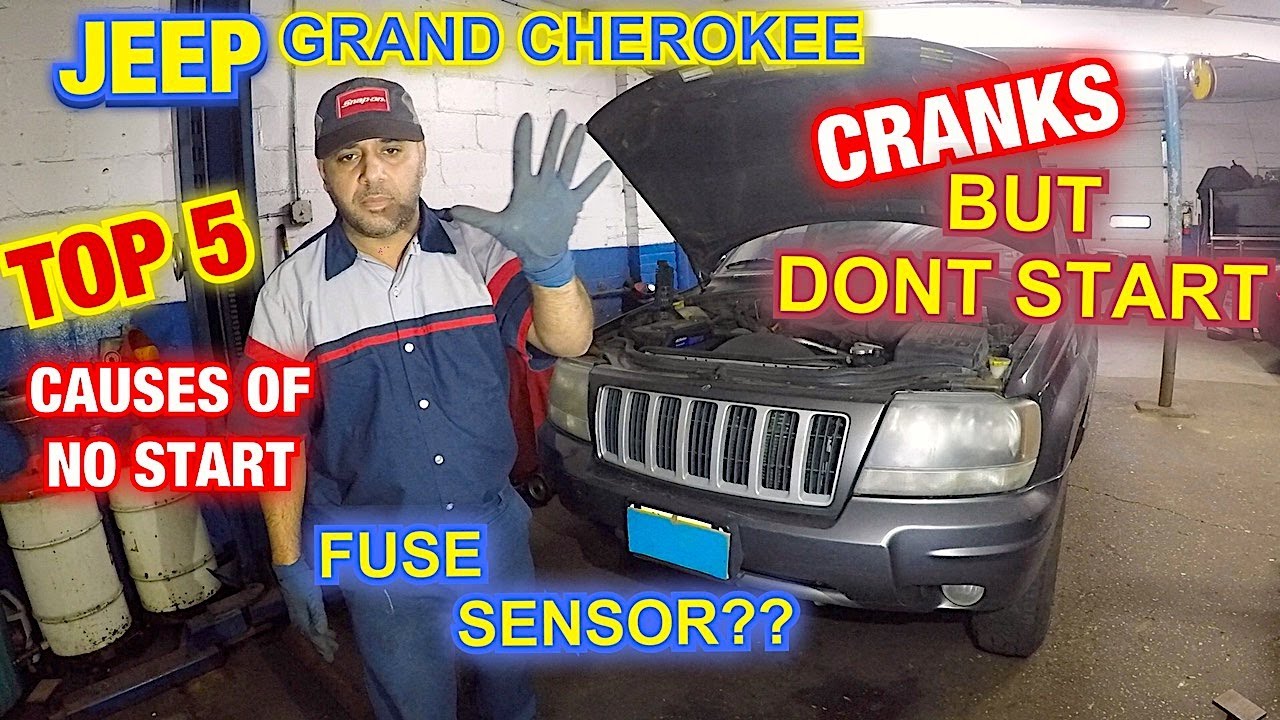
Finding the cause quickly saves time and money. Here’s a simple step-by-step process:
- Check for dashboard lights. No lights means electrical issue.
- Listen for clicks or grinding. Clicking suggests battery or starter.
- Try headlights and radio. If they don’t work, battery is likely dead.
- Smell for fuel. No smell may mean fuel system failure.
- Scan for codes. Use an OBD-II scanner for sensor issues.
| Step | Possible Cause | Next Action |
|---|---|---|
| No dash lights | Battery, wiring | Test battery voltage |
| Clicking sound | Starter, battery | Check starter and battery |
| No fuel smell | Fuel pump | Check fuel pressure |
Real-world Example
A Jeep Grand Cherokee owner found his vehicle wouldn’t start after parking overnight. He first checked the battery, which was fine.
Next, he noticed all dash lights worked, but the engine made no sound. After checking the starter, he discovered a blown fuse for the fuel pump.
Replacing the fuse solved the problem in minutes.

Practical Tips For Jeep Owners
- Replace your battery every 4 years, even if it seems healthy.
- Keep a spare key for security system resets.
- Clean battery terminals twice a year.
- Scan for codes before guessing at repairs.
- Inspect wiring after off-road trips.
Many Jeep owners skip regular checks, leading to surprise failures. Spending 10 minutes on inspection can save hours of frustration.
When To Call A Mechanic
If you try the steps above and your Jeep still won’t start, it’s time to call a professional. Issues like ECU failure or advanced wiring problems require special tools and knowledge.
A trusted mechanic can diagnose problems in under an hour, while DIY guesses may take days. If you need more info, the Jeep Wikipedia page offers detailed history and technical details.

Frequently Asked Questions
What If My Jeep Clicks But Won’t Start?
A clicking sound usually means a weak battery or a failing starter motor. Try jump-starting first. If that fails, test the starter.
Why Does My Jeep Crank But Not Fire Up?
If the engine turns but doesn’t start, check the fuel system and spark plugs. It could be a bad fuel pump or faulty sensor.
Can A Bad Key Cause My Jeep Not To Start?
Yes. If your Jeep has a chip key or security system, a damaged key can block starting. Try a spare key or reset the system.
How Often Should I Replace My Jeep’s Battery?
Most experts recommend changing your battery every 4 years. Extreme heat or cold can shorten its life.
What Does “no Start, No Dash Lights” Mean?
It usually points to a dead battery, bad wiring, or a blown main fuse. Check battery voltage and fuses first.
A Jeep that won’t start doesn’t have to be a mystery. With a little knowledge and the right steps, you can often find and fix the cause yourself.
Regular checks and smart troubleshooting keep your Jeep ready for adventure, every day.