The image of a rugged, boxy vehicle climbing rocky trails often brings one word to mind: Jeep. But where did this iconic vehicle begin?
The story of the first Jeep is not just about a car—it’s about war, innovation, and a design that forever changed off-road vehicles. Let’s explore how the Jeep came to life, what made it unique, and why it’s still so influential today.
The World Before The Jeep
In the late 1930s, most military vehicles were heavy and slow. Armies needed something faster and lighter, a vehicle that could go almost anywhere.
The U. S.
Army realized this gap as World War II approached. They wanted a small, four-wheel-drive vehicle for scouting, carrying soldiers, and hauling equipment.
The Birth Of A Legend: The First Jeep
In 1940, the U.S. Army sent out a request to 135 car companies for a new kind of vehicle. The requirements were tough: it had to weigh under 1,300 pounds, have four-wheel drive, and hold three people. Only three companies responded: American Bantam, Willys-Overland, and Ford.
The American Bantam Prototype
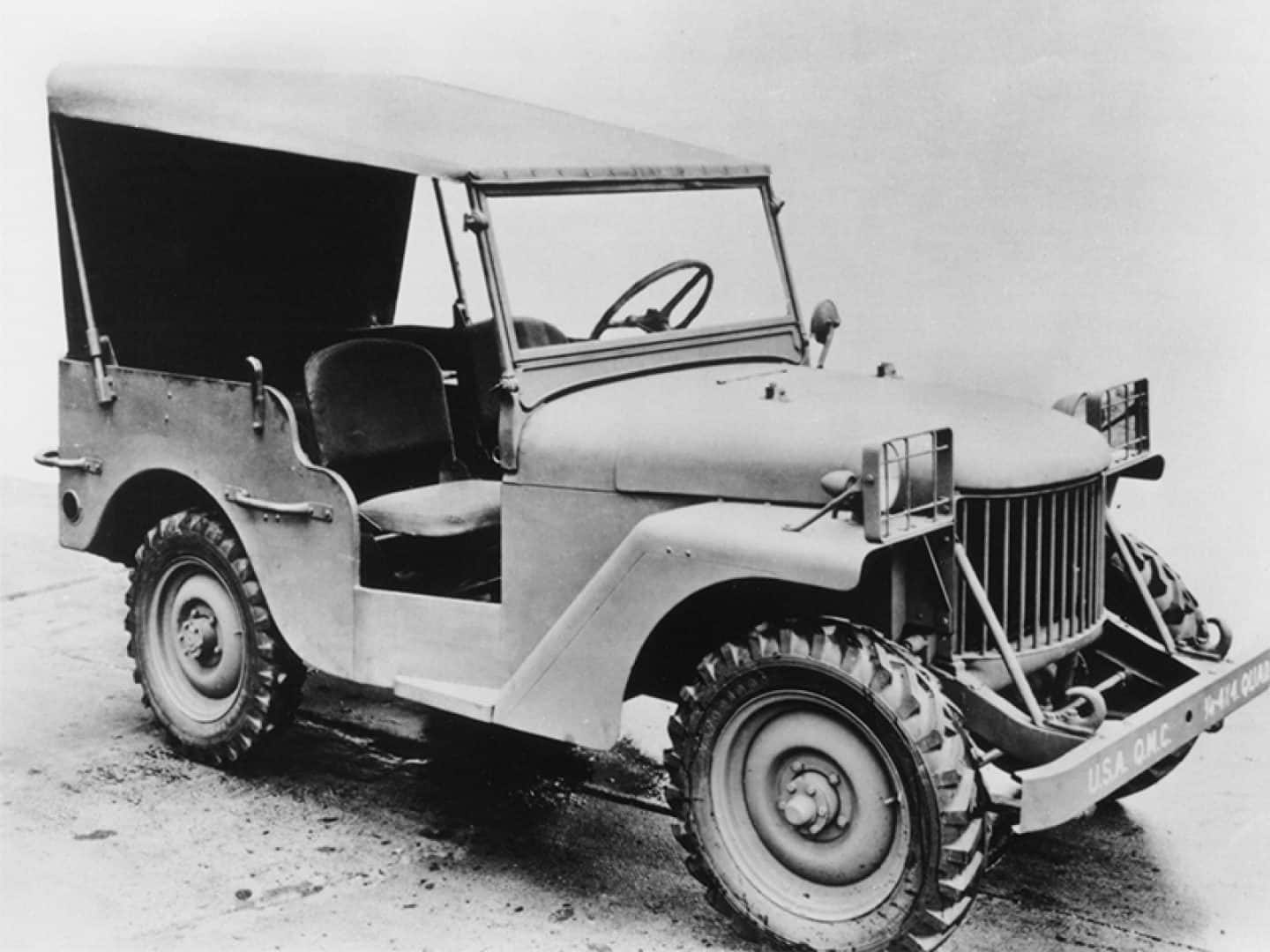
American Bantam was the first to deliver a working prototype. They called it the Bantam Reconnaissance Car (BRC). It was small, tough, and met most requirements. The Army was impressed, but Bantam was a small company and could not produce the large numbers needed. Still, their design set the foundation.
Willys And Ford Join The Race
After seeing Bantam’s design, Willys-Overland and Ford created their own versions. Willys called their model the Quad, while Ford named theirs the Pygmy. Both used ideas from Bantam’s prototype, but added their own touches.
Willys’ Quad had a stronger engine, the “Go Devil,” which became famous for its power and reliability. Ford’s version focused on simple production and easy repairs.
The Army tested all three and decided that Willys had the best overall package.
Willys got the main contract, but Ford was also asked to build Jeeps to meet demand, using the same Willys design.
What Made The First Jeep Special?
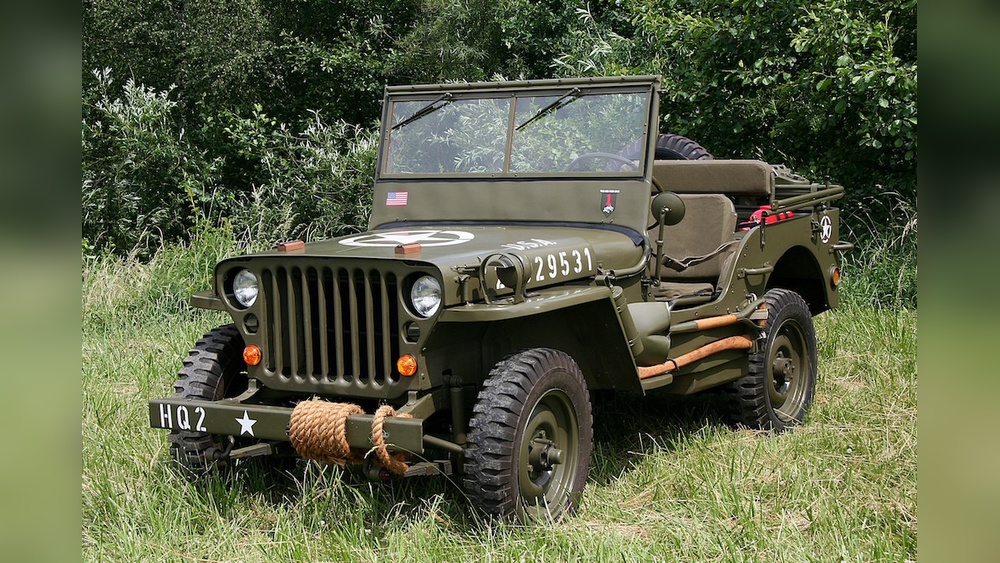
The first official Jeep was the Willys MB, built in 1941. Ford’s version was called the GPW. Both looked almost the same and shared key features.
| Feature | Willys MB | Ford GPW |
|---|---|---|
| Engine | Go Devil 2.2L | Go Devil 2.2L |
| Horsepower | 60 hp | 60 hp |
| Weight | 2,450 lbs | 2,450 lbs |
| Drive | Four-wheel drive | Four-wheel drive |
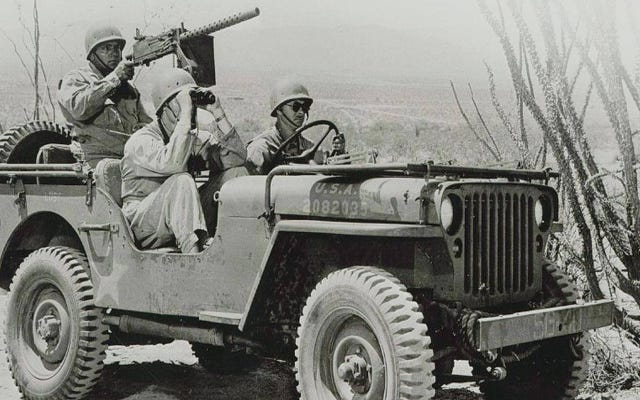
These vehicles were reliable, simple, and could go almost anywhere. Soldiers could fix them with basic tools. They were used for everything: transporting troops, carrying stretchers, even mounting guns.
Why Was It Called “jeep”?
The name “Jeep” has a few theories. Some say it came from the letters “GP,” meaning “General Purpose.” Others believe it was inspired by a popular cartoon character, Eugene the Jeep, who could go anywhere. What’s clear is that by the end of World War II, “Jeep” was the name everyone used.

Impact Of The First Jeep
The Willys MB became a symbol of American power and flexibility. Over 640,000 units were built during World War II.
Their off-road skills helped win battles in Africa, Europe, and the Pacific.
| Region | Jeep Role | Example Mission |
|---|---|---|
| Europe | Recon, transport | D-Day landings |
| Africa | Desert patrols | Long Range Desert Group |
| Pacific | Medical evacuation | Bougainville campaign |
After the war, many Jeeps were sold to civilians. This led to the creation of the Jeep CJ (Civilian Jeep), the start of today’s famous Jeep brand.
Non-obvious Insights
- The first Jeep was a mix of designs. While Willys got most of the fame, their design built on Bantam’s ideas and Ford’s production methods. The Jeep’s success was a team effort, not just one company’s work.
- The Jeep’s design influenced many vehicles. The flat fenders, seven-slot grille, and simple mechanics inspired off-road vehicles worldwide. Even today, the Jeep Wrangler uses design cues from the 1941 original.
Things Many Beginners Miss
- The first Jeep was not just for fighting. It did everything: Ambulance, tractor, generator, even railroad car. Its versatility was a big reason for its popularity.
- Not all Jeeps were the same. Early models from Willys and Ford had small differences, like weld marks and grill shapes. Collectors today value these unique details.
How The First Jeep Compares To Modern Jeeps
It’s easy to see how far the Jeep has come. Today’s models are much heavier, safer, and more comfortable.
But the original’s spirit—simple, tough, and ready for adventure—remains.
| Feature | Willys MB (1941) | Jeep Wrangler (2024) |
|---|---|---|
| Horsepower | 60 hp | 270-470 hp |
| Weight | 2,450 lbs | 4,000+ lbs |
| Safety | Basic | Advanced |
| Comfort | Minimal | Modern |
Why The First Jeep Still Matters
The first Jeep, the Willys MB, was more than a car; it was a tool that helped shape history. Its impact is seen in every off-road vehicle today.
People still restore old Jeeps, race them, and use them on farms and trails.
The Jeep’s story is about solving a problem with simple, smart engineering.
If you want to see the original Jeep in action or learn more, museums like the National Museum of the U.S. Army show restored models and share their history. For more details, you can also visit the Jeep Wikipedia page.