The Jeep Wrangler is one of the most recognizable vehicles on the road—and off it. With its boxy body, round headlights, and tough stance, it stands out in traffic. But what exactly is a Jeep Wrangler? Is it just a car with a different look, or is there something more to it? If you’ve ever wondered what type of vehicle a Jeep Wrangler really is, how it compares to other cars, or why so many people love it, you’re in the right place. This guide breaks down everything in simple terms, so you can understand what makes the Jeep Wrangler unique.
Defining The Jeep Wrangler
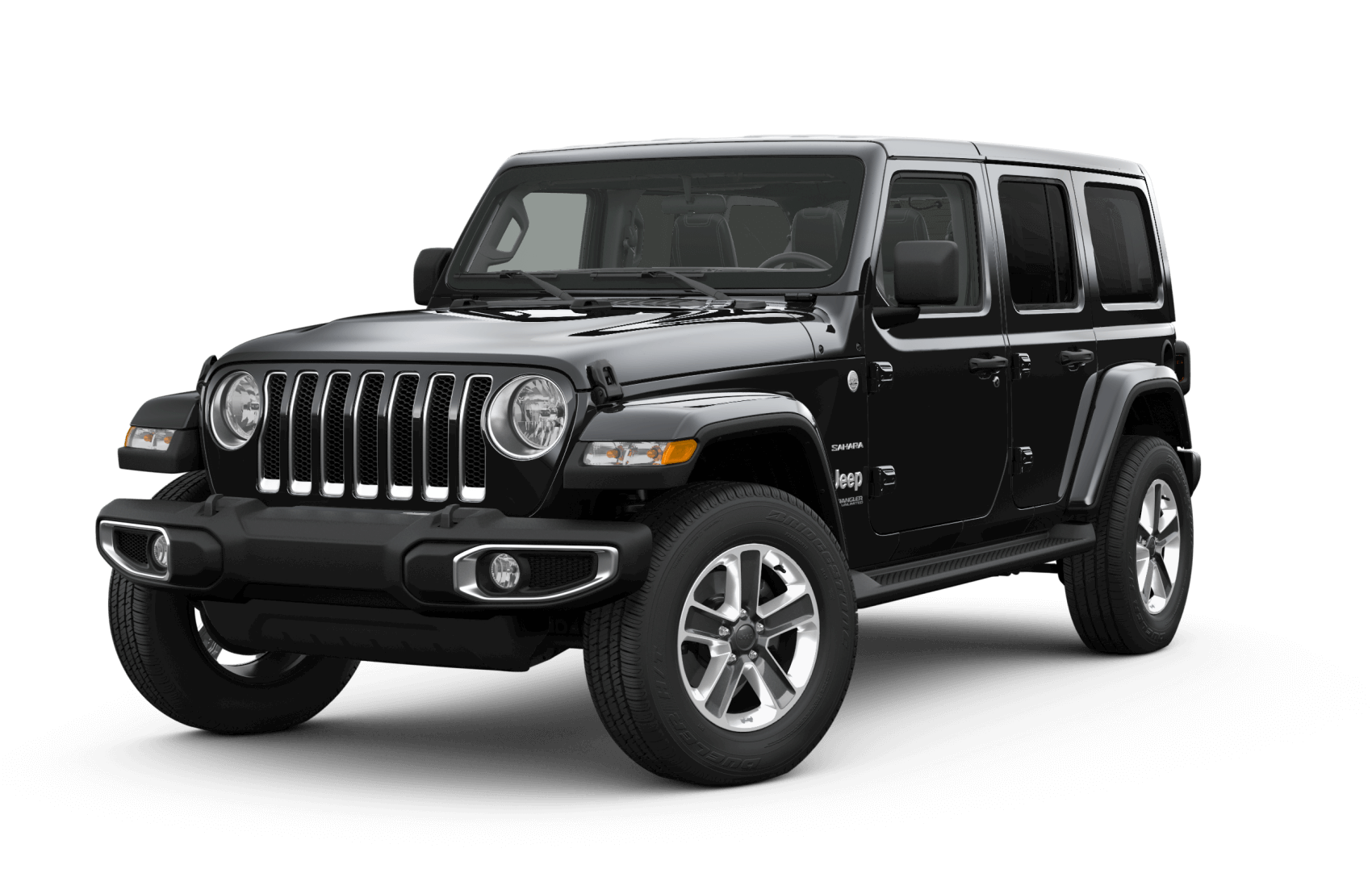
The Jeep Wrangler is a compact/midsize SUV (Sport Utility Vehicle) designed for both everyday driving and serious off-road adventures. Unlike many modern SUVs that focus on comfort and city use, the Wrangler is built to handle rough terrain, muddy trails, and rocky hills. Its roots go back to the original military Jeeps of World War II, which were famous for their toughness and ability to go almost anywhere.
Key characteristics:
- Body-on-frame construction (like trucks, not most modern SUVs)
- Solid front and rear axles for strength and durability
- Removable doors and roof for open-air driving
- Four-wheel drive (4WD) as standard or optional
In short, the Jeep Wrangler is not just an SUV. It’s a purpose-built, off-road-capable vehicle that keeps its classic style while adding modern features.
Vehicle Class: Suv, But Different
Many people call the Wrangler an SUV. That’s true, but it’s not like most SUVs you see today. Most SUVs use a car-like structure called “unibody,” which makes them smoother and lighter. The Jeep Wrangler uses a body-on-frame design, which is stronger for off-roading but can feel less smooth on city streets.
Suv Vs. Crossover
| Feature | Jeep Wrangler | Typical Crossover SUV |
|---|---|---|
| Construction | Body-on-frame | Unibody |
| Off-road capability | High | Low to moderate |
| Towing capacity | Higher (up to 3,500 lbs) | Lower (1,500–2,000 lbs) |
| Ride comfort | Firm, rugged | Softer, car-like |
| Removable roof/doors | Yes | No |
Insight: Many first-time buyers think all SUVs are the same. But the Wrangler’s design is closer to a pickup truck than to a crossover like the Toyota RAV4 or Honda CR-V.
Off-road Legend: What Makes The Wrangler Special
The Jeep Wrangler’s reputation is built on its off-road performance. It can handle conditions that would stop most cars and even many SUVs. Here’s what helps it stand out:
- Four-Wheel Drive (4WD): Most Wranglers come with advanced 4WD systems, letting you switch between 2WD and 4WD as needed.
- Ground Clearance: With up to 10.8 inches of ground clearance, it can drive over rocks and through deep ruts.
- Approach and Departure Angles: These angles tell you how steep a hill or obstacle the vehicle can climb or descend without scraping the bumpers.
- Water Fording: The Wrangler can drive through water up to 30 inches deep (with proper equipment).
- Locking Differentials and Sway Bar Disconnect: These allow better traction and flexibility in tough terrain.
Example: Rubicon Model
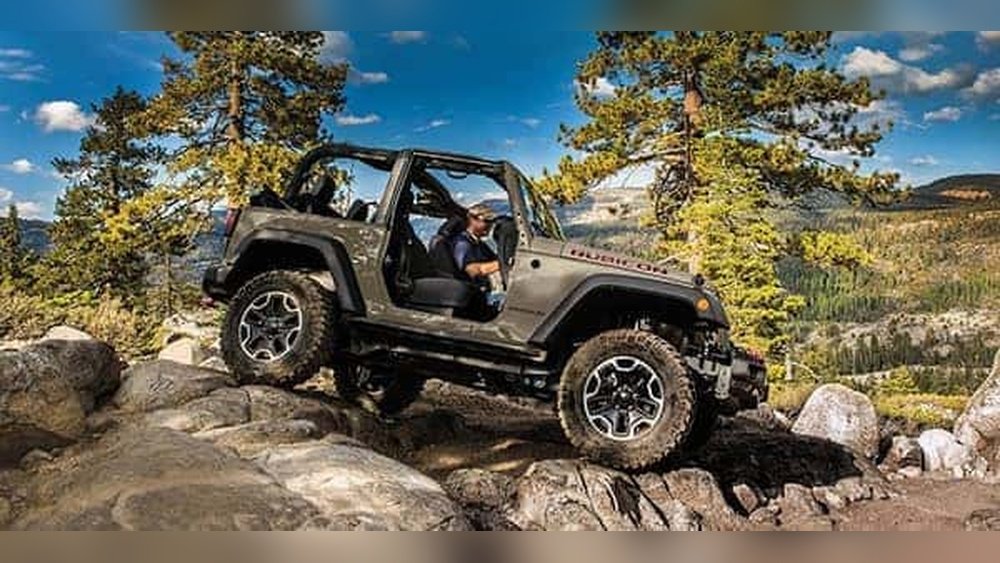
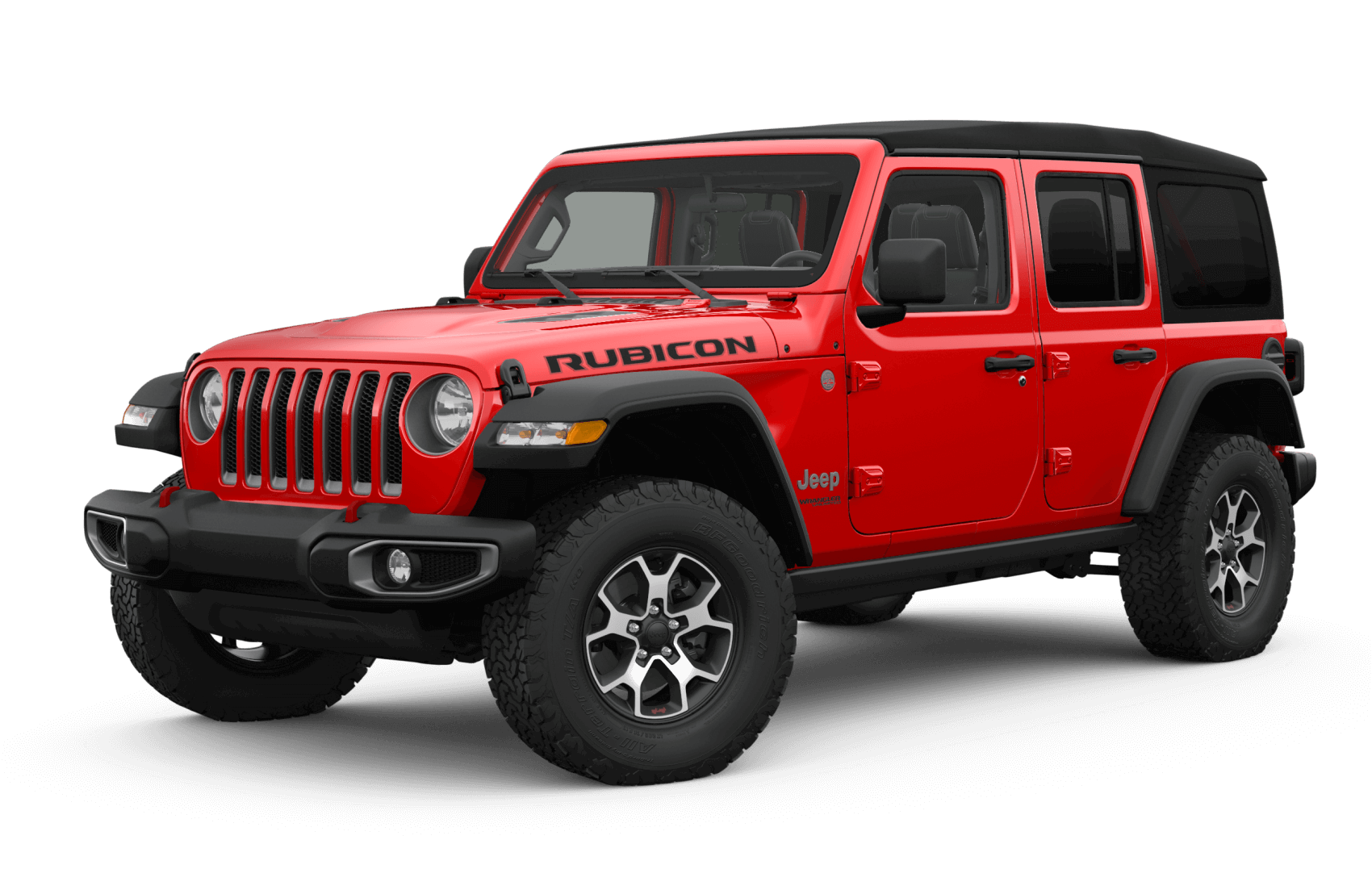
The Wrangler Rubicon is the most off-road-focused version. It comes with special tires, stronger axles, and extra features for difficult trails. Many off-road enthusiasts choose the Rubicon for its capability right from the factory—no big upgrades needed.
Everyday Use: City And Highway
While the Wrangler is famous for off-roading, many people use it as their daily car. It fits five people, has modern tech, and is comfortable for most trips. However, there are some things to know:
- Ride: The ride is firmer and noisier than most crossovers.
- Fuel economy: Average is about 20–22 mpg, less than most small SUVs.
- Cargo space: Decent for camping gear, groceries, or luggage, but less than some larger SUVs.
- Maneuverability: Its boxy shape makes city parking easier, but the turning circle is wider than a compact car.
Tip: If you want a Wrangler mainly for city driving, test drive it first. The experience is different from most cars or SUVs.
Key Models And Generations
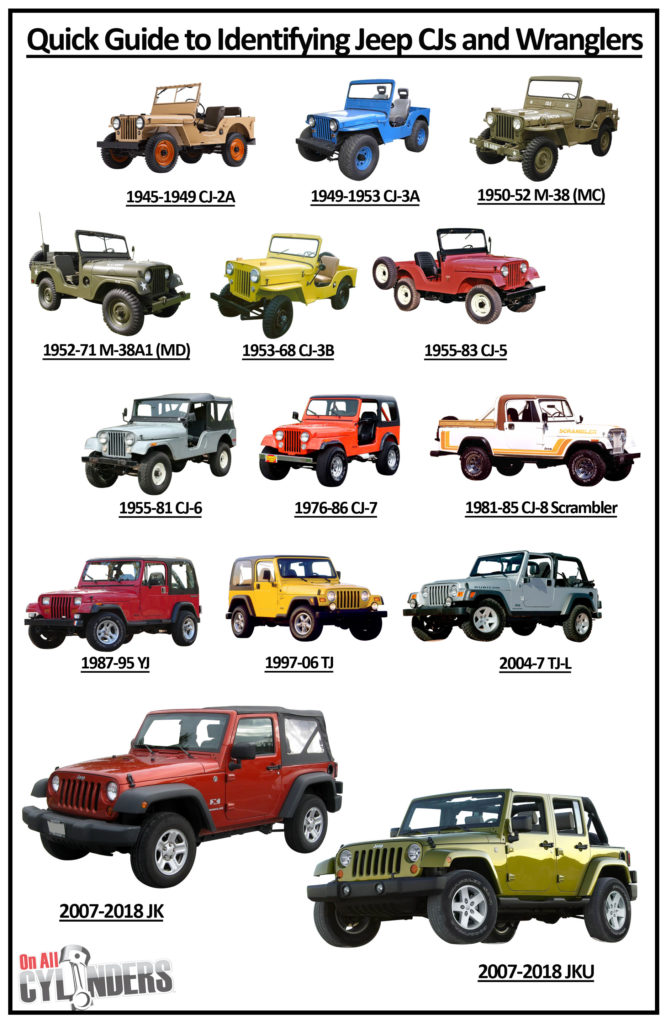
The Wrangler has gone through several generations, each with improvements in comfort, safety, and performance. Here’s a quick look at the main ones:
| Generation (Code) | Years | Notable Features |
|---|---|---|
| YJ | 1987–1995 | Square headlights, leaf springs |
| TJ | 1997–2006 | Round headlights, coil springs |
| JK | 2007–2018 | Four-door Unlimited model added |
| JL | 2018–present | Modern tech, lighter design |
Non-obvious insight: The four-door Wrangler Unlimited (first offered in 2007) made the Wrangler much more practical for families and road trips. Before that, it was only a two-door vehicle.
Convertible Features: Open-air Freedom
One thing that sets the Jeep Wrangler apart is its removable roof and doors. Few vehicles offer this true open-air experience.
- Soft top: Made of heavy fabric, easy to remove or fold down.
- Hardtop: More secure and quiet, but heavier to remove.
- Removable doors: All Wranglers allow you to take off the doors with basic tools.
- Fold-down windshield: A feature that goes back to classic Jeeps, though used less today.
Why does this matter? For many owners, this is a key part of the Wrangler’s fun. You can drive with the sun and wind all around you—something you can’t do in most SUVs.
Trim Levels And Special Editions
The Wrangler comes in many trims, from basic to luxury. Here are some common ones:
- Sport: The entry-level, with all the basics for off-roading.
- Sahara: More comfort and tech features, good for mixed use.
- Rubicon: Maximum off-road capability.
- Willys: Retro look, off-road features.
- High Altitude: Focus on luxury and style.
Special editions often celebrate Jeep’s history or offer unique colors and options.
Engine Options And Performance
The modern Wrangler offers a range of engines, including:
- 3.6L V6: The most common, reliable, and balanced for power and fuel economy.
- 2.0L Turbo I4: Offers good power with better fuel efficiency.
- 3.0L EcoDiesel V6: High torque for towing and off-roading.
- 6.4L V8 (Rubicon 392): Extreme power for those who want a muscle SUV.
- Plug-in Hybrid (4xe): Combines electric and gas for lower emissions and strong torque.
| Engine Option | Horsepower | Torque (lb-ft) | MPG (combined) |
|---|---|---|---|
| 3.6L V6 | 285 | 260 | 20 |
| 2.0L Turbo I4 | 270 | 295 | 22 |
| 3.0L EcoDiesel V6 | 260 | 442 | 25 |
| 6.4L V8 | 470 | 470 | 14 |
| 2.0L Plug-in Hybrid | 375 | 470 | 49 (MPGe) |
Insight: Many buyers don’t realize the diesel and plug-in hybrid options offer more torque for towing and off-road driving, but may cost more upfront.
Safety And Technology
Older Wranglers were basic, but today’s models offer modern safety and tech features:
- Airbags and stability control are standard.
- Blind-spot monitoring, rearview camera, and parking sensors are available.
- Uconnect infotainment system with Apple CarPlay and Android Auto.
- Navigation, premium audio, and Wi-Fi hotspot in higher trims.
Still, crash test ratings are usually lower than car-based SUVs because of the Wrangler’s unique design.
Who Buys A Jeep Wrangler?
Wrangler owners are a unique group. Some want the best off-road vehicle for weekend adventures. Others love the classic style and fun features. Families, young professionals, and retirees all drive Wranglers, but they usually share a love for the outdoors and a sense of adventure.
Common buyer mistakes:
- Choosing a Wrangler only for looks, not realizing the ride is firmer and louder than a regular SUV.
- Not considering the cost of accessories and upgrades (many owners add larger tires, lifts, or special lights).
- Forgetting that fuel economy is lower than most small SUVs.
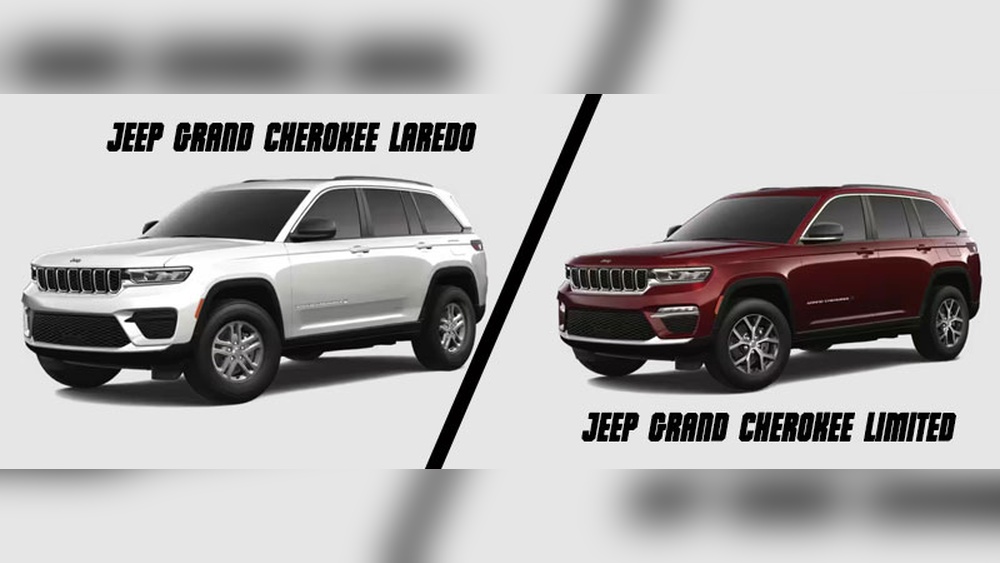
Pro tip: If you want the Wrangler look but plan to stay on paved roads, test drive both the Wrangler and a Jeep Grand Cherokee. The latter offers more comfort and better on-road handling.
How The Jeep Wrangler Compares To Other Vehicles
Let’s see how the Wrangler stacks up against some popular vehicles:
| Vehicle | Main Strength | Main Weakness | Best For |
|---|---|---|---|
| Jeep Wrangler | Off-road ability | On-road comfort | Adventure, trails |
| Toyota 4Runner | Reliability, off-road | Old tech, fuel economy | Outdoor trips, families |
| Ford Bronco | Off-road, tech | Newer, less proven | Off-road, daily driving |
| Honda CR-V | Comfort, efficiency | Limited off-road | City, families |
Customization And Community
One thing that really sets the Jeep Wrangler apart is the huge aftermarket for parts and upgrades. You can add:
- Larger tires and wheels
- Lift kits for more ground clearance
- Off-road bumpers and winches
- Roof racks for camping gear
- Custom lights and grilles
There are clubs, forums, and “Jeep wave” traditions—Wrangler owners often greet each other on the road. This sense of community is a big part of the Wrangler’s appeal.
Non-obvious insight: Customizing a Wrangler can increase resale value if done right, but extreme modifications may void the warranty or affect safety.
For more on Jeep history and specs, check out the Jeep Wrangler Wikipedia page.
Frequently Asked Questions
What Is The Main Difference Between A Jeep Wrangler And Other Suvs?
The Jeep Wrangler uses a body-on-frame structure and solid axles, making it better for off-road driving. Most SUVs today use a unibody design, which is smoother but less tough for trails.
Can The Jeep Wrangler Be Used As A Daily Driver?
Yes, many people drive Wranglers every day. But you should know the ride is firmer and louder than most cars, and fuel economy is lower. Test drive one to see if you like it.
Is The Jeep Wrangler Safe?
Modern Wranglers have airbags, stability control, and advanced safety features. However, crash test ratings are usually lower than car-based SUVs because of the Wrangler’s unique build.
What Is The Best Jeep Wrangler Model For Off-roading?
The Rubicon trim is the most off-road-ready from the factory. It has better tires, stronger axles, and extra features for tough terrain.
How Long Does A Jeep Wrangler Last?
With regular maintenance, many Wranglers last over 200,000 miles. Their simple design and strong parts make them reliable for long-term use, especially if not heavily modified.
The Jeep Wrangler is much more than just a unique-looking SUV. It’s a symbol of freedom, adventure, and American history. Whether you want a daily driver with personality or a trail-ready machine, the Wrangler stands alone. But remember—its strengths in off-roading mean some trade-offs in comfort and efficiency.
If you value fun, customization, and community, few vehicles can match what the Jeep Wrangler offers.