Many people love the Jeep Wrangler for its rugged looks and off-road power. But when you own one, or think about buying one, a simple question comes up: What type of gas does a Jeep Wrangler take? Using the right fuel matters for performance, saving money, and keeping your engine healthy. Let’s break down everything you need to know, from fuel types to tips for filling up smart.
Gasoline Or Diesel: What Do Most Jeep Wranglers Use?
Most Jeep Wranglers on the road use regular unleaded gasoline. However, not all Wranglers are the same. Some models, especially from recent years, offer a diesel engine option. Knowing what your specific Wrangler needs is key.
Gasoline Engines
Since its launch, the Jeep Wrangler has mostly come with gasoline engines. Popular engines include:
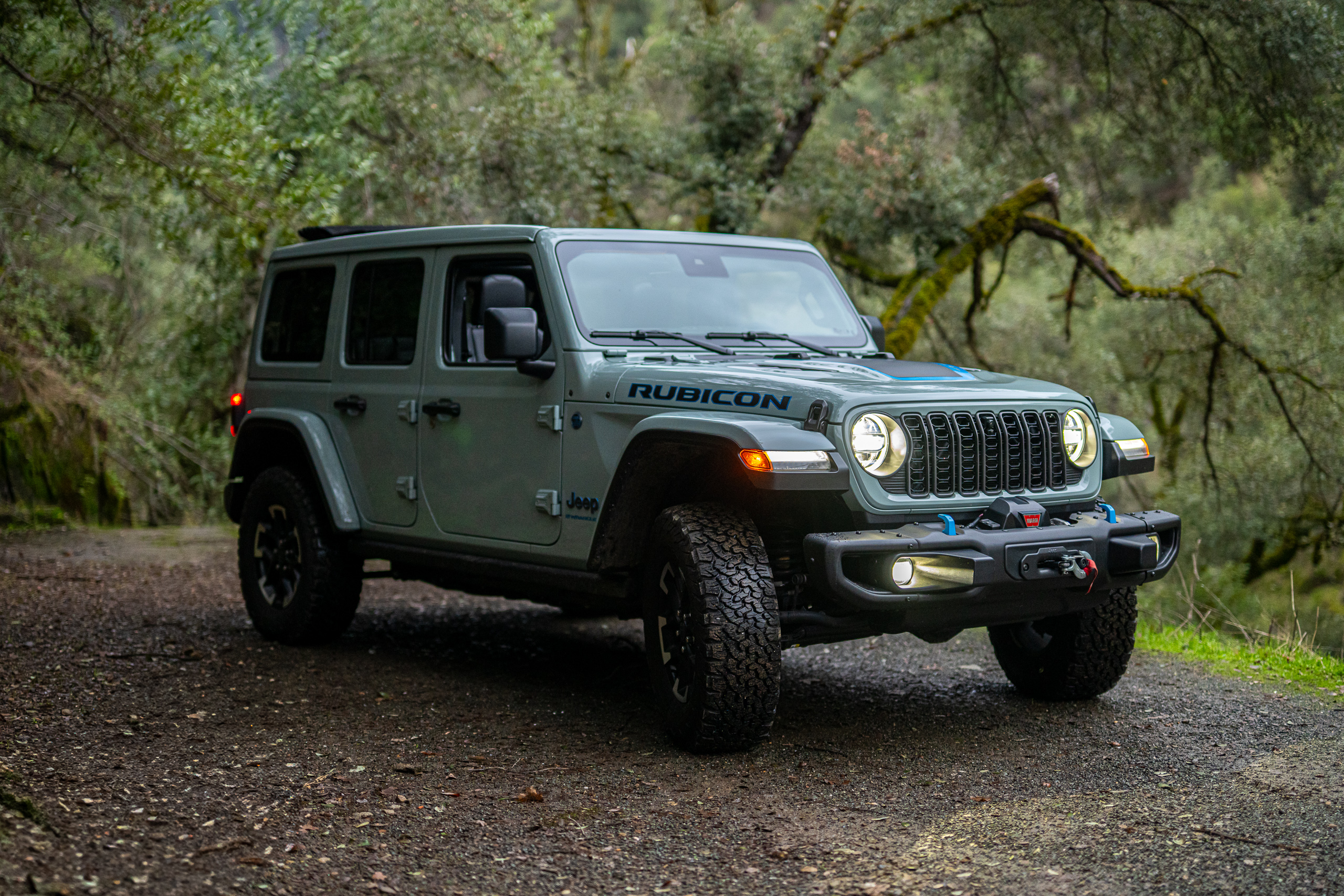
- 3.6L Pentastar V6 (most common, 2012-present)
- 2.0L Turbocharged I4 (2018-present)
- 3.0L EcoDiesel V6 (diesel, 2020-present)
If your Wrangler has the 3.6L V6 or the 2.0L Turbo, it takes regular unleaded gasoline (87 octane). You do not need premium fuel, unless you are driving in extreme conditions or want the absolute best performance.
Diesel Engine Option
Starting in 2020, Jeep added a 3.0L EcoDiesel V6 for the Wrangler. If you have this engine, you must use ultra-low sulfur diesel (ULSD). Never put gasoline in a diesel Wrangler—it can cause severe engine damage.
Recommended Fuel Types By Model Year
To help, here’s a quick look at what fuel different Jeep Wrangler generations need:
| Model Year Range | Engine Options | Recommended Fuel |
|---|---|---|
| 2012–present | 3.6L V6 (Pentastar) | Regular Unleaded (87 octane) |
| 2018–present | 2.0L Turbo I4 | Regular Unleaded (87 octane) |
| 2020–present | 3.0L EcoDiesel V6 | Ultra-Low Sulfur Diesel |
| 2007–2011 | 3.8L V6 | Regular Unleaded (87 octane) |
| 1997–2006 | 4.0L I6, 2.4L I4 | Regular Unleaded (87 octane) |
Most Jeep Wranglers sold in the US use regular gasoline. Always check your owner’s manual to be sure.
Some people wonder if using premium gasoline (91 or 93 octane) will make their Wrangler run better. The answer is usually no. Jeep’s engines are designed to run on 87 octane. Using higher octane gas does not improve power or fuel economy in most Wranglers. It only increases your fuel cost.
A few exceptions exist. If your Wrangler has the 2.
0L turbo engine and you want top performance, premium gas can help slightly in hot weather or when towing. But for normal driving, regular unleaded is fine.
Fuel Economy And Tank Size
Jeep Wranglers are not famous for fuel economy. Depending on the engine and year, you can expect:
- 3.6L V6 (gas): 17–20 mpg city, 23–25 mpg highway
- 2.0L Turbo (gas): 20–22 mpg city, 24–26 mpg highway
- 3.0L EcoDiesel: 22 mpg city, 29 mpg highway
Fuel tank size also affects how far you can go on a full tank. Here’s a quick comparison:
| Engine | Tank Size (gallons) | Estimated Range (miles) |
|---|---|---|
| 3.6L V6 | 21.5 | 400–500 |
| 2.0L Turbo | 21.5 | 430–560 |
| 3.0L EcoDiesel | 18.3 | 530–600 |
Wranglers With Hybrid Or Electric Power
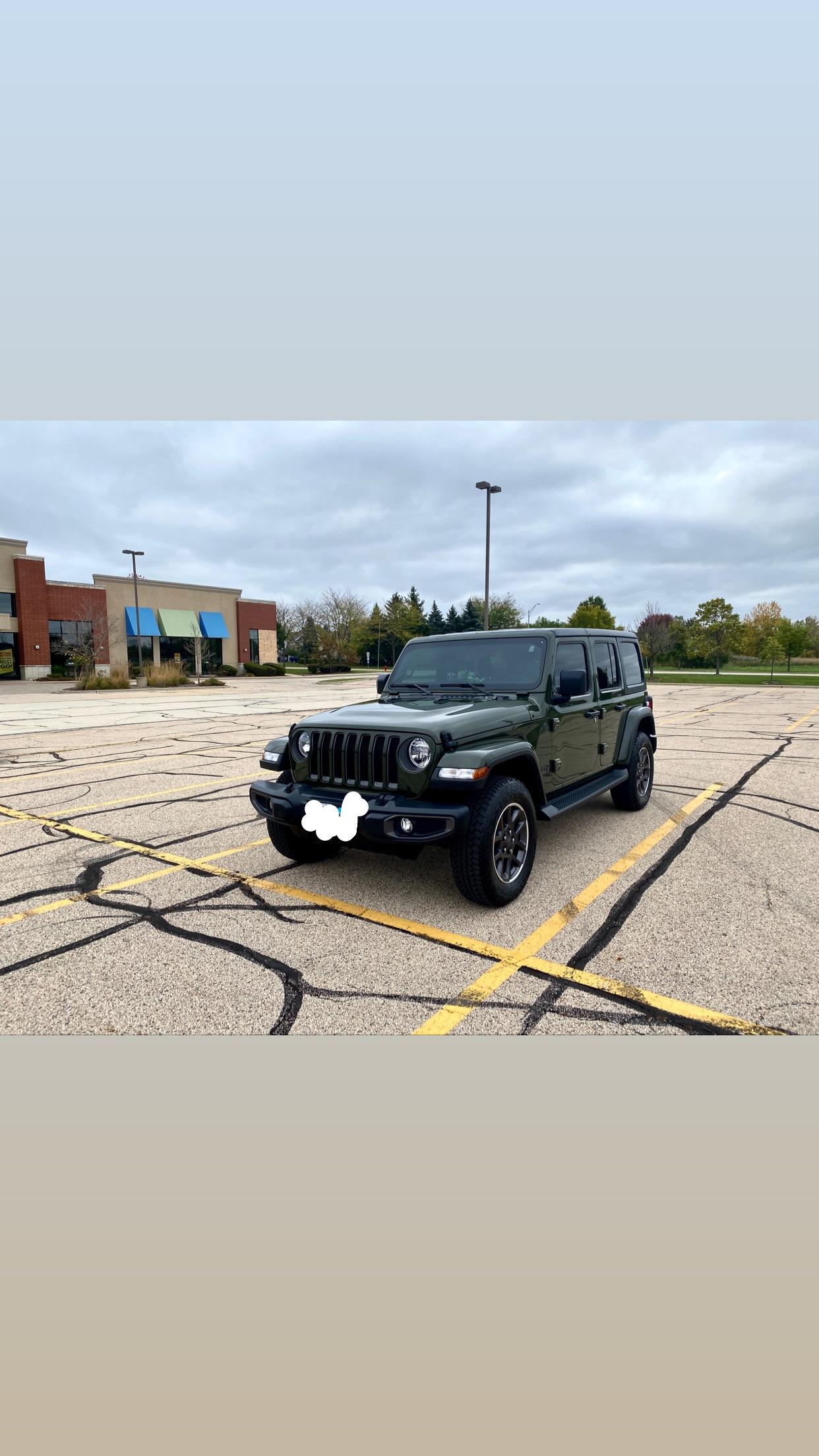
The Jeep Wrangler 4xe (pronounced “four by e”) is a plug-in hybrid model. It uses both gasoline and electricity. The gas engine is a 2.0L turbocharged I4, which still needs regular unleaded gasoline (87 octane). The electric-only range is about 21 miles.
Common Mistakes To Avoid
- Using the wrong fuel type: Putting diesel into a gasoline Wrangler (or the reverse) can ruin the engine.
- Paying for premium gas unnecessarily: Most Wranglers do not need it.
- Ignoring the owner’s manual: Always double-check for your specific model.
- Letting the tank run too low: This can lead to fuel pump problems, especially on rough roads.
- Misunderstanding E85/Ethanol: Most Wranglers are not Flex Fuel vehicles. Do not use E85 unless your Jeep specifically supports it.
Fuel Tips For Jeep Wrangler Owners
- Always fill up at reputable gas stations. Low-quality gas can clog fuel injectors over time.
- If you drive off-road often, keep your tank at least half full—this helps avoid getting stranded.
- If you notice knocking or engine noise after using low-octane fuel, switch to a higher octane and see if it improves.
- Track your miles per gallon to notice any changes early—this can point out problems with fuel or the engine.
How To Find Your Jeep Wrangler’s Required Fuel
Every Wrangler has a sticker inside the fuel door and information in the owner’s manual. This tells you exactly what type of gas or diesel to use. If you lost your manual, you can usually find it online at the official Jeep website or through a trusted source like Wikipedia.

Frequently Asked Questions
What Kind Of Gas Does A 2023 Jeep Wrangler Use?
Most 2023 Jeep Wranglers use regular unleaded gasoline (87 octane). Only the EcoDiesel version uses diesel fuel.
Can I Use E85 Or Flex Fuel In My Wrangler?
No, most Jeep Wranglers are not designed for E85 or Flex Fuel. Always use the fuel type recommended for your engine.
Is It Bad If I Accidentally Put Diesel In A Gas Wrangler?
Yes, diesel in a gasoline engine can cause major damage. Do not start the engine. Have it towed to a mechanic for a full drain and check.
For most Wranglers, premium gas does not improve performance or mileage. Only use it if your owner’s manual specifically recommends it.
How Do I Check What Fuel My Wrangler Needs?
Look inside your fuel filler door or check your owner’s manual. This will tell you the correct fuel for your Jeep.
Choosing the right gas for your Jeep Wrangler is simple once you know your engine and model year. Stick with the recommended fuel, avoid common mistakes, and your Wrangler will keep performing its best on the road and off.