If you own a Jeep Cherokee XJ or are thinking about buying one, understanding its transmission is essential. The transmission affects how the vehicle drives, its reliability, and even its value. Many drivers are surprised to learn that the XJ Cherokee offered several transmission options over its long production run. Some of these transmissions are famous for durability, while others have unique quirks. This article will explain what transmission is in a Jeep Cherokee XJ, cover the details for each year and engine, compare the different transmissions, and answer common questions. Whether you’re a new owner, a mechanic, or just curious, you’ll find all the key information here.
What Is The Jeep Cherokee Xj?
The Jeep Cherokee XJ is a compact SUV produced from 1984 to 2001. It’s well-known for its strong build, off-road ability, and classic style. Jeep offered it with several engines, including the popular 4.0L inline-six, a 2.5L four-cylinder, and a few diesel options in some markets.
The transmission is the part of the vehicle that takes power from the engine and sends it to the wheels. It’s a critical component that affects performance, fuel economy, and maintenance needs. The XJ Cherokee is special because it offered both automatic and manual transmissions during its production.
Transmission Options By Year And Engine
Jeep changed the transmission options for the Cherokee XJ over the years. The type you find depends mainly on the year, engine, and whether it’s a two-wheel-drive or four-wheel-drive model.
Automatic Transmissions
The Cherokee XJ featured three main automatic transmissions:
- 3-speed TorqueFlite A904/A999 (1984–1986, mostly with 2.8L V6 and 2.5L engines)
- 4-speed AW4 (1987–2001, paired with 4.0L and 2.5L engines)
- 30RH (A904 variant) (1994–2000, mostly with 2.5L engines)
Aw4 Automatic Transmission
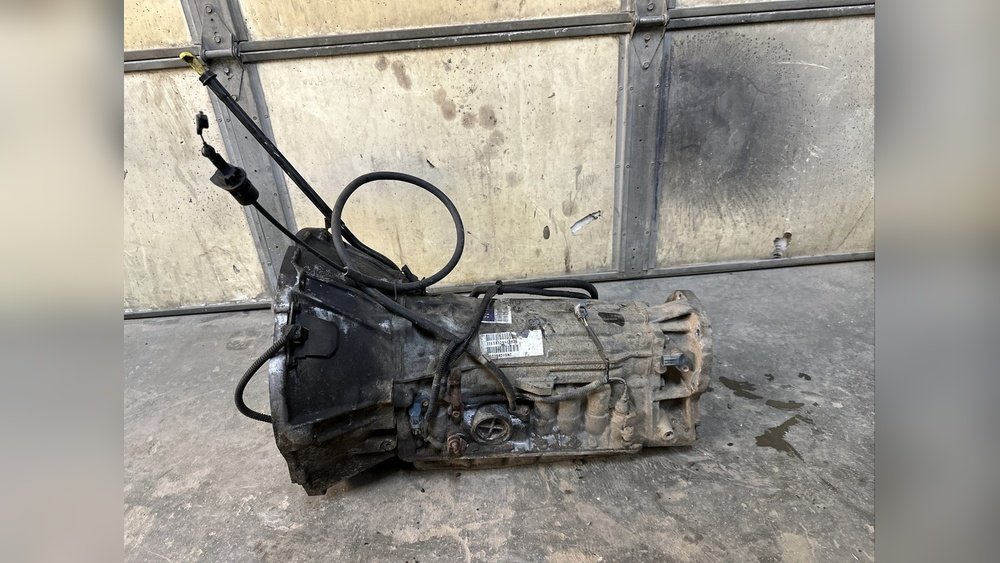
The AW4 is the most famous automatic found in XJ Cherokees. Built by Aisin Warner, it’s a 4-speed unit with overdrive. The AW4 is known for its durability and smooth shifting. Many XJ owners report the AW4 lasting well over 200,000 miles with basic maintenance.
- Used from 1987–2001
- Paired mostly with the 4.0L engine
- Also found in some 2.5L models (not all)
Early Automatics
From 1984–1986, Jeep used the 3-speed A904/A999 automatics. These were simpler, without overdrive, and mostly paired with the older engines like the AMC 2.8L V6 or the 2.5L four-cylinder. They are less common today and not as efficient.
30rh (a904 Variant)
For later four-cylinder models (1994–2000), Jeep used a version called 30RH. It’s similar to the A904 but updated for newer engines. This transmission is reliable but less advanced than the AW4.
Manual Transmissions
Manual gearboxes were popular for those who wanted more control, especially off-road. XJ Cherokees offered three main manual transmissions:
- Peugeot BA10/5 (1987–1989, 4.0L engine)
- AX15 (1989–1999, 4.0L engine)
- AX5 (1984–2000, 2.5L engine)
Ax15 Manual Transmission
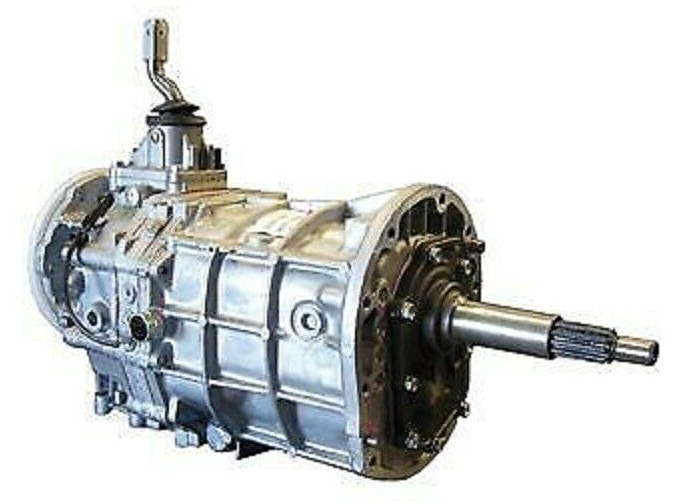
The AX15 is widely respected among Jeep fans. It’s a 5-speed gearbox built by Aisin Warner, paired with the 4.0L inline-six. The AX15 is strong, smooth, and easy to repair. Many people prefer it for serious off-road use.
Peugeot Ba10/5
Before the AX15, Jeep used the BA10/5 from Peugeot. This 5-speed manual is weaker and known for problems like case splitting. Most owners try to swap it for the AX15 if possible.
Ax5
The AX5 is a lighter 5-speed manual built for the 2.5L four-cylinder engine. It’s not as strong as the AX15 but works well for the smaller engines.
Transmission By Year And Engine
Here is a summary of the main transmission options for the Jeep Cherokee XJ:
| Year | Engine | Automatic Transmission | Manual Transmission |
|---|---|---|---|
| 1984–1986 | 2.5L, 2.8L | A904/A999 | AX4, AX5 |
| 1987–1989 | 4.0L | AW4 | BA10/5 |
| 1989–1999 | 4.0L | AW4 | AX15 |
| 1994–2000 | 2.5L | 30RH | AX5 |
| 2000–2001 | 4.0L | AW4 | AX15 (rare), NV3550 (some models) |
Aw4 Vs Ax15: The Most Popular Xj Transmissions
Most XJ Cherokees you find today have either the AW4 automatic or the AX15 manual. Both are solid choices, but they suit different drivers.
| Feature | AW4 Automatic | AX15 Manual |
|---|---|---|
| Type | 4-speed auto (overdrive) | 5-speed manual |
| Durability | High (often 200k+ miles) | Very high (can last 300k+ miles) |
| Maintenance | Simple, regular fluid changes | Clutch replacement needed |
| Driving Feel | Smooth, easy for city | More control, better off-road |
| Common Issues | Solenoid failures | Syncro wear (high miles) |
| Aftermarket Support | Good parts availability | Excellent, many upgrade options |
How To Identify Which Transmission You Have
Knowing which transmission is in your XJ is important for repairs, upgrades, and buying parts. Here are some practical ways to tell:
- Check the VIN sticker: The Vehicle Identification Number (VIN) sticker, usually on the driver’s door, can show transmission details.
- Look at the shifter: Automatics have a PRNDL pattern; manuals have a gear stick.
- Check under the vehicle: Each transmission has a unique shape and pan. The AW4 pan is rectangular, while the AX15 has a ribbed aluminum case.
- Use the owner’s manual: The manual often lists the transmission type for your engine/year.
- Online VIN lookup: Some websites decode your VIN for exact specs.
A non-obvious tip: XJ Cherokees swapped from manual to automatic (or vice versa) are common. Always double-check, especially if buying a used Jeep.
Why Transmission Choice Matters
The transmission affects your Cherokee XJ in several ways:
- Performance: The AW4 automatic is smooth and good for city driving, while the AX15 manual gives more control off-road.
- Fuel economy: Manuals can save gas if driven carefully.
- Reliability: Both AW4 and AX15 are reliable, but old BA10/5 manuals can fail.
- Maintenance costs: Automatics need regular fluid changes; manuals need clutch replacements.
- Resale value: Original transmissions often keep value higher.
Experienced owners know that upgrading to an AX15 (from BA10/5) improves reliability. For automatics, keeping the AW4 well-maintained is key for long life.
Common Transmission Problems In The Xj Cherokee
Like any older vehicle, the XJ Cherokee can have transmission issues. Here are some common problems by type:
Aw4 Automatic Issues
- Solenoid failure: Causes shifting problems. Replacing solenoids is straightforward.
- Fluid leaks: Old seals may leak; fix quickly to avoid damage.
- Sensor problems: TPS (Throttle Position Sensor) can cause rough shifting.
Ax15 Manual Issues
- Syncro wear: Makes shifting difficult, especially into second gear.
- Clutch failure: High miles or rough driving wears out the clutch.
- Gear popping: If the transmission pops out of gear, internal repairs are needed.
Ba10/5 Manual Issues
- Case splitting: The transmission case can separate, causing major failure.
- Weak internals: Not suitable for heavy off-road use.
Ax5 Manual Issues
- Limited strength: Works for 2.5L engines but may fail under heavy loads.
A practical tip: Always check fluid levels and quality. Dirty or low fluid is a major cause of transmission problems.
Transmission Maintenance And Upgrades
Keeping your XJ Cherokee transmission healthy is simple but important. Here are the best practices:
- Regular fluid changes: Automatic transmissions (especially the AW4) need fluid changes every 30,000–50,000 miles.
- Check for leaks: Look under your Jeep often. Fix leaks early.
- Clutch checks: Manuals need clutch inspection every 60,000 miles.
- Use correct fluid: AW4 uses Dexron II/III ATF, not gear oil.
- Upgrade options: Many owners swap a weak BA10/5 for an AX15. Aftermarket parts are available.
An insight many miss: The AW4’s electronic controls can be adjusted for firmer shifts using aftermarket kits. This is popular for off-road builds.
How The Xj Cherokee Transmission Compares To Other Jeeps
The XJ Cherokee transmission is similar to what Jeep used in other models, but there are differences. For example, the YJ Wrangler used the AX15 and AX5, but the AW4 was mostly reserved for the XJ and Toyota vehicles.
Here’s a quick comparison:
| Model | Automatic | Manual |
|---|---|---|
| Cherokee XJ | AW4, A904/A999, 30RH | AX15, AX5, BA10/5 |
| Wrangler YJ/TJ | 32RH, 30RH | AX15, AX5, NV3550 |
| Grand Cherokee ZJ | 42RE, 44RE | NV3550 |
The AW4 stands out for its reliability and was even used in some Toyota models. The AX15 is also seen in Wranglers and is a favorite for swaps.
Sourcing Replacement Parts And Professional Help
Finding parts for XJ Cherokee transmissions is easier than you might think. The AW4 and AX15 are common, so new and rebuilt units are available. Many local shops can repair or rebuild these transmissions, and specialty Jeep mechanics know them well.
A good resource for technical details and parts is the official Jeep forums or Wikipedia. Always check compatibility, as some transmissions have unique bell housings or electronics.
Frequently Asked Questions
What Transmission Fluid Does The Aw4 Use?
The AW4 automatic transmission uses Dexron II or Dexron III automatic transmission fluid. Never use gear oil or Mercon fluids, as these can damage the transmission.
How Can I Tell If My Xj Has An Ax15 Or Ba10/5 Manual?
Check the transmission case. The AX15 has a one-piece aluminum case with ribs, while the BA10/5 has a split case with bolts in the middle. The AX15 is much stronger and smoother.
Can I Swap A Manual Transmission For An Automatic In My Xj Cherokee?
Yes, it’s possible, but it requires many parts: transmission, flexplate, driveshafts, wiring harness, and ECU changes. It’s easier to swap between AX15 and AW4, as parts are common.
How Long Does An Aw4 Transmission Last?
With proper maintenance, the AW4 can last over 200,000 miles. Many owners report even higher mileage if fluid changes and leaks are handled quickly.
Are Aftermarket Upgrades Available For Xj Cherokee Transmissions?
Yes. For the AW4, shift kits and upgraded torque converters are popular. For the AX15, heavy-duty gear sets, short shifters, and clutch upgrades are available. These help for off-road or towing use.
The transmission you have in your Jeep Cherokee XJ shapes how it performs, handles, and lasts. Whether you drive a classic model or a late XJ, knowing your transmission helps you keep your Jeep running strong. From the legendary AW4 automatic to the trusted AX15 manual, the XJ’s transmissions are part of why these Jeeps are still loved today.