Buying a Jeep is not just about getting a vehicle; it’s about choosing a companion for adventure and everyday life. Whether you dream of off-roading, want something durable for tough weather, or just love the Jeep look, your decision matters.
But with so many models, trims, and features, it’s easy to feel lost. This guide will help you focus on what’s truly important when buying a Jeep so you can pick the right one with confidence.
Understanding Your Needs
Before looking at models, ask yourself how you plan to use your Jeep. Will it be a daily driver, a weekend off-roader, or both? Some Jeeps are built for city comfort, while others shine in mud and on rocky trails. If you mostly drive on highways, a Jeep Cherokee or Compass might suit you. If you crave adventure, the Wrangler is famous for its off-road abilities.
Tip: Write down your main uses for your Jeep. This simple step helps you avoid paying for features you don’t need.
Key Factors To Consider
1. Model Differences
Jeeps come in many shapes and sizes. Here’s a quick look at popular models:
| Model | Main Purpose | Starting Price (2024) |
|---|---|---|
| Wrangler | Off-roading | $33,690 |
| Grand Cherokee | Luxury & family | $41,035 |
| Compass | City & light trails | $28,400 |
| Gladiator | Pickup & adventure | $39,790 |
Each model has its own strengths. Wrangler is unmatched off-road but rides rougher on highways. The Grand Cherokee gives comfort and space for families. The Compass is smaller and more fuel-efficient.
2. Engine And Performance
Jeeps offer many engine choices, from efficient four-cylinders to powerful V8s. Consider:
- Fuel economy: Smaller engines save gas but may feel less powerful.
- Towing capacity: If you tow boats or trailers, check the specs. For example, the Grand Cherokee can tow up to 7,200 lbs.
- Transmission: Automatic is common, but some prefer manual for more control, especially off-road.
3. Four-wheel Drive Systems
Not all Jeeps have the same 4×4 system. Here’s how they compare:
| System | Best For | Available On |
|---|---|---|
| Command-Trac | Basic off-roading | Wrangler |
| Rock-Trac | Extreme off-roading | Wrangler Rubicon |
| Quadra-Trac I/II | All-weather, snow | Grand Cherokee |
| Active Drive | City, light trails | Compass, Renegade |
Insight: Some buyers miss that not every Jeep is ready for deep mud or rocks. Check which 4×4 system comes with your trim.
4. New Vs Used
Buying new means full warranty and latest tech, but higher price. Used Jeeps cost less but may need repairs sooner.
Jeeps hold value well Wranglers, for example, often keep over 70% of their value after five years.
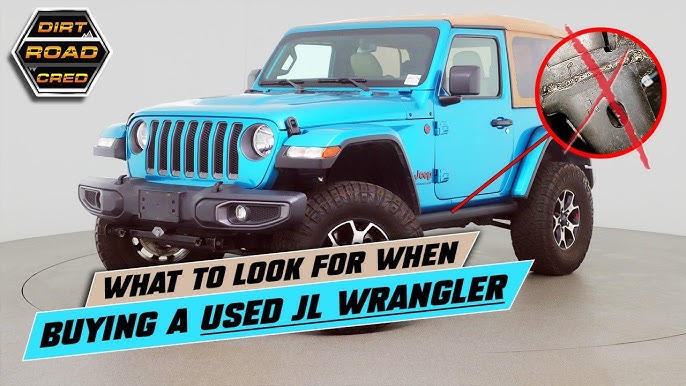
Tip: Always get a used Jeep checked for rust and frame damage, especially if it has been off-road.
5. Features And Technology
Think about what matters most: navigation, heated seats, safety tech, or removable roof panels? Some features, like blind-spot monitoring or Apple CarPlay, are standard in newer models. Decide which options you truly need, as packages can add thousands to the price.
Practical Buying Tips
Test Drive In Real Conditions
Take your Jeep on the types of roads you’ll use most. A Wrangler may feel different on highways than in a city. Notice the steering, comfort, and noise levels.
Check For Aftermarket Modifications
Many used Jeeps come with lift kits, bigger tires, or other upgrades. While these can be fun, they sometimes hide problems or void warranties. Ask for receipts and see if the seller can explain what was changed.
Compare Ownership Costs
Jeeps can be more expensive to maintain than regular SUVs. Insurance, fuel, and parts all add up.
For example, the average annual repair cost for a Wrangler is around $694. Shop around for insurance quotes before you buy.
Don’t Overpay For Looks
Many buyers fall for fancy wheels or unique paint. Focus on core value: engine, 4×4 system, and condition. Looks are easy to change later.
Common Mistakes To Avoid
- Ignoring the history report: Get a Carfax or similar report for any used Jeep.
- Forgetting about ride comfort: Some Jeeps, like Wranglers, are noisy and rough on highways.
- Not checking for leaks: Look under the Jeep for oil or coolant spots, especially after a test drive.
- Skipping a mechanic inspection: Even new-looking Jeeps can hide problems, especially after off-roading.
Financing And Warranties
Jeeps are popular, so deals can be competitive. Check for low-interest offers from dealers.
Also, read the warranty details some off-road damage isn’t covered. Extended warranties can be useful if you plan to keep your Jeep for many years.
Real-world Example
Sarah bought a used 2018 Wrangler Sahara for $35,000. She loved the look but forgot to check for past off-road use. After a few months, she found rust on the undercarriage—a $1,200 repair. Her lesson: always check the vehicle’s history and inspect underneath for rust, especially if you live in wet or snowy areas.