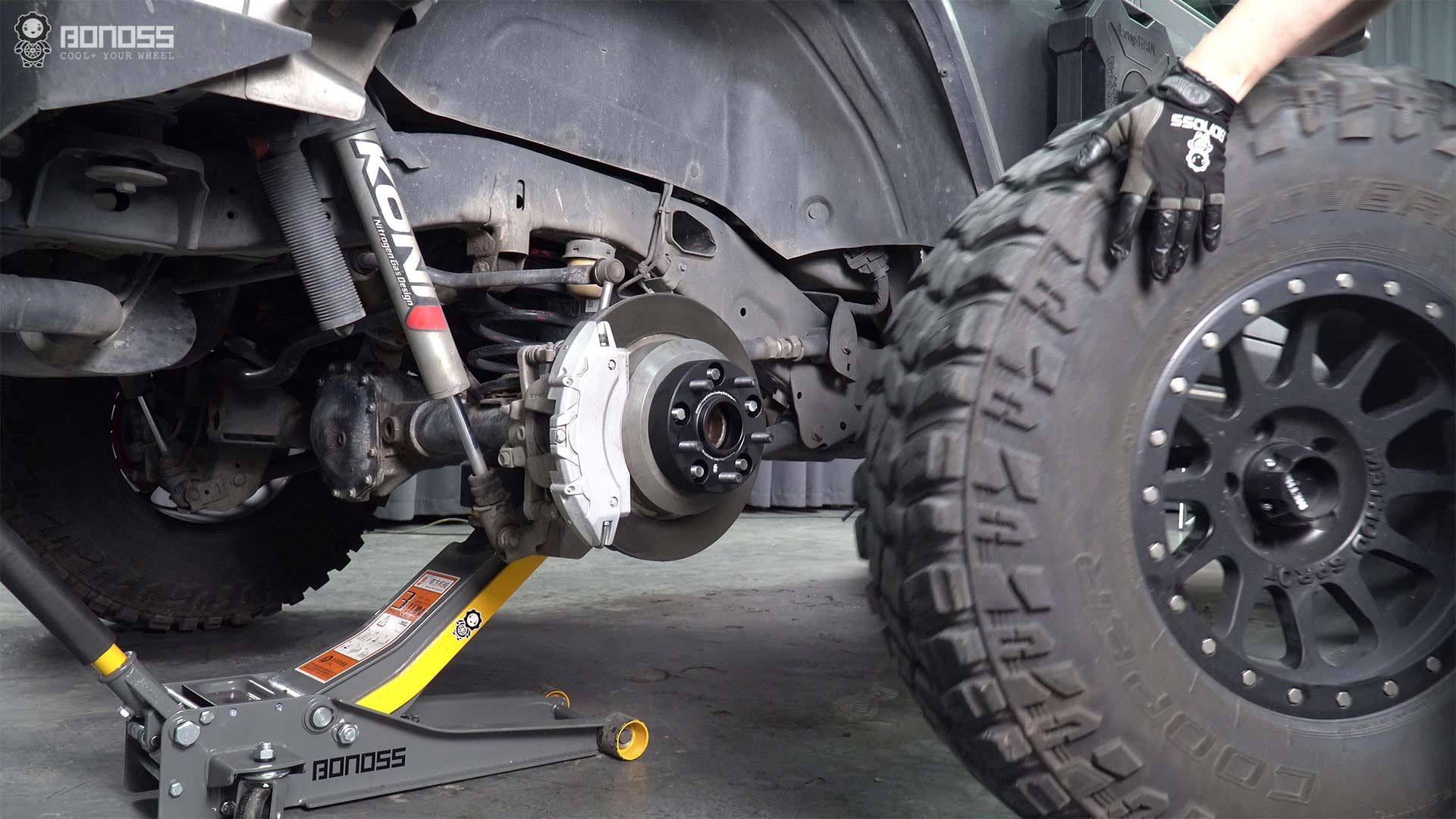
Many Jeep Wrangler owners want a tougher look and better off-road performance. One simple upgrade is installing wheel spacers.
But the question often comes up: what size wheel spacers are best for a Jeep Wrangler? Choosing the right size is important for safety, performance, and appearance.
Let’s explore the key factors, compare popular sizes, and help you make a confident decision for your Wrangler.

Why Use Wheel Spacers On A Jeep Wrangler?
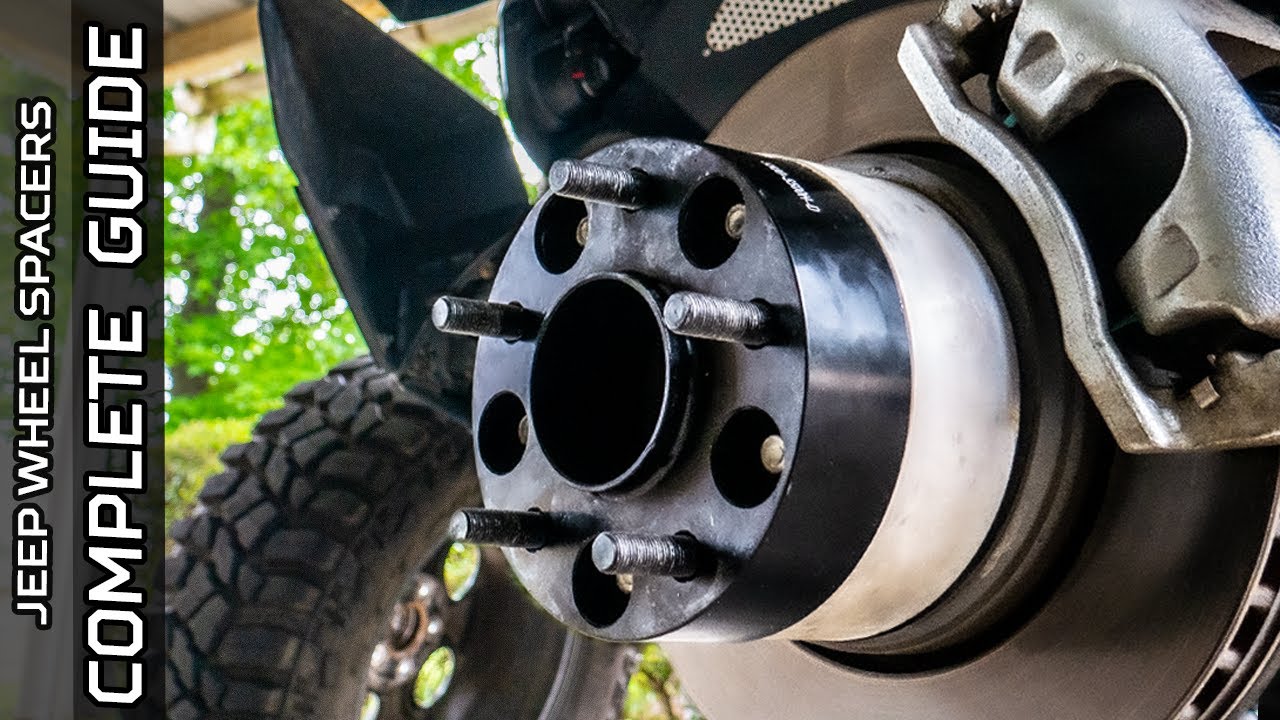
Wheel spacers push your wheels further out from the hub. This creates a wider stance and can solve several problems:
- Improve stability on and off-road
- Allow for larger tires without rubbing
- Enhance the aggressive look
- Fix backspacing issues with aftermarket wheels
Most Jeep owners use spacers to clear bigger tires or make their Wrangler look more rugged. However, there are some trade-offs, like extra stress on suspension parts, that you should keep in mind.
Common Wheel Spacer Sizes For Jeep Wrangler
Jeep Wrangler wheel spacers come in many sizes. The most popular choices are 1 inch, 1.
25 inch, 1. 5 inch, and 2 inch. Each size offers different benefits and drawbacks.
| Spacer Size | Main Benefit | Common Use |
|---|---|---|
| 1 inch | Minimal clearance gain | Small tire upgrades |
| 1.25 inch | Balanced stance | Moderate tire upgrades |
| 1.5 inch | Wide look, good clearance | Large tire upgrades |
| 2 inch | Maximum width | Extreme off-road builds |
Most Jeep Wrangler owners choose between 1.25 inch and 1.5 inch spacers. These sizes give enough clearance for bigger tires but do not overstress the suspension.
How To Pick The Right Wheel Spacer Size
The best spacer size depends on your goals and Wrangler setup. Here are the key points:
- Tire Size: If you use stock tires, 1 inch spacers are usually enough. For 33-inch or larger tires, 1.25 or 1.5 inch spacers help prevent rubbing.
- Wheel Backspacing: Aftermarket wheels often have different backspacing. Measure your wheels to see how much extra space you need.
- Suspension Lift: If you have a lift kit, you may need wider spacers for stability.
- Local Laws: Some states limit how far tires can stick out past the fenders. Check your local rules before buying.
Example: 1.5 Inch Spacer Benefits
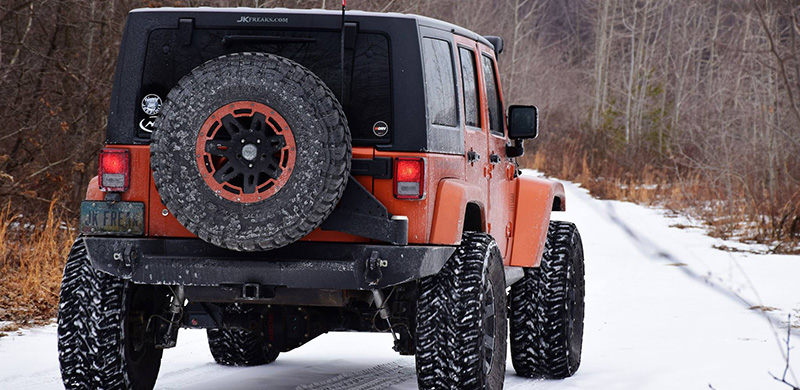
Let’s say you upgrade your Jeep Wrangler JK with 33-inch tires and aftermarket wheels. The tires rub against the suspension during turns. Installing 1.5 inch wheel spacers pushes the wheels out, fixing the rubbing and improving stability for off-roading.
Comparing Spacer Sizes: Visual And Performance Impact
Here’s a closer look at how each size changes the Jeep’s stance and handling:
| Spacer Size | Appearance | Handling | Potential Issues |
|---|---|---|---|
| 1 inch | Subtle | Minor improvement | Still may rub with big tires |
| 1.25 inch | Noticeable | Better stability | Rarely causes issues |
| 1.5 inch | Wide, aggressive | Great improvement | More stress on parts |
| 2 inch | Very wide | Best stability | Possible legal and mechanical issues |
Non-obvious insight: While larger spacers give more clearance, they also put extra load on wheel bearings and steering components. Over time, this can lead to faster wear and costly repairs. Always inspect these parts regularly if you run spacers above 1.25 inches.
Installation And Safety Tips
Installing wheel spacers is straightforward, but there are important safety steps:
- Use hub-centric spacers for better fit and less vibration.
- Tighten spacer bolts to factory torque specs.
- Re-check torque after 100 miles of driving.
- Avoid stacking spacers (never use more than one per wheel).
- Inspect for cracks or corrosion every oil change.
Common mistake: Some Jeep owners forget to re-torque the spacers. This can lead to loose wheels and dangerous driving conditions.
Real-world Examples And Data
Many Jeep forums and off-road groups share their experiences. According to a survey by Jeep Wrangler owners, about 60% prefer 1.5 inch spacers for daily driving and moderate off-roading. Only 10% use 2-inch spacers, mainly for show vehicles or extreme trails.
Another practical example: A Wrangler owner installs 1.25 inch spacers with 32-inch tires. The result is a balanced look and zero rubbing, even during sharp turns. This size also keeps the wheels under the fenders, helping avoid legal trouble.
Cost And Quality Considerations
Wheel spacers can cost from $50 to $200 for a set of four. Higher quality spacers are made from billet aluminum and have strong hardware. Cheap spacers may crack or fail, risking your safety.
Always buy from trusted brands and check for certifications. If you drive off-road often, spending a bit more for quality spacers is worth it.
Frequently Asked Questions