The Jeep Gladiator Rubicon has made a big name for itself as a tough, off-road-ready truck. Many people are curious about the tire sizes on this vehicle.
The right tire size can affect how your Gladiator handles, its fuel economy, and its off-road performance. If you’re looking to buy a Gladiator Rubicon, or thinking about upgrading your tires, understanding the stock sizes and options is essential.
Standard Tire Size On The Jeep Gladiator Rubicon
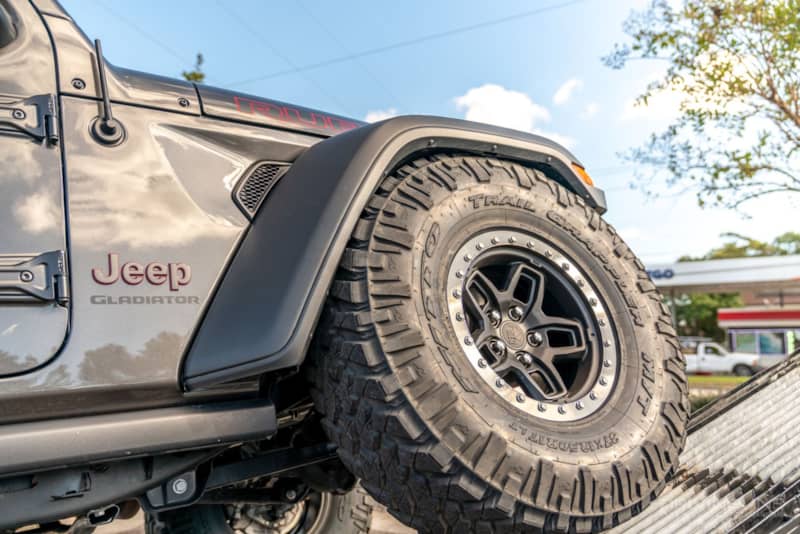
The factory tire size for the Jeep Gladiator Rubicon is 285/70R17. This means:
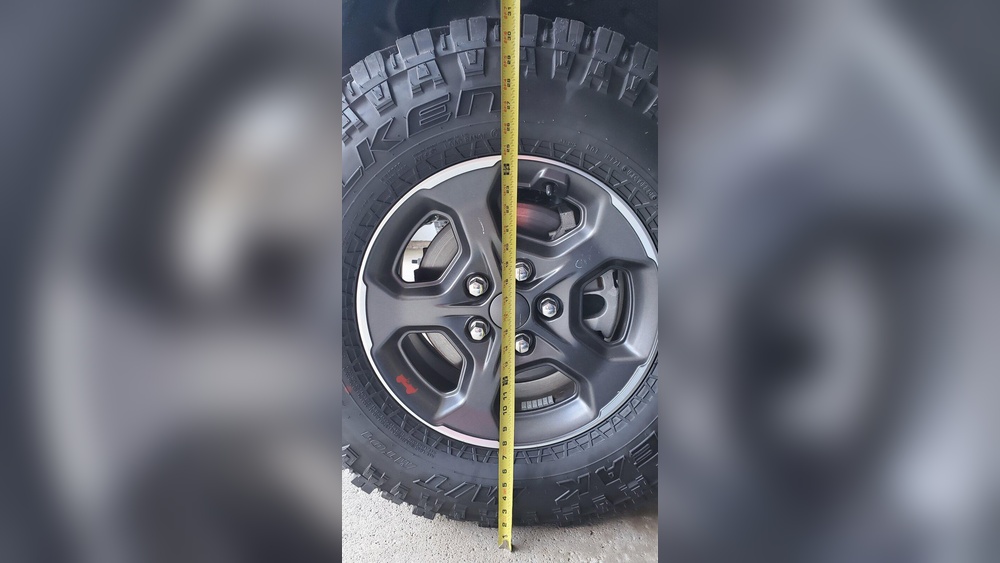
- 285: The tire’s width in millimeters.
- 70: The aspect ratio (the sidewall height is 70% of the width).
- R: Radial construction.
- 17: The diameter of the wheel in inches.
These tires come mounted on 17-inch wheels, designed to balance off-road grip with everyday comfort.
Why Jeep Chose 285/70r17 For The Rubicon
There’s a reason Jeep uses this size as standard on the Rubicon trim. The 285/70R17 tire offers a mix of benefits:
- Ground clearance: With a diameter near 32.7 inches, these tires help the Gladiator clear rocks and obstacles.
- Comfort: The taller sidewall absorbs bumps, making daily driving less harsh.
- Off-road capability: The tread pattern and size are good for mud, gravel, and sand, while still being stable on the highway.
Many drivers find this size is perfect for both city and trail use. It’s a practical choice if you want a ready-to-go off-roader.
Optional Tires And Wheels From The Factory
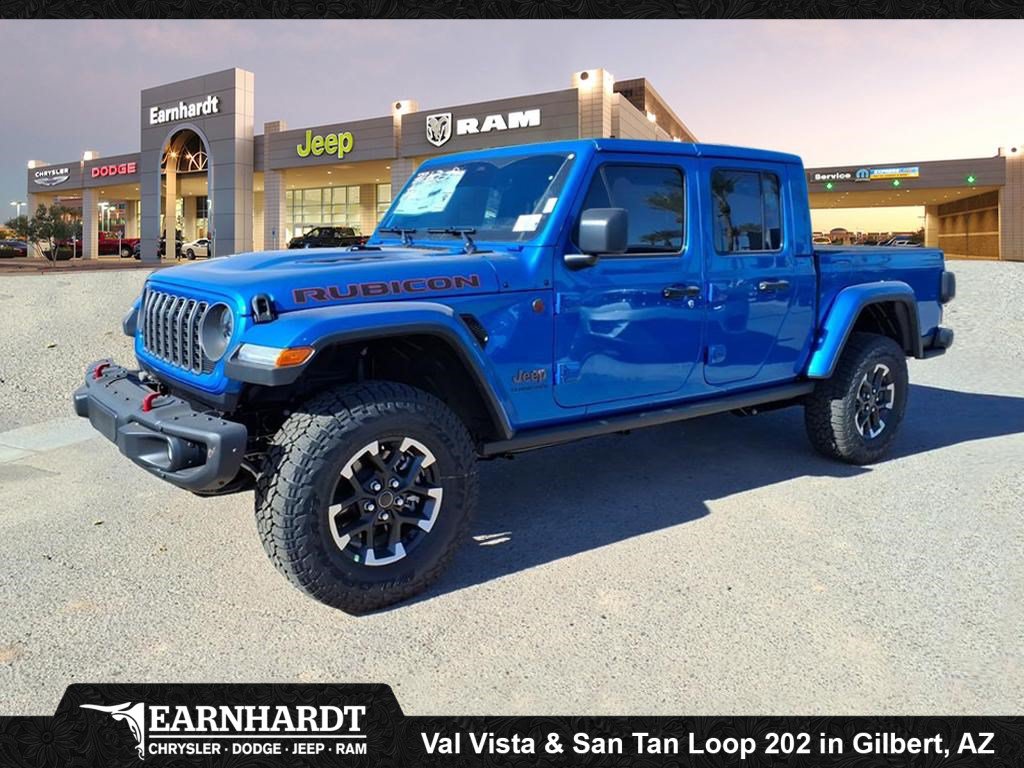
Jeep offers some optional wheel and tire packages. However, the tire size usually stays close to the 285/70R17 standard. Here’s a comparison of some factory options:
| Wheel Size | Tire Size | Tire Type |
|---|---|---|
| 17-inch | 285/70R17 | All-Terrain |
| 17-inch (optional) | LT285/70R17C | Heavy-Duty All-Terrain |
The “C” in LT285/70R17C stands for Load Range C, meaning these tires are built for heavier loads. For most Gladiator Rubicon owners, the main difference you’ll notice is a slightly firmer ride and a tire that can handle more weight.
How Tire Size Affects Performance
Changing your tire size can change how your Gladiator drives. Here’s what you need to know:
- Larger tires (like 35-inch or 37-inch) can boost off-road ability, but may require a lift kit and fender modifications.
- Smaller tires will lower your ground clearance and may make the truck look less aggressive.
- Changing tire size affects your speedometer and odometer readings. For example, if you upgrade to 35-inch tires, your speedometer will read lower than your actual speed.
Here’s a look at how common tire upgrades compare:
| Tire Size | Approx. Diameter (inches) | Ground Clearance Impact | Notes |
|---|---|---|---|
| 285/70R17 | 32.7 | Standard | Factory size, no changes needed |
| 315/70R17 | 34.4 | +0.85″ | May require lift or trimming |
| 35×12.50R17 | 34.5 | +0.9″ | Lift recommended |
| 37×12.50R17 | 36.5 | +1.9″ | Major modifications needed |
Can You Fit Bigger Tires On The Gladiator Rubicon?
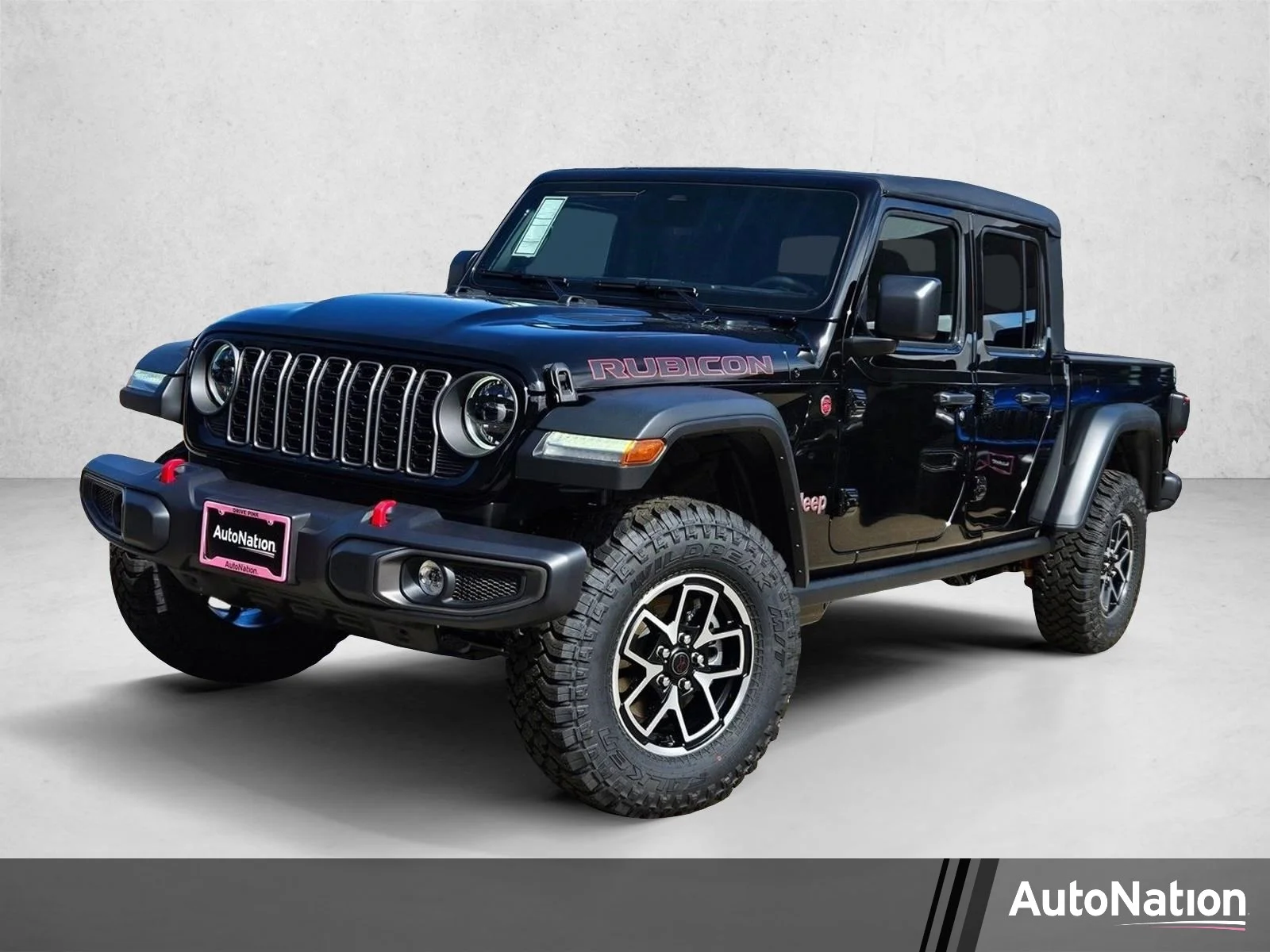
The short answer is yes, but there are a few things to consider. The Rubicon’s high-clearance fenders make it easier to fit larger tires than on other trims. Most owners can fit up to a 35-inch tire with only a small lift (2 inches or less). Going up to 37-inch tires often requires:
- Suspension lift kits
- Re-gearing the axles for better power
- Possible trimming of the fenders
Many off-road fans choose 35-inch tires for a good balance of looks and capability. These provide extra ground clearance without making the truck too hard to drive every day.
Important Factors When Upgrading Tires
If you plan to upgrade your tires, keep these points in mind:
- Wheel width: Make sure your wheels are wide enough for the new tire.
- Offset and backspacing: These control how far the wheel sticks out. The wrong setup can cause rubbing.
- TPMS compatibility: The tire pressure sensors may need recalibration.
- Warranty concerns: Some upgrades can affect your Jeep’s warranty.
A common mistake is picking a tire that’s too wide or tall for your setup. This can cause rubbing, poor handling, or damage to the suspension.
Fuel Economy And Tire Size
Bigger tires look great and help off-road, but they can hurt fuel economy. Heavier, larger tires make the engine work harder. You may notice a drop of 1-2 miles per gallon if you upgrade to 35-inch or larger tires. Also, acceleration may feel slower, and braking distances can increase.
If you use your Gladiator as a daily driver, keep this in mind before making any major changes.
Cost Considerations For New Tires
The price of replacement tires depends on size, brand, and quality. Here’s a rough idea:
| Tire Size | Average Price Per Tire (USD) | Notes |
|---|---|---|
| 285/70R17 | $200 – $350 | Most available, good selection |
| 35×12.50R17 | $300 – $450 | Popular upgrade, higher cost |
| 37×12.50R17 | $350 – $500 | Requires more upgrades |
Don’t forget to include costs for mounting, balancing, and alignment if you change tire sizes.
Final Thoughts
The Jeep Gladiator Rubicon comes standard with 285/70R17 tires, which are a great all-around choice for daily driving and off-road fun. If you want to go bigger, 35-inch tires are the most popular upgrade and can usually be fitted with only minor changes. Always consider how tire size will impact your ride, fuel economy, and wallet before making a change. Planning ahead helps you get the most out of your Gladiator.
For more official details on the Jeep Gladiator Rubicon and tire options, visit the official Jeep website.
Frequently Asked Questions
What Is The Stock Tire Size For The Jeep Gladiator Rubicon?
The stock tire size is 285/70R17 on 17-inch wheels. This size is chosen for its balance of comfort, off-road ability, and daily driving.
Can I Fit 35-inch Tires On A Stock Jeep Gladiator Rubicon?
Yes, many owners fit 35-inch tires with only a small lift or even on the stock suspension, thanks to the Rubicon’s high-clearance fenders. Some minor trimming or adjustments may be needed for full travel.
Will Bigger Tires Affect My Speedometer?
Yes. Larger tires can make your speedometer and odometer less accurate.
You can recalibrate them with a programmer or at a dealership to fix this issue.
Do Larger Tires Hurt Gas Mileage?
Yes, bigger and heavier tires usually reduce fuel economy by 1-2 mpg. The engine works harder, and acceleration may slow down.
What Is The Best Tire Size For Daily Driving And Off-road Use?
For most people, the stock 285/70R17 or a modest upgrade to 35-inch tires gives a good mix of comfort, handling, and off-road grip. Larger tires need more vehicle modifications and may be less practical for daily use.