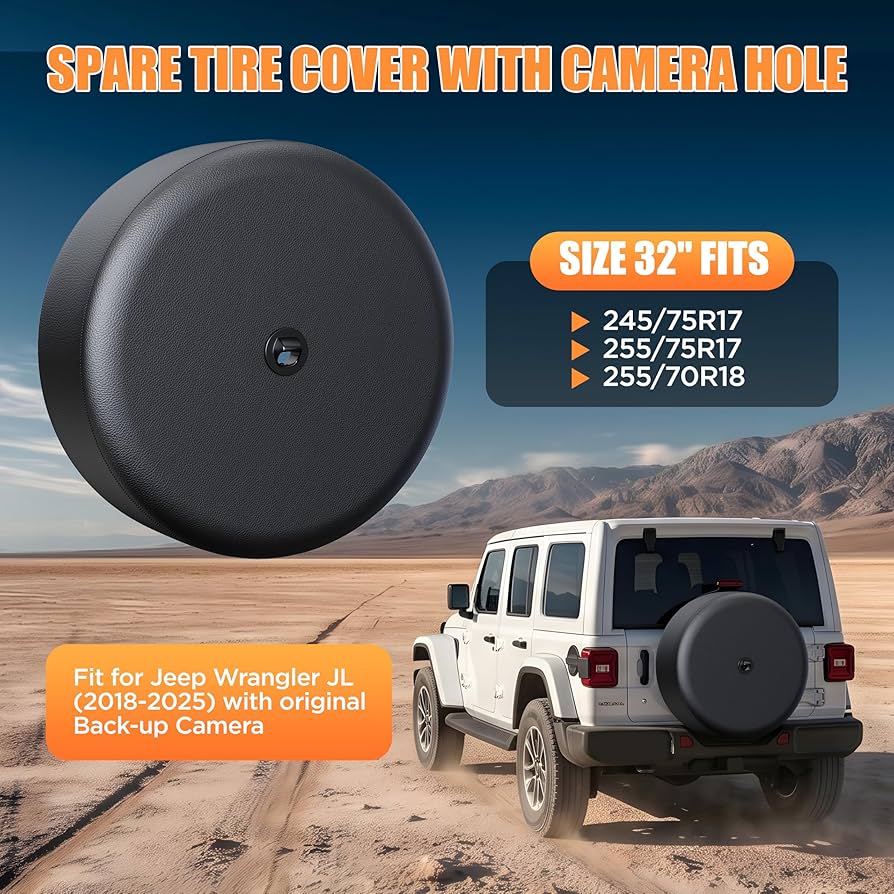
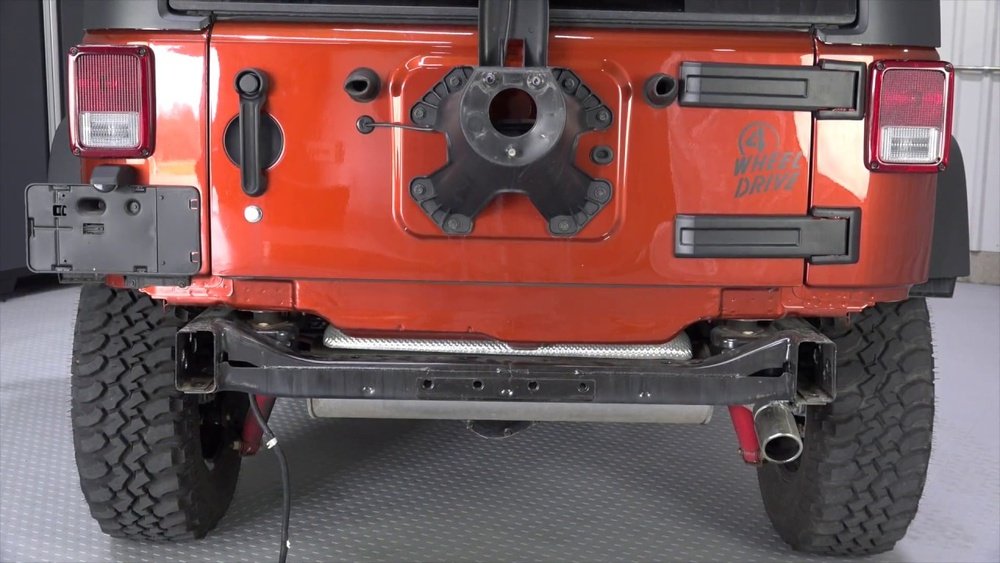
Buying a tire cover for your Jeep Wrangler is not as simple as picking any cover off the shelf. If you choose the wrong size, your cover may slip off, look awkward, or fail to protect your spare tire.
Many Wrangler owners make mistakes when shopping for tire covers because they don’t fully understand tire sizing or the types of covers available. This guide will help you find the right size tire cover for your Jeep Wrangler, explain how to measure your tire, and show you some key differences between popular options.
Why Tire Cover Size Matters
The spare tire sits on the back of your Jeep, exposed to sun, rain, and dust. A well-fitted cover protects it from UV rays, keeps it clean, and can even add style. But if your cover is too small, it won’t fit. If it’s too large, it may flap in the wind or let water in. Both situations reduce protection and may cause the tire to age faster.
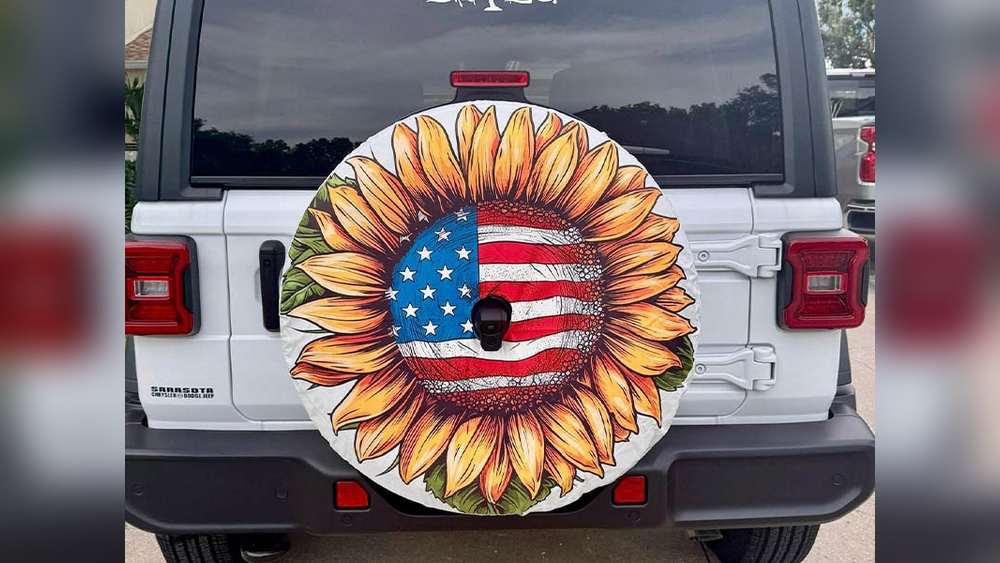
Most tire covers are sized by diameter and width. Jeep Wranglers have different tire sizes depending on the model and year.
Using a cover with the wrong size means you waste money and lose protection.
Understanding Jeep Wrangler Tire Sizes
Jeep Wrangler tires are labeled with numbers like P255/75R17 or 31×10.5R15. These numbers tell you the size, but they can be confusing if you don’t know what they mean.
- The first number (e.g., 255) is the tire width in millimeters.
- The second number (e.g., 75) is the aspect ratio (height to width).
- The “R” means radial tire construction.
- The last number (e.g., 17) is the wheel diameter in inches.
Some tires use a simple format, like 33×12.5R15:
- 33: Tire diameter in inches
- 12.5: Tire width in inches
- 15: Wheel diameter in inches
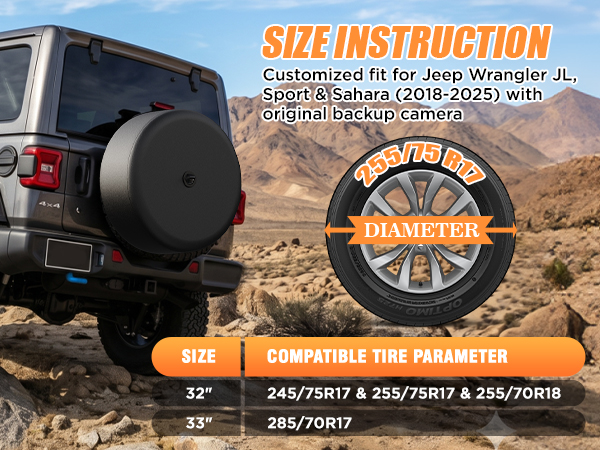
Most tire covers are based on the overall tire diameter. If your tire is labeled in metric, you need to convert it to inches.
Here’s a quick comparison to help:
| Tire Size | Approx. Diameter (inches) | Common Cover Size |
|---|---|---|
| P255/75R17 | 32 | 32″ |
| 31×10.5R15 | 31 | 31″ |
| 33×12.5R15 | 33 | 33″ |
| P245/75R16 | 31 | 31″ |
How To Measure Your Jeep Wrangler Tire
If you are unsure about your tire’s size, you can measure it yourself.
- Measure diameter: Use a tape measure to check the distance from top to bottom across the center of the tire.
- Measure width: Measure from one side to the other at the widest point.
Write down these numbers in inches. Most covers are labeled by diameter first. For example, a 33-inch tire needs a 33-inch cover.
Choosing The Right Tire Cover Size
After measuring, match your tire’s diameter to the cover size. Most covers are available in standard sizes like 30″, 31″, 32″, 33″, and 35″.
Here’s a comparison of popular Wrangler tire sizes with recommended cover sizes:
| Model | Typical Tire Size | Recommended Cover Size |
|---|---|---|
| Jeep Wrangler JK | 32″ | 32″ |
| Jeep Wrangler TJ | 31″ | 31″ |
| Jeep Wrangler JL | 33″ | 33″ |
| Jeep Wrangler YJ | 30″-31″ | 31″ |
Tip: Always check your tire’s exact size, not just the model. Some Wranglers have upgraded tires.
Types Of Tire Covers For Jeep Wrangler
You will find different types of covers on the market:
- Soft vinyl covers: These are flexible, easy to install, and budget-friendly. They work well for most climates.
- Hard shell covers: Offer more protection, resist impacts, and last longer. They are more expensive.
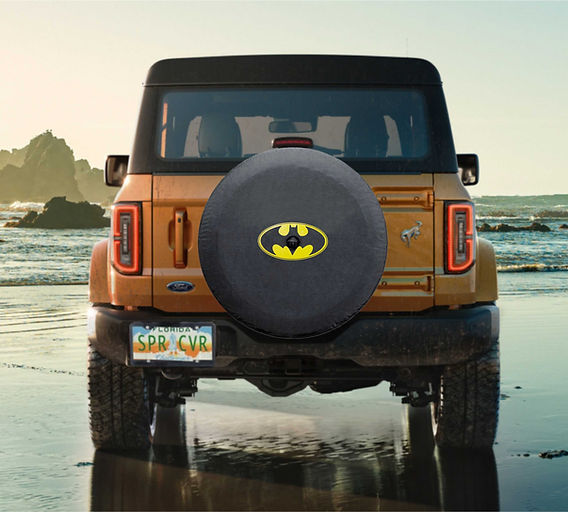
- Custom print covers: You can add logos, graphics, or messages. These are usually made of vinyl with a printed design.
A soft vinyl cover fits tight and is easier for beginners. Hard shell covers may require more precise sizing.
Mistakes To Avoid When Buying
Many Jeep owners make these mistakes:
- Guessing cover size: Always measure your tire or check the sidewall numbers.
- Ignoring width: Some oversized tires may need a wider cover.
- Buying generic covers: Jeep tires are larger than standard SUV tires, so generic covers may not fit.
- Skipping waterproofing: Some covers are not waterproof, which can lead to rust.
Installation Tips For Tire Covers
Installing your tire cover is simple, but a few tricks make it easier:
- Clean the tire: Remove dirt and mud before installing the cover.
- Check fit: The cover should be snug, not loose.
- Secure fasteners: Most covers use elastic, cords, or zippers. Fasten tightly.
- Avoid sharp objects: Make sure nothing pokes the cover from inside, which can cause tears.
Frequently Asked Questions