The Jeep Cherokee is one of the most recognized SUVs in America. It’s famous for its off-road power and comfortable ride.
But when people ask, "What size engine is in a Jeep Cherokee?" —the answer is not simple.
Over the years, Jeep has offered different engine options for the Cherokee. These choices affect performance, fuel economy, towing, and even how the SUV feels on the road.
If you want to choose the right Cherokee, understanding its engine sizes is essential.
Engine Sizes In Recent Jeep Cherokee Models
The Jeep Cherokee has seen many changes in its engine lineup. Today, the most common models you’ll find are from 2014 onwards, known as the fifth generation. Let’s look at the main engine sizes for these modern Cherokees.
2.4l Tigershark I4
This engine is the base option for many Cherokee trims. It’s a four-cylinder, 2.4-liter engine.
- Power: 180 horsepower
- Torque: 171 lb-ft
- Fuel economy: 22 mpg city, 31 mpg highway (FWD models)
- Used in: Latitude, Latitude Plus, Limited (2014–2022)
The 2. 4L Tigershark is ideal for daily commuting.
It’s not the fastest, but it saves fuel and costs less.
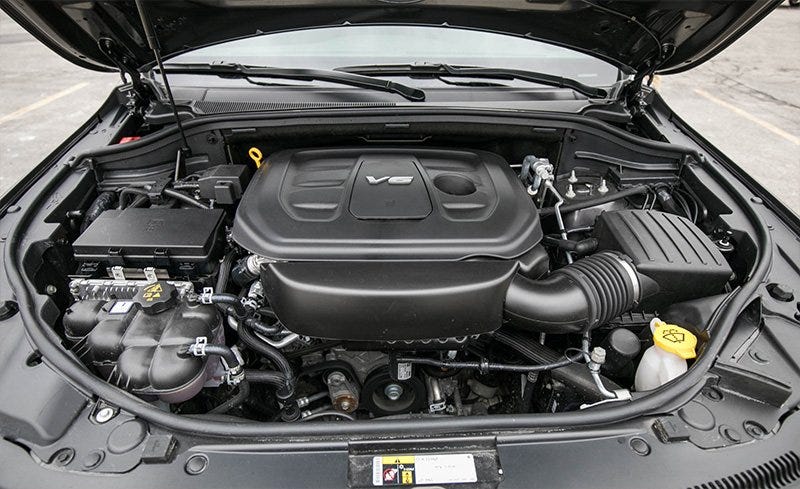
3.2l Pentastar V6
For drivers wanting more power, the 3.2-liter V6 is a popular pick.
- Power: 271 horsepower
- Torque: 239 lb-ft
- Fuel economy: 20 mpg city, 29 mpg highway (FWD models)
- Used in: Trailhawk, Limited, Overland
The Pentastar V6 is good for towing, off-roading, and highway driving. Many owners choose it for its strong performance.
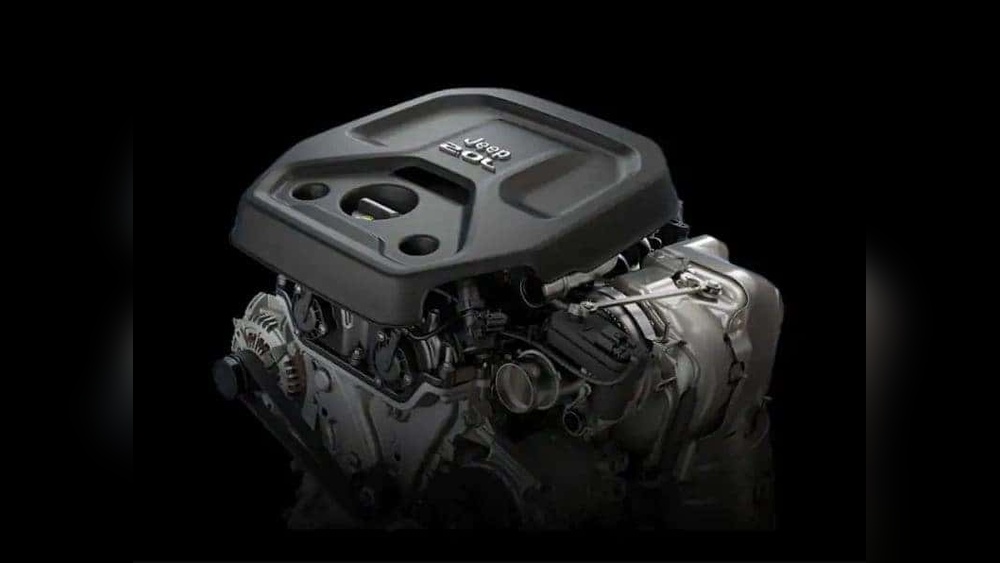
2.0l Turbo I4
In 2019, Jeep added a 2.0-liter turbocharged engine.
- Power: 270 horsepower
- Torque: 295 lb-ft
- Fuel economy: 23 mpg city, 31 mpg highway (FWD models)
- Used in: Limited, Trailhawk, Overland (2019–2022)
This engine offers quick acceleration. It combines power and efficiency, but some buyers find turbo engines more complex to maintain.
Here’s a quick comparison of these engines:
| Engine | Horsepower | Torque (lb-ft) | Fuel Economy (mpg) | Towing Capacity (lbs) |
|---|---|---|---|---|
| 2.4L Tigershark I4 | 180 | 171 | 22/31 | 2,000 |
| 3.2L Pentastar V6 | 271 | 239 | 20/29 | 4,500 |
| 2.0L Turbo I4 | 270 | 295 | 23/31 | 4,000 |
Older Jeep Cherokee Engine Sizes
Cherokee has a long history. Older models, especially before 2014, had different engines.
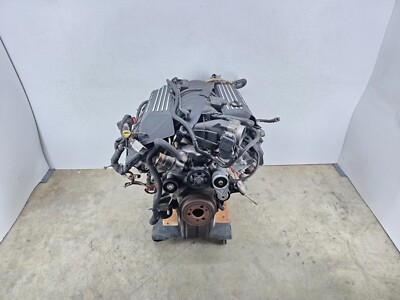
1984–2001 Cherokee (xj)
- 2.5L I4 (4-cylinder): 121 hp
- 4.0L I6 (6-cylinder): 190 hp
The 4.0L inline-six was famous for reliability and strength. Many mechanics say it’s one of Jeep’s best engines. The 2.5L was much less powerful but cheaper to run.
2002–2012 Liberty (kj/kk)
Jeep replaced the Cherokee with the Liberty in the US for these years.
- 3.7L V6: 210 hp
- 2.4L I4: 150 hp
These engines were bigger than the XJ, but less efficient. The 3. 7L V6 is common in used models.
Here’s a look at older engines:
| Model Year | Engine | Horsepower | Notes |
|---|---|---|---|
| 1984–2001 | 4.0L I6 | 190 | Highly reliable |
| 1984–2001 | 2.5L I4 | 121 | Fuel efficient |
| 2002–2012 | 3.7L V6 | 210 | Common in Liberty |
| 2002–2012 | 2.4L I4 | 150 | Rare in Liberty |
Engine Size And Cherokee Performance
The engine size changes how the Jeep Cherokee behaves. Larger engines give more power for towing and off-road driving. Smaller engines save fuel and cost less to maintain.
Some buyers make mistakes by picking the wrong engine. For example, choosing the 2.
4L Tigershark for towing heavy loads will lead to frustration. The 3.
2L V6 is much better for trailers or boats.
Turbocharged engines, like the 2. 0L Turbo I4, offer strong torque.
This means quick acceleration. But turbo engines can need extra care.
Oil changes and repairs may cost more over time.
Here’s a simple guide to picking the right engine:
- Daily commute: 2.4L Tigershark I4
- Family road trips: 3.2L Pentastar V6
- Off-road adventures: 3.2L Pentastar V6 or 2.0L Turbo I4
- Towing boats/trailers: 3.2L Pentastar V6
Many people focus only on horsepower. But torque is also important, especially for towing or climbing hills.
Non-obvious Insights For Buyers
Most buyers check engine size and fuel economy. But there are details beginners often miss:
- The 3.2L Pentastar V6 has a timing chain, not a belt. This means less maintenance, because chains last longer.
- The 2.0L Turbo I4 needs premium fuel for best performance. Using regular gas can reduce power and mileage.
- Older Cherokees (XJ) with the 4.0L I6 can run for over 200,000 miles with basic care. This engine is still popular in used markets.
Also, engine size affects insurance rates. Bigger engines sometimes cost more to insure. Always check with your provider before buying.
Comparing Engine Sizes With Other Suvs
How does the Cherokee’s engine size compare to other SUVs? Here’s a look:
| SUV | Base Engine | Optional Engine | Max Horsepower |
|---|---|---|---|
| Jeep Cherokee | 2.4L I4 | 3.2L V6 | 271 |
| Toyota RAV4 | 2.5L I4 | Hybrid 2.5L I4 | 219 |
| Honda CR-V | 1.5L Turbo I4 | 2.0L Hybrid | 212 |
| Ford Escape | 1.5L Turbo I4 | 2.0L Turbo I4 | 250 |
The Cherokee offers more engine choices and higher horsepower than most competitors. This makes it flexible for different needs.
Frequently Asked Questions




















