If you drive a Jeep Wrangler, knowing the right tire pressure is key for safety, performance, and fuel efficiency. Many owners overlook this simple step, but it can make a big difference in how your Jeep handles both on the road and off. Whether you’re heading to work or planning a weekend adventure, keeping your tires at the correct PSI (pounds per square inch) helps avoid problems and maximizes your Wrangler’s capability. Let’s dive into what the ideal Jeep Wrangler tire pressure should be, how it changes based on conditions, and what happens if you get it wrong.
Recommended Tire Pressure For Jeep Wrangler
The standard tire pressure for most Jeep Wrangler models is 35 PSI. This number suits daily driving on paved roads and aligns with the manufacturer’s advice. You can always check your owner’s manual or the sticker inside the driver’s door for the exact figure for your Jeep’s year and tire size.
Here’s a comparison of recommended tire pressures for different Wrangler models:
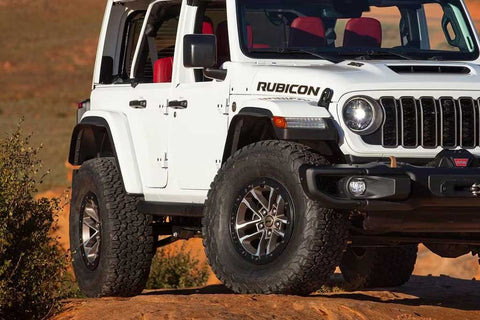
| Jeep Wrangler Model | Recommended Tire Pressure (PSI) |
|---|---|
| Sport | 35 |
| Sahara | 35 |
| Rubicon | 35 |
| Unlimited | 35 |
| Older Models (pre-2010) | 32-35 |
Most stock tires are made for highway use. If you upgrade to larger or specialty tires, the recommended PSI might change. Always check what’s printed on the tire sidewall, but remember, that’s usually the maximum pressure, not the ideal for daily driving.
Why Correct Tire Pressure Matters
Keeping tires at the right pressure gives you:
- Better fuel efficiency: Underinflated tires increase resistance and make your Jeep use more gas.
- Safer handling: Overinflated tires can make your Wrangler slide or bounce, while underinflated tires reduce grip.
- Longer tire life: Incorrect PSI causes uneven wear, meaning you’ll replace tires sooner.
Many drivers don’t realize that even a small change in PSI (2 3 points) can affect braking distance and steering response. For a heavy vehicle like a Jeep Wrangler, this is especially important.
Adjusting Tire Pressure For Off-roading
If you take your Jeep Wrangler off-road, tire pressure needs to change. Lowering PSI helps tires grip loose surfaces like sand, mud, or rocks.
The right PSI depends on terrain, tire type, and load.
Here’s a quick guide for common off-road conditions:
| Terrain | Recommended PSI |
|---|---|
| Sand | 12–15 |
| Mud | 15–18 |
| Rock Crawling | 12–16 |
| Gravel/Trail | 18–22 |
Never go lower than 10 PSI unless you have beadlock wheels (these lock the tire to the rim). Lowering pressure too much can cause the tire to pop off the rim, which is dangerous.
When you finish off-roading, always re-inflate your tires to normal PSI before driving on highways. Driving with low pressure at high speed increases the risk of a blowout.
Checking And Maintaining Tire Pressure
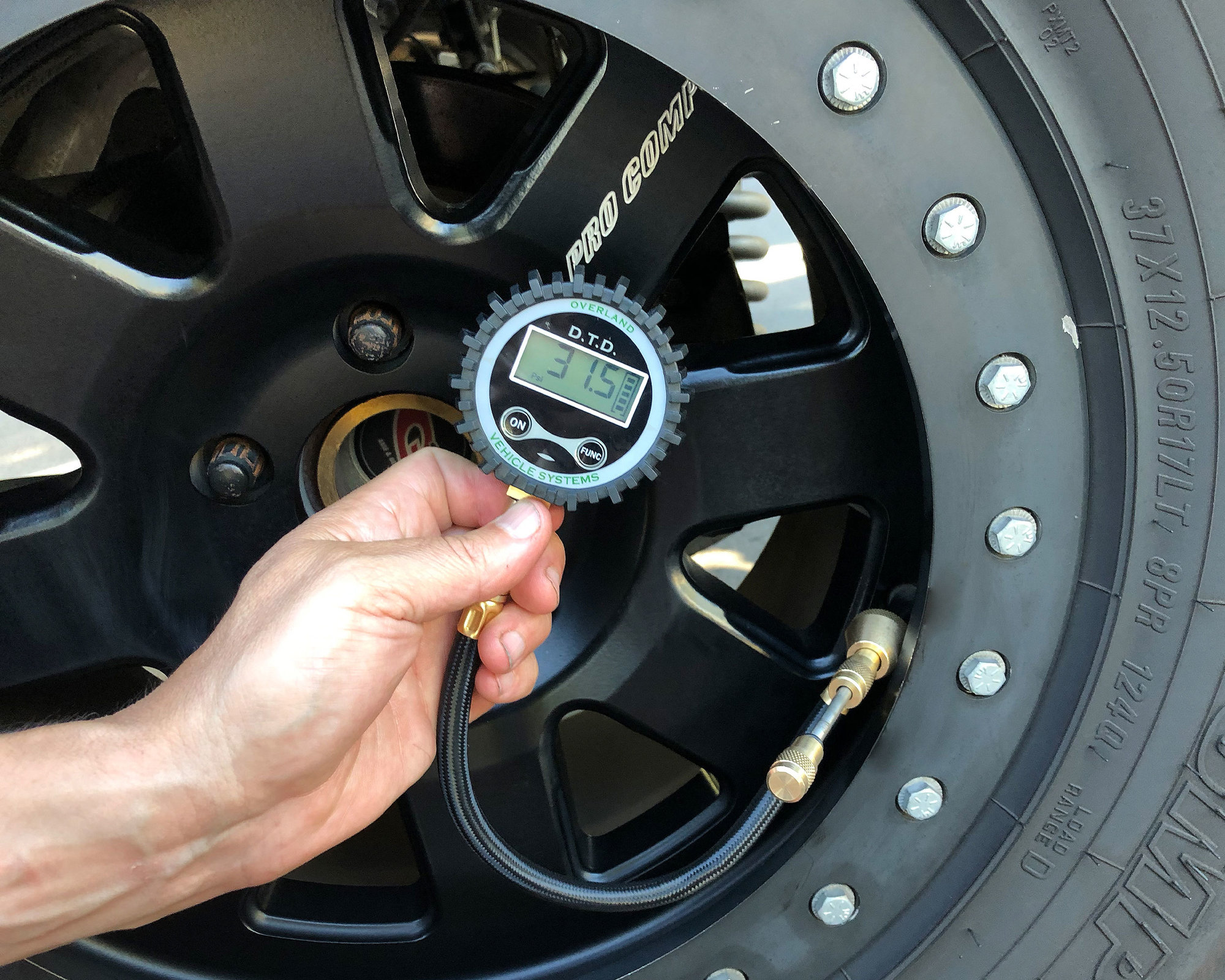
It’s important to check your Jeep Wrangler’s tire pressure at least once a month and before any long trip. Use a reliable tire gauge digital types are often more accurate.
Here’s a simple step-by-step:
- Wait until tires are cold (parked for 3+ hours).
- Remove the valve cap and press the gauge onto the valve.
- Read the PSI and compare it to your Jeep’s recommended number.
- Add air if needed, or release air if pressure is too high.
- Replace the cap.
Many gas stations offer free air pumps. Some Wranglers come with a Tire Pressure Monitoring System (TPMS), but it’s still good to double-check manually. TPMS alerts only when pressure drops below a certain point.
Common Mistakes With Jeep Wrangler Tire Pressure
Beginners often make these errors:
- Trusting the tire sidewall: The number shown is maximum PSI, not recommended for daily driving.
- Ignoring load and upgrades: If you carry heavy gear or use oversized tires, adjust PSI accordingly.
- Not adjusting for temperature: Tire pressure drops in cold weather and rises in heat. Check more often in winter.
- Skipping routine checks: Many only check when the TPMS light comes on, but this can miss small leaks.
One less obvious tip: Always check spare tire pressure. If you need it in an emergency, you don’t want it flat.
Effects Of Incorrect Tire Pressure
Driving with wrong PSI can cause:
- Poor traction: Underinflated tires reduce grip, especially in wet or snowy conditions.
- Uneven tire wear: Overinflated tires wear in the center; underinflated tires wear on the sides.
- Reduced comfort: Low PSI makes steering feel sluggish, high PSI makes the ride bouncy.
- Higher risk of blowouts: Both extremes increase the chance of sudden tire failure.
A study by the National Highway Traffic Safety Administration found that about 1 in 4 vehicles on US roads have at least one tire underinflated by 8 PSI or more.
Tire Pressure For Aftermarket And Larger Tires
If you’ve installed larger tires on your Jeep Wrangler, recommended PSI changes. Bigger tires usually need less pressure than stock tires. For example, a 35-inch tire might use 28–32 PSI for daily driving.
Here’s a quick comparison:
| Tire Size | Recommended PSI |
|---|---|
| Stock (31–32 inches) | 35 |
| 33 inches | 32 |
| 35 inches | 28–32 |
| 37 inches | 26–30 |
Always test with a chalk line method: Draw a line across the tread, drive a short distance, and see where it wears off. Adjust PSI until the line wears evenly across the tread.
Frequently Asked Questions
What Is The Best Tire Pressure For Highway Driving In A Jeep Wrangler?
35 PSI is best for most stock Jeep Wrangler tires. This gives good balance of comfort, handling, and fuel economy.
Should I Lower My Tire Pressure For Off-roading?
Yes, lower your PSI for better grip. For sand, go as low as 12–15 PSI; for rocks, 12–16 PSI is common. Always return to normal PSI after off-roading.
How Often Should I Check My Jeep Wrangler Tire Pressure?
Check at least once per month and before any long trip. Also check after big temperature changes.
Can I Trust My Jeep’s Tpms For Accurate Tire Pressure?
TPMS is helpful, but not always precise. Use a manual gauge for accuracy, especially if you’re off-roading or running non-stock tires.
What Happens If My Tire Pressure Is Too High Or Too Low?
Too high causes bouncy ride and center wear. Too low causes poor handling and edge wear. Both increase risk of tire failure.
Your Jeep Wrangler can tackle almost any terrain, but only if you keep your tires in top shape. Correct tire pressure improves safety, performance, and saves money over time. If you want deeper technical details, you can check the official Jeep specs at Jeep Wrangler Official Site. Remember, a few minutes spent checking your tire pressure can prevent hours of trouble on the road or trail. Stay safe, and enjoy your Jeep adventures!


















