When the Jeep Liberty disappeared from showrooms, many drivers wondered what would fill its place. The Liberty, popular for its rugged look and off-road abilities, had created a loyal following since 2002. But as car buyers’ needs and technology changed, Jeep had to rethink its lineup. Today, let’s explore what replaced the Jeep Liberty, why the change happened, and how the new model compares.
Why Jeep Discontinued The Liberty
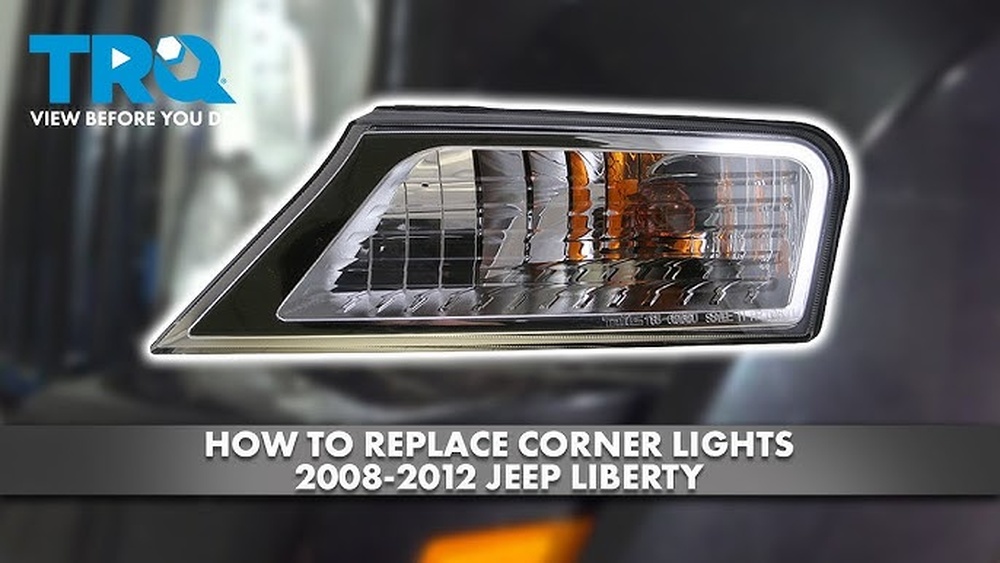
Jeep introduced the Liberty in 2002 to offer a compact SUV that could handle both city streets and rough trails. For years, it was a bestseller in its class.
However, by 2012, it was clear that the market had changed.
Drivers wanted better fuel efficiency, more advanced technology, and a smoother ride.
Some key reasons for discontinuation:
- Fuel economy: The Liberty’s V6 engine was powerful but thirsty. It struggled to compete with newer SUVs offering better gas mileage.
- Safety and tech: The Liberty lagged behind in features like advanced airbags, stability control, and infotainment systems.
- Changing tastes: More people wanted crossovers with car-like comfort, not just tough off-road vehicles.
Jeep decided to retire the Liberty after the 2012 model year, making way for a more modern option.
The Jeep Cherokee Takes Over
The Jeep Cherokee (model code KL) is the direct replacement for the Liberty in North America. Jeep revived the Cherokee name for the 2014 model year, using it for a brand-new vehicle built on a different platform.
Key Differences Between Liberty And Cherokee
Here’s a side-by-side look at how the two models compare:
| Feature | Jeep Liberty (2012) | Jeep Cherokee (2014+) |
|---|---|---|
| Engine Options | 3.7L V6 only | 2.4L I4, 3.2L V6 |
| Fuel Economy (city/hwy mpg) | 16/22 | Up to 22/31 |
| Transmission | 4-speed auto | 9-speed auto |
| Infotainment | Basic radio/CD | Touchscreen, navigation, Bluetooth |
| Safety Features | ABS, airbags | Advanced airbags, lane assist, blind spot |
The biggest changes are under the hood and inside the cabin. The Cherokee offers better gas mileage, more engine choices, and a smoother ride.
It also brings modern tech, like a touchscreen and advanced safety systems.
Styling And Design
When the new Cherokee arrived, some fans were surprised. Its front end was much sleeker and more modern than the boxy Liberty.
Jeep took a risk with this design, aiming to attract new buyers who wanted style as well as function.
Over time, many drivers warmed up to the new look.
Cherokee’s Place In The Jeep Family
The 2014 Cherokee filled the space between the smaller Jeep Compass and the larger Grand Cherokee. It targeted people who wanted a practical daily driver but still needed real off-road capability.
Here’s how the Cherokee fits among other Jeep models:
| Model | Size | Target Buyer |
|---|---|---|
| Compass | Smallest | Budget, city use |
| Cherokee | Mid-size | Families, mixed driving |
| Grand Cherokee | Large | Luxury, towing, long trips |
The Cherokee is designed to please both long-time Jeep fans and new buyers. It can tow up to 4,500 pounds when properly equipped, almost as much as the old Liberty.
Features That Set The Cherokee Apart
The new Cherokee brought some fresh features to the table:
- 9-Speed Automatic Transmission: This helped improve both fuel economy and driving comfort.
- Active Drive Systems: Jeep offered several 4×4 systems for different needs, including the tough Trailhawk for serious off-roaders.
- Modern Safety Tech: Blind spot monitoring, lane departure warning, and forward collision warning became available.
- Comfort and Connectivity: Heated seats, panoramic sunroof, and a large touchscreen with Apple CarPlay and Android Auto.
Many buyers overlooked one key detail: the Cherokee’s available Trailhawk trim is one of the most capable off-road crossovers in its class, thanks to its locking rear differential and increased ground clearance.
How The Switch Impacted Jeep
Replacing the Liberty with the Cherokee was a big move for Jeep. At first, some fans were unsure about the new direction.
However, sales numbers told a different story. The Cherokee quickly became one of Jeep’s top sellers in the US, often competing with the Grand Cherokee for the lead.
One practical insight: The Cherokee’s platform was based on a Fiat design, which brought better handling and comfort, but some die-hard Jeep fans missed the Liberty’s rugged, old-school feel. Still, for most buyers, the improved economy and features made up for the change.
Alternatives To The Jeep Cherokee
While the Cherokee is the official replacement, some shoppers look at other options. If you want something similar to the Liberty’s old-school style, the Jeep Wrangler is worth a look. For even more space, the Grand Cherokee fits the bill.
It’s smart to compare:
| Model | Best For | Price Range (2023) |
|---|---|---|
| Cherokee | Daily use, some off-road | $30,000–$40,000 |
| Wrangler | Heavy off-road, open-air driving | $32,000–$55,000 |
| Grand Cherokee | Luxury, towing, family trips | $40,000–$70,000 |
A common mistake: assuming the Cherokee is just a renamed Liberty. In truth, it’s a very different vehicle, focused on modern needs and comfort.
Frequently Asked Questions
What Year Did Jeep Stop Making The Liberty?
Jeep ended production of the Liberty in 2012. The 2012 model year was the last to be sold in the US.
Is The Jeep Cherokee Good For Off-roading Like The Liberty?
Yes, especially in the Trailhawk trim. The Cherokee Trailhawk is designed for tough trails and has features like skid plates and a locking rear differential.
Why Did Jeep Bring Back The Cherokee Name?
Jeep wanted to connect with its heritage. The Cherokee name was well-known and respected, so it made sense to use it for the Liberty’s replacement.
How Does The Cherokee’s Fuel Economy Compare To The Liberty?
The Cherokee is much more efficient. Some models reach up to 31 mpg on the highway, while the Liberty managed only 22 mpg.
Where Can I Learn More About Jeep’s History And Lineup?
A good starting point is the official Jeep Wikipedia page, which covers models, history, and major changes.
The end of the Liberty marked a turning point for Jeep, as the brand moved toward more efficient and tech-packed SUVs.
The Cherokee, with its mix of comfort and capability, has proven itself as a worthy replacement bridging the gap between Jeep’s rugged past and its future.