If you enjoy off-roading with your Jeep, you know how important a winch is. Getting stuck is part of the adventure, but escaping tough spots safely depends on choosing the right winch.
One question always comes up: What pound winch for Jeep should you buy? Picking the wrong size can leave you stranded—or waste money.
Let’s look at how to decide the best winch for your Jeep, with clear tips and real-world advice.
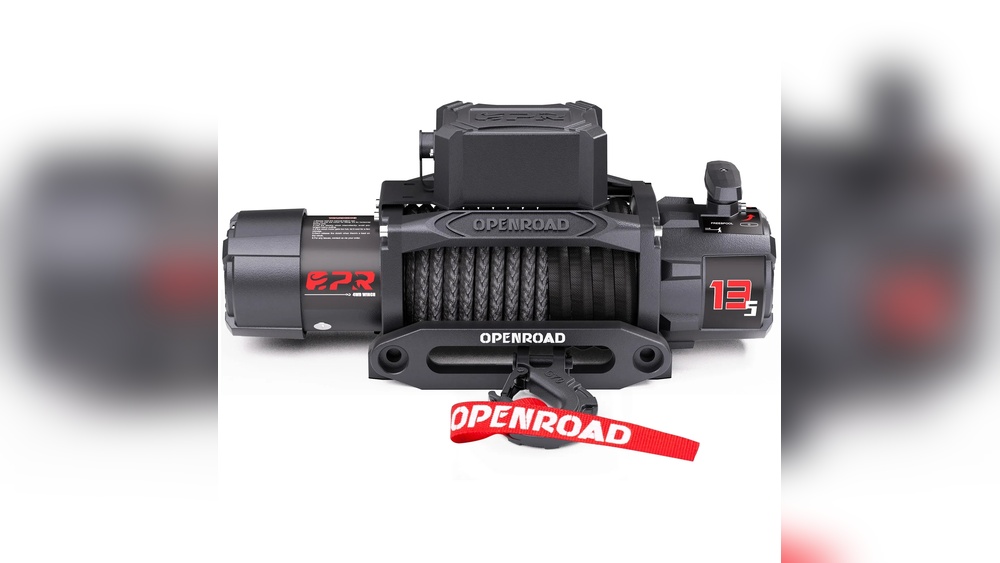
Why Winch Size Matters
A winch’s pound rating tells you the maximum weight it can pull. For Jeeps, the right rating makes sure you can recover your vehicle from mud, sand, or rocks. Too small and the winch may fail; too big and you pay extra, carry more weight, and use more power.
Most experts recommend a winch rated at 1.5 times your Jeep’s gross vehicle weight (GVW). This formula includes the Jeep plus gear, passengers, and modifications like bigger tires or bumpers.
Common Jeep Weights And Winch Recommendations
Let’s look at some popular Jeep models and their average weights. This helps you see the winch size needed.
| Jeep Model | Average Weight (lbs) | Recommended Winch (lbs) |
|---|---|---|
| Jeep Wrangler Sport | 4,100 | 6,000–8,000 |
| Jeep Wrangler Rubicon | 4,450 | 7,000–9,000 |
| Jeep Gladiator | 4,800 | 8,000–10,000 |
| Jeep Grand Cherokee | 4,600 | 7,000–10,000 |
Most Jeep owners choose winches between 8,000 and 10,000 pounds. This range covers almost all situations, even with upgrades and heavy gear.
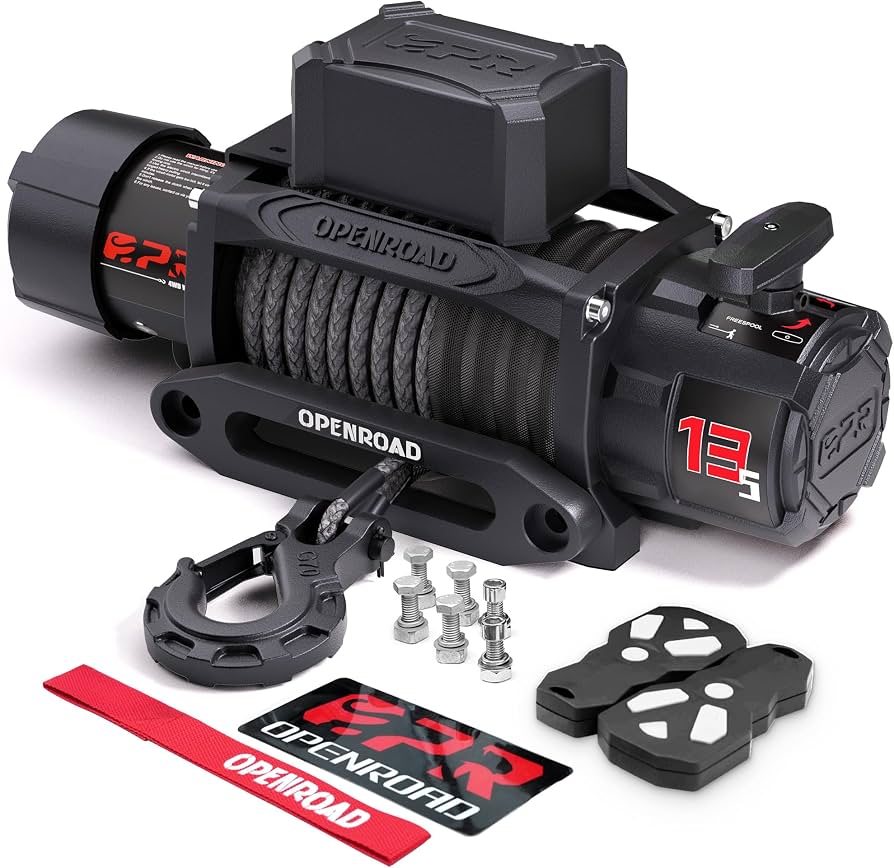
Factors That Affect Winch Choice
Weight is just one factor. Here are others you should think about:
- Terrain: Mud and sand create more resistance. If you travel in these, go higher in winch rating.
- Modifications: Bigger tires, steel bumpers, roof racks, and gear add hundreds of pounds.
- Winch Line Type: Synthetic rope is lighter but less durable than steel cable.
- Battery Power: A stronger winch needs more electrical power. Check your Jeep’s battery and alternator.
Comparing Winch Sizes
Choosing between 8,000, 10,000, and 12,000-pound winches? Here’s how they stack up.
| Winch Size | Pros | Cons |
|---|---|---|
| 8,000 lbs | Lightweight, cheaper, easy installation | May struggle with heavy Jeeps or deep mud |
| 10,000 lbs | Balanced power, fits most Jeeps, reliable | Heavier, higher price, needs strong battery |
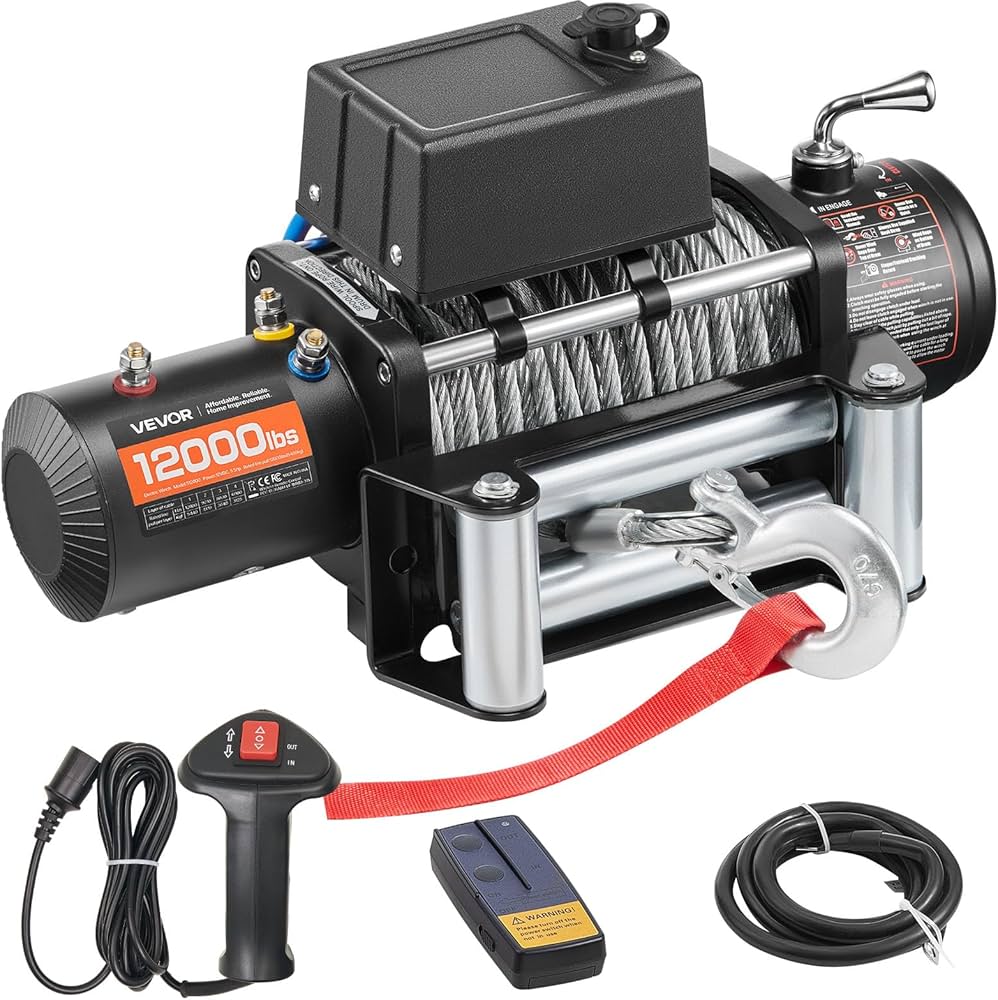
| 12,000 lbs | Handles extreme conditions, extra strength | Very heavy, expensive, overkill for most |
For most Jeep owners, the 10,000-pound winch is the sweet spot. It works well for stock and modified vehicles.
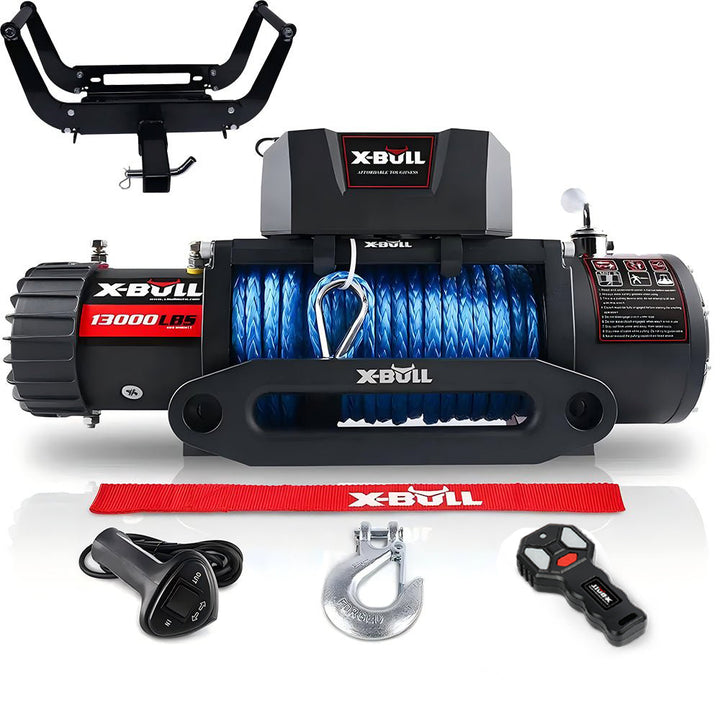
Real-world Example: Choosing The Right Winch
Imagine you own a Jeep Wrangler Rubicon. After adding a steel bumper, roof rack, and camping gear, the total weight is about 4,900 pounds.
- Multiply by 1.5: 4,900 x 1.5 = 7,350 pounds.
- Pick the next standard winch size: 8,000 or 10,000 pounds.
Since you often drive in deep mud, go with a 10,000-pound winch. It gives extra strength and peace of mind.
Common Mistakes When Picking A Winch
Some mistakes can cause problems on the trail:
- Buying a winch that matches only the Jeep’s empty weight, not loaded weight.
- Ignoring battery and electrical system requirements.
- Forgetting that winch ratings are for straight pulls; angled pulls reduce power.
- Not checking the mounting plate’s strength.
Always plan for your worst-case scenario, not just average trips.
Practical Tips For Winch Selection
- Check your Jeep’s weight with modifications and gear.
- Choose a winch rated at least 1.5 times your total weight.
- Synthetic rope is safer for most users, but steel cable lasts longer.
- Upgrade your battery if needed—especially for bigger winches.
- Test your winch before every trip. Don’t wait until you’re stuck.
Here is a quick reference for common winch sizes and Jeep weights:
| Total Jeep Weight (lbs) | Minimum Winch (lbs) | Ideal Winch (lbs) |
|---|---|---|
| 4,000 | 6,000 | 8,000 |
| 4,500 | 7,000 | 10,000 |
| 5,000+ | 8,000 | 12,000 |
Non-obvious Insights
Many beginners forget that winch ratings are based on the first layer of cable or rope. As the cable winds onto the drum, pulling power decreases. So, a 10,000-pound winch may only pull 8,000 pounds on the fourth layer. Also, using a snatch block doubles your pulling power, which is useful for tough recoveries.
Another tip: Synthetic rope is much lighter and safer if it breaks, but it needs protection from UV and sharp edges. Always carry a rope sleeve if you choose synthetic.
External Resource
For more technical data on winch ratings and Jeep weights, visit Jeep Official Site.
Frequently Asked Questions
What Size Winch Is Best For A Jeep Wrangler?
A 10,000-pound winch is ideal for most Jeep Wranglers, even with upgrades. It handles tough terrain and heavy loads safely.
Can I Use A Smaller Winch If I Have A Light Jeep?
Yes, but always follow the 1.5 times weight rule. For lighter Jeeps, an 8,000-pound winch works, but avoid going below this unless you rarely off-road.
What’s The Difference Between Synthetic Rope And Steel Cable?
Synthetic rope is lighter and safer, but can wear out faster. Steel cable is stronger for heavy use but can be dangerous if it snaps. Choose based on your needs and safety preferences.
Do I Need To Upgrade My Battery For A Bigger Winch?
Often yes. High-powered winches need more electrical power. Check your battery’s capacity and consider upgrading if you choose a winch over 10,000 pounds.
How Do I Install A Winch On My Jeep?
You need a winch mount plate and basic tools. Follow the winch manufacturer’s instructions closely. Always test your winch after installation to ensure it works before hitting the trail.
Picking the right pound winch for your Jeep is a smart investment. It keeps you safe, saves time, and lets you explore with confidence.
Choose carefully, think about your Jeep’s real weight, and always prepare for the toughest conditions.