If you’re thinking about swapping your Jeep wheels onto another vehicle, you’re not alone. Jeep owners often want to use their rugged wheels on trucks, SUVs, or even cars for a unique look or to save money.
But fitting wheels isn’t just about size; they need to match in several ways to be safe and effective. This guide will help you understand what other vehicles Jeep wheels will fit and what you must check before making the switch.
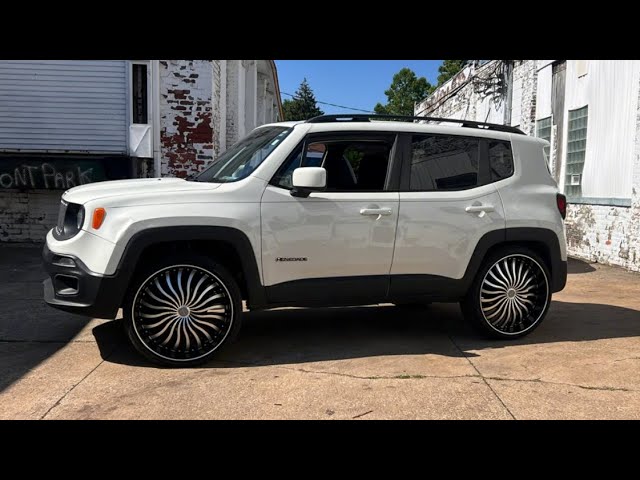
Key Factors For Wheel Compatibility
Swapping wheels between vehicles requires more than just matching tire size. Consider these important points:
Bolt Pattern: This is the number of lug nuts and the distance between them. For example, a 5×127 (5 lugs, 127mm apart) is common on Jeep Wranglers.
Center Bore: The hole in the center of the wheel must fit over the vehicle’s hub. Too small won’t fit; too large may need hub-centric rings.
Offset: This measures how far the mounting surface sits from the wheel’s center. The wrong offset can make tires rub or stick out.
Wheel Size: Diameter and width must fit inside the fender and clear the brakes.
Load Rating: Wheels must support the vehicle’s weight.
Many beginners only check bolt patterns and ignore offset or center bore, leading to poor fit or safety issues.
Jeep wheels, especially from popular models like the Wrangler or Cherokee, often fit other vehicles with similar specifications. Here’s a look at common Jeep bolt patterns and what they match.
Jeep 5×127 Bolt Pattern
Many modern Jeeps use the 5×127 mm (5×5″) Bolt Pattern, including:
Wrangler JK (2007–2018)
Grand Cherokee (1999–2026)
Commander
Vehicles That Also Use 5×127 mm And May Accept Jeep Wheels:
Dodge Durango (2011+)
Chrysler Pacifica (2017+)
Some older Dodge Ram vans
However, you must still check offset and center bore. For example, the Wrangler JK wheels usually have a positive offset around +44mm, while Dodge Durango wheels often use a similar offset.
Vehicle | Bolt Pattern | Offset Range | Center Bore |
|---|---|---|---|
Jeep Wrangler JK | 5×127 | +44mm | 71.5mm |
Dodge Durango | 5×127 | +40 to +56mm | 71.5mm |
Chrysler Pacifica | 5×127 | +40mm | 71.5mm |
Jeep 5×114.3 Bolt Pattern
Some older Jeep models use the 5×114.3mm (5×4.5″) bolt pattern, such as:
Jeep Cherokee XJ (1984–2001)
Jeep Wrangler TJ (1997–2006)
Jeep Liberty
These Can Fit Many Popular Vehicles:
Ford Explorer (1991–2010)
Mazda Tribute
Honda Passport (older models)
Some Nissan and Toyota SUVs
Again, always check the offset and center bore to avoid issues. For example, many Japanese SUVs use a smaller center bore, so a hub ring may be needed.
Vehicle | Bolt Pattern | Offset | Center Bore |
|---|---|---|---|
Jeep Cherokee XJ | 5×114.3 | 0 to +12mm | 71.5mm |
Ford Explorer | 5×114.3 | +12 to +44mm | 70.5mm |
Mazda Tribute | 5×114.3 | +45mm | 67.1mm |
Unusual Jeep Bolt Patterns
Some Jeeps, like the CJ series, use the 5×139.7mm (5×5.5″) pattern. These can fit:
Older Ford F-150s (pre-1997)
Dodge Ram 1500 (up to 1993)
Some Suzuki and Mitsubishi SUVs
These swaps are less common and often need custom work for proper fit.
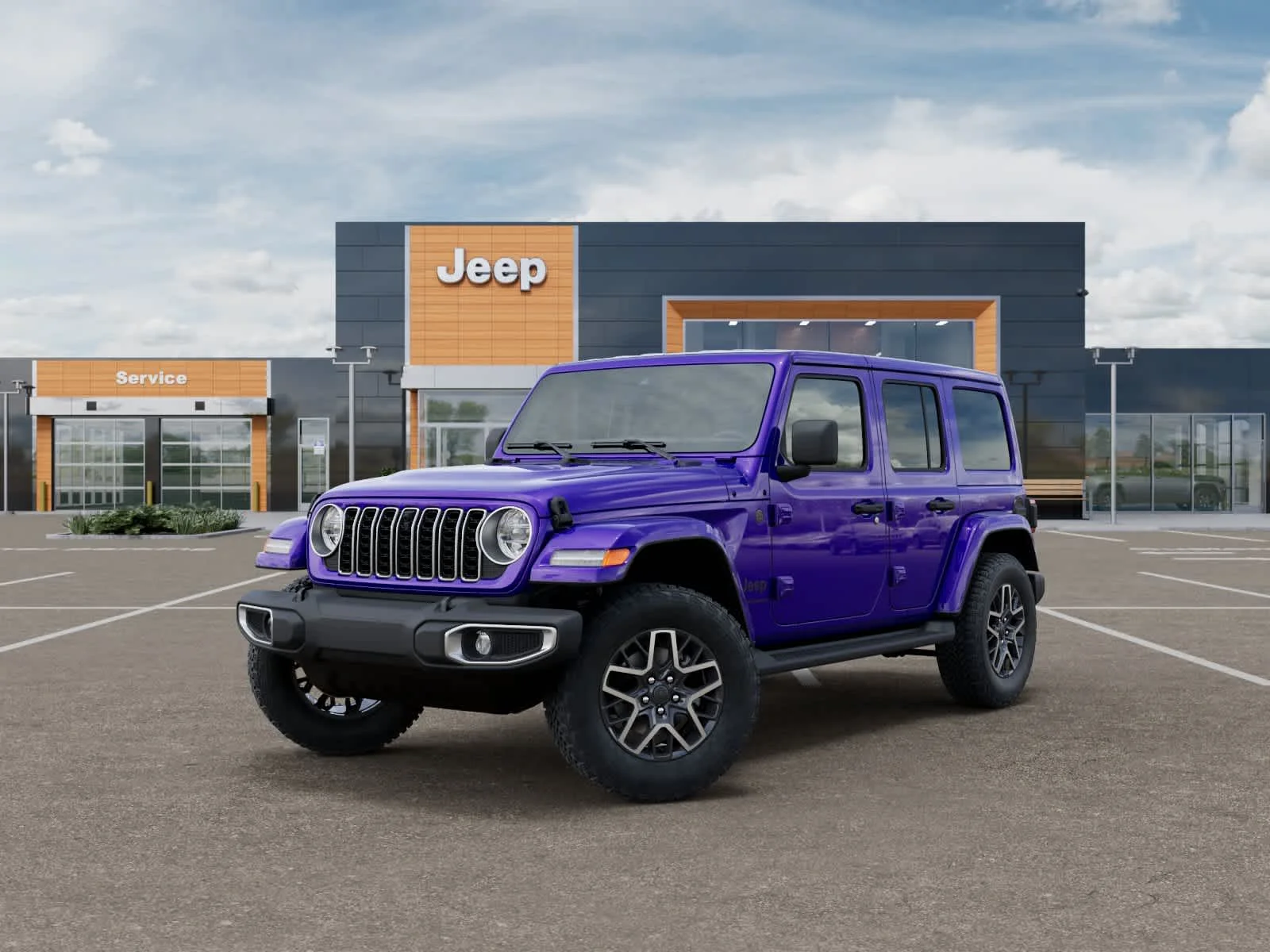
Practical Examples Of Jeep Wheel Swaps
Here are a few real-world examples to help you understand what works:
Jeep Wrangler JK to Dodge Durango: Direct fit if both use 5×127, but check that the wheel width and offset are close. Larger Jeep wheels may rub on smaller SUVs.
Jeep Cherokee XJ to Ford Explorer: Both use 5×114.3. You may need a hub-centric ring for a perfect fit.
Jeep wheels on Toyota: Most Toyotas use 6-lug or different offset, so Jeep wheels rarely fit without adapters.
A common mistake is forgetting the center bore. If the Jeep wheel’s center bore is larger, use hub-centric rings to avoid vibrations.
When Jeep Wheels Will Not Fit
Some vehicles are simply too different. For Example:
Most modern trucks (Chevy, Toyota, GMC) use 6-lug or 8-lug patterns.
Most cars use smaller diameters and different offsets.
Adapters can sometimes help, but they add complexity and can reduce safety. Always check with a professional before using adapters.
Other Compatibility Considerations
Tire size matters, too. Even if a Jeep wheel bolts on, oversized tires might hit fenders or suspension parts. Also, using wheels with the wrong load rating can be dangerous—especially on heavy vehicles.
Many owners miss the importance of brake clearance. Some Jeep wheels are designed for large off-road brakes. If you fit them to a car with smaller brakes, you might have too much space, or the wheels may look odd.
Here’s a quick comparison between Jeep wheels and typical SUV wheels:
Specification | Jeep Wrangler | Honda Pilot | Ford Explorer |
|---|---|---|---|
Bolt Pattern | 5×127 | 5×120 | 5×114.3 |
Offset | +44mm | +45mm | +44mm |
Center Bore | 71.5mm | 64.1mm | 70.5mm |
How To Check Compatibility Before Buying
Measure your bolt pattern (or look it up in your manual).
Check the center bore size.
Confirm the offset is within 5–10mm of your stock wheels.
Make sure the wheel diameter and width will fit under your fenders and clear brakes.
Ask a tire shop to check load rating and safety.
For extra help, use online fitment guides or community forums. Sites like Wheel-Size.com are also useful for checking details.
What Is The Most Common Jeep Bolt Pattern?
The most common is 5x127mm (5×5″), found on many recent Wranglers and Grand Cherokees.
Can Jeep Wheels Fit On Ford Trucks?
Some older Ford SUVs and trucks use 5×114.3mm, which matches some Jeep models. However, newer Fords use different patterns.
Do I Need Special Lug Nuts For Jeep Wheels?
Sometimes yes—Jeep wheels often use acorn or mag-style lug nuts. Check that your vehicle’s lugs fit the wheel holes and seat type.
Can I Use Spacers Or Adapters To Make Jeep Wheels Fit?
You can, but it’s not always safe. Spacers or adapters add stress and may affect handling. Only use high-quality parts and have them installed by a professional.
Will Jeep Wheels Affect My Speedometer Or Ride?
If you change the tire size along with the wheels, your speedometer can read incorrectly. Keep overall tire diameter close to stock for best results.
Swapping Jeep wheels can personalize your vehicle and save money, but only if you pay attention to details. Always check bolt pattern, offset, center bore, and size before buying.
When in doubt, ask an expert or use trusted online resources.
Taking these steps will help you enjoy a safe, stylish wheel swap—without surprises down the road.