The Jeep Wrangler is famous for its off-road power and strong engine. But to keep this SUV running at its best, you need to use the right oil.
Many Wrangler owners are unsure about which oil is best should you use synthetic or conventional?
What about oil weight or viscosity? This article explains exactly what oil is best for Jeep Wrangler, why it matters, and how to make the best choice for your model and driving habits.
Why Oil Choice Matters For Jeep Wrangler
Engine oil is not just a lubricant. It keeps your engine cool, reduces friction, and helps prevent wear on moving parts. Jeep Wranglers often face tough conditions—dust, mud, steep hills, and heat. Using the wrong oil can lead to faster engine wear, reduced fuel efficiency, and even engine failure. The right oil helps your Wrangler last longer and perform better, especially if you love off-roading.
Recommended Oil Types By Jeep Wrangler Model
Every Jeep Wrangler model and engine has specific oil needs. Here’s a breakdown of popular models and what oil works best:
| Wrangler Model | Engine Type | Recommended Oil Type | Viscosity |
|---|---|---|---|
| JK (2007-2018) | 3.6L V6 | Full Synthetic | 5W-20 |
| JL (2018-present) | 2.0L Turbo | Full Synthetic | 0W-20 |
| JL (2018-present) | 3.6L V6 | Full Synthetic | 0W-20 |
| TJ (1997-2006) | 4.0L I6 | Conventional or Synthetic Blend | 10W-30 |
| YJ (1987-1995) | 4.2L I6 | Conventional | 10W-30 |
Most new Wranglers need full synthetic oil. Older models can use synthetic blends or conventional oil, but switching to synthetic can still improve engine protection.
Synthetic Vs Conventional Oil: Which Is Better?
You may wonder if synthetic oil is worth the extra cost. Let’s compare:
| Oil Type | Pros | Cons |
|---|---|---|
| Full Synthetic |
|
|
| Conventional |
|
|
Non-obvious insight: If you drive in hot or cold climates, or tow heavy loads, synthetic oil is a better choice—even for older Wranglers.
How To Choose The Right Oil For Your Wrangler
1. Check Your Owner’s Manual
Jeep always lists the recommended oil and viscosity. Follow these guidelines for the best results.
2. Consider Your Driving Style
Off-roading, towing, and city driving stress your engine in different ways. If you drive off-road often, use full synthetic oil for maximum protection.
3. Climate Matters
In cold weather, choose a lower viscosity (like 0W-20) so oil flows quickly at startup. For hot climates, make sure the oil can handle high temperatures.
4. Engine Age And Mileage
High-mileage engines (over 75,000 miles) may benefit from “high mileage” synthetic oils that include seal conditioners to reduce leaks.
5. Look For Api Certification
Always choose oil with the API “starburst” or “shield” symbol. This means it meets engine protection standards.
Common mistake: Many owners use thicker oil, thinking it gives more protection. But using oil that is too thick can cause poor fuel economy and hard starts, especially in winter.
Top Oil Brands For Jeep Wrangler
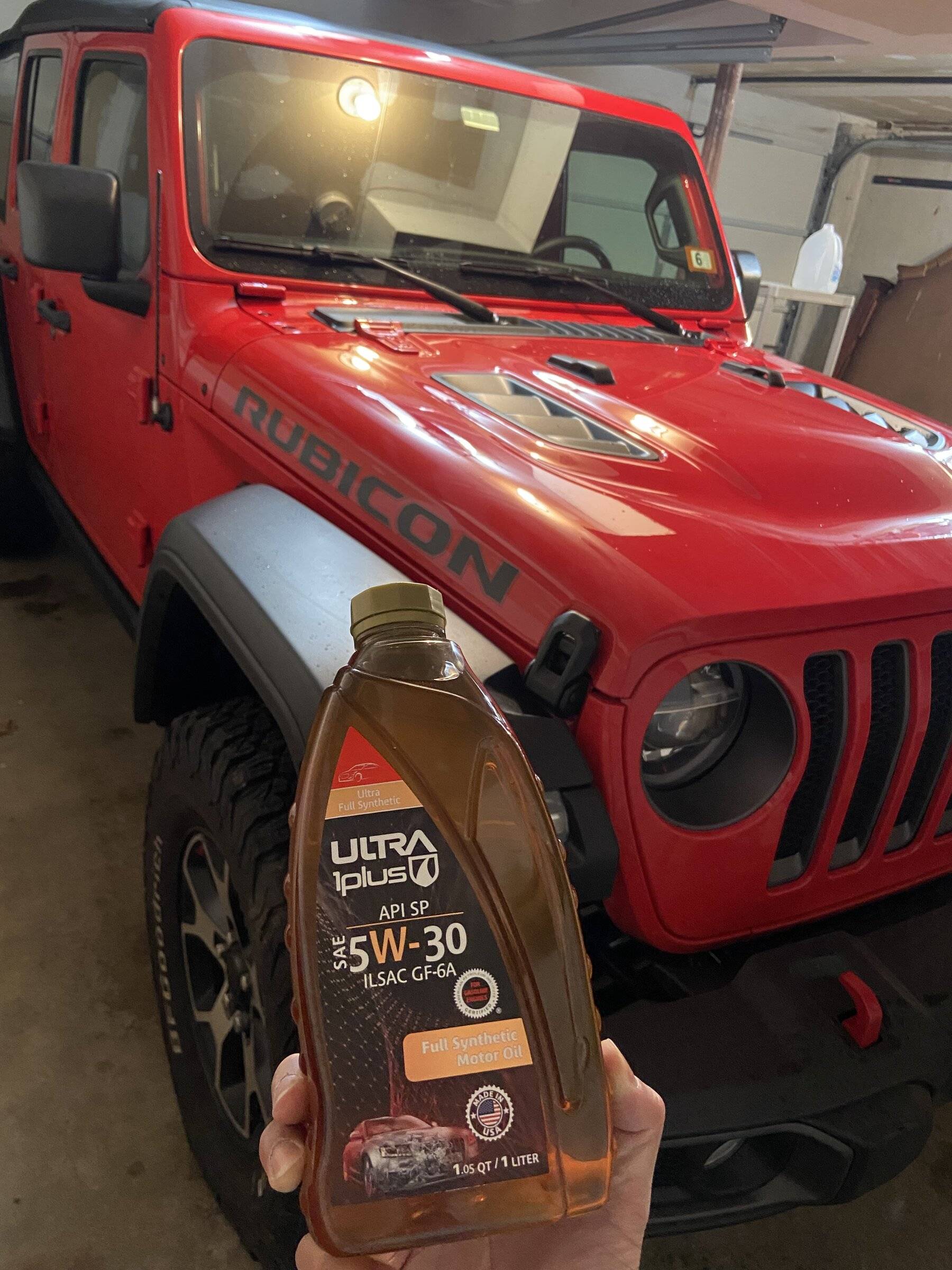
While many brands make quality oil, a few stand out for Jeep engines:
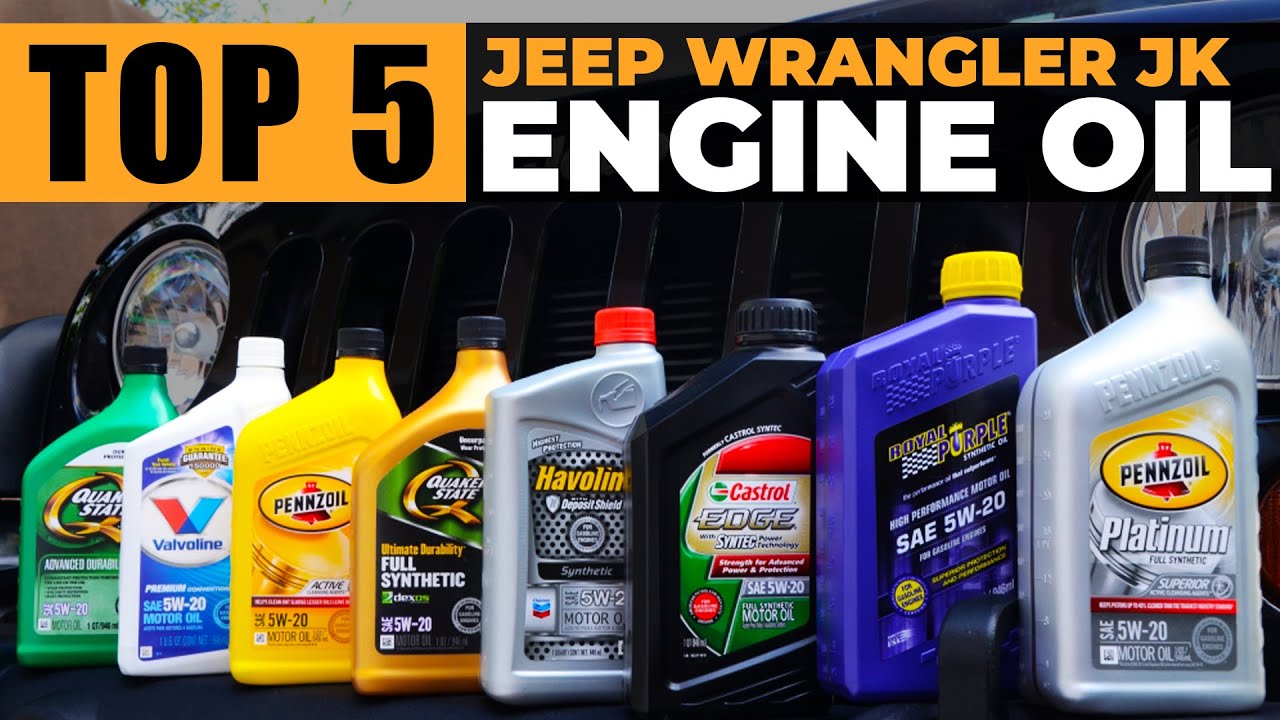
- Mopar: The official Jeep oil, designed for exact engine needs.
- Mobil 1: Popular for its advanced synthetic formula and long life.
- Pennzoil Platinum: Known for cleaning and protecting high-mileage engines.
- Valvoline Advanced: Trusted for both synthetic and high-mileage options.
- Castrol Edge: Great for high-performance and off-road conditions.
Choose any major brand that meets Jeep’s requirements. Avoid no-name oils, as they may not protect your engine well.
How Often Should You Change Oil?
For most modern Jeep Wranglers using synthetic oil, change intervals are 7,500–10,000 miles. Older models and those using conventional oil should change every 3,000–5,000 miles. However, if you drive off-road often or in harsh climates, change oil more frequently.
Non-obvious insight: Changing oil more often than needed does not always mean better protection. Over-changing can waste money and is not eco-friendly.
Practical Tips For Jeep Owners
- Always use the right oil filter. A poor filter can undo the benefits of good oil.
- Keep track of oil changes. Use a log or app to remember your last service.
- Watch for leaks. Old Wranglers may develop oil leaks; check under your vehicle regularly.
- Inspect oil color and level. Dark or gritty oil means it’s time to change, even if you haven’t reached the mileage limit.
Frequently Asked Questions
What Happens If I Use The Wrong Oil In My Jeep Wrangler?
Using the wrong oil can cause engine wear, poor fuel economy, and even engine damage. Always use the type and viscosity recommended by Jeep.
Can I Switch From Conventional To Synthetic Oil In My Wrangler?
Yes, most Wranglers can switch to synthetic oil at any time. Synthetic oil offers better protection, especially for engines that work hard.
How Do I Know If My Wrangler Needs High Mileage Oil?
If your Jeep has over 75,000 miles or leaks a little oil, high mileage oils can help. These oils have additives that protect older engine seals.
Is It Safe To Mix Different Oil Brands Or Types?
While mixing brands is not harmful in an emergency, avoid mixing synthetic and conventional oils for long-term use. Always top up with the same type and viscosity when possible.
Where Can I Find More Information About Jeep Oil Recommendations?
You can always check the owner’s manual or visit the official Jeep Maintenance page for the latest guidance.
Choosing the best oil for your Jeep Wrangler is not difficult if you follow the guidelines above. The right oil keeps your engine strong, efficient, and ready for adventure on or off the road.
Take care of your Wrangler, and it will take care of you for miles to come.