Owning a Jeep Wrangler is about adventure and freedom, but keeping your engine healthy is not optional. Choosing the right oil is one of the most important decisions for any Wrangler owner.
The wrong oil can cause poor performance, higher fuel use, or even engine damage.
Many drivers think oil is just oil, but for a Jeep Wrangler, using the correct type and grade can make a big difference. Let’s explore what oil a Jeep Wrangler takes, why it matters, and how to choose wisely.
What Oil Does A Jeep Wrangler Need?
Every Jeep Wrangler engine model has its own oil requirements. You need to check the year and engine type before buying oil. Most Wranglers use either 5W-20 or 5W-30 viscosity oil, but there are exceptions.
Here’s a quick guide:
| Model Year | Engine | Recommended Oil | Capacity (quarts) |
|---|---|---|---|
| 2022–2024 | 3.6L V6 | 0W-20 (synthetic) | 5 |
| 2012–2021 | 3.6L V6 | 5W-20 | 6 |
| 2007–2011 | 3.8L V6 | 5W-20 | 6 |
| 2018–2024 | 2.0L Turbo | 5W-30 (synthetic) | 5 |
| 2019–2024 | 3.0L EcoDiesel | 0W-40 (synthetic) | 9 |
Always confirm with your owner’s manual, as some models and years may require special oil grades.
Types Of Oil For Jeep Wrangler
Wrangler engines can use three main types of oil. Each has unique benefits and limitations.
1. Conventional Oil
Traditional and less expensive. Good for older Wranglers with simple engines.
It needs more frequent changes and does not handle extreme temperatures well.
2. Synthetic Oil
Made for high performance. Synthetic oil protects better, lasts longer, and works in extreme temperatures. Most newer Wranglers recommend full synthetic.
3. Synthetic Blend
Mix of conventional and synthetic. Offers better protection than conventional but costs less than full synthetic. Useful for drivers who want a balance.
| Oil Type | Protection | Change Interval | Cost |
|---|---|---|---|
| Conventional | Basic | 3,000–5,000 mi | Low |
| Synthetic Blend | Moderate | 5,000–7,500 mi | Medium |
| Full Synthetic | High | 7,500–10,000 mi | High |
Why Oil Viscosity Matters
Viscosity means how thick or thin the oil is. The numbers like 5W-20 or 0W-20 show how oil flows at cold and hot temperatures. “W” stands for winter. Lower first numbers (like 0W) mean oil flows easily in cold weather, which helps with starting and protects the engine.
For example:
- 0W-20: Great for very cold climates and new engines.
- 5W-20: Common for most Wranglers, balances cold starts and hot running.
- 5W-30: Used for turbo engines or higher loads.
Choosing the wrong viscosity can make your engine work harder or not get enough protection. Always match the oil grade to your Wrangler’s engine.
How To Choose The Best Oil Brand
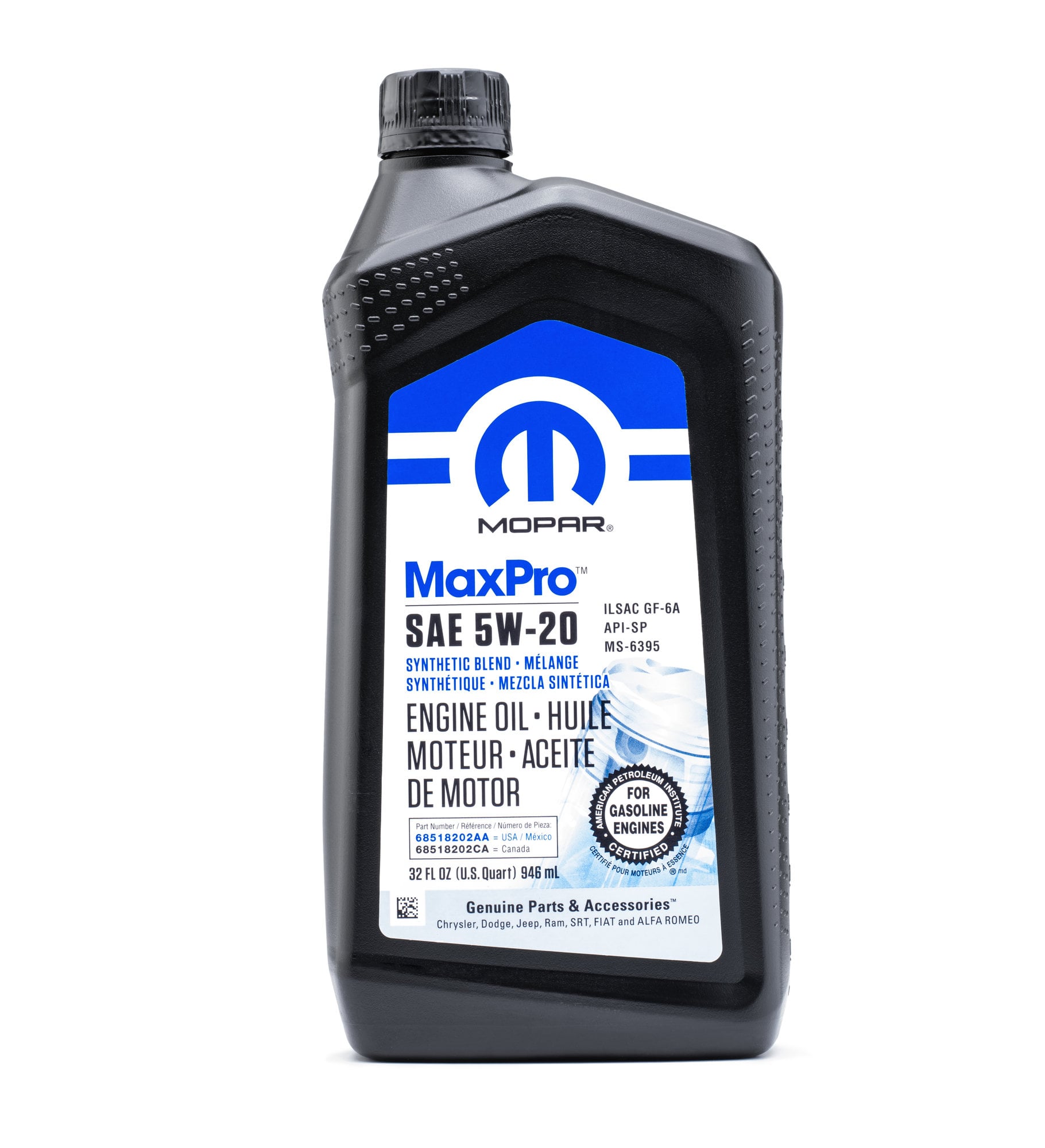
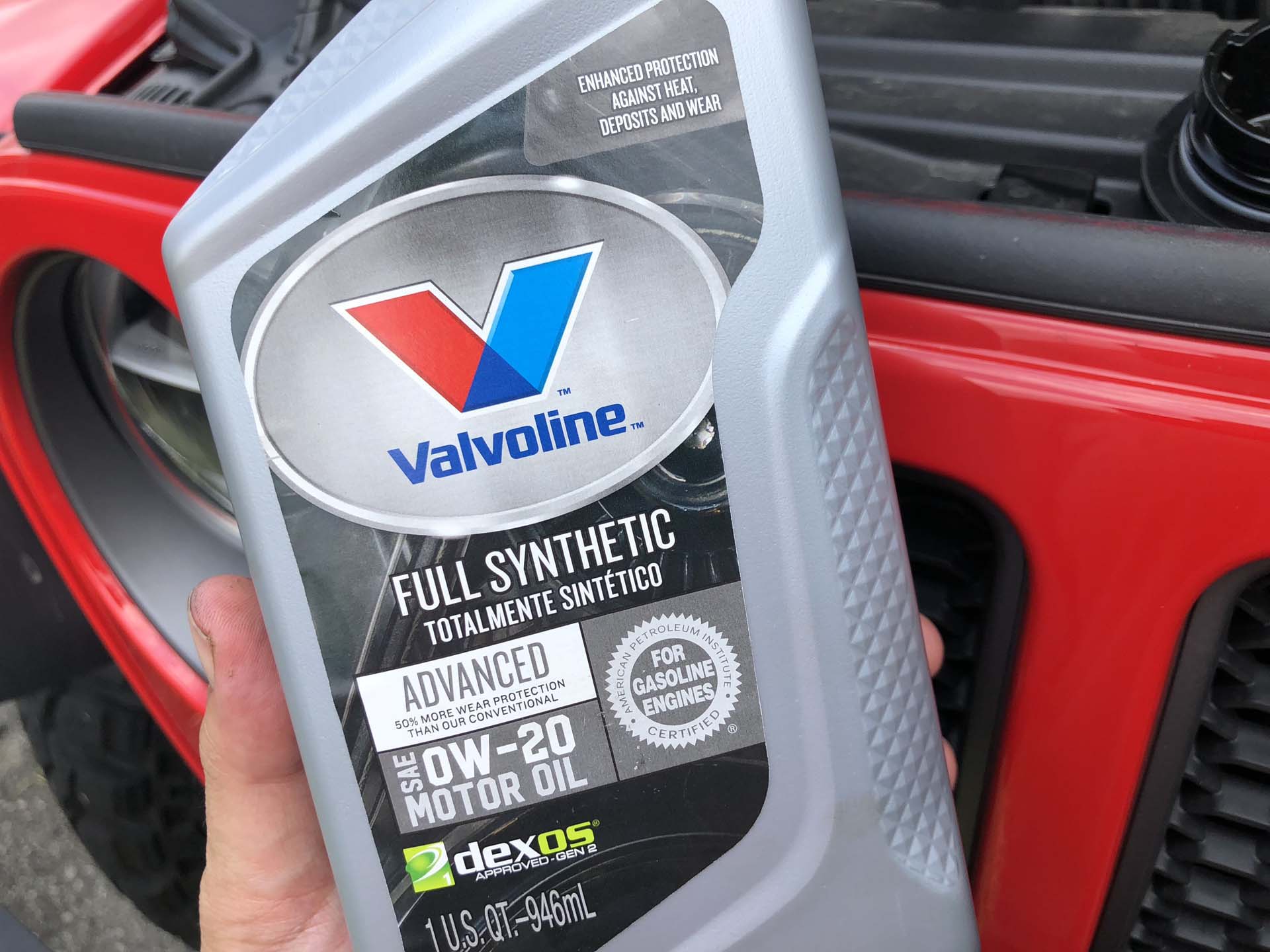
Many brands offer oil for Jeep Wrangler engines. Some popular choices are Mobil 1, Pennzoil, and Valvoline. Look for oils with the API (American Petroleum Institute) certification and the correct viscosity.
What really matters:
- API Certification: Shows oil meets quality standards.
- Exact Viscosity: Match your engine’s needs.
- Synthetic for New Models: Most new Wranglers require synthetic.
- Diesel Engines: Use oil made for diesel, like 0W-40.
Some beginners choose oil based only on price. This is a mistake.
Cheap oil can cause sludge and engine wear. Always select oil that fits your vehicle and climate.
Common Mistakes When Choosing Oil
Many drivers make simple mistakes that can harm their Wrangler engines. Watch out for these:
1. Ignoring The Owner’s Manual
The manual always gives the best oil recommendation.
2. Mixing Different Oils
Mixing conventional and synthetic can reduce performance.
3. Using Wrong Viscosity
Oil that is too thin or thick can cause engine problems.
4. Skipping Oil Changes
Even the best oil fails if not changed on time.
5. Buying Cheap Brands
Poor-quality oil can cause leaks and deposits.
Practical Tips For Wrangler Oil Changes
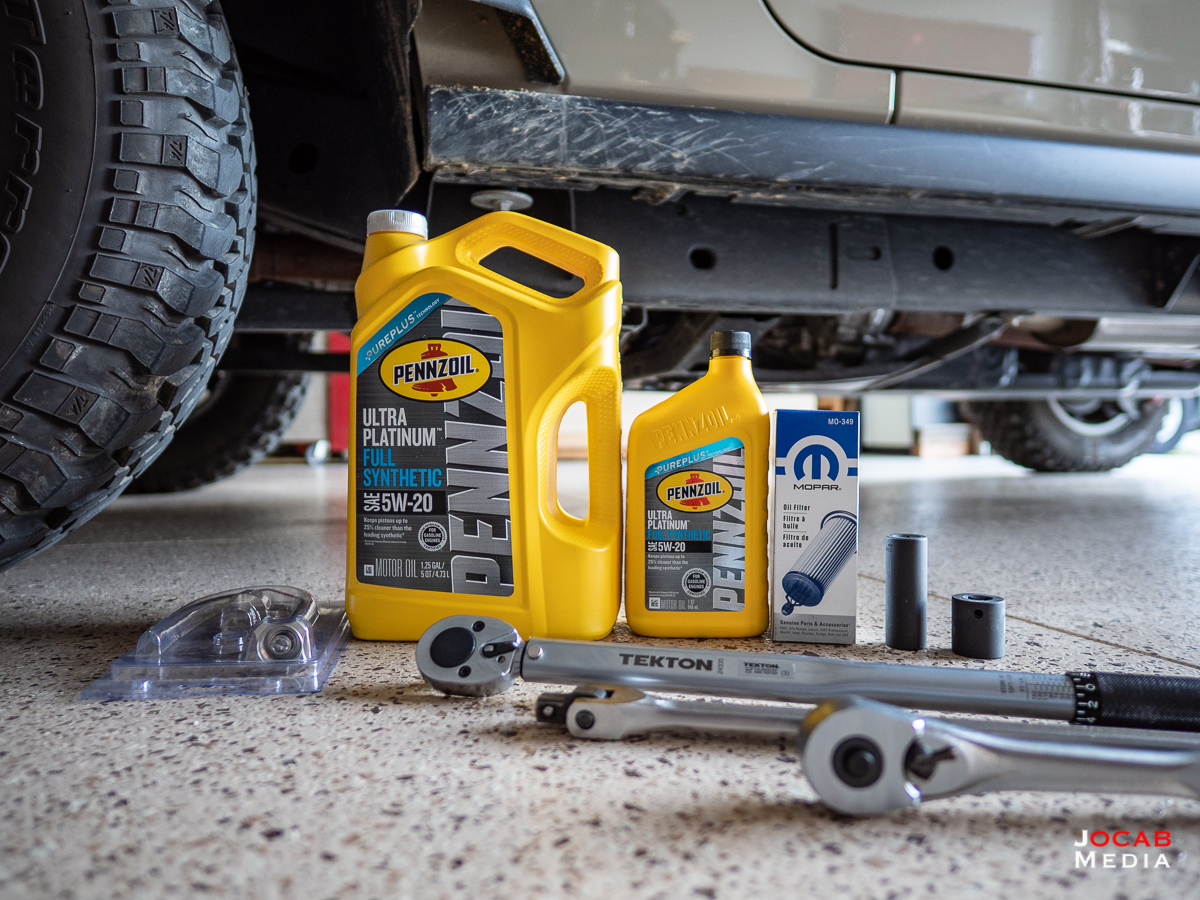
Changing oil is not just about draining and refilling. Follow these tips for best results:
- Warm up the engine before draining oil.
- Use a new oil filter every time.
- Check oil level after running the engine for a minute.
- Dispose used oil responsibly—never pour it down the drain.
- Record the date and mileage of each change.
If you drive off-road or in hot climates, change oil more often. Extreme conditions stress the engine and break down oil faster.
Jeep Wrangler Oil Change Costs
Oil change prices depend on the oil type and location. Here’s a rough guide:
| Oil Type | Average Cost (USD) | Service Interval |
|---|---|---|
| Conventional | $40–$60 | 3,000–5,000 mi |
| Synthetic Blend | $60–$80 | 5,000–7,500 mi |
| Full Synthetic | $80–$120 | 7,500–10,000 mi |
DIY oil changes can save money, but you must use the right oil and filter. Some shops charge extra for disposal and labor.
Final Thoughts
Taking care of your Jeep Wrangler means using the right oil for your engine, climate, and driving style. Choosing oil is not just about price or brand it’s about protecting your investment and keeping adventures going.
Always check your owner’s manual, pick the recommended viscosity, and avoid mixing oil types.
If you’re unsure, ask a trusted mechanic or visit your dealer. Remember, a healthy engine starts with the right oil.
Frequently Asked Questions
What Happens If I Use The Wrong Oil In My Jeep Wrangler?
Using the wrong oil can cause engine wear, poor performance, or even damage. The wrong viscosity can make the engine work harder, increase fuel use, and lead to leaks or sludge.
How Often Should I Change Oil In A Jeep Wrangler?
Most Wranglers with synthetic oil need changes every 7,500–10,000 miles. Conventional oil requires changes every 3,000–5,000 miles. Always check your manual and adjust for tough driving conditions.
Can I Switch From Conventional To Synthetic Oil?
Yes, you can switch. Just make sure to use the recommended viscosity and change the oil filter.
Some older engines may benefit from a synthetic blend for smoother transition.
Is Synthetic Oil Worth The Extra Cost?
For most Jeep Wranglers, synthetic oil gives better protection, longer intervals, and improved performance. The higher price pays off in engine health and fewer changes.
Where Can I Find More Information About Jeep Wrangler Oil?
You can visit the official Jeep website or check detailed guides on Autoblog for up-to-date oil recommendations and maintenance tips.