Choosing the right oil for your vehicle is essential to keep it running smoothly and avoid costly repairs. If you own a 2003 Jeep Liberty, you might wonder which oil is best for your engine, how much to use, and whether you should pick conventional, synthetic, or blends. This guide will give you clear answers, simple explanations, and practical advice. You’ll learn what oil works for your Jeep, how it affects performance, and why using the correct oil matters.
Recommended Oil For 2003 Jeep Liberty
The 2003 Jeep Liberty came with two engine options: a 3.7L V6 and a 2.4L Inline-4. Each engine has its own oil requirements.
- 3.7L V6 Engine
- Recommended oil: 5W-30
- Capacity: About 4.5 quarts (with filter)
- Oil type: Conventional or synthetic
- 2.4L Inline-4 Engine
- Recommended oil: 10W-30
- Capacity: About 4 quarts (with filter)
- Oil type: Conventional or synthetic
The numbers (5W-30, 10W-30) show the oil’s viscosity. Lower numbers mean thinner oil, which flows better in cold weather.
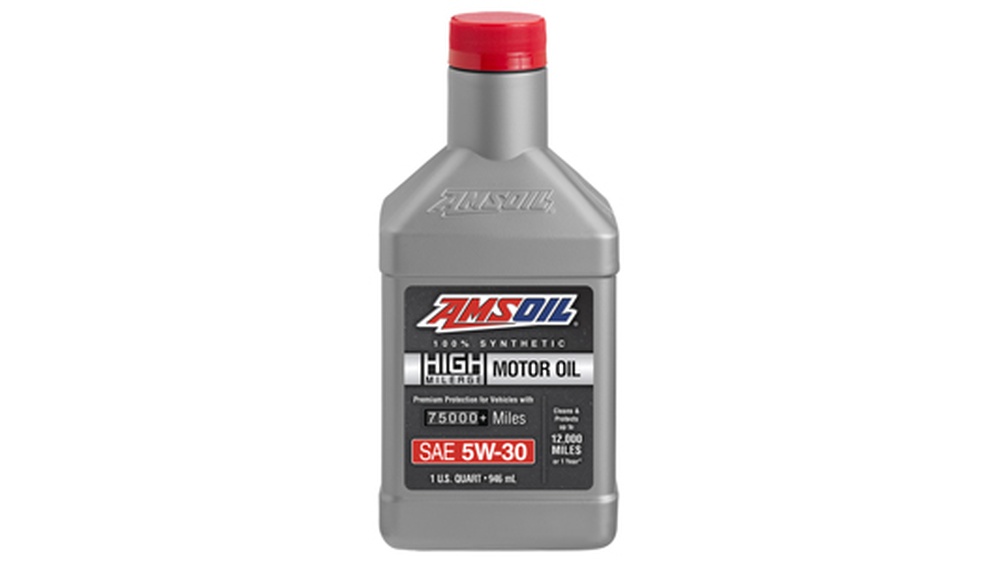
Thicker oil may be needed in hot climates, but for most US regions, stick to these recommendations.
Why Oil Viscosity Matters
Oil viscosity affects how well your engine is protected. 5W-30 is thinner at startup, so it flows easily in cold conditions. 10W-30 is a bit thicker, which can help in warmer climates. Using the wrong viscosity can lead to increased engine wear, reduced fuel economy, or even damage.
Conventional Vs Synthetic Oil
You can use either conventional or synthetic oil in a 2003 Jeep Liberty. Here’s a quick comparison:
| Oil Type | Benefits | Drawbacks |
|---|---|---|
| Conventional | Affordable, widely available | Shorter life, breaks down faster |
| Synthetic | Better protection, longer intervals | Higher price |
| Synthetic Blend | Mix of both, balance of cost and performance | Can still break down faster than full synthetic |
Synthetic oil is especially good for older engines or extreme temperatures. It resists breaking down and protects against sludge. Conventional oil works fine if you change it regularly, but synthetic is a smart upgrade for reliability.

Oil Change Interval
How often should you change the oil? For conventional oil, every 3,000-5,000 miles is best. For synthetic oil, you can go 7,500-10,000 miles. Always check your owner’s manual and adjust for tough driving conditions like stop-and-go traffic or dusty roads.
Oil Capacity Chart
Here’s a quick reference for the two engines:
| Engine | Oil Capacity (with filter) | Recommended Oil |
|---|---|---|
| 3.7L V6 | 4.5 quarts | 5W-30 |
| 2.4L Inline-4 | 4 quarts | 10W-30 |
How To Choose The Best Oil Brand
The market has many oil brands, and most meet the minimum requirements. Look for brands with the API certification mark and those recommended by Jeep.
Popular choices include:
- Mobil 1
- Valvoline
- Castrol
- Pennzoil
If you drive in severe conditions, go for synthetic from these trusted brands. Always check the bottle for the correct viscosity.
Common Mistakes When Choosing Oil
Many Jeep Liberty owners make mistakes that can reduce engine life or performance.
- Wrong Viscosity: Using oil that’s too thin or thick can cause engine wear.
- Overfilling or Underfilling: Too much or too little oil can damage your engine.
- Ignoring Oil Change Intervals: Delaying oil changes leads to sludge and poor performance.
- Using Cheap, Uncertified Oil: Always pick oil with industry certifications.
A tip beginners miss: Always check the oil level after filling. Wait a few minutes for the oil to settle, then use the dipstick. This avoids overfilling.
Signs You Need An Oil Change
Watch for these signs:
- Dark, dirty oil on the dipstick
- Engine noise or ticking
- Oil change light on dashboard
- Exhaust smoke
Changing oil on time keeps your engine healthy.
Practical Steps For An Oil Change
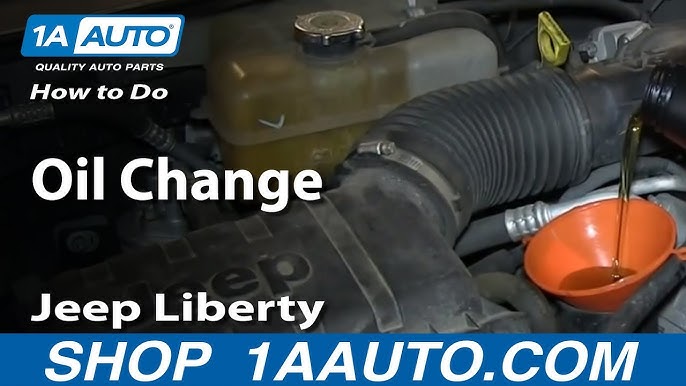
Here’s how to change the oil on a 2003 Jeep Liberty:
- Warm up the engine for a few minutes, then turn it off.
- Place a pan under the oil drain plug.
- Remove the plug and let the oil drain completely.
- Replace the plug and remove the oil filter.
- Install a new filter and add the correct amount of oil.
- Start the engine and check for leaks.
- Check the oil level with the dipstick.
Always dispose of old oil properly.
Cost Of Oil Change
A typical oil change for a 2003 Jeep Liberty costs:
- Conventional oil: $30-$50
- Synthetic oil: $60-$80
Doing it yourself can save money, but use quality parts and oil.
Comparing Oil Types For Jeep Liberty
Let’s look at performance differences:
| Oil Type | Engine Protection | Interval | Cost |
|---|---|---|---|
| Conventional | Basic | 3,000-5,000 miles | Lower |
| Synthetic | High | 7,500-10,000 miles | Higher |
| Blend | Medium | 5,000-7,500 miles | Moderate |
Frequently Asked Questions
What Happens If I Use The Wrong Oil Viscosity?
Using the wrong viscosity can cause engine wear or poor performance. The oil may not flow properly, leading to overheating or lack of protection.
Can I Switch From Conventional To Synthetic Oil?
Yes, you can. Make sure to use the correct viscosity and check for leaks after switching.
Synthetic oil offers better protection and longer change intervals.
How Do I Check The Oil Level?
Park on level ground, wait a few minutes after turning off the engine, and use the dipstick. Wipe, insert, remove, and check the level between the marks.
What If I Overfill The Oil?
Overfilling can cause foaming and reduce lubrication. It may lead to engine damage. Drain excess oil if this happens.
Where Can I Find Official Oil Recommendations?
Always check your owner’s manual for oil specs. For more details, visit the Jeep Official Owner’s Site.
Choosing the right oil for your 2003 Jeep Liberty means better performance, longer engine life, and fewer repairs. Follow these guidelines and your Jeep will stay reliable for years to come.


















