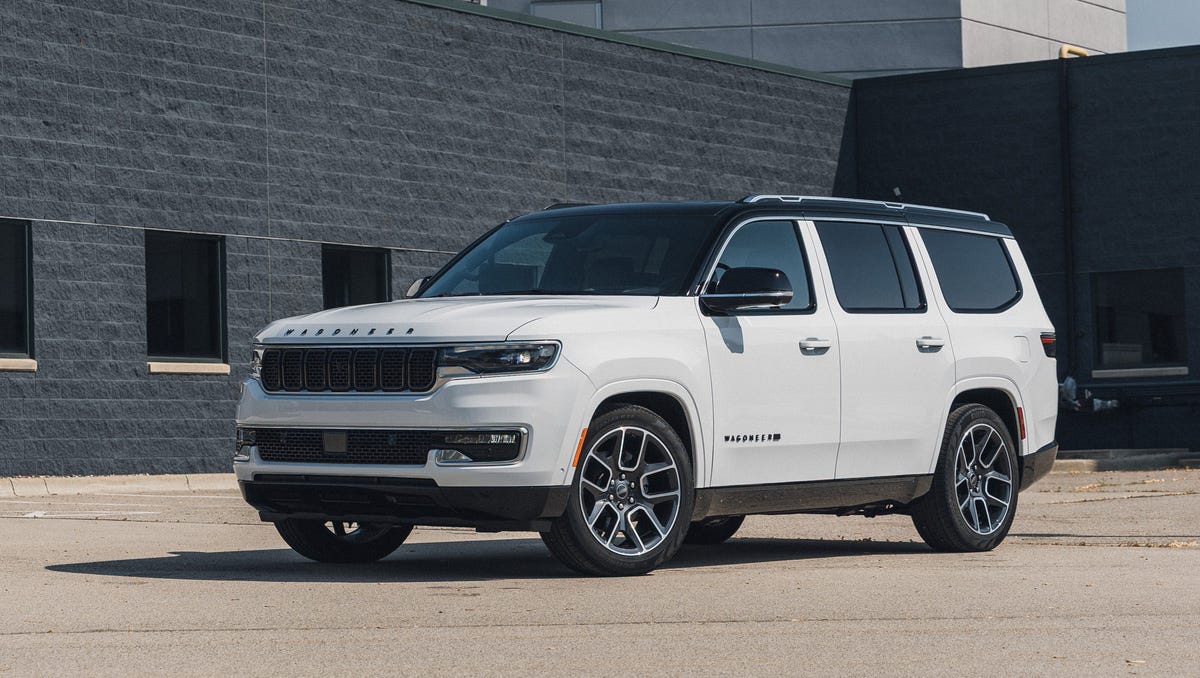
The Jeep Wagoneer is back, and it’s making waves in the world of large SUVs. But one question stands out for many buyers: What motor is in the Jeep Wagoneer?
Knowing the engine options is crucial, especially if you care about performance, towing, or fuel economy. This article breaks down each motor choice, highlights key differences, and explains what these engines mean for real-world driving.
Jeep Wagoneer Engine Options
The modern Jeep Wagoneer comes with two main engine choices. Each is designed to deliver power, reliability, and capability.
Understanding these engines will help you decide which Wagoneer fits your needs best.
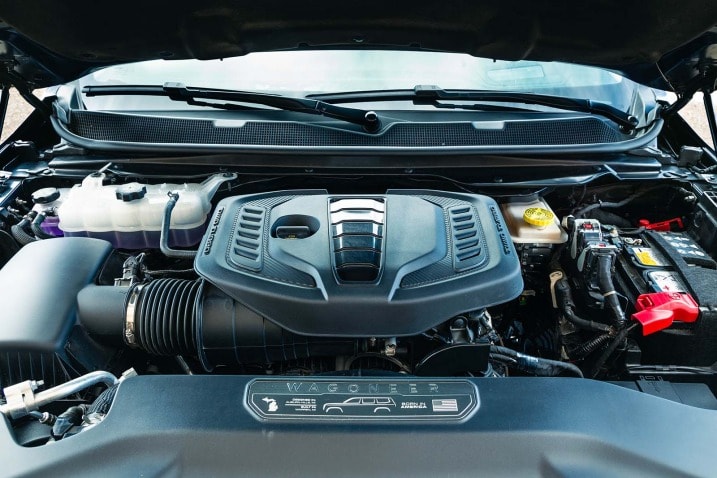
5.7l V8 With Etorque
The 5.7-liter V8 is the standard motor for the Wagoneer. This engine uses eTorque mild-hybrid technology to improve fuel efficiency and performance. The V8 produces:
- 392 horsepower
- 404 lb-ft of torque
This engine allows the Wagoneer to tow up to 10,000 pounds—a leading figure in its class. The eTorque system adds a small electric motor, helping with smooth acceleration and better start-stop operation. This setup is perfect for drivers who need both strength and comfort.
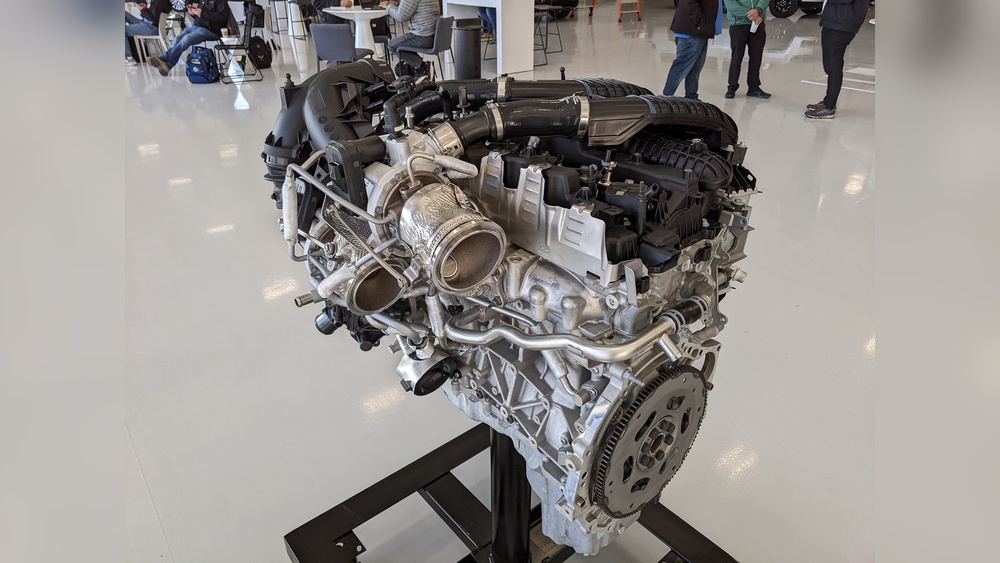
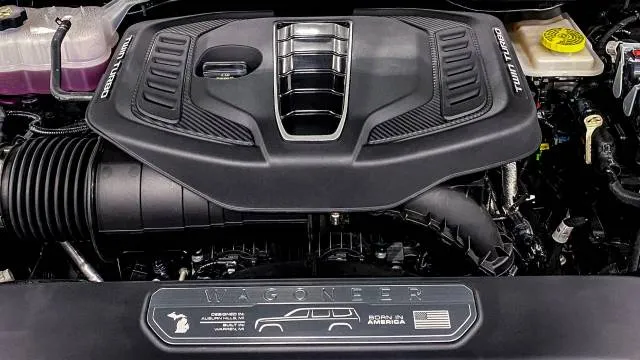
3.0l Hurricane Twin-turbo I6
For those wanting more power and modern technology, Jeep offers the 3.0-liter Hurricane Twin-Turbo inline six. This motor is available in higher trims and delivers impressive stats:
- 420 horsepower
- 468 lb-ft of torque
The Hurricane engine is more fuel-efficient compared to the V8, thanks to its turbocharged design. It also provides quicker acceleration and strong towing capability, matching the V8’s 10,000-pound limit.
This engine is ideal for drivers who want performance without sacrificing efficiency.
Engine Comparison: V8 Vs. Hurricane I6
To help you see the differences, here’s a comparison between both Wagoneer motors.
| Engine | Horsepower | Torque (lb-ft) | Towing Capacity (lbs) | Fuel Economy (MPG) |
|---|---|---|---|---|
| 5.7L V8 eTorque | 392 | 404 | 10,000 | 16 city / 22 highway |
| 3.0L Hurricane I6 | 420 | 468 | 10,000 | 17 city / 23 highway |
The Hurricane I6 stands out for its higher horsepower, torque, and slightly better fuel economy. Both engines offer strong towing, but the I6 gives you more speed and efficiency.
Performance And Driving Experience
Choosing the right motor depends on your needs. The V8 delivers classic power and a smooth driving feel, while the Hurricane I6 offers a modern, responsive experience. Both engines use an 8-speed automatic transmission, ensuring fast gear changes and easy highway driving.
If you tow heavy loads often, the V8 is proven and reliable. The I6, however, is lighter and uses advanced turbocharging, making the Wagoneer feel more agile.
Many drivers notice the I6 accelerates faster, especially when merging or overtaking.
Real-world Fuel Economy
Fuel economy matters for large SUVs. The Wagoneer’s motors are strong, but efficiency is also a priority.
- The V8 averages 16 MPG city and 22 MPG highway
- The Hurricane I6 averages 17 MPG city and 23 MPG highway
While the numbers seem close, the I6 offers a little more savings over time. For long drives or frequent use, this difference can add up. One non-obvious insight: The I6’s turbo setup means it maintains power even at high altitudes, where the V8 can feel less lively.
Technology Behind The Engines
Both motors use modern technology to boost performance and reliability. The V8’s eTorque system reduces engine load during heavy traffic, making stop-and-go driving smoother. The Hurricane I6 uses dual turbochargers, which lower turbo lag and deliver power quickly.
An important detail: The I6 is built for lower emissions, meeting stricter standards without losing power. This is a smart choice for buyers who care about environmental impact.
Engine Availability By Trim
Not every Wagoneer model uses the same motor. Here’s how engines are matched to trims:
| Trim | Standard Engine | Optional Engine |
|---|---|---|
| Wagoneer Series I | 5.7L V8 eTorque | None |
| Wagoneer Series II | 5.7L V8 eTorque | 3.0L Hurricane I6 |
| Wagoneer Series III | 5.7L V8 eTorque | 3.0L Hurricane I6 |
The Series I trim sticks to the V8, while Series II and III let you upgrade to the Hurricane I6. This makes the higher trims more attractive for performance-focused buyers.
Common Mistakes When Choosing A Wagoneer Motor
- Ignoring towing needs – Some buyers select the Hurricane I6 for its power, but the V8 is often better for heavy, regular towing.
- Overlooking fuel costs – If you drive long distances, the I6’s better efficiency can save money.
- Missing altitude effects – Turbo motors like the I6 maintain power at high elevations, unlike naturally aspirated engines.
- Assuming all trims have the same options – Not every Wagoneer trim offers both motors. Check availability before buying.
Should You Choose The V8 Or Hurricane I6?
For most drivers, the decision comes down to towing habits, performance needs, and efficiency preferences. The V8 is trusted and classic, while the Hurricane I6 is newer and more advanced.
If you want more horsepower and better MPG, the I6 is the winner.
If you prefer proven technology and strong low-end torque, stick with the V8.