Many vehicles have become legends, but few can match the impact of the Willys Jeep. Born in the fires of World War II, this compact, rugged vehicle changed the way people saw four-wheel drives and off-road capability. Even today, the Willys Jeep stands out as a symbol of toughness and simplicity. But what really makes a Willys Jeep different from other vehicles, both old and new? Let’s take a closer look at what sets it apart.
Unique Design Philosophy
The Willys Jeep was never about style or luxury. Its main goal was function over form. The body was simple—almost boxy—with flat fenders and a vertical grille. This design made it easy to build, repair, and modify. Most early Willys Jeeps had removable doors and a fold-down windshield, which was unusual at the time.
Another major difference was the open body. There was little protection from the weather, but this helped keep the weight low and the vehicle agile. The simple dashboard and minimal controls made it easy for new drivers to learn quickly.
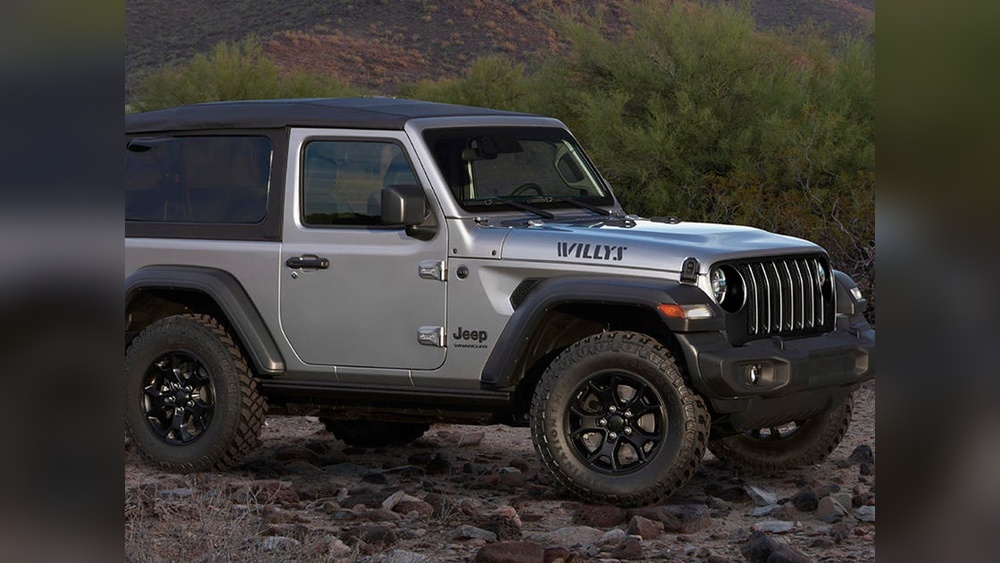
Engine And Mechanical Simplicity
The heart of the Willys Jeep was the Go Devil engine. This 2.2-liter, four-cylinder engine produced just 60 horsepower, but it was famous for reliability. The engine was paired with a three-speed manual transmission and a two-speed transfer case for four-wheel drive.
Key features that set the Willys Jeep apart:
- Flathead engine design for easy repairs
- Solid axles front and rear for strength
- Leaf spring suspension for durability
Most vehicles of the era had more complicated or less robust mechanical systems. The Jeep’s simple parts were cheap and easy to replace, especially important in wartime.
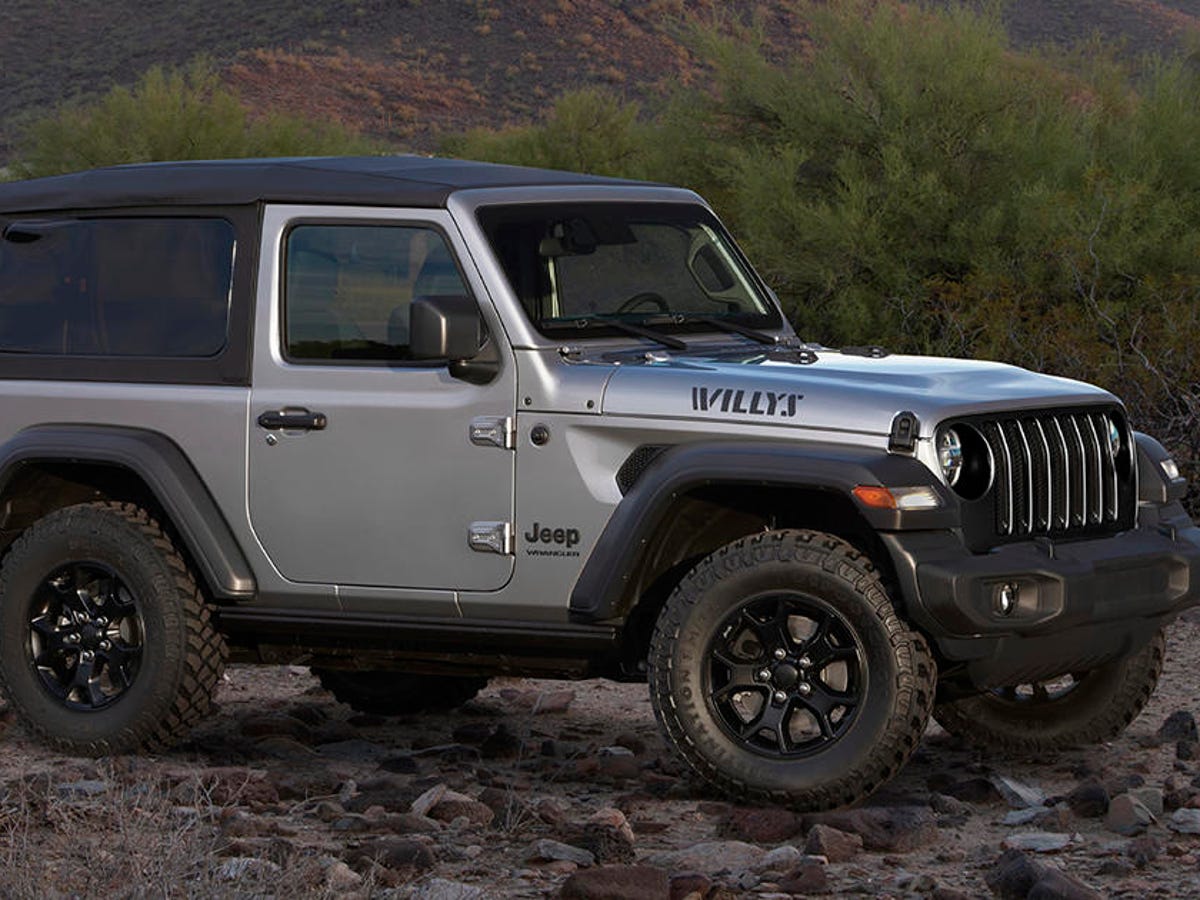
Legendary Off-road Ability
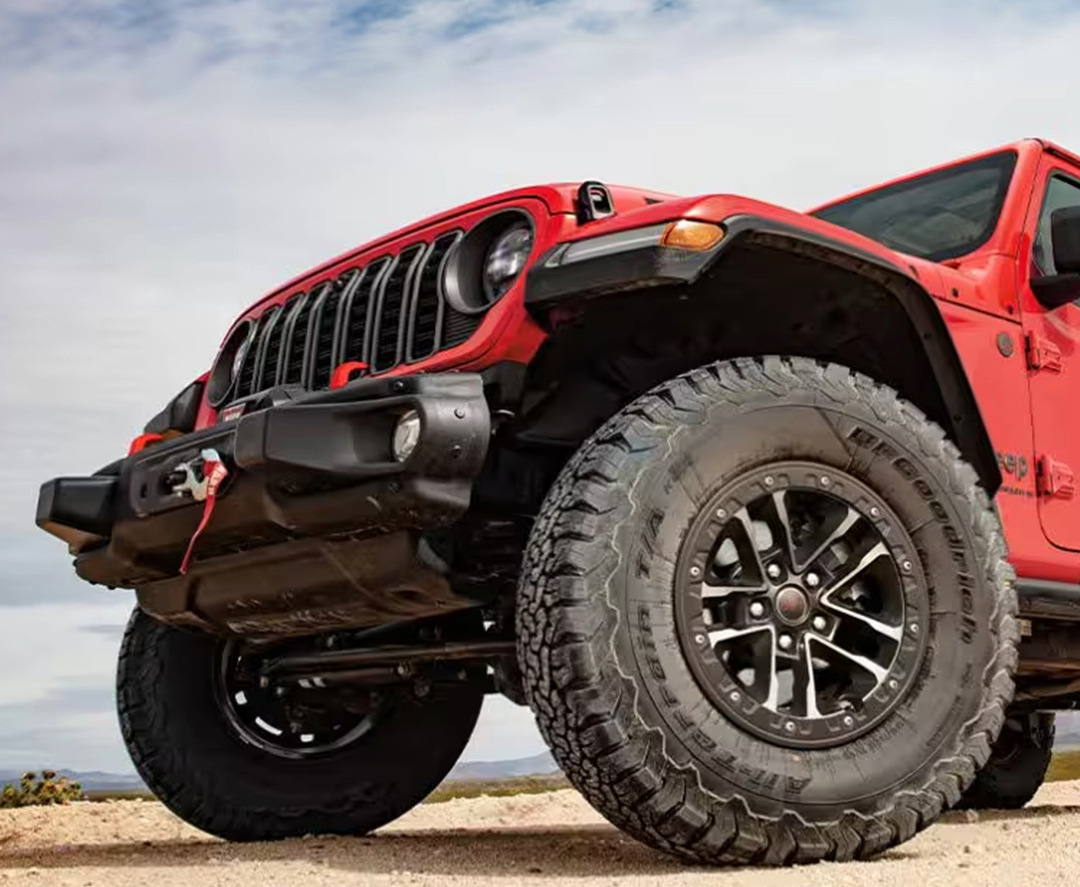
The Willys Jeep’s four-wheel drive system was revolutionary for its time. Soldiers could drive over mud, snow, rocks, and steep hills that stopped other vehicles. This all-terrain ability was possible thanks to:
- High ground clearance (over 8 inches)
- Short wheelbase for tight turns
- Low overall weight (about 2,450 lbs)
To show the difference, here’s a quick comparison with a typical 1940s car:
| Feature | Willys Jeep | Standard 1940s Sedan |
|---|---|---|
| Drive System | 4WD | 2WD |
| Ground Clearance | 8.3 in | 6.0 in |
| Turning Radius | 18 ft | 22 ft |
| Weight | 2,450 lbs | 3,200 lbs |
The Willys Jeep could go where normal cars just could not follow, and this off-road DNA is still seen in modern Jeeps.
Military And Civilian Versatility
The original Willys Jeep was designed for the U.S. military, but its adaptability was unmatched. It could carry troops, tow artillery, serve as an ambulance, or even mount a machine gun. After the war, Willys made the CJ (Civilian Jeep), which used much of the same design.
Here’s how the Willys Jeep compared to other military vehicles of the time:
| Vehicle | Payload Capacity | Top Speed | Primary Use |
|---|---|---|---|
| Willys Jeep | 800 lbs | 65 mph | General Purpose |
| Dodge WC-51 | 2,300 lbs | 54 mph | Troop/Equipment Transport |
| Harley-Davidson WLA | None | 65 mph | Scout Motorcycle |
The Willys Jeep was the “Swiss Army knife” of vehicles small, quick, and able to adapt to nearly any role.
Cultural Icon Status
After the war, the Willys Jeep became a symbol of freedom and adventure. Farmers, explorers, and even city drivers loved its ruggedness. The Jeep’s look inspired toys, movies, and even songs. No other car brand has such a strong link to the idea of the untamed outdoors.
A non-obvious insight: Many people don’t realize that the Willys Jeep also helped start the SUV trend. The first civilian Jeeps were used as farm vehicles, but soon people wanted them for personal use too. This led to the creation of vehicles like the Jeep Wagoneer—one of the first family SUVs.
Ease Of Modification
Another thing that makes Willys Jeeps unique is how easy they are to modify and customize. Owners have turned them into race cars, snow plows, and even rock crawlers. The strong frame and basic mechanics make upgrades simple. This is one reason so many old Willys Jeeps are still running today.
A detail beginners often miss: Parts from early Willys Jeeps are often interchangeable with later models and even with some modern Jeeps. This keeps restoration costs low and supports a big community of enthusiasts.
Comparison With Modern Jeeps
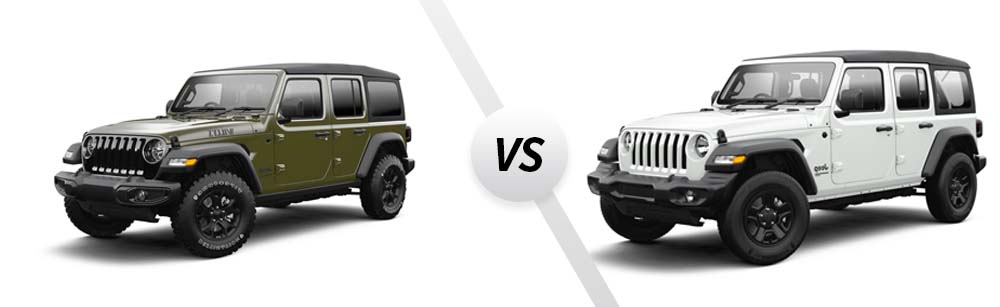
Modern Jeeps, like the Wrangler, share much with the original Willys, but there are also big differences. Today’s Jeeps have:
- More power (up to 285 hp in some models)
- Advanced safety features
- Electronic systems for off-road driving
But they are also heavier and more complex. The Willys Jeep stands out for its pure mechanical simplicity.
| Feature | Willys Jeep (1940s) | Jeep Wrangler (2024) |
|---|---|---|
| Engine Power | 60 hp | 285 hp |
| Weight | 2,450 lbs | 4,167 lbs |
| Electronics | None | Advanced |
| Off-Road Ability | Excellent | Excellent (with more comfort) |
Why The Willys Jeep Still Matters
The Willys Jeep is more than just an old military vehicle. It’s the foundation for the whole Jeep brand and the off-road industry. Its simple design, toughness, and versatility have influenced countless vehicles around the world. For anyone who loves adventure or classic cars, the Willys Jeep remains a lasting legend.
If you want to dive deeper into its history and impact, the Wikipedia page for the Willys MB is an excellent resource.
Frequently Asked Questions
What Is The Difference Between A Willys Jeep And A Regular Jeep?
A Willys Jeep is the original military and early civilian Jeep built during the 1940s and 1950s. Modern Jeeps are more comfortable, heavier, and have advanced technology, but they keep the off-road spirit.
Why Was The Willys Jeep So Important In World War Ii?
The Willys Jeep was small, reliable, and all-terrain, which made it perfect for carrying soldiers and supplies. It helped the Allies move quickly across tough terrain and played a key role in many missions.
Can You Still Buy A Willys Jeep Today?
You can’t buy a new Willys Jeep, but many restored originals and replicas are sold by collectors and specialty shops. Some modern Jeeps also use the Willys name for special editions.
Are Willys Jeeps Hard To Maintain?
Willys Jeeps are actually easy to maintain because of their simple design and widely available parts. Many owners handle repairs themselves with basic tools.
What Is The Value Of A Willys Jeep Today?
Prices depend on condition and rarity. A restored Willys Jeep can cost from $15,000 to over $40,000. Original military models and rare versions are usually worth more.


















