What Is Up With Ducks And Jeeps
If you’ve seen a tiny rubber duck on a Jeep’s dashboard or heard Jeep owners talking about “getting ducked,” you might wonder what’s going on. The connection between ducks and Jeeps has grown into a surprising trend, sparking curiosity from people worldwide. This article explores the story behind this unusual pairing, how the tradition started, why it matters to the Jeep community, and what it says about car culture today.
The Start Of Ducking: Where Did It Come From?
Ducking started in 2020, during the early days of the COVID-19 pandemic. A Jeep owner in Ontario, Canada named Allison Parliament wanted to spread a little kindness. After facing a difficult experience, she placed a small yellow rubber duck on a stranger’s Jeep with a note saying, “Nice Jeep.
” This simple gesture was meant to bring a smile, but it quickly caught on.

The idea was easy to copy—anyone could buy a pack of rubber ducks and share them. Jeep owners began leaving ducks on each other’s vehicles, sometimes with notes or hashtags like “#duckduckJeep. ” The trend spread fast, especially on social media.
Photos of ducks on Jeeps popped up everywhere, from Canada to the United States and beyond.
What started as a small act of kindness became a global movement. The duck is now a symbol of friendliness and unity among Jeep drivers. This tradition is unique because it is not organized by Jeep itself or any official group—it’s 100% community-driven.
Why Ducks? Why Not Something Else?
At first, ducks might seem like a random choice. But there are reasons why rubber ducks work so well for this tradition:
- Affordable and easy to find – Rubber ducks are sold in many stores and online. They’re not expensive, so almost anyone can join the fun.
- Small and harmless – Ducks are lightweight and won’t damage cars. They can be placed on mirrors, door handles, or dashboards without worry.
- Colorful and playful – Their bright colors make them stand out. A duck on a Jeep is eye-catching and playful, which fits the spirit of the Jeep community.
- Universal symbol – Ducks are recognized around the world. There’s no language barrier or confusing meaning.
Some Jeep owners personalize their ducks with stickers, hats, or even sunglasses. Sometimes ducks are themed for holidays, sports teams, or local events.

How Ducking Works: The Rules (or Lack Of Rules)
One reason ducking has become so popular is its simplicity. There are no strict rules, but most people follow a few basic guidelines:
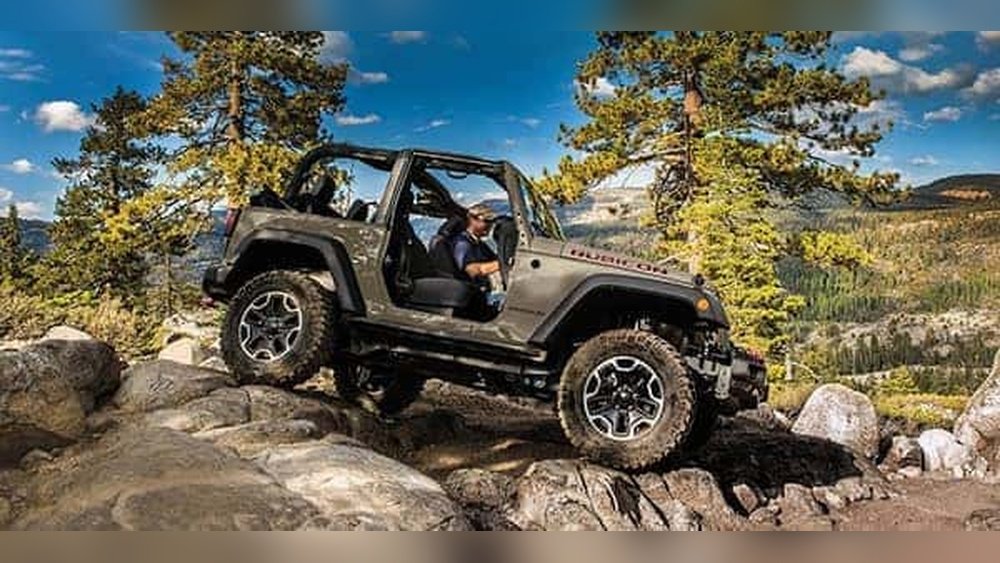
- Choose a Jeep – Usually, people “duck” other Jeep Wranglers, but sometimes other Jeep models are included.
- Leave a duck – Place a rubber duck in a visible spot, like the door handle, hood, or windshield wiper.
- Optional note – Some add a small note with a positive message or their social media handle.
- Share online – Many people post photos with hashtags like #duckduckJeep.
Anyone can take part, no matter their age or background. Some duckers are longtime Jeep fans, while others are new drivers.
What Ducking Means To Jeep Owners
Ducking is more than a quirky game. For many Jeep owners, it represents community and pride. Jeep culture has always been about adventure and helping others. Ducking fits perfectly with these values.
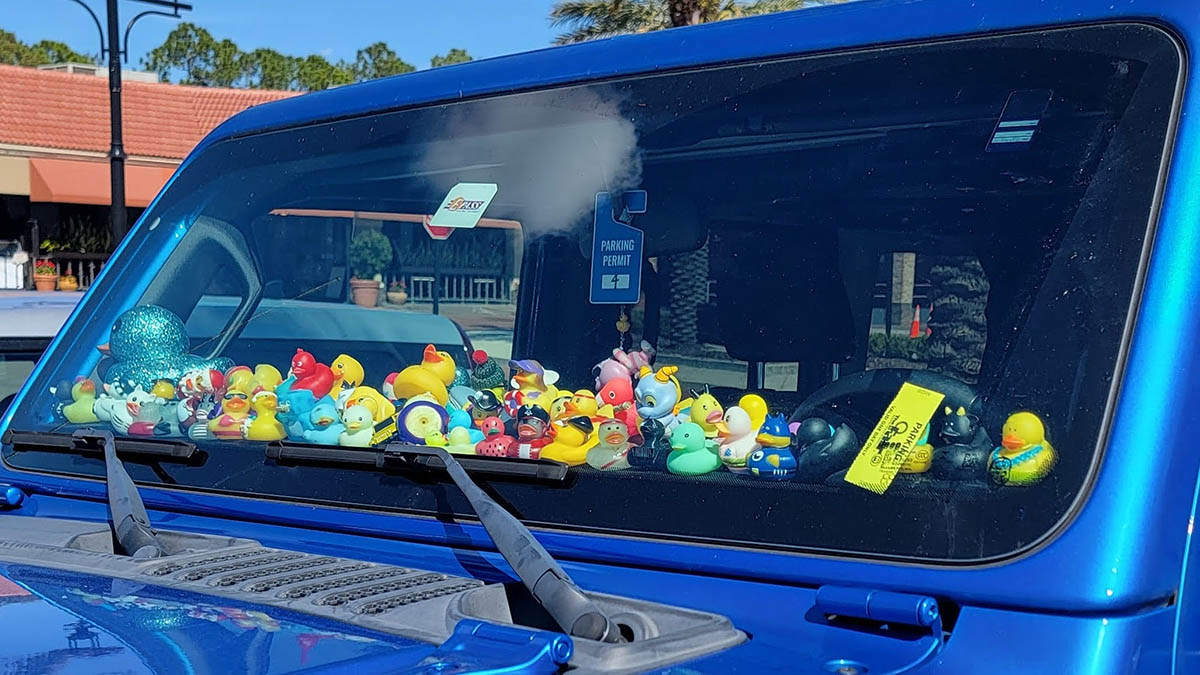
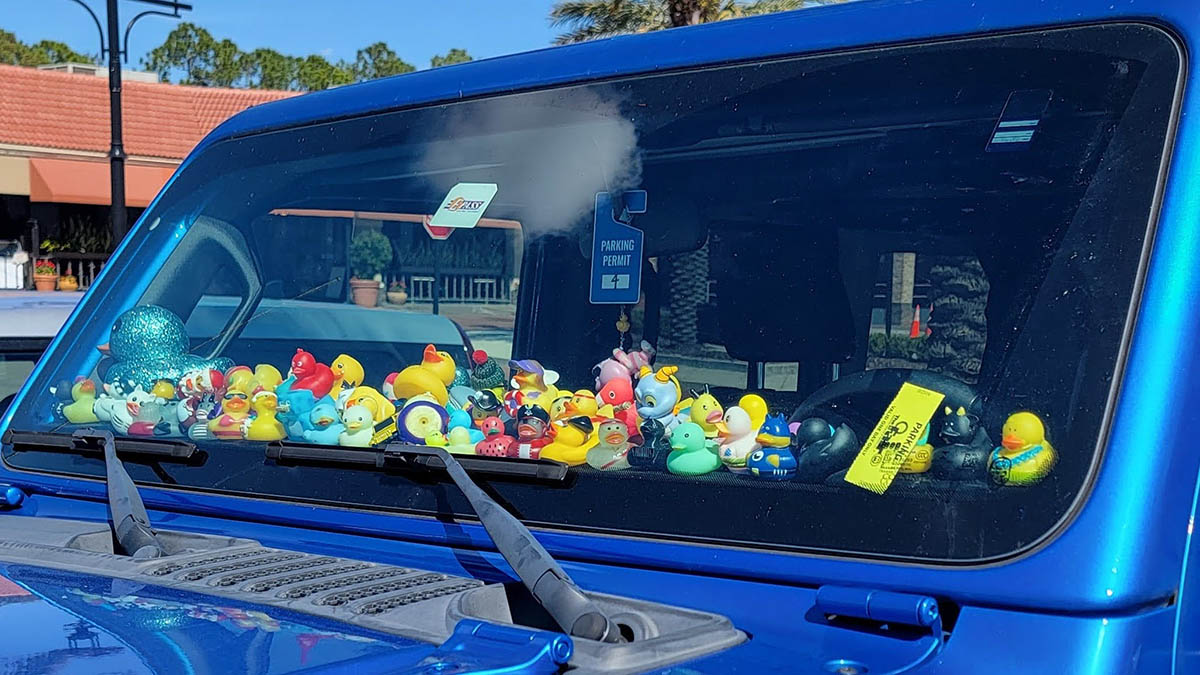
Many Jeep drivers say that finding a duck on their vehicle makes their day. It’s a reminder that someone noticed and appreciated their Jeep. Some even collect the ducks, displaying them on their dashboard or at home.
Families get involved too. Kids love picking out ducks and leaving them for others. For some, it’s a way to teach kindness and sharing.
Ducking has also created connections. People who might not have talked before now share stories or wave when they see each other’s Jeeps.
The rise of social media has helped ducking grow far beyond Canada. Instagram, Facebook, TikTok, and Twitter are filled with photos and videos of ducks on Jeeps. Hashtags like #duckduckJeep have millions of posts.
Online groups bring together Jeep owners from all over the world. Some groups trade rare duck designs or organize big “duck drops” at Jeep events. It’s common to see posts where someone says, “I found this duck on my Jeep in Texas! Who left it?
”
Ducking has even reached Jeep dealerships. Some now give out ducks to new buyers or use them in their marketing.
Here’s a look at how ducking has spread online:
| Platform | #duckduckJeep Posts (2024) | Most Active Countries |
|---|---|---|
| 1.2 Million+ | USA, Canada, UK | |
| 900,000+ | USA, Australia, Germany | |
| TikTok | 750,000+ | USA, Canada, India |
The Deeper Meaning: Kindness, Connection, And Identity
At first, ducking might look like a simple prank or trend. But it means more to those involved. Here’s why it matters:
- Boosts positivity – During tough times, even small acts of kindness can lift someone’s mood. Ducking brings unexpected joy.
- Builds community – It makes strangers feel connected. Ducking says, “You’re part of the Jeep family.”
- Shows pride – Jeep owners are proud of their vehicles. Ducks are a fun way to celebrate that.
- Encourages creativity – People get creative with how they decorate and share their ducks.
The ducking trend is also a reminder that car culture is about more than cars—it’s about people and the stories they share.
Common Misunderstandings About Ducking
When people first hear about ducking, they sometimes get the wrong idea. Here are some common myths, and the reality behind them:
- It’s only for Jeep Wranglers – While Wranglers are the most common target, ducking can be done with any Jeep model.
- It’s just for kids – Adults, teens, and families all take part. Many business professionals and older Jeep owners enjoy it too.
- It’s a marketing stunt by Jeep – Ducking began with fans, not the Jeep company. It’s a grassroots movement.
- It’s only in North America – Ducking has spread to Europe, Asia, and Australia. Jeep drivers worldwide join in.
- It’s a form of vandalism – Rubber ducks don’t cause harm. Most people are happy to find one on their vehicle.
How Ducking Compares To Other Car Traditions
Ducking is not the first time car fans have started their own trends. But it stands out for its positive spirit. Here’s how ducking compares to other well-known car customs:
| Tradition | Vehicle Type | Main Activity | Purpose |
|---|---|---|---|
| Ducking | Jeeps | Leaving rubber ducks | Kindness, connection |
| “Jeep Wave” | Jeeps | Waving at other Jeeps | Recognition, community |
| VW “Peace Sign” | Volkswagen Beetles | Flashing peace sign | Friendship, nostalgia |
| Truck “Salute” | Pickup trucks | Hand wave | Respect, camaraderie |
Ducking is unique because it leaves a physical token. It’s more memorable than a wave or a honk.
How To Start Ducking: A Quick Guide
If you want to join the trend, here’s how to get started:
- Buy rubber ducks – You can find them online or at party stores. Mix colors, sizes, or themes for variety.
- Write a note (optional) – You can add a friendly message, your city, or a hashtag.
- Look for Jeeps – Parked Jeeps are best. Place the duck somewhere safe and visible.
- Take a photo – If you like, share your ducking story online.
- Keep it positive – The goal is to spread kindness, not to annoy anyone.
Some Jeep owners carry a bag of ducks in their glove box, ready for any chance to duck someone.
Unexpected Insights: What Most People Miss
While ducking looks simple, there are some interesting details that even many Jeep fans overlook:
- Ducks become conversation starters – Many duck recipients end up meeting new friends or joining Jeep clubs after being ducked.
- Not all ducks are the same – Some rare or custom ducks are traded online. Limited-edition ducks can become collector’s items, with some selling for $20 or more.
- Ducking helps shy people connect – People who find it hard to start conversations use ducking as an easy icebreaker.
- Charity and fundraising – Some Jeep groups use ducking to raise money for causes. They sell special ducks and donate the proceeds.
These details show how a small act can have a bigger impact.
Is Ducking Here To Stay?
Trends come and go, but ducking seems to have real staying power. Even after the pandemic, ducking is growing. Jeep events now feature ducking competitions and giveaways. Some car rental companies even include a duck in their rental Jeeps.
Ducking’s success shows the power of simple, positive traditions. As long as Jeep owners enjoy making each other smile, the ducks are likely to stay.
The Jeep Brand’s Response
Jeep, as a company, did not start the ducking trend. But they have welcomed it. Jeep’s social media and marketing teams sometimes share ducking stories. Some dealerships give ducks to new Jeep buyers, making it part of the customer experience.
Still, the spirit of ducking remains in the hands of the fans. It’s a reminder that car culture is shaped by the people, not just the brands.
For more on the official story behind ducking, you can check out this Wikipedia article.
Frequently Asked Questions
What Is “ducking” A Jeep?
Ducking a Jeep means leaving a small rubber duck on another Jeep, usually as a random act of kindness. It started in Canada in 2020 and is now a global tradition among Jeep owners.
Do People Ever Get Upset About Being Ducked?
Most Jeep owners see ducking as a positive surprise. However, if you’re not sure, avoid placing ducks on classic cars or inside vehicles, and always be respectful.
Can I Duck Other Types Of Cars?
Ducking is mainly for Jeeps, but some have started leaving ducks on other 4x4s or off-road vehicles. However, the tradition is strongest in the Jeep community.
Is Ducking Supported By The Jeep Company?
Jeep did not start ducking, but they support it. Some dealerships and Jeep events now include ducks in their promotions.
Where Can I Buy Rubber Ducks For Ducking?
You can find rubber ducks in toy stores, party supply shops, or online retailers like Amazon. There are many styles, including holiday and themed ducks.
The story of ducks and Jeeps is a modern example of how a small gesture can grow into a tradition that connects people across borders. It’s about more than just cars—it’s about sharing joy and building community, one duck at a time.