Is your Jeep’s check engine light suddenly glowing and you’re not sure what it means? You’re not alone.
That little warning light can cause a lot of stress, but it’s actually your Jeep’s way of telling you something needs attention. The good news?
You don’t always need to rush to a mechanic to find out what’s wrong. By checking your Jeep codes yourself, you can quickly understand the problem and decide your next step.
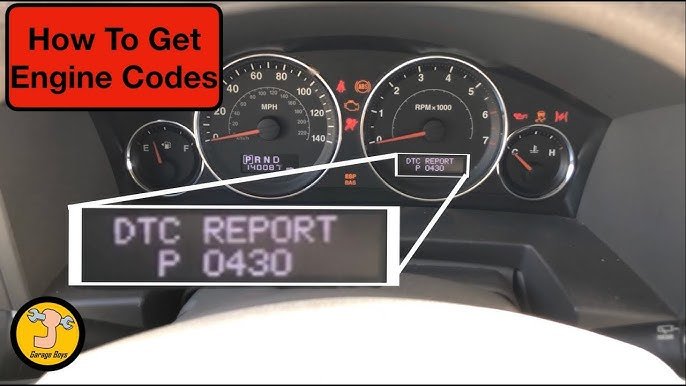
You’ll learn simple, step-by-step methods to read those check engine codes sometimes without even needing a scanner. Ready to take control of your Jeep’s health and save time and money?
Keep reading to unlock the secrets behind your check engine light.
Reading Jeep Codes Without A Scanner
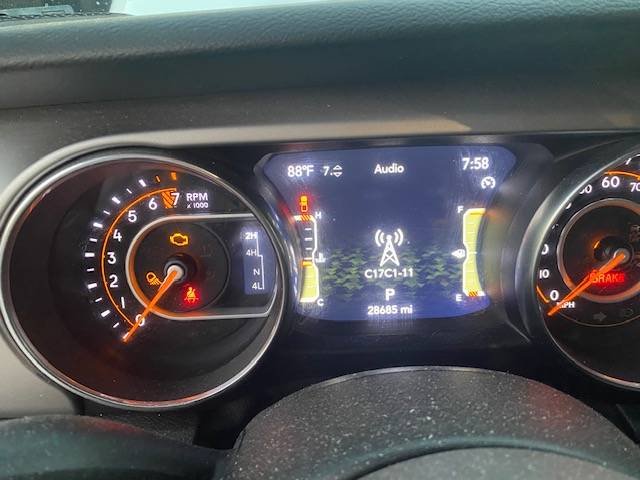
Reading Jeep codes without a scanner is possible on many Jeep models. The vehicle’s onboard computer stores trouble codes when the check engine light comes on.
You can access these codes without expensive tools. This guide shows simple ways to read codes using just the ignition key and your dashboard display.
Using The Ignition Key Method
First, insert the key into the ignition. Turn the key from the OFF position to the ON position three times.
Make sure you end in the ON position without starting the engine. This sequence triggers the Jeep’s computer to display stored trouble codes.
Watch the odometer or dashboard screen closely. The codes will appear as a series of numbers.
Each number flashes with a pause between digits. Write down the numbers to identify the problem later.
This method works on many Jeep models without needing a scanner.
Dashboard Code Display Tips
Check your odometer or dashboard for blinking numbers. These numbers represent the Diagnostic Trouble Codes (DTCs).
Each code consists of two or more digits. Count the flashes carefully and note the pauses between codes. Pauses separate one code from the next.
If the code ends, the display may show “done” or return to the odometer reading. You can repeat the ignition key method to see the codes again.
Use a flashlight if the dashboard is hard to read. Clear, slow observation helps avoid mistakes.

Common Jeep Diagnostic Trouble Codes
Jeep vehicles use Diagnostic Trouble Codes (DTCs) to signal issues. These codes help identify problems in the engine and other systems.
Understanding common Jeep codes can save time and money on repairs. Each code points to a specific problem that needs attention.
Engine Misfire Codes
Engine misfires happen when fuel or air does not ignite properly. Common codes include P0300 to P0308.
P0300 means random misfires across cylinders. Codes like P0301 or P0302 indicate misfires in specific cylinders.
Misfires cause rough running and poor fuel economy.
Sensor Error Codes
Sensor errors show problems with vital engine parts. Codes such as P0130 relate to oxygen sensors.
P0113 signals an issue with the intake air temperature sensor. Faulty sensors can affect engine performance and fuel efficiency.
Replacing or cleaning sensors often fixes these errors.
Emissions System Codes
Emissions codes indicate problems with pollution control parts. For example, P0420 means the catalytic converter is underperforming.
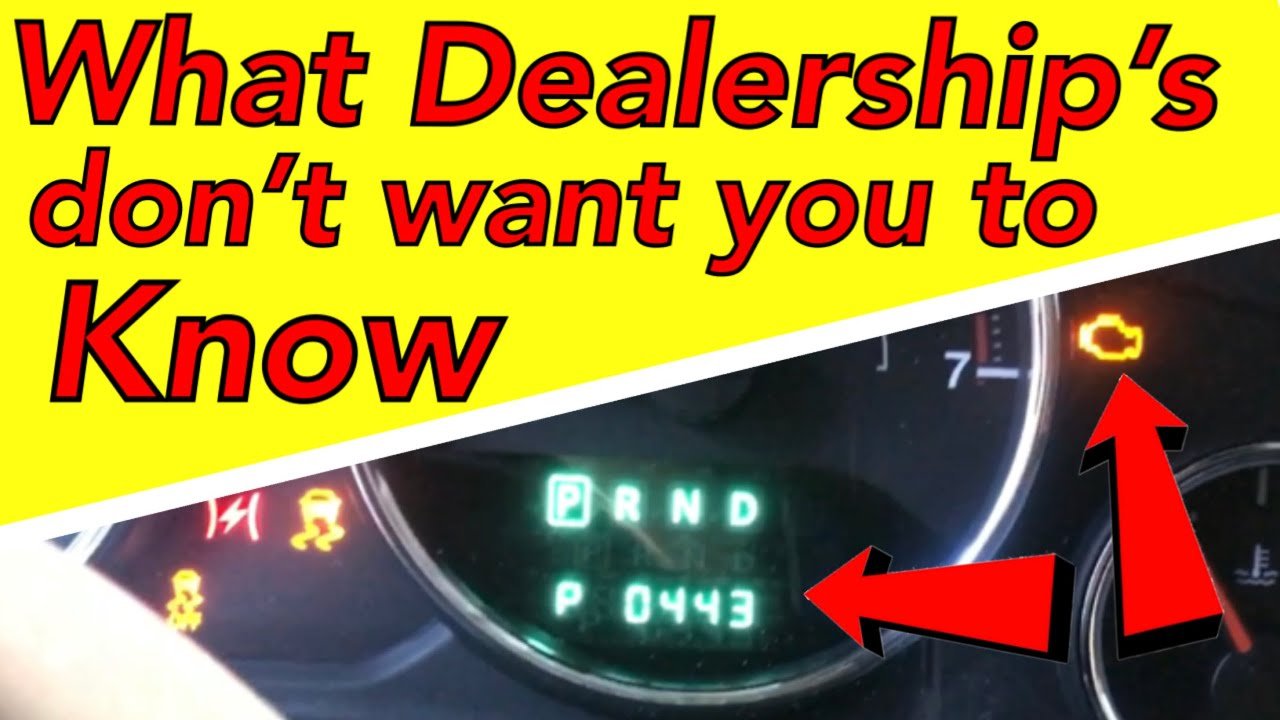
P0440 points to a leak in the evaporative emissions system. These codes can cause your Jeep to fail emissions tests.
Fixing emissions problems helps the environment and your vehicle.
Tools To Read Jeep Check Engine Codes
The Jeep check engine light can turn on for many reasons. Some problems are easy to fix.
Quick fixes save time and money. They keep your Jeep running well and safe.
This section covers simple repairs for common Jeep issues.
Replacing Faulty Sensors
Sensors help your Jeep run smoothly. A bad sensor can cause the check engine light to come on.
Oxygen sensors and mass airflow sensors fail most often. Replacing a faulty sensor is a quick fix.
You only need basic tools and a new sensor. Remove the old sensor carefully.
Install the new one and tighten it well. This fix often clears the error codes and stops the light.
Addressing Misfires
Engine misfires cause rough driving and trigger the check engine light. They happen when fuel or air supply is uneven.
Spark plugs and ignition coils often cause misfires. Check spark plugs for wear or damage.
Replace old or dirty plugs. Test ignition coils and swap if needed.
Fixing misfires improves engine performance and stops the warning light.
Clearing Codes After Repairs
After fixing your Jeep, clear the stored trouble codes. This resets the check engine light. Use an OBD-II scanner to read and erase codes. Without a scanner, disconnect the battery for 15 minutes. Reconnect it to reset the system. Clearing codes helps confirm the repair worked. If the light returns, further checks are needed.
Frequently Asked Questions
How To Find Check Engine Light Codes For A Jeep?
Insert the key and turn it ON and OFF three times, ending ON. Read the codes on the odometer display. Use an OBD-II scanner for detailed codes.
What Does A Car With Squiggly Lines Mean On A Jeep?
A car with squiggly lines on a Jeep indicates the Electronic Stability Control (ESC) system is active. It helps maintain traction and control during slippery conditions.
Can I Drive My Jeep With The Engine Light On?
You can drive your Jeep with the engine light on, but only for a short distance. Get the problem diagnosed promptly to avoid serious damage.
How Do I Check My Jeep Code Without A Scanner?
Insert the key into the ignition. Turn it OFF and ON three times, ending ON. Read the code on the odometer display.
Conclusion
Understanding Jeep check engine light codes helps you spot problems early. Reading these codes can save time and money on repairs.
Simple steps let you check codes without special tools. Always address the issues your Jeep’s system detects.
Keeping your Jeep in good shape ensures safer drives.
Regularly checking the codes keeps your vehicle running smoothly. Don’t ignore the check engine light; it has important messages.
Staying informed helps you avoid bigger car troubles later.