The name Jeep is one of the most recognized in the world of vehicles. It brings to mind images of rugged off-road adventures and military history.
But where did this unique name come from? The story behind “Jeep” is filled with interesting twists, wartime legends, and some surprising details.
If you’ve ever wondered how Jeep got its name, this article will give you the full picture.

Early Military Roots
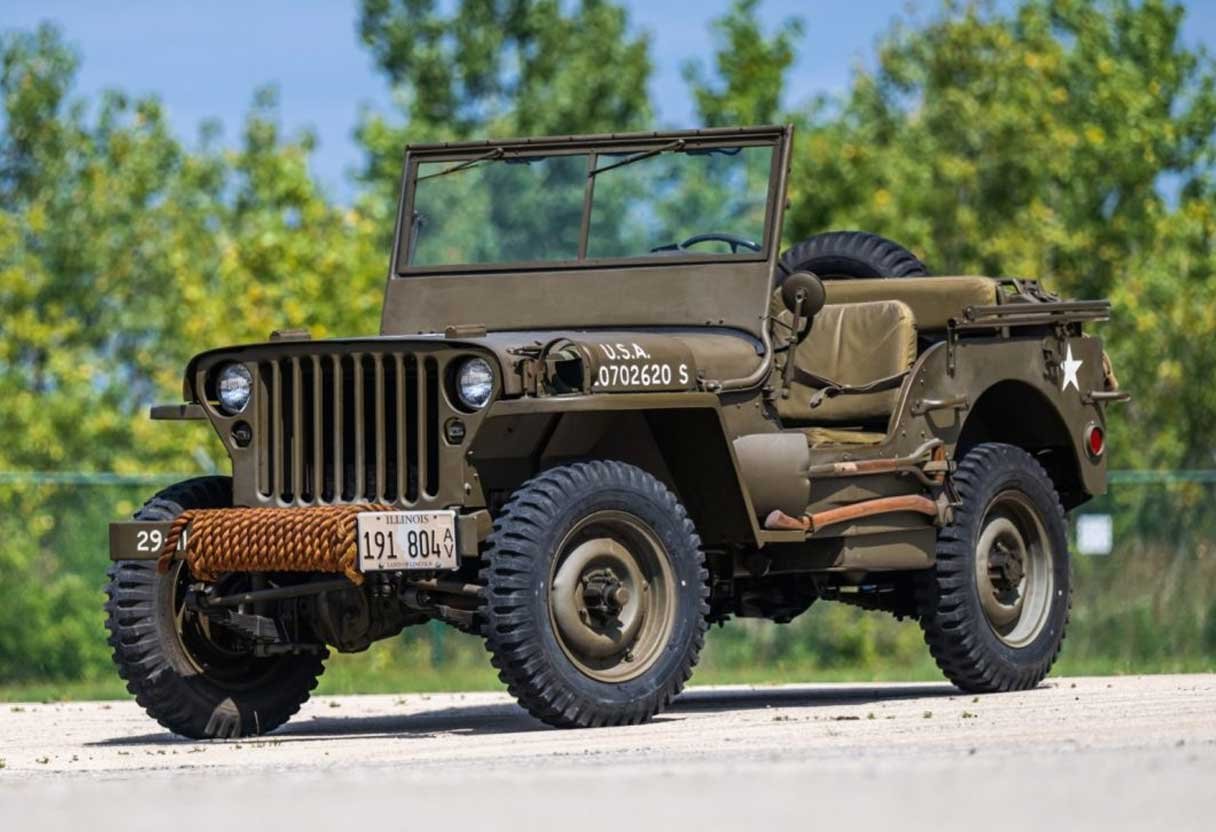
The origin of the Jeep name starts in the 1940s, during World War II. The U.S. Army needed a new vehicle that could handle rough terrain, carry equipment, and move quickly. Several companies, including Willys-Overland and Ford, worked on designs for this special vehicle.
The Army’s official name for the project was “General Purpose” vehicle. This meant it could be used for many different tasks—transporting soldiers, carrying supplies, or even towing weapons. The Willys MB and Ford GP were the two main models developed.
How “jeep” Got Its Name
There are a few different theories about the origin of the name Jeep. Each has some evidence and interesting stories behind it.
The “gp” Theory
One common explanation is that “Jeep” comes from the way soldiers pronounced the letters “GP. ” The Ford model was called the “GP,” which stood for “Government Purpose” or “General Purpose.
” When said quickly, “GP” can sound like “Jeep.
”
But there’s a twist: the Willys MB was more popular than the Ford GP, and “GP” was not the official designation for all military vehicles of this type. Still, this theory is widely shared, and the link between “GP” and “Jeep” is easy to remember.
The Eugene The Jeep Connection
Another interesting story comes from a cartoon character named Eugene the Jeep. Eugene was a magical animal from the “Popeye” comic strip, first seen in 1936. Eugene could go anywhere and do anything, much like the vehicle that would later be called the Jeep.
Soldiers were familiar with the cartoon and started calling the tough, go-anywhere vehicle a “Jeep” after Eugene. This fun nickname caught on, and soon everyone was using it.
The Soldier’s Slang
Before World War II, the word “jeep” was already used as military slang. It described new recruits or untested vehicles. In the late 1930s, mechanics and soldiers would sometimes call any new or unproven machine a “jeep.” When the new 4×4 vehicle arrived, the name seemed to fit perfectly.
Comparing The Theories
Here’s a look at the main theories side by side:
| Theory | Details | Evidence |
|---|---|---|
| “GP” Pronunciation | Comes from saying “GP” quickly | Popular among soldiers, but not all Jeeps were “GP” models |
| Eugene the Jeep | Named after a cartoon character | Soldiers loved the character, used the name for vehicles |
| Military Slang | “Jeep” was slang for new vehicles | Documented use before WWII |
The Name Becomes Official
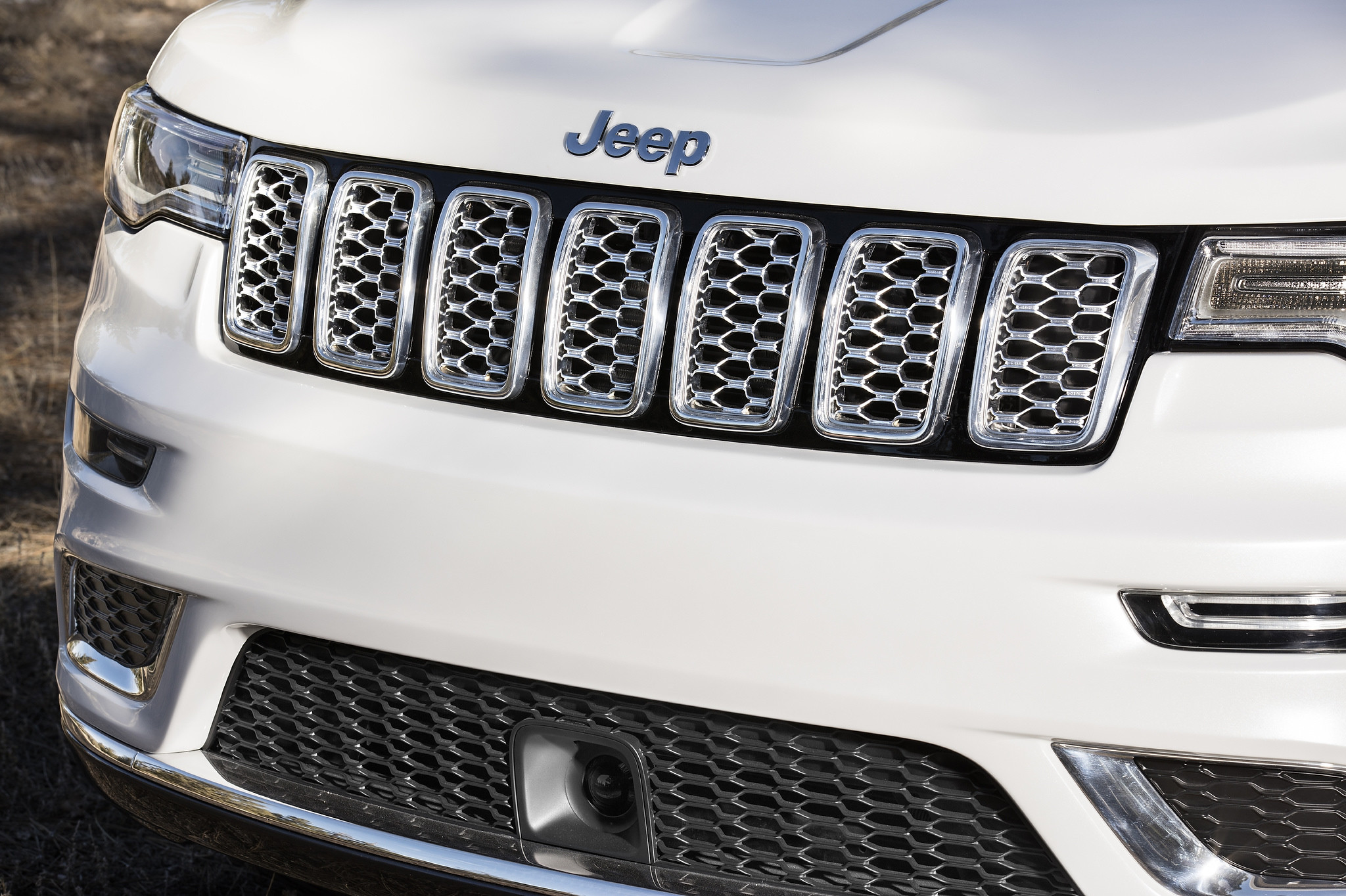
By 1941, Jeep was a common word among soldiers and workers at Willys-Overland. In February 1941, a Willys MB drove up the steps of the U.S. Capitol to show its power and reliability. Reporters at the event heard soldiers calling the vehicle a “Jeep,” and the name appeared in newspapers soon after.
The Willys-Overland company saw the value in the name and began using “Jeep” in their marketing. In 1950, Willys officially trademarked the Jeep name.
This helped set Jeep apart from other vehicles and made it a brand known around the world.
Jeep’s Influence On Vehicle Design
The original Jeep changed the way people thought about cars. Its simple, tough design became a standard for military and civilian vehicles alike. Here are some features that made the Jeep unique:
- Four-wheel drive: Allowed travel over rough, muddy, or snowy ground
- Compact size: Easy to move and transport
- Simple mechanics: Easy to repair in the field
These qualities inspired many later vehicles, both military and civilian. Even today, modern SUVs and off-road vehicles borrow ideas from the first Jeeps.
Here’s a comparison of the original Willys MB and a modern Jeep Wrangler:
| Feature | Willys MB (1941) | Jeep Wrangler (2024) |
|---|---|---|
| Engine | 2.2 L, 4-cylinder | 2.0 L Turbo or 3.6 L V6 |
| Horsepower | 60 HP | 270–285 HP |
| Drive System | 4WD | 4WD |
| Weight | ~2,450 lbs | ~4,000 lbs |
| Top Speed | 65 mph | Up to 120 mph |
Non-obvious Insights
Many people think Jeep was always a brand. In reality, the Jeep name started as a nickname and only became official later. Another detail is that the original Jeep was not just for the Army—it was used by the Navy, Marines, and even the Air Force.
Also, the Jeep’s influence reached beyond America. After World War II, other countries copied the design.
For example, the British Land Rover and Japanese Toyota Land Cruiser were inspired by the Jeep’s success.

Why The Name Stuck
The word “Jeep” is short, easy to say, and easy to remember. This made it perfect for both soldiers and civilians.
The name also fits the vehicle’s personality—tough, simple, and ready for anything.
The Jeep name is now a powerful brand, standing for adventure and durability. In 2023 alone, Jeep sold over 1.2 million vehicles worldwide, showing that its legacy is still strong. For more about Jeep’s history, visit the official Jeep Wikipedia page.
Frequently Asked Questions
What Does Jeep Stand For?
Jeep does not officially stand for anything. Some say it comes from “GP” (General Purpose), but the name mostly grew from slang and popular use.
Was Jeep Always A Brand Name?
No, Jeep started as a nickname for military vehicles. It became a brand name only after World War II, when Willys trademarked it.
Who Built The First Jeep?
Willys-Overland and Ford both built early Jeep vehicles for the U. S.
military. The Willys MB is the most famous early model.
Did The Name Jeep Come From A Cartoon?
Yes, one theory is that the name came from “Eugene the Jeep,” a cartoon character in the Popeye series. Soldiers liked the character and used the name for the vehicle.
Are All Jeeps Made In The Usa?
Most Jeep vehicles are made in the United States, but some are also built in other countries to meet local demand.