Ducking A Jeep: Tracing The Origins Of A Modern Tradition
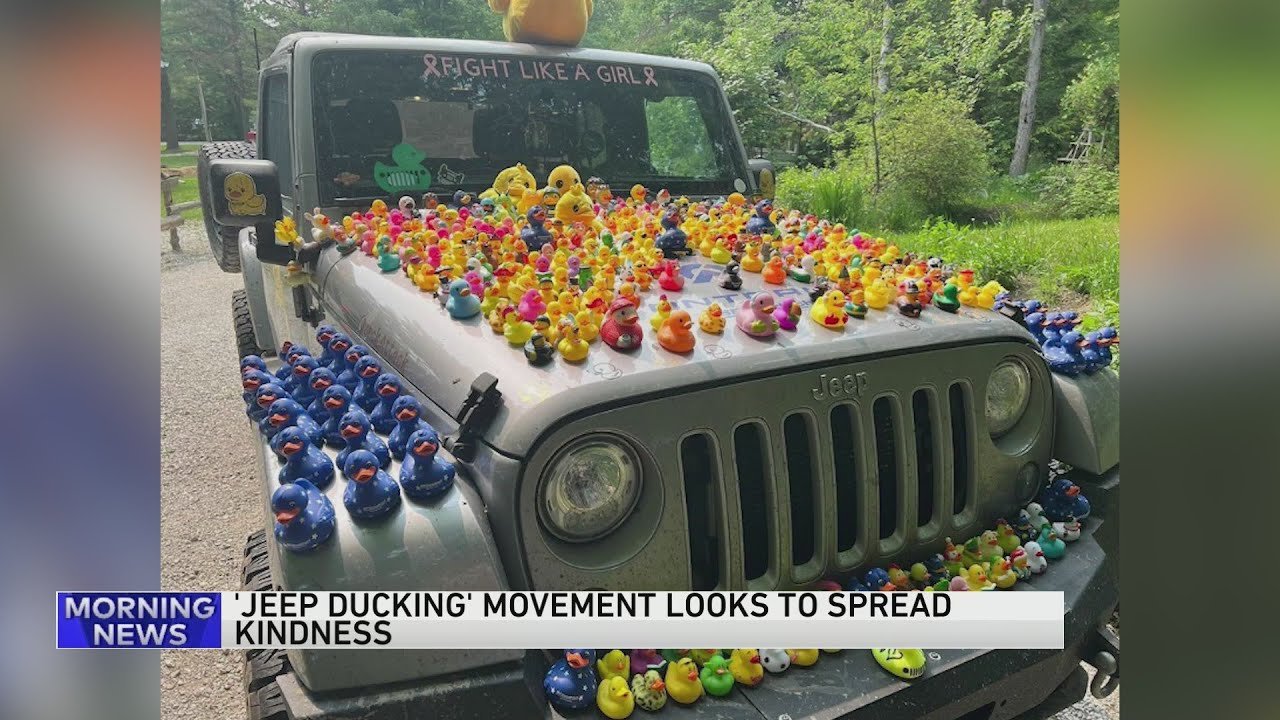
Spotting a small rubber duck sitting on the hood or dashboard of a Jeep might seem odd at first. But for Jeep owners around the world, ducking a Jeep has become more than a playful gesture—it’s a symbol of community and connection. This article explores the surprising origin of Jeep ducking, how it spread, and why it matters today.
How Did Jeep Ducking Begin?
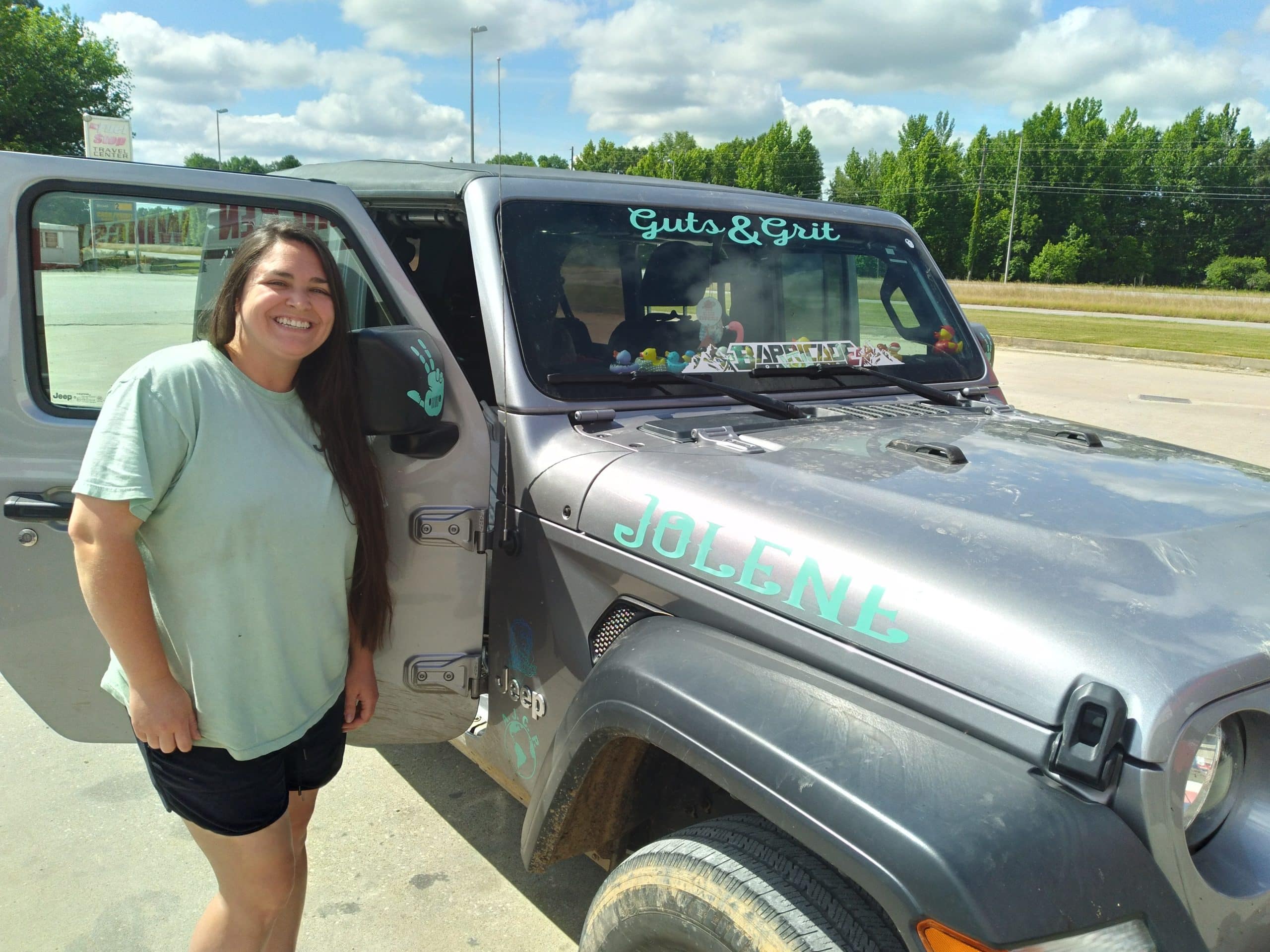
The story of Jeep ducking begins in Ontario, Canada, in 2020. During the early days of the COVID-19 pandemic, a Jeep owner named Allison Parliament wanted to lift people’s spirits. After a stressful encounter in a store, she decided to put a small rubber duck on a stranger’s Jeep with a note that simply said, “Nice Jeep.”
This friendly act quickly gained attention. Allison shared a photo on social media, and it went viral among Jeep fans. Soon, others began leaving ducks on Jeeps they spotted, adding short messages or hashtags like #duckduckJeep. What started as a single act of kindness became a worldwide movement.
Why Ducks?
The choice of a rubber duck was spontaneous. Allison had some rubber ducks in her car as a joke between friends. She never planned for ducks to become a Jeep symbol. But the image of a bright yellow duck on a rugged Jeep caught people’s attention, making it easy to spread.
How Did Jeep Ducking Spread?
Jeep owners are known for their sense of community. Many Jeep drivers give a friendly wave, known as the Jeep Wave, when passing another Jeep. Ducking was a natural fit.
Social media played a huge role. On platforms like Instagram and Facebook, Jeep owners began posting photos of their ducked Jeeps. Hashtags helped the trend grow, with some posts reaching thousands of likes and comments.
Below is a look at how the trend expanded:
| Year | Estimated Jeeps Ducked | Number of Countries |
|---|---|---|
| 2020 | ~5,000 | 3 |
| 2021 | ~50,000 | 12 |
| 2022 | ~200,000 | 30+ |
| 2023 | ~500,000 | 40+ |
Some Jeep dealerships and clubs now give out ducks during events. Even Jeep itself has recognized the trend, with official duck-themed merchandise and events.
What Ducking Means To Jeep Owners
For many, ducking a Jeep is a simple act of kindness and a way to make someone smile. But it also builds a sense of belonging. Seeing a duck on your Jeep is like getting a secret handshake from another Jeep fan.
Some reasons people love Jeep ducking:
- Community: It creates friendly connections between strangers.
- Positivity: A small toy can brighten someone’s day.
- Creativity: Owners personalize ducks with hats, sunglasses, or messages.
- Collecting: Some Jeepers collect ducks from different places or events.
Real Stories
Jeep ducking has helped people in surprising ways. For example, some owners share that finding a duck on their Jeep after a hard day lifted their mood.
Others use the trend to raise money for charity. There are even stories of friendships starting because of a single duck.
One less obvious impact: ducking brings attention to Jeep culture in areas where it wasn’t well-known before. People ask questions, learn about the tradition, and sometimes decide to join the Jeep community themselves.
Ducking Rules And Etiquette
There are no strict rules, but a few guidelines make ducking respectful and fun:
- Only duck Jeep vehicles, not other car brands.
- Avoid ducking if a vehicle’s owner is present and seems uncomfortable.
- Don’t block the driver’s view or place ducks where they could cause problems.
- Add a note or hashtag to explain the gesture to new Jeep owners.
A common beginner mistake is leaving a duck in a spot where it might fall or get lost, like on a sloped windshield. Most people place ducks on the door handle, side mirror, or dashboard.

Comparison: Jeep Ducking Vs. Jeep Wave
Many ask how ducking compares to the well-known Jeep Wave. Here’s a quick comparison:
| Aspect | Jeep Ducking | Jeep Wave |
|---|---|---|
| Started | 2020 (Canada) | 1940s (USA) |
| What It Involves | Leaving a rubber duck on a Jeep | Waving at other Jeep drivers |
| Main Purpose | Acts of kindness, fun | Friendly recognition |
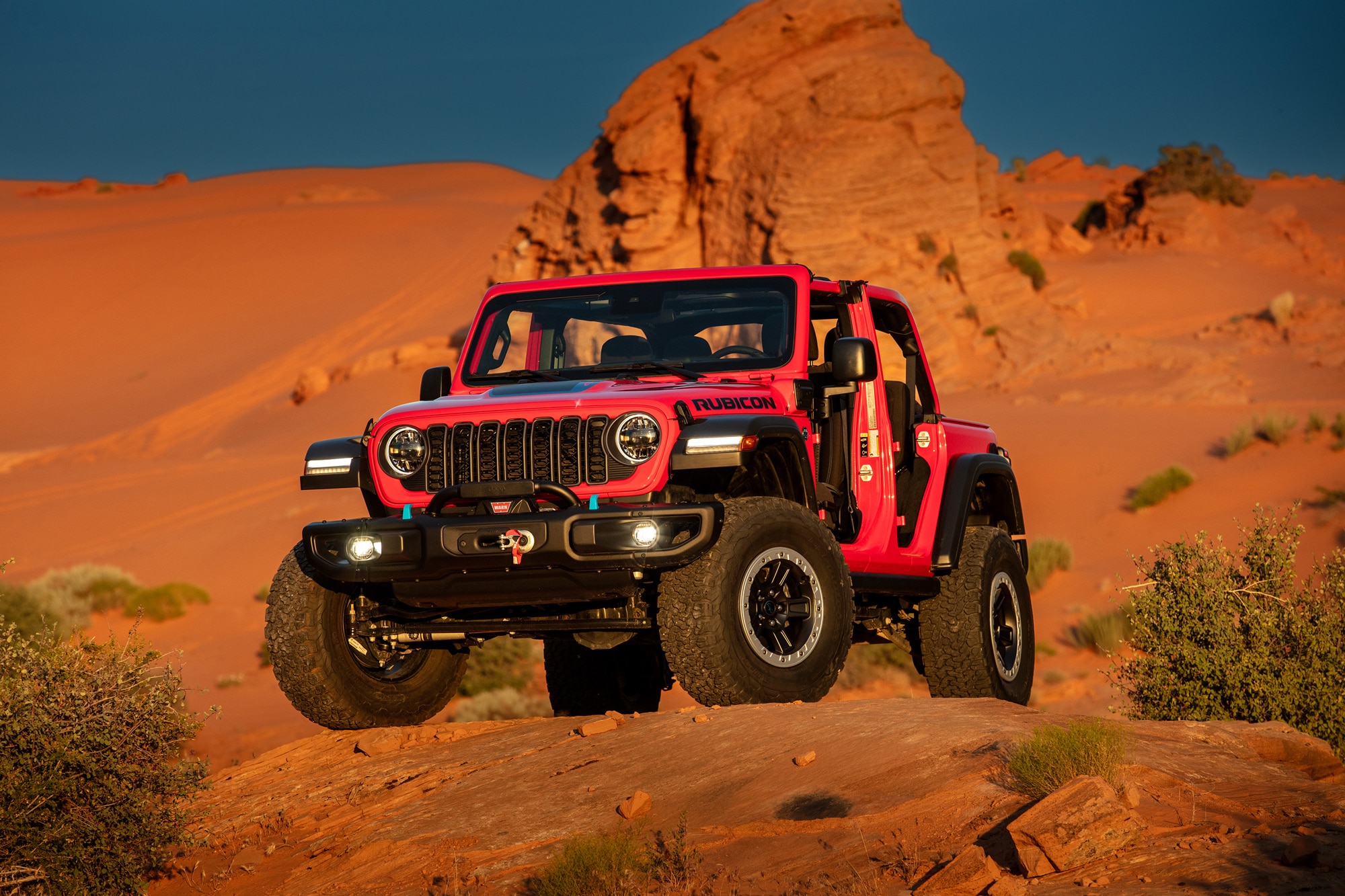
| Who Participates | All Jeep models | Mostly Wrangler, but now all Jeeps |
Why The Duck Trend Stuck
Some social trends fade quickly, but ducking a Jeep keeps growing. Here’s why:
- Simplicity: Ducks are easy to find, cheap, and fun.
- Social Media: Sharing photos makes it easy to join the movement.
- Universal Appeal: Everyone can participate, no matter their age or Jeep model.
- Timing: The positive message was needed during the pandemic, making it powerful.
A non-obvious insight: many Jeepers say ducking helps them notice more Jeeps around them. It turns daily driving into a kind of game or scavenger hunt.

Data: Ducking Popularity By Jeep Model
Some Jeep models get ducked more often than others. Here’s a breakdown:
| Jeep Model | % of Ducks Received (2023) |
|---|---|
| Wrangler | 55% |
| Gladiator | 20% |
| Cherokee | 12% |
| Grand Cherokee | 8% |
| Other Models | 5% |
The Wrangler leads because it’s often seen as the most “classic” Jeep, but all models are included.
Frequently Asked Questions
What Should I Do If My Jeep Gets Ducked?
Take a photo, share it on social media with a hashtag like #duckduckJeep, and keep the duck or pass it on to another Jeep. It’s all about spreading smiles.
Can I Duck Any Car, Or Just Jeeps?
The tradition is for Jeeps only. Ducking other cars can be confusing or unwanted.
Where Can I Buy Rubber Ducks For Jeep Ducking?
Many online stores and local shops sell rubber ducks, sometimes in bulk. Look for weatherproof ducks for outdoor use.
Is Ducking Allowed Everywhere?
Check local laws. In some areas, leaving items on cars could be seen as littering. Always be respectful and discreet.
Where Can I Learn More About Jeep Ducking?
The official Duck Duck Jeep community shares updates, stories, and resources. You can also find more on Wikipedia.
Ducking a Jeep started as a small act of kindness and has grown into a global sign of friendship among Jeep owners.
Whether you’re new to the tradition or a seasoned Jeeper, the next rubber duck you spot might be the start of a new connection.