The Jeep Wrangler is one of the most recognizable vehicles in the world. But what exactly is it classified as? Is it just a rugged SUV, or does it fall into a different category? Many people see the Wrangler on city roads, muddy trails, and beaches. Its shape and features make it stand out. Let’s explore how experts, the auto industry, and car buyers classify the Jeep Wrangler, and why its classification matters for drivers.
Jeep Wrangler: Official Classification
When looking at how the Jeep Wrangler is officially classified, it’s important to consider both government and industry standards.
The United States Environmental Protection Agency (EPA) and the National Highway Traffic Safety Administration (NHTSA) both classify the Jeep Wrangler as a compact SUV or compact sport utility vehicle. This means it’s designed for both urban driving and off-road adventures. Its size and weight fit the compact category, but its abilities go far beyond most compact vehicles.
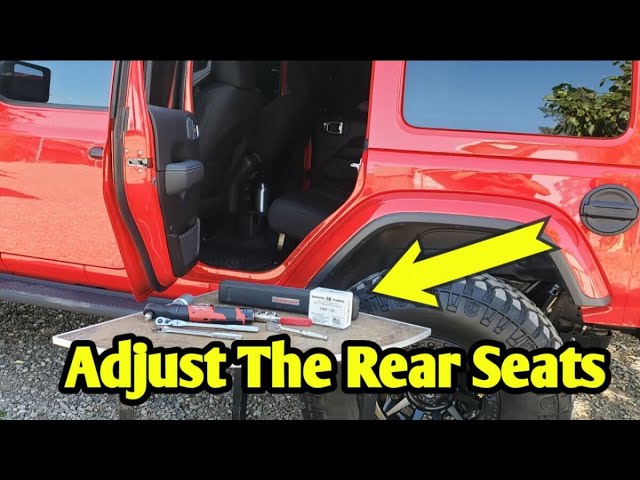
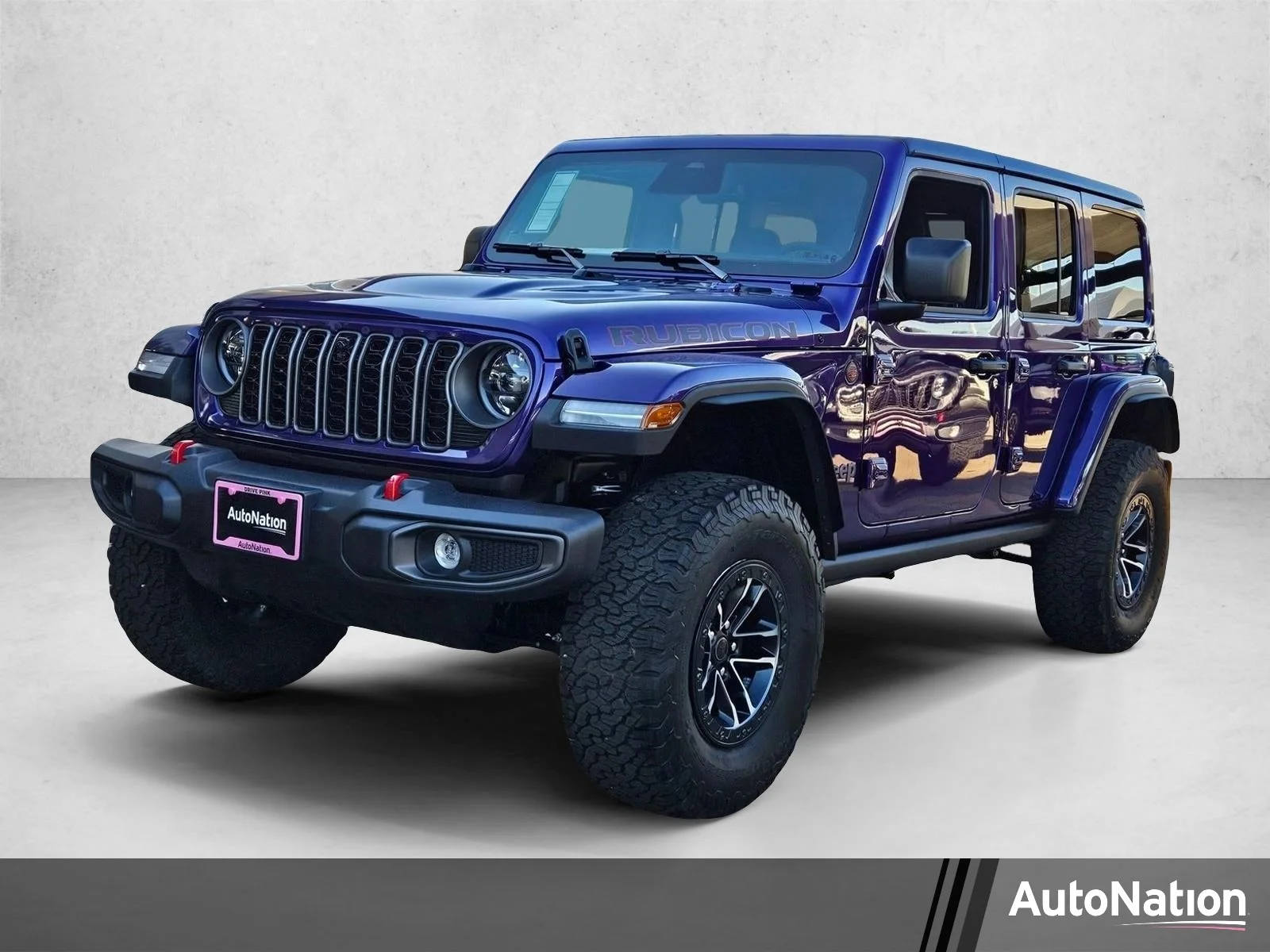
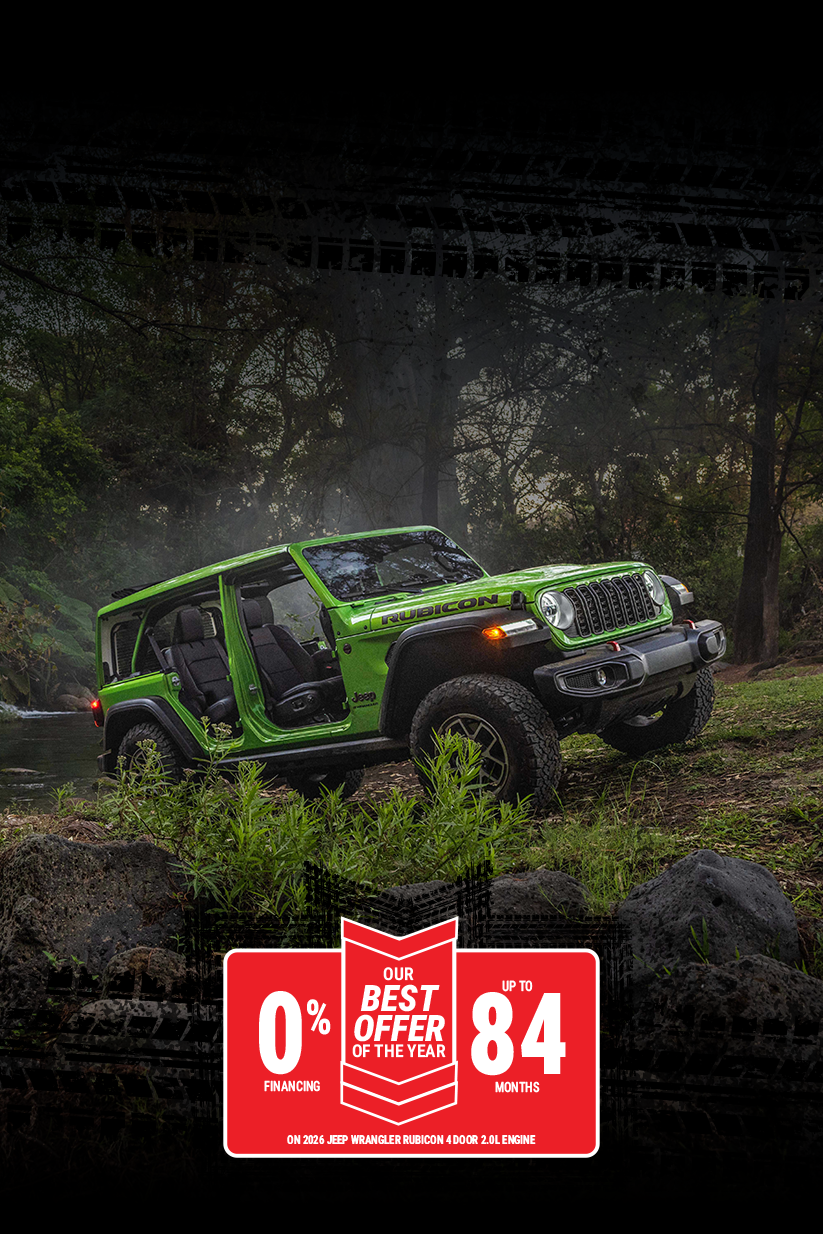
In the automotive industry, the Wrangler is considered a 4×4 off-road SUV. The term “4×4” means it has four-wheel drive, which helps the vehicle handle rough terrain, mud, snow, and sand. Some trim levels, like the Wrangler Rubicon, offer special off-road features such as locking differentials, disconnecting sway bars, and higher ground clearance.
Why Is The Wrangler Classified As An Suv?
The main reason the Jeep Wrangler is classified as an SUV is because it combines features of passenger cars and trucks. It has:
- High ground clearance
- Four-wheel drive
- Body-on-frame construction
- Room for passengers and cargo
These features make it suitable for both daily driving and tough outdoor conditions. Unlike sedans or hatchbacks, the Wrangler’s design focuses on durability and flexibility.
Here’s a simple table showing how the Wrangler compares to other types of vehicles:
| Vehicle Type | Ground Clearance | Drive Type | Purpose |
|---|---|---|---|
| Sedan | Low | 2WD | City/Highway |
| Pickup Truck | High | 4WD/2WD | Hauling/Off-road |
| Jeep Wrangler | High | 4WD | Off-road/City |
| Crossover SUV | Medium | AWD/2WD | Family/City |
Unique Features That Shape Its Classification
The Wrangler’s classification comes from its mix of unique features. Some of these are not found in most other SUVs.
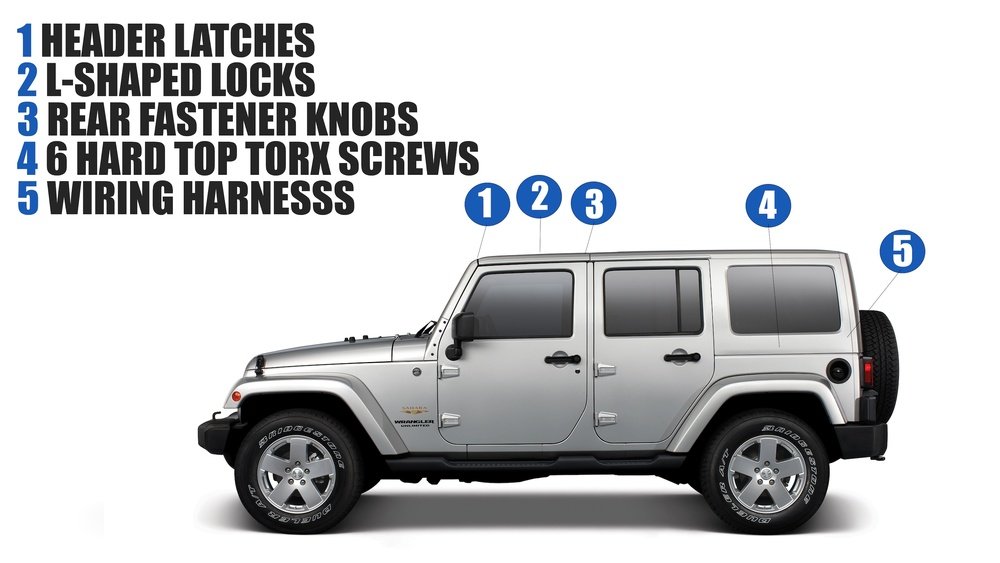
- Removable doors and roof: The Wrangler allows drivers to remove the doors and roof, offering an open-air experience. This feature is rare among SUVs.
- Solid axles: Most modern SUVs use independent suspension. The Wrangler uses solid axles, which are better for off-roading but can make city driving bumpier.
- Trail Rated badge: Jeep gives some Wranglers a “Trail Rated” badge, showing they meet strict standards for traction, water fording, maneuverability, articulation, and ground clearance.
These features help the Wrangler stand out from regular compact SUVs and even some larger vehicles.
Off-road Capability Vs. Daily Use
One reason people ask about the Wrangler’s classification is because it performs well both off-road and on city streets. It’s one of the few vehicles that truly fits both worlds.
Here’s a table comparing the Wrangler’s off-road features with typical compact SUVs:
| Feature | Jeep Wrangler | Typical Compact SUV |
|---|---|---|
| 4WD System | Standard | Optional/Not Available |
| Ground Clearance (inches) | 10.8 | 6–8 |
| Water Fording (inches) | Up to 30 | 10–15 |
| Removable Doors/Roof | Yes | No |
| Locking Differentials | Available | No |
Most compact SUVs are built for comfort and fuel economy. The Wrangler, on the other hand, is designed for adventure and tough conditions.
Still, it remains popular as a daily driver because of its size and flexibility.
How Car Buyers And Enthusiasts View The Wrangler
While official agencies classify the Wrangler as a compact SUV, many car enthusiasts see it as an off-road vehicle first. Jeep fans often compare it to other off-road legends like the Toyota Land Cruiser or Ford Bronco. Some even call it a “lifestyle vehicle” because it’s often chosen for outdoor activities, camping, and travel.
In recent years, the Wrangler’s popularity has grown, with over 200,000 units sold annually in the US. Its resale value is among the highest for SUVs, thanks to its reputation for durability and versatility.
Non-obvious Insights About The Wrangler’s Classification
- Insurance rates: Because the Wrangler is classified as an SUV, insurance companies often rate it differently from trucks or sports cars. However, its off-road abilities and removable parts can increase premiums, especially in areas with high theft or accident rates.
- Tax and registration: In some states, the Wrangler’s classification as a compact SUV can affect registration fees and taxes. Vehicles classified as trucks sometimes face higher taxes, but the Wrangler’s SUV status keeps costs lower for most owners.
Frequently Asked Questions
What Is The Jeep Wrangler’s Official Classification?
The Jeep Wrangler is officially classified as a compact SUV. It is also recognized as a 4×4 off-road vehicle by the automotive industry.
Is The Jeep Wrangler Considered A Truck Or A Car?
The Wrangler is not classified as a truck or a car. It is an SUV, which means it combines features of both. Its body-on-frame design is similar to trucks, but its interior and passenger space are closer to cars.
Why Does The Wrangler Have Removable Doors And Roof?
This feature gives drivers a unique open-air experience. It’s a design choice that comes from Jeep’s history in military and adventure vehicles. Most SUVs do not offer this option.
How Does The Wrangler Compare To Other Suvs?
Compared to typical SUVs, the Wrangler offers better off-road capabilities, higher ground clearance, and unique features. However, it may be less comfortable for city driving and has a lower fuel economy.
Are There Other Vehicles Similar To The Jeep Wrangler?
Yes, vehicles like the Ford Bronco and Toyota Land Cruiser offer similar off-road abilities. However, the Wrangler is the only compact SUV with removable doors and roof, and a strong reputation for adventure.
The Jeep Wrangler’s classification as a compact SUV is more than just a label. It reflects its ability to handle both daily driving and extreme conditions. Whether you’re interested in adventure or just want a stylish ride, understanding this classification can help you make the right choice. For more technical details on vehicle classifications, check out the Wikipedia page on SUVs.