If you own a Jeep or are thinking of buying one, you might hear people talk about the “death wobble.” The name sounds scary—and for good reason.
The Jeep death wobble is a sudden, violent shaking of the front wheels that can make driving feel unsafe. This issue has confused and worried Jeep owners for years.
But what causes it, and what can you do if it happens to you? In this article, you’ll learn exactly what the Jeep death wobble is, why it happens, and what steps you can take to fix or prevent it.
What Is The Jeep Death Wobble?
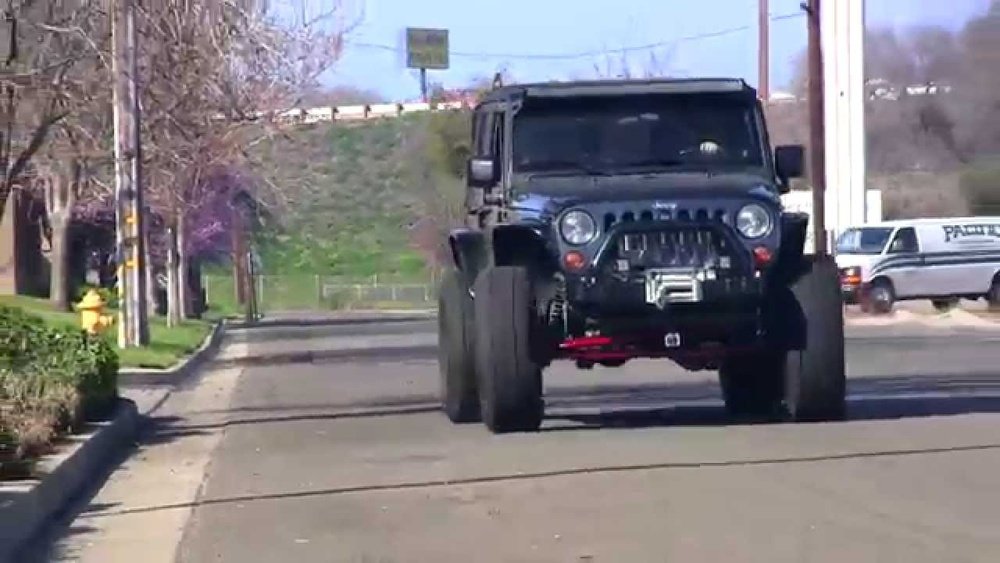
The Jeep death wobble is a rapid, strong vibration in the front suspension and steering system. It usually happens when you hit a bump or pothole at speeds above 45 mph (about 72 km/h). The steering wheel shakes hard, and the whole vehicle may feel out of control. Many drivers say it feels like the Jeep is falling apart.
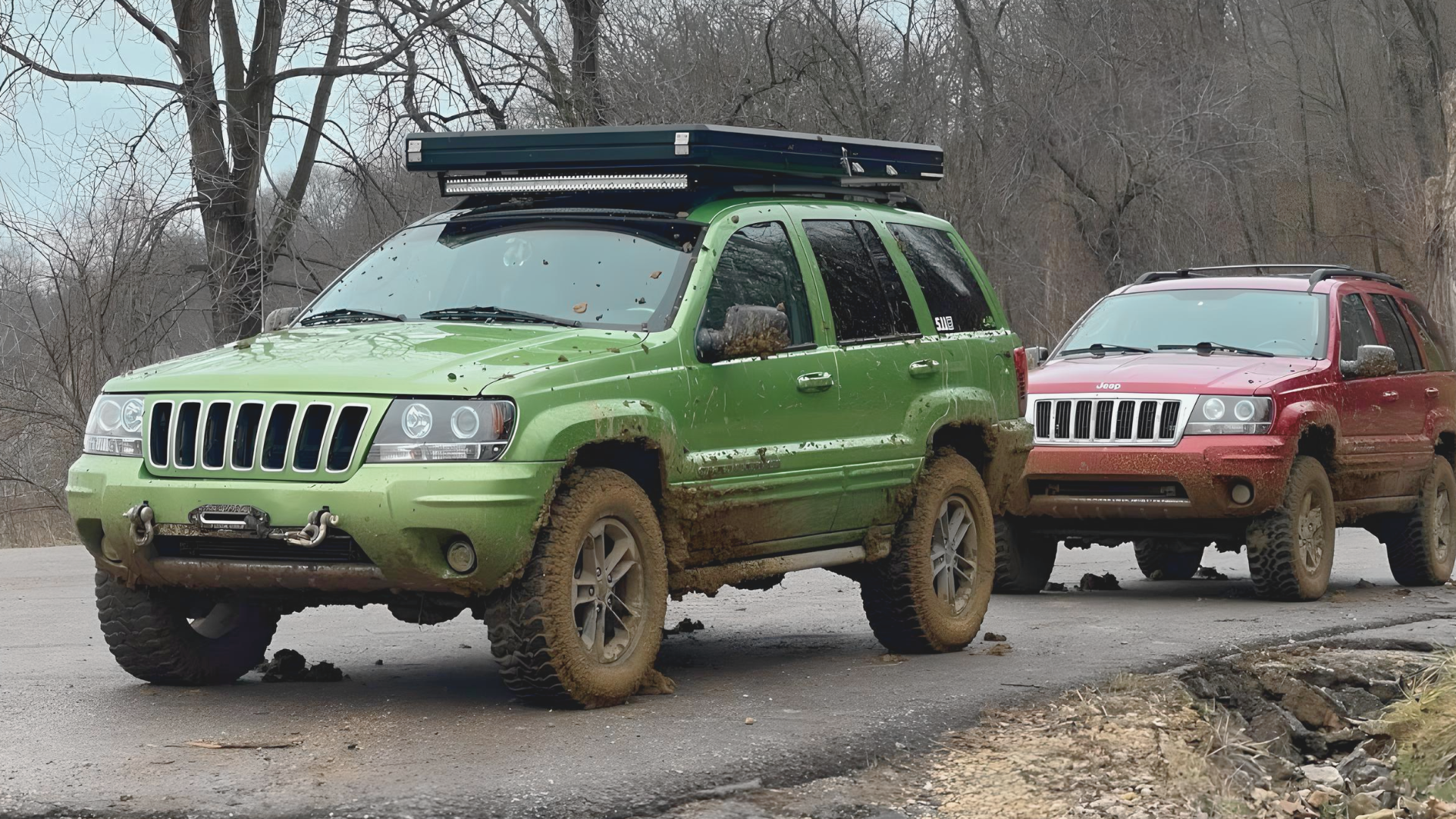
This problem is most common in solid front axle Jeeps, like the Wrangler (TJ, JK, JL), Cherokee (XJ), and Grand Cherokee (ZJ, WJ). Death wobble is not unique to Jeeps, but it’s more famous in these models because of their suspension design.
Why Does The Death Wobble Happen?
Death wobble is not caused by one single part breaking. Instead, it is usually a mix of worn or loose parts in the steering or suspension system. Here are some main causes:
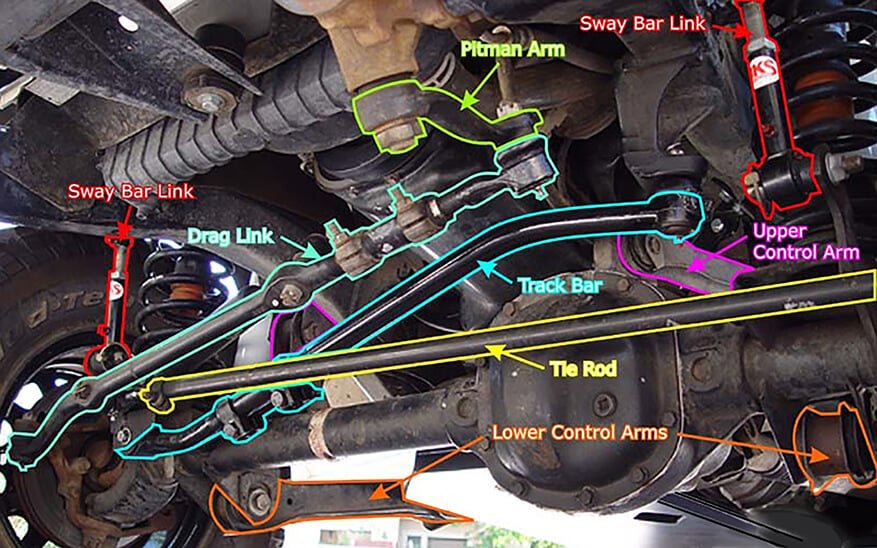
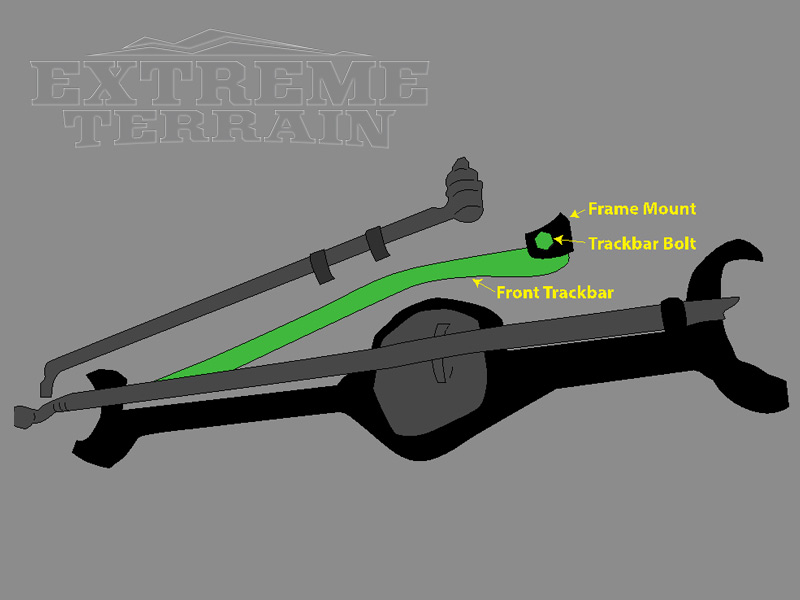
- Worn track bar bushings or bolts – The track bar keeps the axle centered. If its bushings or bolts are loose, the axle can move, causing a wobble.
- Bad tie rod ends or ball joints – These connect steering parts. If they’re loose, the wheels can move side to side.
- Unbalanced or bent wheels – A bent rim or a tire that isn’t balanced can start a vibration that grows into death wobble.
- Loose wheel bearings – These let the wheels spin smoothly. If they wear out, the wheels can shake.
- Old shocks or steering dampers – These control up-and-down movement. If they’re weak, they can’t stop vibrations.
A key insight: Even a small amount of looseness in one part can trigger death wobble if other parts are also worn. It’s often a “stacked” problem, not just one failed part.
How To Identify And Diagnose Death Wobble
Recognizing the death wobble is easy—it’s hard to miss! But finding the exact cause is harder. Here’s a practical way to diagnose the problem:
- Check for loose parts: With the Jeep parked, grab the front tires and try to move them. Any “clunk” or movement means something is loose.
- Inspect bushings and joints: Look for cracks, missing rubber, or grease leaking.
- Examine the track bar: Watch the track bar while a helper turns the steering wheel back and forth. If it moves, the bushings or bolts need work.
- Look at tires and wheels: Check for uneven tire wear, bent wheels, or missing wheel weights.
- Measure alignment: Poor alignment can make other small problems worse.
Here’s a comparison of how different Jeep models are affected by death wobble:
| Jeep Model | Front Axle Type | Death Wobble Risk |
|---|---|---|
| Wrangler TJ/JK/JL | Solid Axle | High |
| Cherokee XJ | Solid Axle | Medium |
| Grand Cherokee ZJ/WJ | Solid Axle | Medium |
| Grand Cherokee WK | Independent | Low |
How To Fix The Jeep Death Wobble
Fixing death wobble requires patience and careful work. Replacing just one part often does not solve the problem. Here are the main steps:
- Tighten all bolts: Make sure the track bar, control arms, and steering box bolts are at the correct torque.
- Replace worn parts: Start with the track bar bushings or bolts, then ball joints, tie rod ends, and wheel bearings as needed.
- Balance and align wheels: Get the wheels professionally balanced and set the alignment to factory specs.
- Check tire pressure: Uneven or low pressure can add to the problem.
- Upgrade the steering damper: A new damper can help, but it’s not a cure by itself.
Here’s a quick look at common fixes and how effective they are:
| Repair Action | Effectiveness | Estimated Cost |
|---|---|---|
| Tighten Bolts | Medium | $0 – $50 |
| Replace Track Bar Bushings | High | $100 – $300 |
| Replace Tie Rod Ends | High | $100 – $400 |
| Wheel Balance/Alignment | Medium | $100 – $200 |
| Steering Damper | Low | $50 – $150 |
Pro tip: Fix the root cause, not just the symptoms. Many Jeep owners replace the steering damper first, but this only hides the problem. Worn bushings or loose parts are almost always the real reason.

How To Prevent Death Wobble
Regular care is the best way to avoid death wobble. Here are some tips:
- Inspect suspension parts every oil change or 5,000 miles.
- Avoid cheap lift kits or poorly installed suspension parts.
- Use quality replacement parts—cheap ones wear out faster.
- Keep tires balanced and rotate them regularly.
A second insight: After off-roading or hitting large bumps, check for new damage. Death wobble can appear after rough use, even if everything was fine before.
Is Death Wobble Dangerous?
Death wobble feels scary, but it rarely causes crashes if you stay calm. The main danger is losing control if you panic.
The right response is to slow down, grip the wheel tightly, and pull over safely. Avoid slamming the brakes let the Jeep slow down on its own.
Still, you should always fix death wobble right away. Driving with worn parts can lead to bigger repairs or real steering failure.
Frequently Asked Questions
What Should I Do If My Jeep Gets Death Wobble While Driving?
Keep both hands on the wheel, slow down gently, and pull over safely. Don’t panic or slam the brakes.
Once stopped, check for loose parts and get your Jeep inspected before driving again.
Can The Dealer Fix Death Wobble Under Warranty?
It depends on your Jeep’s age and warranty. Some dealers may cover repairs if parts are faulty, but not always if you have aftermarket modifications. Always ask your dealer for details.
Does A Lift Kit Cause Death Wobble?
A lift kit alone does not cause death wobble, but improper installation or low-quality parts can. Lifts change the suspension angles and can make worn parts show problems sooner.
Is Death Wobble Covered By Jeep Recalls?
Jeep has issued recalls for some steering and suspension issues, but not for all cases of death wobble. Check your Jeep’s VIN on the NHTSA website to see if your vehicle is included.
Is Death Wobble Unique To Jeeps?
No. Any vehicle with a solid front axle, like some trucks and SUVs, can have death wobble.
It’s just more common and well-known in Jeeps.
Jeep ownership brings adventure, but also some unique challenges. Understanding the death wobble gives you the power to keep your Jeep safe and reliable on any road.
With regular checks and proper repairs, you can enjoy the ride and worry less about sudden shakes.