The Duck Duck Jeep movement is a unique trend among Jeep owners that has turned into a global community. It started with a simple gesture but now connects thousands of people through kindness and fun.
If you have ever seen a rubber duck on a Jeep’s dashboard or wondered why drivers wave at each other, you are witnessing this movement in action.
Origins Of The Duck Duck Jeep Movement
The idea began in Canada in 2020, during the COVID-19 pandemic. Allison Parliament, a Jeep owner, placed a rubber duck on another Jeep to spread positivity after a stressful day.
This act quickly caught attention on social media, inspiring others to do the same.
Within months, Jeep owners across North America began leaving rubber ducks on Jeeps, sharing photos, and using the hashtag #DuckDuckJeep.
The movement grew fast because Jeep owners already had a sense of community. The Jeep Wave—a tradition where drivers greet each other—was well known. The duck added a new layer of friendliness and surprise.
How Duck Duck Jeep Works
Participating in the movement is simple and welcoming. Here’s how it happens:
- Buy a rubber duck (or several).
- Spot a Jeep in a parking lot or on the street.
- Place a duck on the vehicle, often on the door handle or windshield.
- Leave a short note or tag with #DuckDuckJeep.
- Share a photo online if you wish.
The goal is to brighten someone’s day, connect Jeep fans, and create unexpected joy. There is no strict rule about which Jeep models qualify, but most people focus on Wranglers and Gladiators, as these are popular among enthusiasts.
Why Jeep Owners Love It
Jeep owners are known for their adventurous spirit and love for the outdoors. The Duck Duck Jeep movement fits this personality. It’s playful, easy, and brings people together, even strangers. Here are some reasons why it’s so popular:
- Sense of belonging: Jeep owners feel like part of a family.
- Surprise and delight: Receiving a duck is unexpected and makes people smile.
- Community building: It encourages positive interactions and connections.
Some Jeep owners collect dozens or even hundreds of ducks, displaying them on their dashboards as a badge of honor. The movement also helps new Jeep owners feel welcome.
Interesting Data And Trends
The movement’s growth is impressive. According to social media statistics:
- Over 700,000 posts use #DuckDuckJeep on Instagram.
- Jeep dealerships report increased customer engagement, with some offering ducks during sales events.
- Jeep events now include duck-themed contests, with prizes for the most creative duck displays.
Many local Jeep clubs have adopted the tradition, adding their own twists. For example, some groups use ducks with their club logo, while others organize “ducking drives” to spread ducks across their city.
Comparing Duck Duck Jeep With Other Automotive Traditions
Jeep owners have always had unique customs. The Duck Duck Jeep movement is just the latest. Here’s how it compares to other car communities:
| Tradition | Community | Purpose |
|---|---|---|
| Duck Duck Jeep | Jeep Owners | Spread joy, connect, surprise |
| Jeep Wave | Jeep Owners | Friendly greeting, recognition |
| Subaru Badge Exchange | Subaru Owners | Share club badges, build community |
| VW Bug Honk | VW Beetle Owners | Signal to other Bug drivers |
The Duck Duck Jeep movement stands out because it involves a physical object and social media, making it easy to track and share.
Types Of Ducks Used In The Movement
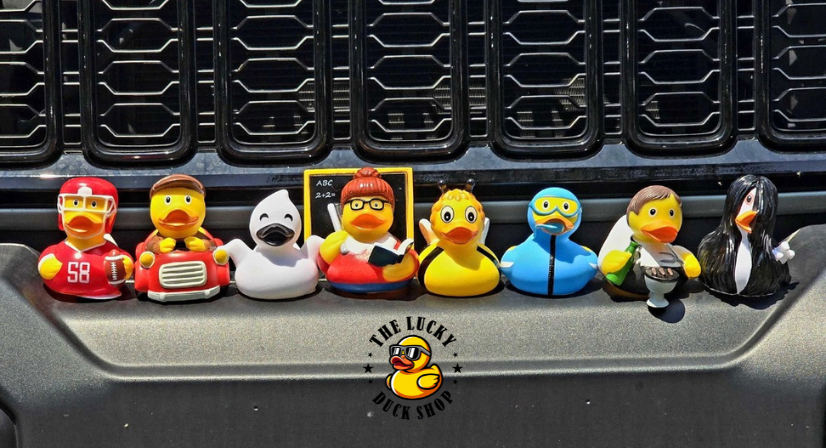
Not all ducks are the same. Jeep owners get creative, using different sizes, colors, and themes. Here is a quick comparison of duck types:
| Type | Description | Popularity |
|---|---|---|
| Classic Yellow Duck | Simple rubber duck, bright yellow | Most common |
| Custom Ducks | Ducks with hats, sunglasses, or Jeep logos | Increasing |
| Mini Ducks | Small ducks for tight spots | Useful for subtle ducking |
| Holiday Ducks | Ducks themed for holidays (Christmas, Halloween) | Popular during events |
Some Jeep owners personalize ducks with their name or club, making each duck a unique gift.
Without social media, the Duck Duck Jeep movement would not have spread as quickly. Platforms like Instagram and Facebook are full of Jeep owners sharing duck stories, photos, and even videos.
The hashtag #DuckDuckJeep helps people connect and see how far the movement has reached.
There are also dedicated groups and pages where members share tips, duck designs, and stories about memorable ducking moments. This digital connection turns a simple act into a worldwide trend.
Impact Beyond Jeep Owners
One non-obvious insight is how the movement affects non-Jeep owners. Sometimes, people who don’t own a Jeep see the ducks and get curious.
This sparks conversations, sometimes leading them to join the Jeep community. In other cases, ducking has inspired similar acts in other car groups.
Another detail beginners often miss: the movement has charitable effects. Some Jeep clubs organize duck drives for hospitals or community centers, using ducks to cheer up children and patients. The ducks become more than a symbol—they are a tool for kindness.
Common Mistakes And Etiquette
For those new to Duck Duck Jeep, there are a few things to remember:
- Always ask permission if placing a duck inside a Jeep.
- Use clean ducks—dirty or damaged ducks are not appreciated.
- Don’t block door handles or windows; place ducks where they are easy to spot but not in the way.
Jeep owners also appreciate creative notes or tags, but avoid leaving stickers that are hard to remove.
Frequently Asked Questions