Owning a Jeep is about adventure, rugged style, and practical design. But if you’ve ever looked closely at the front area where the windshield meets the hood, you might notice a small but important piece called the cowl. Many Jeep owners, especially beginners, wonder what this part does and why it matters. Let’s explore the cowl on a Jeep, its function, benefits, and how it impacts your driving experience.
What Is The Cowl On A Jeep?
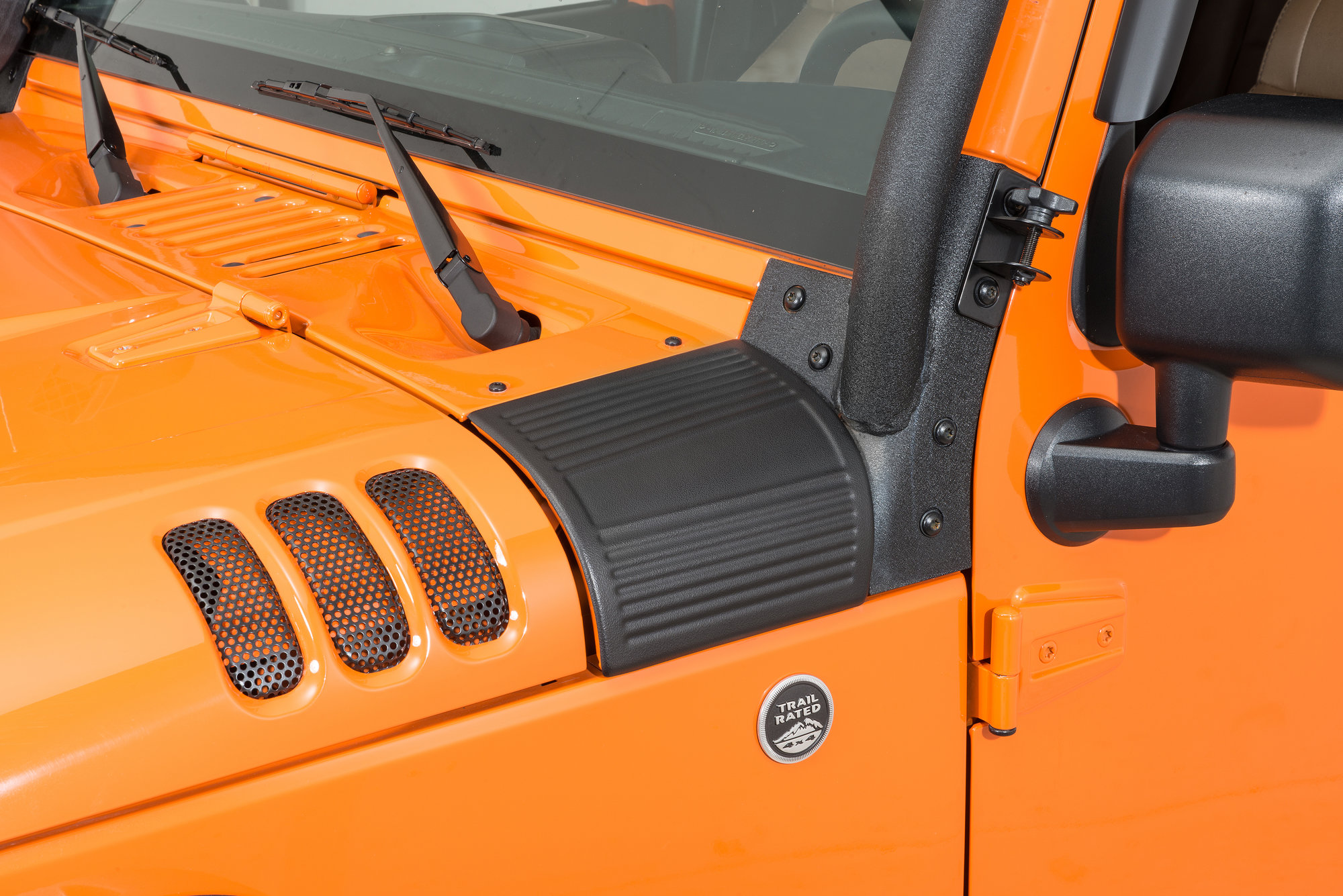
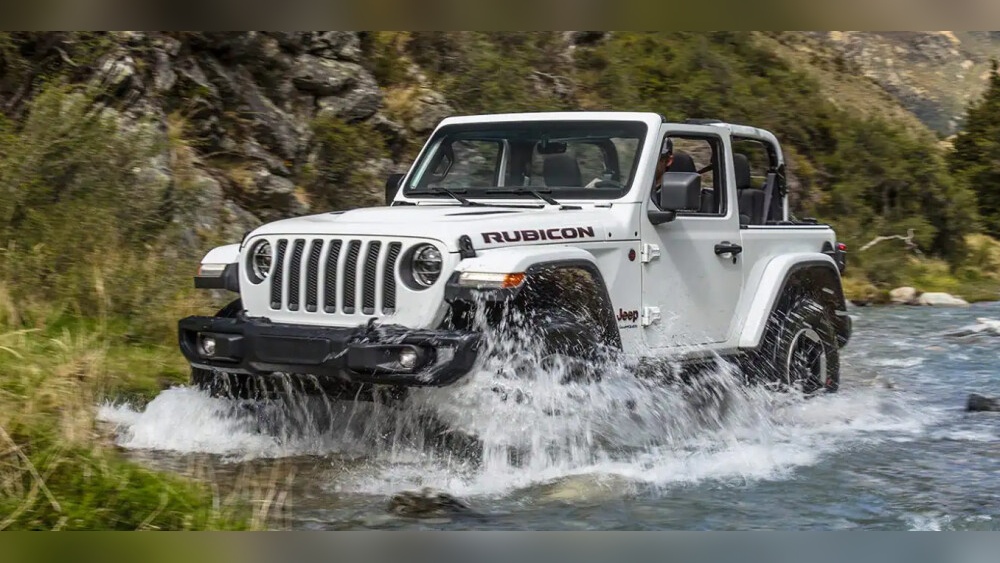
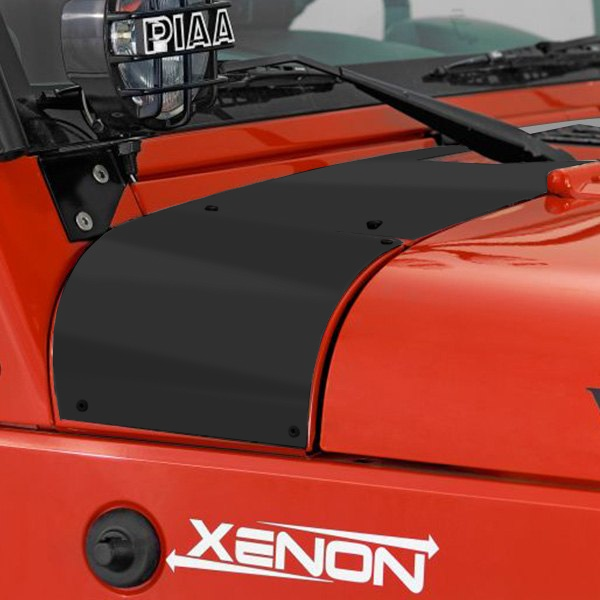
The cowl is a horizontal panel located between the hood and the windshield. It’s easy to spot once you know where to look. On most Jeep models, including the popular Wrangler and Gladiator, the cowl runs the width of the vehicle, just below the wipers.
Its main purpose is to cover and protect the area where the windshield meets the body. This spot is vulnerable to water, dirt, leaves, and other debris. The cowl also hides important components like windshield wiper mechanisms, air intake vents, and wiring.
Some Jeep models have a removable cowl cover, while others keep it integrated into the body. The design may look simple, but it plays a big role in keeping your Jeep running smoothly.
Key Functions Of The Jeep Cowl
The cowl does more than just sit between the hood and windshield. Here are the main functions:
1. Protects Vital Parts
The cowl shields the wiper motor, linkage, and air intake vents from rain, dust, and debris.
2. Directs Water Away
It channels rainwater away from the engine bay and interior, reducing the risk of leaks.
3. Supports Windshield Stability
The cowl adds structural strength, helping keep the windshield firm during bumps or rough rides.
4. Improves Airflow
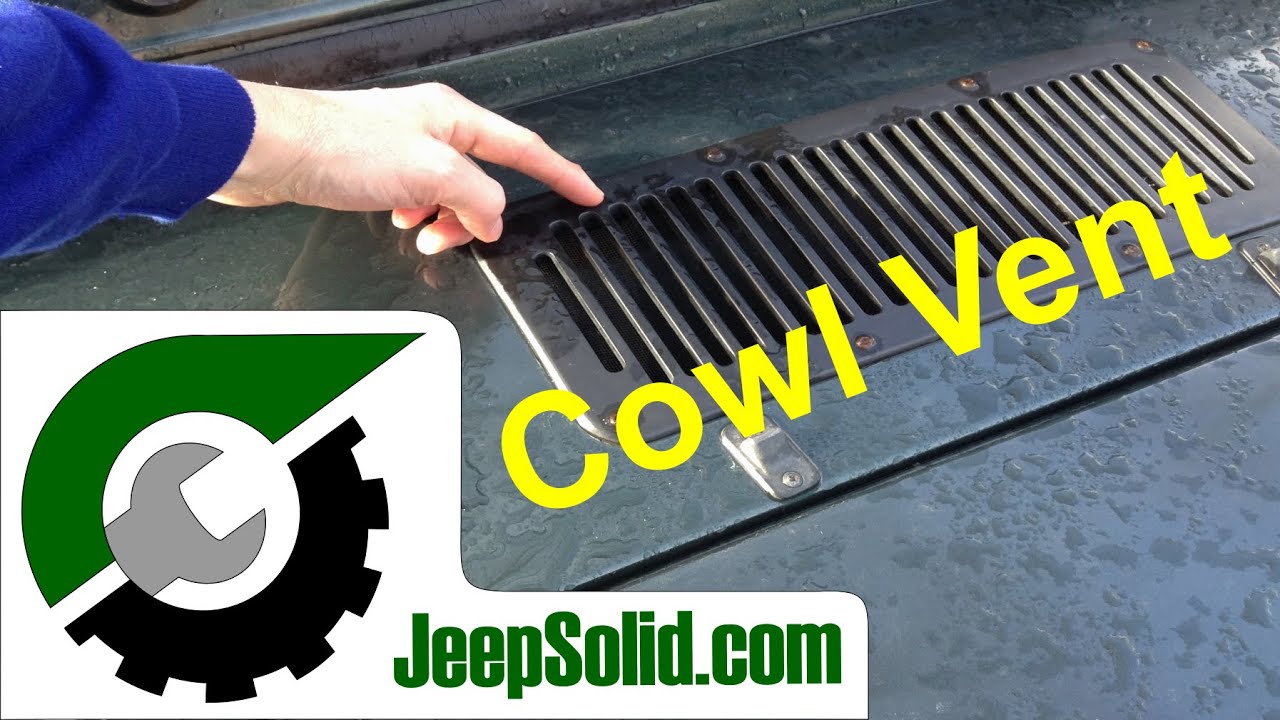
Many Jeep cowls include vents for fresh air intake to the cabin, supporting the HVAC system.
Here’s a quick comparison of what the cowl protects versus areas without a cowl:
| With Cowl | Without Cowl |
|---|---|
| Wiper motor and linkage covered | Exposed to water and debris |
| Air intake protected | Risk of clogging and leaks |
| Windshield supported | Less stability |
Why Jeep Cowls Matter For Owners
Many Jeep owners overlook the cowl, but it’s a piece worth understanding. Here’s why:
- Prevents Costly Repairs
Water leaks from a damaged or missing cowl can cause rust and electrical issues, leading to expensive repairs.
- Keeps Cabin Fresh
The cowl’s vents allow filtered air into the cabin, improving comfort and helping the HVAC system work efficiently.
- Supports Customization
Some Jeep cowls can be swapped for aftermarket versions with extra vents, off-road lights, or style upgrades. This is popular among Jeep enthusiasts.
One non-obvious insight: the cowl is often the first line of defense against leaves and twigs during autumn. If clogged, it can lead to water pooling and even mold inside the vehicle—a problem many new Jeep owners overlook.
Common Problems With Jeep Cowls
Like any part, the cowl can develop issues. Here are some typical problems:
1. Cracks And Damage
Off-roading, accidents, or harsh weather can crack the cowl, making it less effective.
2. Clogged Vents
Leaves and dirt can block the vents, reducing airflow and causing leaks.
3. Loose Fitting
Over time, screws and clips may loosen, letting water into the engine bay.
Here’s a simple table showing common problems and their impact:
| Problem | Effect |
|---|---|
| Cracked cowl | Water leaks, rust |
| Clogged vents | Poor HVAC performance |
| Loose fit | Wind noise, leaks |
How To Maintain Your Jeep Cowl
Regular maintenance is simple but important. Here’s how to keep your cowl in top shape:
1. Inspect Often
Check for cracks, chips, or loose parts, especially after off-road trips.
2. Clean Vents
Remove leaves, dirt, and other debris from the cowl area at least once a month.
3. Check Fittings
Make sure screws, bolts, and clips are tight and secure.
4. Replace When Needed
If the cowl is damaged, replace it with a genuine or quality aftermarket part.
A practical tip: Use a soft brush or vacuum to clean the cowl’s vents. Avoid using high-pressure water, as it can force debris deeper inside.
Jeep Cowl Design: Factory Vs Aftermarket
Jeep cowls come in factory (OEM) and aftermarket versions. Here’s a quick comparison:
| Factory Cowl | Aftermarket Cowl |
|---|---|
| Standard fit and look | Custom styles, extra vents |
| Made for durability | May use stronger materials |
| Usually plastic | Plastic, metal, or composite |
| Basic protection | Enhanced function and looks |
Aftermarket cowls are popular for off-roaders and those wanting a unique look. Some even offer improved water drainage and better air intake, which is useful in extreme conditions.
Jeep Models And Their Cowls
Different Jeep models have slightly different cowl designs. For example:
- Wrangler (JK, JL): Removable cowl covers, easy access for cleaning.
- Gladiator: Larger cowl area, supports bigger wipers.
- Cherokee: Integrated design, less visible but still important.
Older Jeeps (like CJ models) have simpler cowls, which can be more prone to leaks. Newer models use better materials and smarter vent systems.
One often-missed detail: cowls are sometimes a weak point during windshield replacement. Professional installers know to seal this area properly, but DIY attempts can cause leaks if not done carefully.
If you want to learn more about Jeep cowls and their engineering, see Wikipedia.
Frequently Asked Questions
What Is The Main Purpose Of The Cowl On A Jeep?
The main purpose is to protect the wiper mechanism, air vents, and the area where the windshield meets the body. It keeps water, dirt, and debris out and helps direct rainwater away from critical parts.
How Can I Tell If My Jeep Cowl Needs Replacement?
Look for cracks, loose fittings, or visible leaks. If the vents are clogged or the cowl is damaged, it’s time to replace it.
Are Aftermarket Cowls Better Than Factory Ones?
Aftermarket cowls can offer extra features like more vents, stronger materials, and unique styles. But factory cowls are designed for standard durability and fit.
Can I Clean The Cowl Myself?
Yes, you can clean the cowl using a soft brush or vacuum. Avoid forcing water into the vents. Regular cleaning helps prevent clogs and leaks.
Does The Cowl Affect Jeep Performance?
It mainly affects airflow and protection. A damaged cowl can lead to leaks, poor HVAC function, and even rust. Keeping it in good shape helps your Jeep perform reliably.
Taking care of your Jeep cowl might seem simple, but it’s a smart move for anyone who wants their vehicle to last. With regular checks and cleaning, you’ll avoid common mistakes and keep your Jeep ready for adventure.