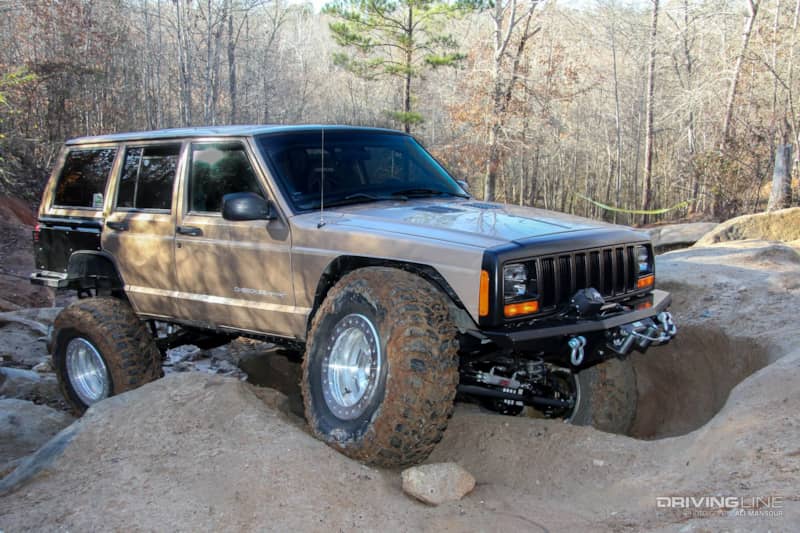
The Jeep Cherokee XJ is a legend among SUVs. Produced from 1984 to 2001, this boxy, tough 4×4 is famous for its off-road ability, simple mechanics, and affordable price. But if you’re thinking about buying one, a big question comes up: Which year is the best Jeep Cherokee XJ? This article will help you understand the differences between model years, highlight standout choices, and guide you to the XJ that fits your needs.
Why The Jeep Cherokee Xj Is Special
The XJ’s design changed the SUV market. It was one of the first SUVs with a unibody construction, making it lighter and more comfortable than older, truck-based models. Owners love its 4.0L inline-six engine, which is strong and reliable. The XJ is also easy to repair and has a huge community for support.
Two things set the XJ apart:

- Legendary Off-Roading: Thanks to its solid axles and four-wheel-drive systems like Command-Trac and Select-Trac, the XJ handles tough trails better than most modern SUVs.
- Simplicity: The XJ avoids complex electronics and uses strong, basic parts. This makes repairs cheaper and easier.
Key Changes Over The Years
Not all XJs are built the same. The Cherokee XJ had several updates during its 17-year run. Here’s a quick look at the main differences:
| Year Range | Main Changes |
|---|---|
| 1984-1986 | Early models, less powerful engines, fewer features |
| 1987-1990 | Introduction of the 4.0L engine, improved interiors |
| 1991-1996 | High Output 4.0L engine, upgraded electronics |
| 1997-2001 | Updated styling, airbags, more modern interior |
The most important upgrade was in 1991, when Jeep changed to the High Output 4.0L engine. This improved both power and reliability. In 1997, the XJ got a new interior and a refreshed look.

Best Years For Reliability And Performance
If you want the best mix of strength, comfort, and features, most enthusiasts recommend models from 1997 to 1999. Here’s why:
- Engine: The 4.0L High Output engine is at its best in these years.
- Electronics: Fewer electrical problems than later years.
- Rust protection: Slightly better paint quality than earlier models.
- Interior: Modern dashboard, airbags, and better seats.
Let’s compare the core specs for these top years:
| Year | Engine | Horsepower | Transmission | Airbags |
|---|---|---|---|---|
| 1997 | 4.0L I6 | 190 hp | 5-speed manual/4-speed auto | Driver only |
| 1998 | 4.0L I6 | 190 hp | 5-speed manual/4-speed auto | Driver only |
| 1999 | 4.0L I6 | 190 hp | 5-speed manual/4-speed auto | Driver & Passenger |
1999 stands out because it was the first year with a passenger airbag.
Years To Be Cautious About
Some XJ years have more problems. If you want to avoid common headaches, watch out for:
- 1984-1986: Early XJs are underpowered and can have rare parts.
- 2000-2001: These last years have a cylinder head (0331) prone to cracking.
- 1987-1990: Good engines, but Renix electronics can be trickier to repair.
A common mistake is to buy a 2000 or 2001 for the newest model, not realizing the cylinder head issue. Repairs can be expensive and hard to spot before buying.
Factors To Consider When Choosing
No single year is perfect for everyone. Think about these points before you decide:
- Budget: Newer models (1997-2001) usually cost more, but offer more comfort and safety.
- Purpose: If you want a project or off-road build, early 1991-1996 XJs are simple and tough.
- Rust: All XJs can rust, but those from northern climates often have more frame and floor pan rust.
- Parts Availability: 1991-1999 models have the widest parts support.
Comparison: 1991-1996 Vs. 1997-1999 Xj
Here’s a quick side-by-side look at two of the most popular ranges:
| Feature | 1991-1996 XJ | 1997-1999 XJ |
|---|---|---|
| Interior | Classic, simple | Modern, more comfort |
| Safety | No airbags | Airbags added |
| Electronics | Less complex | More features |
| Resale Value | Lower | Higher |
One thing beginners often miss: The simpler electronics of the 1991-1996 models make them easier to fix if you plan to own the XJ long-term or use it for serious off-roading.

Real-world Owner Opinions
Most XJ fans agree that 1997-1999 are the sweet spot for daily driving, comfort, and reliability. However, many off-roaders prefer the 1991-1996 models for their simplicity and ease of modification.
A common tip: Look for a Jeep with good maintenance records and minimal rust, even if it’s not the “best” year. Condition matters more than small year-to-year changes.
You can find more owner reviews and maintenance tips on the official Jeep Cherokee XJ Wikipedia page.
Frequently Asked Questions
What Is The Most Reliable Year For The Jeep Cherokee Xj?
The 1997-1999 models are often considered the most reliable, thanks to the strong 4.0L engine and improved interiors. The 1991-1996 XJs are also very reliable but have fewer safety features.
Why Should I Avoid 2000 And 2001 Jeep Cherokee Xjs?
These years have a 0331 cylinder head that is known to crack, leading to expensive engine repairs. Unless the head has been replaced, it’s best to choose an earlier model.
Are Older Xjs (1984-1990) Worth Buying?
They can be fun for collectors but may have hard-to-find parts and less power. Most buyers prefer 1991 or newer for better engines and parts support.
Which Xj Is Best For Off-roading?
Both 1991-1996 and 1997-1999 models are strong choices. Simpler electronics in the earlier years make them easier to modify and repair after tough trails.
How Can I Check For Rust Before Buying?
Inspect the floor pans, rocker panels, and undercarriage. Rust is common, especially in northern states. Surface rust is normal, but deep frame rust can be serious and costly to repair.
The Jeep Cherokee XJ is a classic for a reason. If you find a well-maintained 1997-1999 model, you’ll enjoy both reliability and comfort. But even older years can serve you well with proper care. Choose carefully, check for rust, and join the XJ community for lasting adventure.